
Main Courses
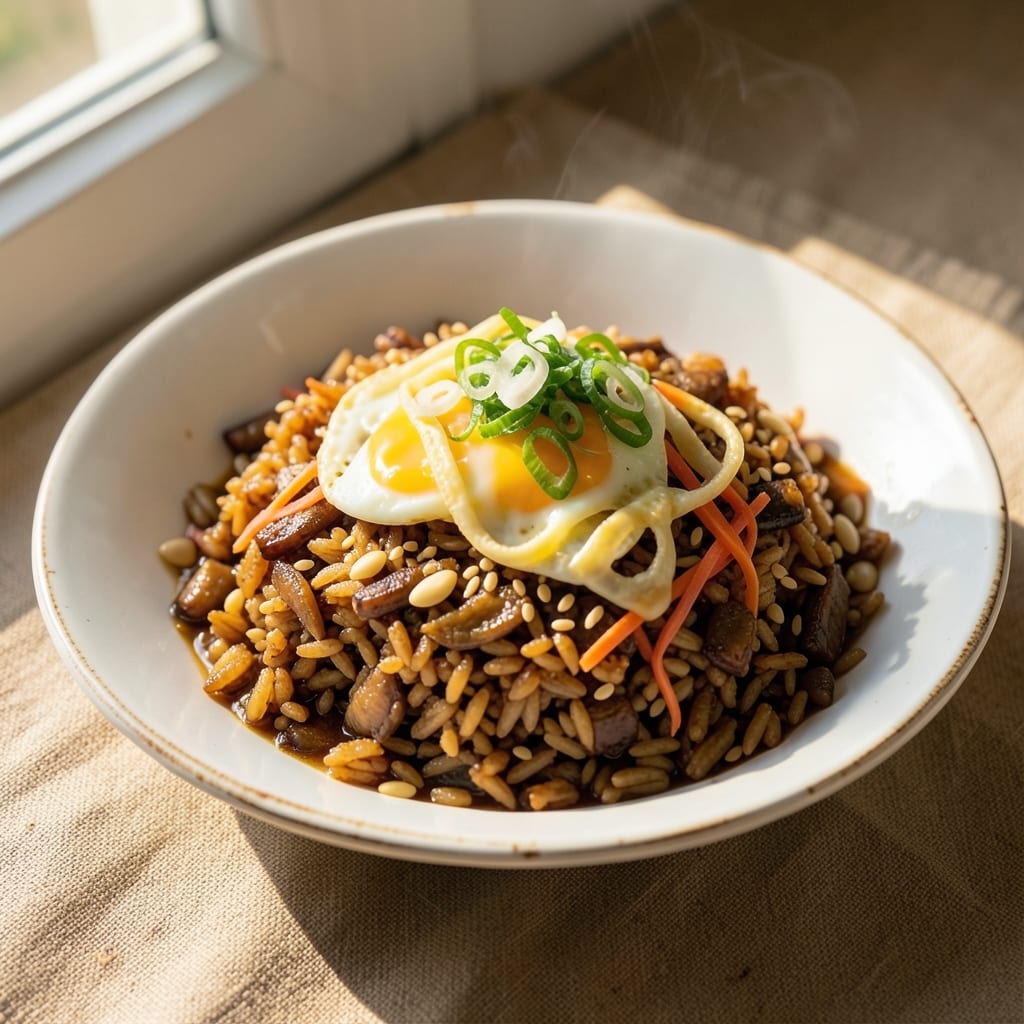
This anchovy fried rice recipe delivers bold umami flavor in just 20 minutes, transforming simple ingredients into a restaurant-worthy dish. The secret lies in properly preparing the anchovies—sautéing them until they dissolve into a rich, savory paste that forms the flavor foundation. This technique elevates ordinary fried rice into something deeply satisfying, with each bite packed with briny depth and aromatic complexity.
What makes this recipe truly special is how it balances texture and flavor—crisp-tender rice, tender scrambled egg, and the unmistakable umami punch from the anchovies. The process is straightforward: cook day-old rice to achieve that perfect texture, build layers of flavor with garlic and ginger, and finish with a quick stir-fry that locks in all the goodness. No complicated techniques required, just precise timing and attention to those flavor-building steps.
By the end, you'll have a dish that's rich yet light, with every component harmonizing perfectly—the salty-sweet anchovies cutting through the rice's mildness, the egg adding protein and creaminess, and the aromatics providing fresh brightness. The result is a plate that's as impressive as it is delicious, perfect for weeknight dinners or when you want to impress without spending hours in the kitchen.
This recipe works beautifully as a standalone meal or as a side to grilled proteins. The anchovy base also makes it incredibly versatile—add shrimp for extra protein, bell peppers for crunch, or a sprinkle of sesame seeds for texture. Let's get cooking with this umami-packed fried rice that delivers restaurant-quality results at home.
Ingredients for anchovy fried rice
Simple ingredients unlock restaurant-quality umami depth in this quick anchovy fried rice.
| Ingredient | Amount | Notes |
|---|---|---|
| Day-Old Cooked White Rice 🍚 | 4 cups | Cold or room temperature preferred |
| Anchovy Fillets 🐟 | 2 tbsp | High-quality, packed in oil |
| Large Eggs 🥚 | 3 whole | Freshly beaten for scrambling |
| Garlic Cloves 🧄 | 4 cloves | Minced for aromatic base |
| Fresh Ginger 🌿 | 1 tbsp | Finely grated, peel removed |
| Green Onions 🧅 | ½ cup | Sliced, white and green parts |
| Vegetable Oil 🫒 | 3 tbsp | High smoke point preferred |
| Soy Sauce 🍶 | 2 tbsp | Light or regular, not low-sodium |
| Sesame Oil 🫒 | 1 tsp | Toasted sesame oil for aroma |
| Salt 🧂 | ½ tsp | Diamond Crystal kosher salt |
| Black Pepper 🌶️ | ¼ tsp | Freshly ground for finish |
| Optional Protein Additions 🦐🍅 | 1 cup | Shrimp, bell peppers, or peas |
The anchovies are non-negotiable here—high-quality, oil-packed fillets from Italian markets or specialty stores dissolve beautifully into a rich paste. Costco or Trader Joe's carry excellent options, but avoid the canned kind with excess salt. Fresh garlic and ginger are essential for that aromatic base; organic varieties from the produce section deliver the most vibrant flavor. The rice must be day-old—fresh rice turns mushy when stir-fried. For the eggs, pasture-raised eggs from the grocery store's refrigerated section yield creamier results. If you're adding shrimp, frozen works fine—just thaw and pat dry before cooking.
No anchovies? High-quality fish sauce (Red Boat brand) at half the volume mimics the umami, though the texture will differ. Swap soy sauce for tamari if gluten-free is a concern, but the depth won't be identical. Fresh ginger too pungent? Ground ginger at one-third the amount works in a pinch, though it lacks the bright zing. The optional protein additions can be anything—bell peppers for crunch, peas for sweetness, or extra shrimp for richness. Prefer a vegetarian version? Mushrooms or tofu hold up well in the stir-fry. For extra crunch, toast sesame seeds in a dry pan before adding them to the finished dish.
Rice keeps best in an airtight container in the fridge for 3-4 days. Anchovy fillets last 6-12 months in the freezer if stored properly in oil. Prep the aromatics ahead—the minced garlic and grated ginger can sit in the fridge for 2 days in a sealed container. The cooked rice reheats beautifully in the microwave, but steam it over boiling water for 2 minutes to restore crispness. This dish tastes even better the next day as flavors meld—double the batch and portion into containers for easy lunches.
Why You'll Love This Recipe
- Pantry Rescue: I keep a stash of anchovies and day-old rice just for this—no shopping trips, no last-minute panic. Toss in whatever veggies you’ve got (or don’t), crack an egg, and you’re golden. Honestly, it’s my go-to when the fridge is bare but the cravings aren’t.
- Umami Bomb: That first crack of garlic and ginger sizzling in the pan? Then the anchovies dissolve into a salty, funky paste—chef’s kiss. The eggs add that creamy contrast, and suddenly, something as simple as rice feels like a restaurant dish. (Yes, even on a Tuesday night.)
- Lunchbox Hero: I double the batch on Sundays because it reheats like a dream—no soggy rice, no sad takeout leftovers. Pack it cold for work or microwave it for a 3-minute dinner. My kids’ favorite? The crispy egg bits sticking to the top. (They’ll fight over the last bite.)
- Budget Magic: Anchovies turn cheap rice into something special without breaking the bank. A single fillet packs more punch than a handful of pricey seasonings, and eggs stretch the whole thing into a filling meal. Between us, this is how I feed my family for under $5. No guilt, all flavor.
Step-by-step instructions for anchovy fried rice
Aromatic, umami-rich fried rice that delivers restaurant-quality texture in record time.
Prepare the Anchovy Base
Heat 2 tablespoons vegetable oil in a wok or large skillet over medium-high heat until shimmering. Add the 2 tablespoons anchovy fillets and cook for 30 seconds until they dissolve completely into the oil. This creates the flavor foundation—don't skip this step, as it develops the signature umami depth.
Next, add the 4 cloves minced garlic and 1 tablespoon finely grated ginger, stirring constantly for 30 seconds until fragrant. You'll smell the aromatic oils release—this is when the base truly comes alive. If the garlic begins to brown too quickly, reduce heat slightly to prevent burning, which would make the dish bitter.
Scramble the Eggs
Push the anchovy mixture to one side of the pan, leaving space for the 3 whole beaten eggs. Pour the eggs into the empty space and let them sit undisturbed for 5 seconds until they begin to set. This creates a firm bottom layer that won't break apart when you fold in the rice later.
Using a spatula, gently fold the eggs from the edges toward the center, creating soft, silky curds. Cook for another 20 seconds until just set but still slightly moist—overcooking will make them rubbery. Remove the eggs from the pan and set aside temporarily. The residual heat will keep them warm while you finish the base.
Stir-Fry the Rice
Add the 4 cups day-old cooked white rice to the wok, breaking up any clumps with your spatula. Stir-fry over high heat for 2-3 minutes until the rice is evenly heated and begins to sizzle. The high heat is crucial here—it prevents the rice from becoming mushy and creates that satisfying crunch.
Add the 0.5 cup sliced green onions and 1 cup optional protein additions (if using), stirring to combine. The green onions will soften slightly but retain their bright color, adding freshness to the dish. If you're using shrimp or peas, cook them for an additional 1 minute until heated through—undercooked protein can make the dish taste raw.
Season and Finish
Return the scrambled eggs to the wok and combine everything with the rice. Add the 2 tablespoons soy sauce, 0.5 teaspoon salt, and 0.25 teaspoon black pepper, stirring vigorously for 1 minute until the sauce is evenly distributed. The rice should look glossy and well-coated—this indicates proper seasoning.
Remove from heat and drizzle with 1 teaspoon sesame oil, tossing gently to distribute. The sesame oil adds a nutty aroma that elevates the dish. Taste and adjust seasoning if needed—fried rice should balance salty, umami, and slightly sweet notes. Serve immediately while still hot and crispy, garnished with additional green onions if desired.
Pro Tips For Making Anchovy Fried Rice
- CRUSH THE ANCHOVIES FIRST: Don’t just toss whole fillets into the pan—they’ll swim instead of dissolve. Mince them finely (or pulse in a food processor) and let them sit in a splash of warm water for 5 minutes first. This softens them into a salty, umami paste that coats every grain of rice evenly. I learned this the hard way after serving a plate where half the anchovies were still whole—now I prep them like this before touching the wok.
- STOP THE RICE FROM STICKING: Cold, clumpy rice is fried rice’s worst enemy. Break up any lumps with your hands first, then spread the rice in a single layer on a baking sheet. Pop it under the broiler for 2-3 minutes to dry the surface slightly—this guarantees crispy edges and prevents a gummy mess. (Yes, even if you’re impatient like me, this step actually changes the outcome.)
- SALT THE EGG WATER: Skip the bland egg scramble by adding ½ teaspoon of salt to the egg mixture before cooking. The salt draws out moisture, creating a tighter curd that browns better and absorbs the anchovy-garlic flavors like a sponge. My grandmother swore by this, and she was right: the eggs stay juicy but crisp at the edges, not rubbery.
- DON’T OVERMIX THE RICE: Once the rice hits the pan, stir just enough to coat it in the anchovy-garlic oil—then let it sit for 10 seconds before stirring again. Overworking it turns fried rice into glue. I was skeptical until I tried it: the rice stays distinct, and you get those prized chewy, separate grains instead of a sad, mushy pile. (Your future self will thank you.)
Common mistakes when making perfect results
Skipping Anchovy Prep
Anchovies are the heart of this dish, so never skip sautéing them first. Those tiny fillets dissolve into a rich, umami paste that forms the flavor foundation. I’ve made this mistake—adding anchovies directly to the rice results in a dish that tastes salty but lacks depth. Always cook them in hot oil for 30 seconds until completely melted. This step transforms ordinary fried rice into something extraordinary. 🔥
Using Fresh Rice
Freshly cooked rice is a fried rice killer because it’s too moist and sticky. The grains will turn mushy when stir-fried, ruining the texture. Always use day-old rice—it’s drier and absorbs flavors better. I keep a batch of cooked rice in the fridge specifically for fried rice. If you must use fresh rice, spread it on a tray and dry it in the oven at 300°F for 10 minutes to mimic day-old texture.
Overcrowding the Pan
Fried rice thrives on high heat and quick cooking. Overcrowding the pan lowers the temperature and steams the rice instead of searing it. I’ve learned this the hard way—when the pan gets too full, the rice turns soggy. Use a 12-inch wok or large skillet and cook in batches if needed. The rice should sizzle and pop as it hits the pan—that’s the sound of perfect texture. 💫
Undercooking the Eggs
Eggs in fried rice should be soft and slightly moist, not fully scrambled. When you remove them too early, they’ll turn rubbery when mixed back in. Let them cook for 20-25 seconds until just set but still slightly runny. I like to remove them briefly while finishing the rice, then fold them back in at the end for that classic texture. If they’re overcooked, the dish loses its creaminess.
Ignoring the Green Onions
Green onions add freshness and color, but they’re often an afterthought. Adding them too early makes them soggy, while adding them too late leaves them raw. I slice them into ½-inch pieces and stir them in during the final 1 minute of cooking. This ensures they soften slightly but retain their bright green color and crisp bite. Don’t skip this step—it’s the finishing touch that makes the dish visually appealing.
Skipping the Sesame Oil
Sesame oil isn’t just for flavor—it’s the aromatic bridge that ties everything together. Adding it at the end coats the rice in a delicate nutty aroma that elevates the dish. I always drizzle 1 teaspoon and toss gently so it distributes evenly. If you’re sensitive to strong flavors, use only ½ teaspoon, but don’t skip it entirely—it’s what makes this fried rice taste restaurant-quality. ✨
Nutrition facts
Frequently asked questions
Can I substitute anchovies with something else?
For a similar umami flavor, use 2 tablespoons fish sauce (like Red Boat brand) instead of anchovies. However, the texture will differ since fish sauce is liquid. Another option is 1 tablespoon soy sauce plus 1 teaspoon dried bonito flakes, but anchovies provide the most authentic depth. Never skip this flavor foundation—it’s what makes this fried rice special!
Why does my fried rice turn out mushy?
Using fresh rice is the #1 cause—it’s too moist and sticky. Always use day-old rice (or dried fresh rice in the oven at 300°F for 10 minutes). Also, avoid overcrowding the pan—cook in batches if needed. High heat is key: the rice should sizzle and pop when it hits the pan, not steam.
How do I make this gluten-free?
Swap regular soy sauce for tamari (a gluten-free soy sauce). For extra depth, add 1 teaspoon gluten-free fish sauce to the anchovy mixture. The flavor won’t be identical, but it’ll still be delicious. Check all other ingredients (like sesame oil) to ensure they’re certified gluten-free if needed.
Can I prep this ahead of time?
Yes! Prep the anchovy-garlic-ginger base ahead and store it in the fridge for 2 days. Also, chop all veggies and proteins in advance. The day of cooking, just reheat the base quickly, then assemble everything fresh. The rice should be cooked the same day—never refrigerate cooked fried rice.
What’s the best way to reheat leftovers?
Reheat in a dry skillet over medium heat for 2-3 minutes, stirring constantly. Add a splash of water if needed to restore crispness. Microwaving works in a pinch, but the texture won’t be as good. For best results, reheat only what you’ll eat immediately—fried rice is best fresh!