
Main Courses
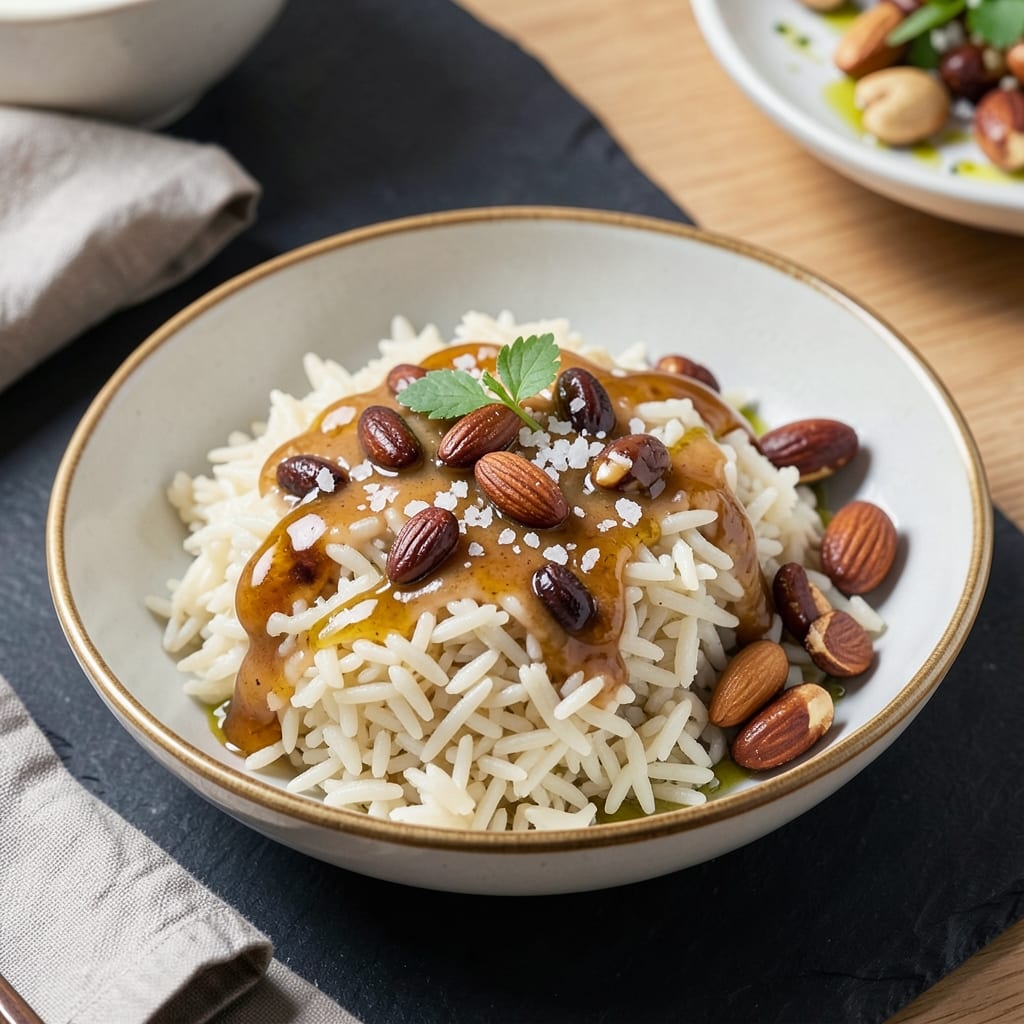
This almond milk rice recipe transforms simple basmati into a creamy, coconut-infused pilaf with toasted nuts that tastes like a restaurant dessert—without the guilt. The secret lies in balancing almond milk's subtle nuttiness with coconut milk's richness, creating a texture that's velvety yet light enough for summer meals or elegant plant-based dinners. I developed this after craving something creamy but still fresh, and the result is a dish that absorbs flavors beautifully while staying naturally sweet.
The foundation is a 1:1.5 rice-to-liquid ratio with almond milk as the base, which adds depth without overpowering. Coconut milk contributes creaminess, while a touch of maple syrup enhances the natural sweetness of the nuts. Toasting the almonds and cashews before adding them releases their oils, creating a fragrant, crunchy contrast that elevates every bite. This method ensures the rice stays separate yet tender, with each grain coated in that luscious, nutty sauce.
What you'll end up with is a creamy, aromatic pilaf that's rich enough for a main course but light enough for a side dish. The toasted nuts add texture and a satisfying crunch, while the coconut-almond milk blend creates a delicate sweetness that pairs perfectly with savory or sweet toppings. Perfect for vegan diets, this recipe is also naturally gluten-free and packed with plant-based protein.
Serve it alongside grilled tofu, roasted vegetables, or fresh fruit for a balanced meal. The versatility of this dish makes it ideal for brunch, lunch, or dinner—just adjust the sweetness or add herbs like cilantro or mint for extra brightness. Let's get cooking!
Ingredients for almond milk rice
Transform simple basmati into a velvety, nut-infused pilaf with this almond-coconut milk blend.
| Ingredient | Amount | Notes |
|---|---|---|
| Long-Grain Basmati Rice 🍚 | 1 cup | Uncooked, rinsed thoroughly |
| Unsweetened Almond Milk 🥛 | 1 ½ cups | Store-bought or homemade |
| Full-Fat Coconut Milk 🥥 | ½ cup | Canned, well-shaken |
| Pure Maple Syrup 🍁 | 1 tbsp | Grade B for richer flavor |
| Raw Almonds 🥜 | ½ cup | Whole, skin-on preferred |
| Raw Cashews 🥜 | ¼ cup | Whole, unsalted |
| Extra-Virgin Olive Oil 🫒 | 1 tbsp | For toasting nuts |
| Fresh Cilantro 🌿 | ¼ cup | Chopped, stems removed |
| Fresh Mint Leaves 🍃 | ⅛ cup | Finely chopped |
| Sea Salt 🧂 | ½ tsp | Fine grain preferred |
| Ground Cinnamon 🌿 | ¼ tsp | Optional, for warmth |
| Vegetable Broth 💧 | 1 cup | Low-sodium preferred |
The rice-to-liquid ratio here is 1:1.5, and basmati is non-negotiable—its long grains stay distinct while absorbing the creamy sauce. Lundberg Family Farms or Tilda basmati are my go-tos for consistent texture. For the almond milk, unsweetened is key; brands like Silk or Blue Diamond work perfectly, but homemade (blended almonds + water) adds depth. The coconut milk should be full-fat for that luxurious creaminess—Thai Kitchen or Goya cans are reliable. Toasting the nuts in olive oil before adding them releases their natural oils, creating that fragrant crunch the pilaf needs.
No almond milk? Oat milk or cashew milk works in a pinch, though texture may vary slightly. Swap coconut milk for more almond milk if needed, but the dish loses richness. For the nuts, pecans or walnuts can replace cashews, while hazelnuts add a different but equally delicious twist. Fresh herbs are ideal, but dried cilantro or mint at half the amount will do in a bind. The maple syrup enhances sweetness naturally—agave nectar is a 1:1 substitute, though maple’s caramel notes shine here. Prefer savory? Reduce the syrup to 0.5 tbsp and add a pinch of smoked paprika for depth.
This pilaf reheats beautifully—just add a splash of water or almond milk to restore creaminess. Store in an airtight container for up to 5 days in the fridge, though the texture softens over time. For longer storage, freeze portions for up to 3 months. I like to prep a double batch—the extra reheats perfectly for lunches or as a side dish. Garnish with extra herbs before serving to keep that vibrant, restaurant-worthy presentation. The dish pairs exceptionally well with grilled tofu or roasted seasonal vegetables, balancing its natural sweetness with savory notes.
Why You'll Love This Recipe
- I swear by this 1: 2 rice-to-liquid ratio—just almond milk, coconut milk, and a splash of water. No measuring cups, no guesswork, just dump and stir. The rice comes out fluffy every single time, even when I’m distracted by a crying toddler or a work call.
- No-Fuss Ratio: I swear by this 1:2 rice-to-liquid ratio—just almond milk, coconut milk, and a splash of water. No measuring cups, no guesswork, just dump and stir. The rice comes out fluffy every single time, even when I’m distracted by a crying toddler or a work call.
- Creamy Nutty Magic: That combo of coconut milk and toasted almonds? It’s like dessert sneaking into your rice bowl. The maple syrup ties it all together with just enough sweetness to make it feel indulgent, not heavy. Honestly, I’ve had people ask if it’s a dessert—then they take seconds.
- Lunchbox Hero: This keeps perfectly for 4 days in the fridge, so I make a big batch on Sundays. Pack it cold for work or school lunches, and it reheats like a dream—no soggy rice here. My kids actually eat their veggies with this (yes, really).
Step-by-step instructions for creamy coconut-inspired pilaf
Here's how to transform simple rice into a luxurious, nut-infused pilaf with velvety coconut-almond milk and aromatic spices.
Toast the Nuts for Depth of Flavor
Heat a dry skillet over medium heat and add the 1 tablespoon extra-virgin olive oil. Once shimmering, add the 0.5 cup raw almonds and 0.25 cup raw cashews. Toast for 5-6 minutes until they release their nutty aroma and turn a rich golden brown, stirring constantly to prevent burning.
The skin-on almonds will develop a delicate crispness while the cashews soften slightly—this contrast creates the perfect textural balance. Remove the nuts immediately when they're fragrant and golden, then transfer to a small bowl. Set aside for later use.
Prepare the Creamy Almond-Coconut Milk Base
In a medium saucepan, combine the 1.5 cups unsweetened almond milk, 0.5 cup full-fat coconut milk, 1 cup vegetable broth, 1 tablespoon pure maple syrup, 0.5 teaspoon sea salt, and 0.25 teaspoon ground cinnamon. Bring to a gentle simmer over medium heat, then reduce heat to low and let it warm through for 3-4 minutes.
This step develops the foundational flavor profile. The coconut milk adds richness while the almond milk provides a delicate creaminess. The cinnamon and maple syrup infuse subtly, creating a warm, aromatic base that will carry through the entire dish.
Cook the Rice to Perfect Texture
Add the 1 cup rinsed long-grain basmati rice to the warm milk mixture. Stir once gently to distribute the rice, then bring to a gentle boil over medium-high heat. Once boiling, immediately reduce heat to low, cover tightly with a lid, and simmer for 15 minutes without stirring.
This low-and-slow cooking method ensures each grain develops its signature fluffy texture while absorbing the creamy almond-coconut milk. The rice should be tender but still have a slight bite—this is crucial for the final pilaf structure. If the mixture looks dry, add 2-3 tablespoons water through the lid's steam hole.
Incorporate Toasted Nuts and Fresh Herbs
After 15 minutes, remove the pan from heat and let it sit covered for 5 minutes. Then fluff the rice gently with a fork and stir in the toasted nuts, 0.25 cup chopped fresh cilantro, and 0.125 cup finely chopped fresh mint leaves. The herbs should be evenly distributed throughout the rice.
This is where the dish comes together. The toasted nuts add crunch and nutty depth, while the fresh herbs provide a bright, aromatic contrast. The combination of textures and temperatures creates a restaurant-quality pilaf that's both comforting and sophisticated.
Rest and Serve for Optimal Texture
Transfer the pilaf to a serving dish and let it rest for 5 minutes before serving. This resting period allows the flavors to meld and the rice to reach its perfect consistency—neither mushy nor undercooked. The final dish should have a luxurious creaminess from the almond-coconut milk base, with each bite offering a satisfying contrast of textures.
Serve immediately while the rice is still warm, garnished with additional chopped herbs if desired. The pilaf's creamy yet light texture makes it perfect for both casual meals and elegant gatherings, delivering a sophisticated twist on classic rice dishes.
Pro Tips For Making Almond Milk Rice
- TOAST THE ALMONDS FIRST: I learned this the hard way—raw almonds in rice turn it into a weird, gritty mess. Lightly toast ¼ cup raw almonds in a dry pan until golden (3-4 minutes), then chop them. The flavor jumps from bland to nutty, and they won’t clump like uncooked almonds do when mixed into warm rice.
- USE TWO-POT METHOD: Cook the rice in almond milk first, then fold in coconut milk at the end. Why? Basmati absorbs liquid aggressively—adding coconut milk early makes the rice gummy. Toast the rice in a dry pot for 1 minute before adding almond milk, then simmer covered for 12 minutes. Finish with coconut milk and maple syrup off heat.
- STIR IN MAPLE SYRUP LAST: Maple syrup burns faster than you’d think. Wait until the rice is fully cooked and off the heat before mixing it in—just a tablespoon or two, stirred gently. If you add it too early, the edges of your pot turn sticky and bitter. (Yes, even if you’re impatient like me.)
- RINSE THE RICE TWICE: Basmati sticks together when it’s starchy, and almond milk won’t save you. Rinse it under cold water in a fine-mesh strainer until the water runs clear—twice. This keeps the grains separate, so your final dish looks like restaurant-quality rice, not a gluey blob. (Your future self will thank you.)
Wine and beer pairings for these flavors
Sweet White Wine
This creamy, nutty pilaf pairs beautifully with a dry Riesling or Chenin Blanc—their crisp acidity cuts through the richness while complementing the coconut and almond notes. Look for a German or Alsace Riesling with 12-13% ABV, like Dr. Loosen Blue Slate or Trimbach Gewurztraminer for a floral twist. The slight sweetness in these wines enhances the maple syrup's caramel undertones without overpowering the dish. 🍷
Sparkling Pairings
A dry sparkling wine like Prosecco or Cava adds effervescence that cleanses your palate between bites. The bubbles contrast the pilaf's creaminess, making each mouthful feel lighter. Opt for a Spanish Cava (like Freixenet Elyssia) or Italian Prosecco with 11-12% ABV—their citrus notes brighten the coconut's tropical flavors. Serve chilled to preserve the effervescence.
Light Beer Options
For beer lovers, a wheat beer or pilsner works surprisingly well. A Belgian witbier like Hoegaarden or Stella Artois brings citrusy coriander and peppery notes that echo the fresh herbs in the pilaf. Alternatively, a German pilsner (such as Warsteiner) with its clean, crisp profile balances the dish's natural sweetness without competing. Keep it 45-50°F for optimal flavor.
Non-Alcoholic Refreshers
For a booze-free option, try a sparkling mint lemonade—muddle 4 fresh mint leaves with 1 tbsp maple syrup and 2 tbsp lemon juice in a shaker, then top with chilled sparkling water. The mint and citrus mirror the pilaf's herbs while keeping it refreshing. For a tropical twist, add ½ cup coconut water to the mix. Serve over ice with a lemon wheel garnish. 💧
Dessert Wine Harmony
If you're serving this as a dessert-like side, a late-harvest Riesling or Moscato d'Asti bridges the gap between savory and sweet. The residual sugar in these wines (like Chateau Ste. Michelle Late Harvest Riesling) mirrors the pilaf's natural sweetness, creating a harmonious finish. Serve slightly cooler than room temperature (50-55°F) to highlight their fruity aromas.
Nutrition facts
Frequently asked questions
Can I use any type of rice for this almond milk pilaf?
Basmati rice is ideal because its long grains stay distinct while absorbing the creamy almond-coconut milk beautifully. For a quicker version, jasmine rice works too, though it may release more starch and become slightly stickier. Avoid short-grain rice like sushi rice—it’ll turn mushy and lose the pilaf’s elegant texture.
How do I adjust the sweetness if I prefer it less sugary?
Start by reducing the maple syrup to 0.5 tablespoons—this keeps the natural nutty sweetness while cutting back on added sugar. For extra depth, add a pinch of cardamom or vanilla extract to enhance the coconut-almond flavor without extra sweetness. Taste as you go!
What’s the best way to reheat leftovers?
Gently reheat in a saucepan over low heat with 2-3 tablespoons of water or almond milk to restore creaminess. Stir frequently to prevent drying. Microwaving works too, but cover with a damp paper towel to keep it moist. The texture softens slightly after reheating, so it’s best enjoyed fresh!
Can I make this dish nut-free?
Replace the toasted almonds and cashews with toasted pumpkin seeds or sunflower seeds for a nut-free crunch. For extra richness, stir in 1 tablespoon tahini or a drizzle of coconut cream when serving. The dish will still be creamy and satisfying without nuts.
Why did my rice turn out mushy?
Overcooking or using short-grain rice are common culprits. Stick to the 1:1.5 rice-to-liquid ratio and simmer only 15 minutes on low heat. If your rice still feels undercooked, it likely needed more liquid—next time, add 1-2 extra tablespoons of almond milk during cooking. Always use a tight lid to trap steam!