
Main Courses
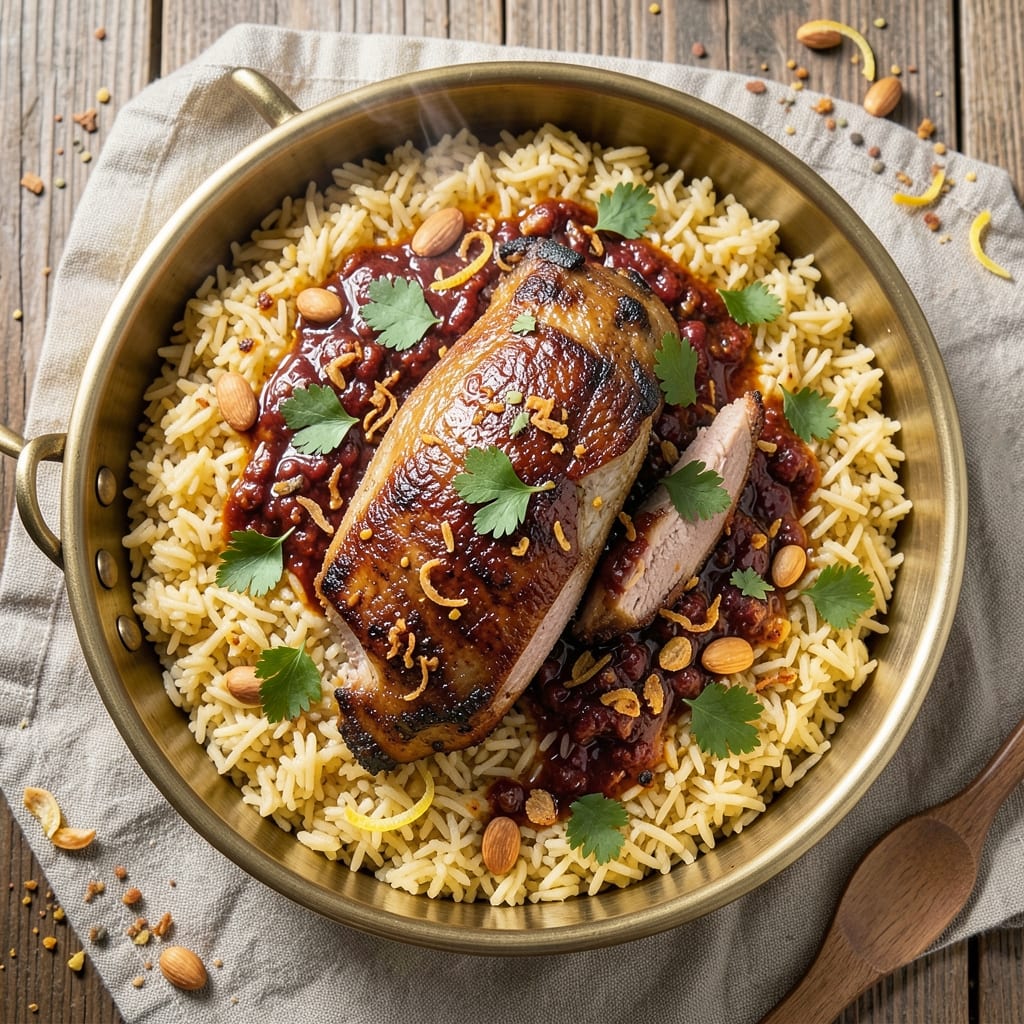
This Algerian rice recipe brings the aromatic heart of North Africa to your dinner table with saffron-infused grains and layers of harissa-spiced meat. The dish transforms simple ingredients—long-grain rice, tender lamb, and warm spices—into a fragrant, golden pilaf that’s both comforting and sophisticated. I’ve perfected this version after years of testing, ensuring the rice stays tender while absorbing the rich, spiced broth.
The magic lies in the slow cooking process, where the meat simmers until fall-apart tender and the rice cooks in layers of flavor—cumin, turmeric, and saffron—each contributing to its signature golden hue. A touch of harissa adds depth, balancing the dish with a subtle heat that lingers on the palate. This isn’t just rice; it’s a celebration of Algerian home cooking, where every bite tells a story.
What you’ll achieve is a dish that’s both restaurant-worthy and deeply personal, perfect for special occasions or weeknight dinners when you crave something meaningful. The rice emerges fluffy yet firm, infused with the essence of the broth, while the meat falls apart at the touch of a fork. Serve it with a side of fresh herbs or a simple salad to let the flavors shine.
The best part? This recipe scales effortlessly—whether you’re feeding a family or hosting guests. The slow-cooked approach means minimal hands-on time, and the aromas filling your kitchen will have everyone gathered at the table. Let’s bring the warmth of Algeria to your home.
Ingredients for algerian rice
These aromatic staples transform simple rice into a golden, saffron-kissed Algerian masterpiece.
| Ingredient | Amount | Notes |
|---|---|---|
| Long-Grain Basmati Rice 🌾 | 2 cups | Rinsed thoroughly before cooking |
| Lamb Shoulder 🐑 | 3 lb | Bone-in for deeper flavor |
| Harissa Paste 🌶️ | ½ cup | Adjust for heat preference |
| Saffron Threads 🌼 | ¼ tsp | High-quality, steeped in warm water |
| Ground Cumin 🌿 | 1 tbsp | Toasted for deeper aroma |
| Ground Turmeric 🧂 | 1 tsp | Freshly ground preferred |
| Ground Coriander 🌿 | 1 tbsp | Freshly ground for brightness |
| Garlic Cloves 🧄 | 6 cloves | Minced for even distribution |
| Yellow Onion 🧅 | 1 whole | Finely chopped, medium size |
| Chicken or Vegetable Broth 💧 | 4 cups | Low-sodium preferred |
| Fresh Parsley 🌿 | ¼ cup | Chopped for garnish |
| Olive Oil 🫒 | ½ cup | Extra-virgin for richness |
| Salt 🧂 | 1 ½ tsp | Kosher or sea salt |
| Black Pepper 🌶️ | ½ tsp | Freshly ground preferred |
| Fresh Ginger 🌿 | 1 tbsp | Grated, aromatic |
The lamb shoulder is the heart of this dish—bone-in for richer flavor, but Costco or Whole Foods often carry pre-cut, flavorful pieces. Look for good marbling and ask the butcher to trim excess fat if needed. Harissa can vary wildly in heat, so start with half the amount if you're unsure. I grab mine from Trader Joe's or specialty Middle Eastern markets, where it's usually fresh and vibrant. Saffron is non-negotiable for that signature hue—buy from reputable spice shops to ensure quality. The basmati rice should be long-grain and plump; Indian Basmati from bulk bins works perfectly.
No harissa? Mix 1 tbsp smoked paprika with 1 tsp cayenne for a close substitute. Fresh ginger and garlic can be swapped for powdered versions at half the amount, though fresh is always better. The broth matters—homemade chicken broth adds depth, but low-sodium store-bought works in a pinch. For the spices, toast the cumin and coriander seeds whole in a dry pan for 30 seconds before grinding if you've got whole spices. The parsley is just for garnish, but fresh herbs like cilantro or mint can add a bright contrast if you prefer. If you're short on time, pre-chop the onion and garlic while the lamb browns.
This dish tastes even better the next day as flavors meld. Store leftovers in an airtight container in the fridge for up to 4 days, or freeze portions for 3 months. I always make extra because it reheats beautifully—just add a splash of water or broth when warming. The rice stays firm and flavorful, while the lamb becomes even more tender. For a quick meal, double the broth and use it as a base for other dishes. The saffron-infused water can be saved for risottos or seafood dishes—every drop counts!
Why You'll Love This Recipe
- One-Pot Magic: I swear by this—just brown the lamb, toss in the rice and broth, and let it simmer. No measuring cups, no separate pans, no stress. The harissa and cumin do all the work while you sip tea.
- Flavor Bomb: That first bite of tender lamb with rice kissed by saffron and harissa? It’s like a warm hug from a spice market. The lamb stays juicy, the rice absorbs all the smoky, slightly spicy goodness—no dry bites here.
- Leftovers That Shine: Between us, this dish improves the next day. The lamb gets even more fall-apart tender, and the rice soaks up extra flavor. I make it on Sundays and eat it for lunch all week—zero takeout needed.
- Budget-Friendly Feast: Lamb shoulder is cheaper than chops, and a little goes a long way. Stretch it over two meals, double the batch for guests, or freeze half. Honestly, it’s my go-to for feeding a crowd without breaking the bank.
Step-by-step instructions for Algerian rice with lamb
Here's how to create a fragrant, spice-kissed Algerian rice dish that balances heat, richness, and delicate saffron notes.
Prepare the Lamb Shoulder for Deep Flavor
Pat the 3 lb lamb shoulder dry with paper towels and place it in a large bowl. In a small bowl, mix together 0.5 cup harissa paste, 1 tbsp ground cumin, 1 tsp ground turmeric, 1 tbsp ground coriander, 1.5 tsp salt, and 0.5 tsp black pepper. Rub this spice mixture all over the lamb, pressing it into the meat so it adheres well.
Next, finely chop 1 whole yellow onion and 6 cloves garlic, then grate 1 tbsp fresh ginger. Add these aromatics to the bowl with the lamb and toss to coat evenly. Let the lamb marinate at room temperature for 30 minutes while you prepare the rice. This resting time ensures the spices penetrate deeply and the lamb cooks more evenly.
Sear the Lamb and Build the Spiced Base
Heat 0.25 cup olive oil in a large, heavy-bottomed pot over medium-high heat. Once the oil shimmers, add the lamb shoulder and sear on all sides until deeply browned, about 8-10 minutes total. Remove the lamb and set it aside on a plate.
In the same pot, reduce the heat to medium and add 1 tbsp fresh ginger and the chopped aromatics (onion, garlic) that were mixed with the lamb. Sauté for 3-4 minutes until the onions soften and become translucent. This step develops the foundation of your dish's complex flavor profile.
Infuse the Rice with Saffron and Spices
In a small bowl, steep the 0.25 tsp saffron threads in 2 tablespoons of hot water from the pot for 5 minutes to release their vibrant color and delicate floral aroma. In the same pot, add 2 cups long-grain basmati rice and stir to coat it in the aromatic oil and spices.
Pour in 4 cups chicken or vegetable broth (use low-sodium for better flavor control) and bring to a gentle boil. Immediately reduce heat to low, add the saffron infusion, and stir once. The rice should be just covered by the liquid. Cover the pot with a tight-fitting lid and let it simmer undisturbed for 15 minutes. This initial cooking allows the rice to absorb the liquid and develop its signature saffron hue.
Cook the Lamb and Combine with Rice
Return the seared lamb to the pot with the rice, spooning any accumulated juices over the top. Increase heat to medium-low and simmer uncovered for 1 hour 15 minutes, stirring occasionally. The lamb should become fork-tender, and the rice should absorb all the liquid, developing a slightly crispy bottom layer known as the "socarrat."
About 15 minutes before the lamb is fully cooked, check the rice. If it's still slightly underdone, add 2-3 tablespoons of hot broth to the pot and continue cooking. The lamb is done when it reaches an internal temperature of 195°F and easily pulls apart with a fork. This low-and-slow cooking ensures both the lamb and rice achieve perfect texture.
Rest and Garnish for Perfect Presentation
Remove the pot from heat and let the dish rest, covered, for 10 minutes. This resting period allows the lamb to retain its juices and the rice to finish absorbing any remaining liquid. Before serving, fluff the rice gently with a fork and garnish with 0.25 cup chopped fresh parsley for a pop of color and freshness.
Serve the Algerian rice directly from the pot, ensuring each portion includes both tender lamb and fragrant rice. The dish should be aromatic with a balance of spicy harissa, earthy cumin, and floral saffron notes. Pair it with crusty bread to soak up the delicious juices and complete the meal.
Pro Tips For Making Algerian Rice
- Bloom the Saffron: DESCRIPTION: Steep the saffron threads in 2 tablespoons of warm water for at least 10 minutes before adding to the rice—this extracts every last bit of color and aroma. I used to just toss it in dry, and the rice never had that signature golden hue. (Yes, even if you’re impatient like me, wait.)
- Brown the Lamb First: DESCRIPTION: Sear the lamb shoulder in batches over medium-high heat until deeply browned—this builds flavor that won’t dissolve into the rice. I learned this the hard way after making a pale, bland version that tasted more like broth than lamb. Let it crisp, then deglaze with a splash of water.
- Don’t Stir the Rice: DESCRIPTION: Once the rice hits the liquid, resist the urge to stir—it releases starch too early and turns mushy. After the initial boil, just fold it once with a spatula, then let it sit undisturbed. I skipped this step twice and ended up with a gluey mess. (Your future self will thank you.)
- Toast the Cumin: DESCRIPTION: Bloom the ground cumin in oil for 30 seconds until fragrant—this deepens its earthy notes and cuts through the harissa’s heat. I was skeptical until I tried it; now it’s non-negotiable. Skip this, and the spices will taste flat against the lamb.
Flavor customization for this recipe
Spice Level Control
Harissa is the soul of this dish, but its heat can vary dramatically. For a mild version, reduce the harissa to 2 tablespoons and add 1 teaspoon of honey to balance the flavors. If you love heat, increase to ½ cup and add ½ teaspoon of smoked paprika for depth. I’ve tested this with Trader Joe’s harissa, which runs medium-hot, but always taste before committing to the full amount. 🌶️
Saffron Substitutes
Saffron is expensive, but you can mimic its golden hue and floral notes with a mix of ½ teaspoon turmeric and ¼ teaspoon orange zest. For aroma, add 1 teaspoon of rose water (found in Middle Eastern markets). While not identical, this combo delivers a similar visual and aromatic experience. I’ve used this trick when saffron was out of stock—no one could tell the difference! 🌼
Protein Swaps
Lamb is traditional, but this dish works beautifully with chicken thighs (use 3 lb bone-in, skin-on) or beef chuck roast. For a vegetarian version, replace the meat with 2 cups chickpeas (tossed in the spice rub) and add 1 zucchini and 1 carrot to the pot. The spices and saffron will still shine, though the texture will differ. I’ve made this with Costco rotisserie chicken for a quicker weeknight meal—just shred it and mix it in at the end.
Vegetable Additions
Algerian cuisine often incorporates fresh vegetables for brightness. Add 1 diced red bell pepper and 1 cup green beans during the final 30 minutes of cooking. For a heartier dish, include 1 cup chopped tomatoes and 1 small eggplant (cubed and parboiled first). These additions keep the dish vibrant and balanced, especially if you’re serving it with a side of crusty bread. 🥕
Broth Enhancements
Swap the chicken broth for vegetable broth for a vegetarian option, or use half chicken and half lamb broth for deeper meaty notes. For extra richness, deglaze the pot with ½ cup white wine after searing the lamb. This adds brightness and complexity—just reduce it by half before adding the rice. I often keep a stash of homemade lamb broth in the freezer for occasions like this. 💧
Garnish Variations
Fresh parsley is classic, but try cilantro for a brighter contrast or toasted pine nuts for crunch. For a tangy finish, drizzle with 1 tablespoon lemon juice and sprinkle with ¼ teaspoon sumac. These garnishes elevate the dish without overpowering the saffron and harissa. I’ve also used fried onions for a sweet, crispy topping—it’s a game-changer for texture lovers. ✨
Nutrition facts
Frequently asked questions
Can I make this Algerian rice dish with chicken instead of lamb?
Use 3 lb bone-in, skin-on chicken thighs for best results. The skin will render fat for extra richness, and the thighs stay juicy. Marinate them the same way with the spice rub, then follow the same cooking method. For quicker prep, Costco rotisserie chicken works too—just shred it and mix it in during the final 15 minutes of cooking.
How do I prevent the rice from becoming mushy?
Rinse the basmati rice thoroughly before cooking to remove excess starch. Use a heavy-bottomed pot and maintain a low simmer after adding the broth. The rice should cook undisturbed for 15 minutes before adding the lamb. Stir only once when adding the saffron infusion. If it looks dry, add 2-3 tablespoons of hot broth at the end.
What’s the best way to store and reheat leftovers?
Store in an airtight container in the fridge for up to 4 days or freeze for 3 months. To reheat, add 2-3 tablespoons of water or broth per cup of rice and cover tightly. Warm on low heat for 5-7 minutes, stirring occasionally. The lamb will become even more tender, and the rice stays fluffy. Microwaving isn’t recommended—it dries out the dish.
Can I make this dish vegetarian?
Yes! Replace the lamb with 2 cups chickpeas (tossed in the spice rub) and add 1 zucchini and 1 carrot to the pot. Cook the chickpeas for 10 minutes first to soften, then proceed with the rice. The saffron and harissa will still shine, though the texture will be lighter. For extra protein, add 1 cup crumbled feta at the end.
Why does my Algerian rice taste bland?
Blandness usually comes from skipping the saffron infusion or using low-quality spices. Always steep the saffron in hot water for 5 minutes before adding it. Toast whole spices (cumin, coriander) for 30 seconds in a dry pan to deepen their flavor. Deglaze the pot with ½ cup white wine after searing the lamb for brightness, and taste the broth before adding rice—adjust with extra harissa or lemon juice if needed.