
Main Courses
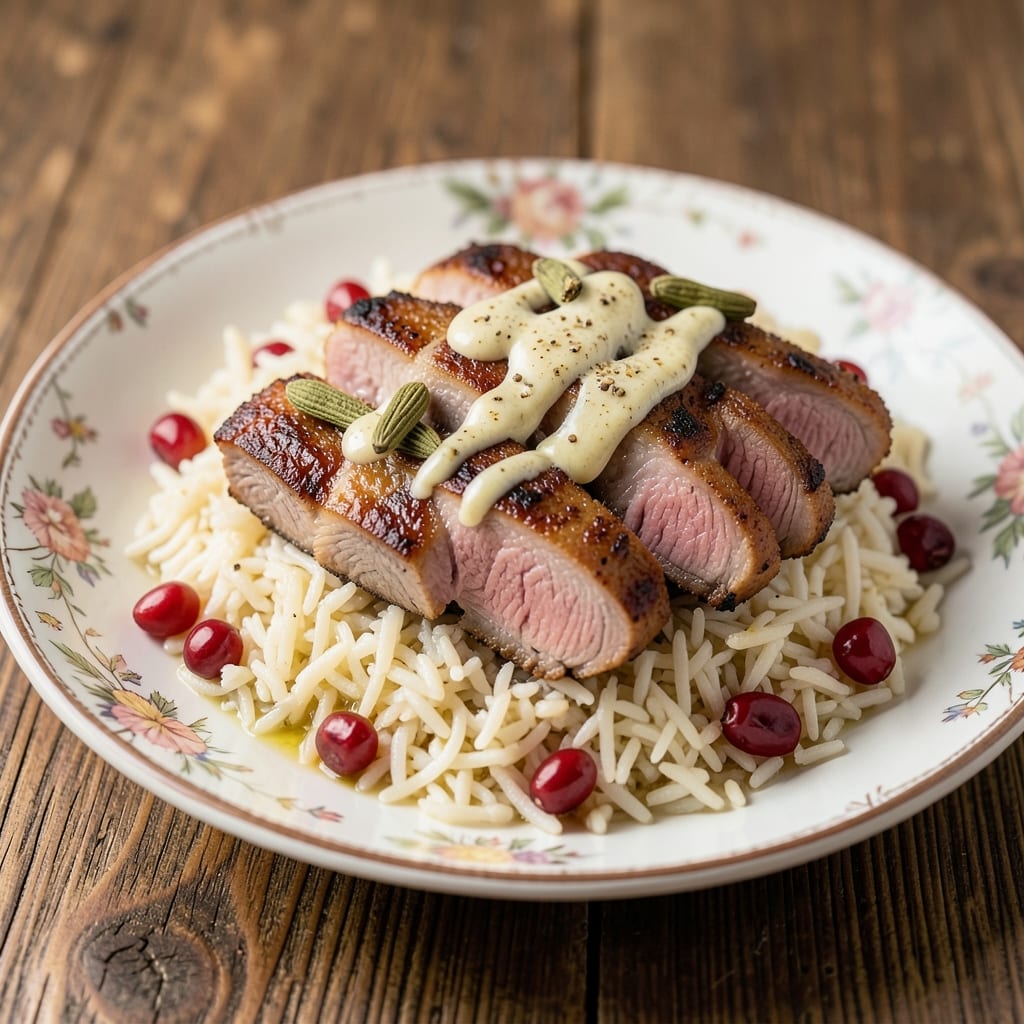
This one-pot Akni Rice brings the heart of South Asian kitchens to your table with its aromatic blend of toasted spices, tender lamb, and fragrant basmati rice. The dish’s secret lies in tempering whole spices in hot oil until they sing, releasing flavors that infuse every grain of rice and bite of meat. What makes this recipe special is its simplicity—just one pot, minimal cleanup, and layers of warmth from barberry and cumin that linger long after the last bite.
The process begins with toasting the rice until golden, a step that deepens its nutty flavor and prevents mushiness. Lamb, marinated in yogurt and spices, cooks slowly in the same pot, absorbing the rich, earthy aromas of the dish. The barberry adds a subtle tartness that cuts through the richness, while cumin and cardamom create a fragrant backbone. This is comfort food at its finest—heartier than biryani but easier to prepare, with every spoonful telling a story of tradition and home.
By the time you serve this dish, your kitchen will smell like a bustling South Asian home, and your guests will be transported to a table where generations have gathered. The rice emerges separate yet perfectly cooked, each grain distinct, while the lamb stays tender and infused with the spice blend. Garnish with fresh cilantro and a squeeze of lemon for brightness, and you’ve created a meal that’s as satisfying as it is elegant.
Perfect for family dinners, special occasions, or when you crave a dish that feels both familiar and extraordinary. The one-pot method ensures minimal effort without sacrificing authenticity—just let the spices and lamb work their magic while you prepare the rest of the meal. Here’s how to bring this classic to life in your kitchen.
Ingredients for akni rice
Toasted spices, tender lamb, and fragrant rice—this one-pot wonder delivers South Asian warmth with minimal cleanup.
| Ingredient | Amount | Notes |
|---|---|---|
| Basmati Rice 🍚 | 1 cup | Uncooked, long-grain preferred |
| Lamb Shoulder 🥩 | 1 ½ lb | Boneless, cut into 1-inch pieces |
| Plain Yogurt 🥛 | ½ cup | Full-fat for richness |
| Barberry 🍇 | ¼ cup | Dried, or substitute dried cranberries |
| Ground Cumin 🌿 | 1 tbsp | Toasted for deeper flavor |
| Green Cardamom Pods 🌿 | 8 whole | Lightly crushed |
| Bay Leaves 🍃 | 2 whole | Fresh preferred |
| Cinnamon Sticks 🌿 | 2 whole | 1-inch pieces |
| Black Cardamom Pods 🌿 | 2 whole | Optional, for smoky depth |
| Vegetable Oil 🫒 | ½ cup | High smoke point |
| Fresh Cilantro 🌿 | ¼ cup | Chopped, for garnish |
| Lemon Juice 🍋 | 1 tbsp | Freshly squeezed |
| Salt 🧂 | 1 ½ tsp | Kosher or sea salt |
| Black Pepper 🌶️ | ½ tsp | Freshly ground |
The spices are where the magic happens. Cardamom and cumin should be toasted in the oil until fragrant—this releases their oils and deepens the flavor. Whole spices are key here; ground versions won't give the same punch. For barberry, Indian or Middle Eastern markets usually carry it dried, but dried cranberries in a pinch work too (though less tart). Lamb shoulder stays tender when cut into even pieces—ask your butcher to trim it if needed. The yogurt should be full-fat for that creamy texture, and plain Greek yogurt works best if you can't find South Asian varieties.
No barberry? Dried cranberries or even raisins add sweetness, but you'll lose that signature tartness. Running short on cardamom? Allspice or a pinch of clove can help, but it won't be identical. Fresh bay leaves beat dried for aroma, but dried in a pinch is fine. For the oil, ghee or clarified butter adds richness, but vegetable oil works perfectly if you're keeping it vegetarian. The rice needs to toast until golden—don't rush this step, or it'll turn mushy later. And if you're feeling adventurous, add a pinch of saffron for extra luxury.
This dish tastes even better the next day, so make extra if you can. Store leftovers in an airtight container for 3-4 days in the fridge, or freeze portions for up to 3 months. The rice stays separate and fluffy if you let it cool slightly before serving. Garnish with cilantro and lemon just before eating—the acidity cuts through the richness and keeps everything vibrant. For meal prep, cook a double batch and portion into containers for easy lunches all week.
Why You'll Love This Recipe
- One-Pot Wonder: I swear by this recipe when I’m too tired to juggle three pots. The lamb and rice simmer together—no separate boiling, no sticky rice mess—just rich, fragrant layers that taste like they cooked all day (even though they didn’t).
- Tangy Depth Bomb: That yogurt and barberry combo? It’s the secret weapon. The yogurt softens the lamb into melt-in-your-mouth tenderness, while the barberries add a bright, almost citrusy pop that cuts through the richness. Honestly, it’s the kind of flavor balance that makes you pause mid-bite.
- Leftover Goldmine: This dish actually improves the next day. The lamb gets even more tender, the rice soaks up all the juices, and the spices deepen. I portion it out for lunches all week—pack it cold or reheat it gently, and it’s still a showstopper.
- Budget-Friendly Feast: Lamb shoulder might sound fancy, but it’s one of the most affordable cuts when you cook it slow. A single shoulder stretches to feed four, and the rice and spices cost pennies. Between us, this is my go-to when I want to feel fancy without breaking the bank.
Step-by-step instructions for akni rice
Here's how to make this fragrant Persian one-pot dish with tender lamb and nutty basmati rice.
Sear the Lamb Shoulder in Vegetable Oil
Heat the 0.5 cup vegetable oil in a heavy-bottomed pot over medium-high heat until shimmering. Add the 1.5 lb lamb shoulder cut into 1-inch pieces and sear for 5-6 minutes, stirring occasionally, until the meat develops a deep golden brown crust. This step locks in flavor and prevents dry lamb.
Here's the thing—don't crowd the pot. Work in batches if needed, but give each piece room to brown properly. You'll know it's ready when the edges are caramelized and the meat releases easily from the pan. Once seared, remove the lamb and set it aside on a plate.
Toast the Spices and Cook the Barberry
In the same pot (no need to wipe it clean—those browned bits are flavor gold), reduce heat to medium and add the 1 tbsp ground cumin, 8 whole green cardamom pods, 2 whole bay leaves, 2 whole cinnamon sticks, and 2 whole black cardamom pods. Toast for 1 minute until fragrant—you'll smell that warm, earthy aroma filling your kitchen.
Add the 0.25 cup barberry and cook for another 2 minutes, stirring constantly, until the berries soften slightly and release their tart-sweet flavor. This step builds the aromatic base that will infuse the entire dish. If the spices start to darken too quickly, reduce heat to low to prevent burning.
Layer and Simmer the Rice and Lamb
Return the seared lamb to the pot. Stir in the 1 cup basmati rice, ensuring each piece is lightly coated with the spice mixture. Pour in 2 cups water (just enough to cover the rice) and bring to a gentle boil. Once boiling, reduce heat to low, cover tightly with a lid, and simmer for 20 minutes without disturbing.
This is where patience pays off. The rice will absorb the liquid and cook through while the lamb becomes fork-tender. You'll know it's ready when the rice is tender and the liquid has been absorbed, leaving the bottom slightly crispy. If the rice seems underdone after 20 minutes, add ¼ cup hot water and continue cooking for another 5 minutes.
Finish with Yogurt and Fresh Herbs
Remove the pot from heat and stir in the 0.5 cup plain yogurt, 1.5 tsp salt, and 0.5 tsp black pepper. The yogurt will create a creamy, tangy finish that balances the rich lamb and spiced rice. Let the dish sit covered for 5 minutes to allow the flavors to meld.
Before serving, fluff the rice gently with a fork and stir in the 0.25 cup fresh cilantro and 1 tbsp lemon juice. The bright acidity of the lemon cuts through the richness, while the cilantro adds a fresh, herbal note. Taste and adjust seasoning if needed—this is your chance to perfect the balance of flavors.
Rest and Serve with Confidence
Let the akni rice rest for 10 minutes before serving. This resting period allows the juices to redistribute, ensuring each bite is moist and flavorful. Serve directly from the pot, as it's designed to be a one-pot meal, or transfer to a serving dish if preferred.
This dish is best enjoyed hot, with the aromatic spices and tender lamb melting in your mouth. The barberry adds a delightful tartness that cuts through the richness, while the yogurt finish keeps it from being too heavy. Pair with a simple green salad or warm flatbread to complete the meal.
Pro Tips For Making Akni Rice
- Sear the Lamb First: Don’t skip browning the lamb shoulder before slow cooking—this builds flavor that yogurt and barberries can’t mask. I learned this the hard way: pale lamb tastes bland, no matter how long you simmer.
- Toast the Cumin Dry: Warm the ground cumin in a dry pan for 30 seconds until it smells nutty—this deepens its aroma. Skipping this step means your rice will taste like spice powder instead of actual cumin.
- Soak the Barberries: Rinse and soak the barberries in warm water for 10 minutes to remove excess tannins. My grandmother swore by this, and she was right: dry, bitter berries ruin the dish’s balance.
- Use Whole Yogurt, Not Greek: Plain whole-milk yogurt adds creaminess without curdling—Greek yogurt is too thick and can separate. I was skeptical until I tried it: the texture stays smooth, and the lamb stays tender.
Troubleshooting your akni rice
Rice Turns Mushy
If your rice ends up mushy, it’s usually from overcooking or insufficient toasting. First, make sure you toast the rice in the oil until it’s golden brown—this builds a protective crust. If you’re using a heavy pot, reduce heat to low after boiling and keep the lid on tightly. The rice should absorb the liquid in 20 minutes; if it’s still undercooked, add ¼ cup hot water and cook for another 5 minutes. Avoid lifting the lid too often, as steam escape causes uneven cooking. 💡
Lamb Too Dry
Dry lamb often means it was overcooked or not seared properly. Always sear the lamb first to lock in moisture, and cut it into even 1-inch pieces for consistent cooking. After adding the rice and water, simmer on low heat—never high—to prevent evaporation. If the lamb seems tough, try adding 2 tbsp yogurt at the end to tenderize it. Also, avoid overcrowding the pot during searing. 🥩
Spices Burn Quickly
Whole spices burn faster than you think! Reduce heat to medium-low once they start to sizzle, and stir constantly to prevent scorching. Toast spices for just 1 minute—any longer risks bitterness. If they darken too quickly, remove them from the pot and set aside, then return once cooled slightly. For extra insurance, toast spices in a dry pan first before adding oil. 🌿
Barberry Not Tart Enough
If your barberry lacks tang, it might not have cooked long enough. Stir-fry it for 2-3 minutes until softened, and ensure it’s dried (fresh barberry is rare). For a sweeter alternative, use dried cranberries or raisins, but reduce to ¼ cup to avoid overpowering the dish. If you’re using cranberries, simmer them longer to concentrate their flavor. 🍇
Rice Sticks Together
Clumpy rice usually means too much liquid or insufficient toasting. After cooking, fluff the rice gently with a fork to separate grains. If it’s still sticking, spread it on a tray and let it cool slightly before serving. For next time, toast the rice longer in the oil and use 2 cups water (not more) for 1 cup rice. A splash of lemon juice at the end also helps refresh the texture. 🍚
Lack of Aroma
Weak spice aroma often means under-toasting or stale spices. Always use fresh whole spices—ground versions lose potency quickly. Toast them in the oil until fragrant (1 minute max), and don’t skip the barberry step, as it adds depth. If your kitchen doesn’t smell amazing, the spices need more time or higher heat. For extra punch, add a pinch of saffron or a dash of rose water at the end. ✨
Nutrition facts
Frequently asked questions
What makes Akni Rice different from biryani?
Akni Rice is simpler and less layered than biryani—it’s a one-pot dish where rice and lamb cook together in a single pot with minimal layering. While biryani often features multiple layers of rice, meat, and spices, Akni Rice relies on slow simmering to infuse flavors evenly. The yogurt finish also sets it apart, adding creaminess that biryani typically lacks.
Can I substitute lamb with chicken or beef?
Chicken works well (use 1.5 lbs boneless thighs), but beef requires longer cooking (1.5 lbs chuck, simmer for 30 minutes). For chicken, reduce simmering time to 15 minutes after adding rice. Beef benefits from an extra 10 minutes of low heat to tenderize.
How do I know when the rice is perfectly cooked?
The rice is done when it’s tender but still slightly firm to the bite, with no liquid left in the pot (20 minutes total). Test by pressing a grain—it should hold its shape but feel soft. If it’s undercooked, add ¼ cup hot water and cook for 5 more minutes. Overcooked rice turns mushy, so timing is key!
Is barberry essential, or can I skip it?
Barberry adds signature tartness, but you can substitute ¼ cup dried cranberries or raisins if unavailable. For extra zing, add 1 tsp lemon zest or a pinch of sumac. Just reduce sweetness by halving the amount—barberry’s tartness balances the dish’s richness.
Why does my Akni Rice taste bland?
Blandness usually means under-toasted spices or insufficient searing. Always toast spices in oil until fragrant (1 minute), and sear the meat until deeply browned. For extra depth, add a pinch of saffron or a dash of rose water at the end. Fresh spices and high heat are non-negotiable!