
Main Courses
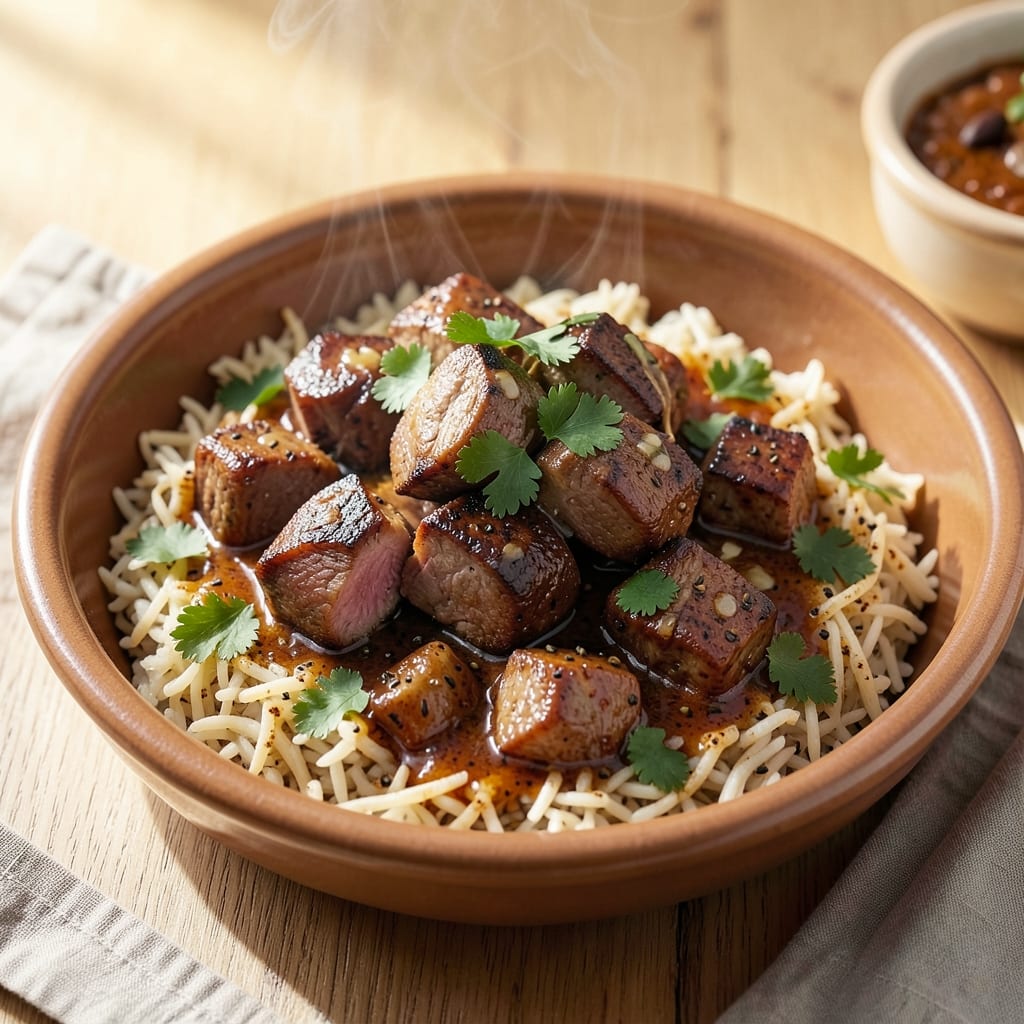
This Arabic lamb and rice recipe transforms a simple one-pot meal into a fragrant, tender masterpiece that transports you to the heart of the Middle East. The secret lies in marinating the lamb with warm spices like cumin, coriander, and cinnamon—each layer of flavor building as it slow-cooks with fragrant basmati rice. I developed this method after years of perfecting the balance between rich, spiced meat and perfectly fluffy rice, ensuring every bite delivers both texture and depth.
The beauty of this dish is its simplicity: one pot, minimal cleanup, and maximum impact. The lamb becomes fork-tender while absorbing the aromatic marinade, while the rice cooks in the same pot, infused with the lamb's juices and subtle saffron threads. This is the kind of meal that smells like home before it even hits the table, with warm spices that linger long after the last bite. The technique is foolproof—ideal for weeknight dinners or special occasions when you want restaurant-quality results without the fuss.
What you'll achieve is a dish that's as visually stunning as it is delicious—golden-brown lamb pieces resting on a bed of fragrant, slightly nutty rice. The spices create a complex harmony of warmth and brightness, while the rice remains separate yet infused with the lamb's essence. Garnish with toasted pine nuts and fresh parsley for added texture and color, and serve with a side of yogurt sauce to balance the richness. This recipe is designed to impress, whether you're feeding a family or hosting guests.
Perfect for meal prepping or last-minute gatherings, this lamb and rice dish scales beautifully and tastes even better the next day. The flavors deepen as it rests, making it an ideal make-ahead option. Here's how to create this aromatic, comforting classic in your own kitchen.
Ingredients for arabic lamb and rice
One-pot magic with lamb, rice, and spices that transport your kitchen to the Middle East.
| Ingredient | Amount | Notes |
|---|---|---|
| Lamb Shoulder 🐑 | 2 lb | Bone-in for flavor, cut into 1.5-inch cubes |
| Basmati Rice 🍚 | 1 cup | Long-grain, uncooked |
| Ground Cumin 🌿 | 1 tbsp | Toasted for deeper aroma |
| Ground Coriander 🌿 | 1 tbsp | Freshly ground preferred |
| Ground Cinnamon 🌿 | ½ tsp | Ceylon if available |
| Cardamom Pods 🌿 | 6 whole | Lightly crushed |
| Saffron Threads 🌼 | ¼ tsp | High-quality, soaked in 1 tbsp warm water |
| Onion 🧅 | 1 whole | Medium, finely chopped |
| Garlic Cloves 🧄 | 6 cloves | Minced |
| Tomato Paste 🍅 | 2 tbsp | No-salt-added preferred |
| Chicken Broth 💧 | 2 cups | Low-sodium, homemade or quality store-bought |
| Extra-Virgin Olive Oil 🫒 | ¼ cup | For searing lamb |
| Plain Yogurt 🥛 | ½ cup | Full-fat, unsweetened |
| Fresh Parsley 🌿 | ¼ cup | Chopped, for garnish |
| Pine Nuts 🥜 | ¼ cup | Toasted, for garnish |
| Salt 🧂 | 1 ½ tsp | Diamond Crystal kosher salt |
| Black Pepper 🌶️ | ½ tsp | Freshly ground |
The lamb is the star—bone-in shoulder delivers the most flavor and stays tender. Look for well-marbled cuts at Whole Foods or your local butcher. If you're buying a whole shoulder, ask them to cut it into 1.5-inch cubes for even cooking. The spices? Penzeys or bulk bins at Middle Eastern markets have the freshest ground cumin and coriander—non-negotiable for that authentic depth. Cardamom pods should be plump and aromatic; if they smell dusty, toss them. Saffron is worth the splurge—look for Iranian saffron at specialty stores, it's far superior to the cheap stuff.
No cardamom? Double the cinnamon and add a pinch of nutmeg. Short on saffron? Turmeric at one-third the amount gives color (though not the same flavor). The yogurt can be Greek or regular—just make sure it's full-fat for creaminess. Pine nuts are pricey, but walnuts or almonds toasted with a pinch of sugar work perfectly. The tomato paste is key—Rao's or Barilla are my go-tos, but any no-salt-added brand works. If you're making this ahead, the lamb can marinate overnight in the spices, yogurt, and a splash of broth—just don't skip the sear before slow cooking.
This dish tastes even better the next day—flavors meld beautifully when reheated. Store in an airtight container for 4-5 days in the fridge or freeze portions for 3 months. I always make extra rice because it's perfect for lunches or rice bowls later in the week. Garnish with parsley and pine nuts right before serving—those toasted nuts add crunch and make it look restaurant-worthy. The lamb stays juicy if you reheat it gently with a splash of broth or water.
Why You'll Love This Recipe
- I’ll be real: this feeds a crowd without the fuss. Double the batch for leftovers that taste even better reheated, or serve it at your next potluck—it’s fancy enough for company but easy enough for a Tuesday. (Yes, even on a Tuesday night.)
- One-Pot Magic: That lamb shoulder and rice cooking together? It’s basically a self-cleaning dish. Just brown the meat, toss in the spices—cumin, coriander, cinnamon—and let it simmer. No separate pots, no extra pans, just one aromatic, hands-off meal.
- Spice Bomb Flavor: Honestly, the way those ground spices—especially that toasty cinnamon—soak into the lamb? It’s like a warm hug for your taste buds. The rice absorbs all the richness, turning every bite into something dangerously addictive.
- Weeknight to Weekend: I’ll be real: this feeds a crowd without the fuss. Double the batch for leftovers that taste even better reheated, or serve it at your next potluck—it’s fancy enough for company but easy enough for a Tuesday. (Yes, even on a Tuesday night.)
Step-by-step instructions for Arabic lamb and rice
Here's how to create a fragrant, one-pot masterpiece with tender lamb and perfectly cooked rice.
Sear the Lamb for Deep Flavor
Heat a large, heavy-bottomed pot over medium-high heat and add the ¼ cup extra-virgin olive oil. Once shimmering, add the 2 lb lamb shoulder cut into 1.5-inch cubes in a single layer, working in batches if needed. Don't crowd the pan—this ensures a good sear.
Let each piece develop a deep golden crust for 3-4 minutes per side until richly browned. You'll smell the meat releasing its natural juices and hear the satisfying sizzle. This step builds the foundation for your dish's complex flavor. Once all pieces are seared, remove them from the pot and set aside.
Build the Spice Base
In the same pot, reduce heat to medium and add the 1 whole finely chopped onion. Cook for 5-6 minutes until softened and translucent. Add the 6 minced garlic cloves and cook for another 30 seconds until fragrant.
Stir in the 2 tbsp tomato paste, 1 tbsp ground cumin, 1 tbsp ground coriander, ½ tsp ground cinnamon, and 6 lightly crushed cardamom pods. Cook for 1 minute until the spices are toasted and aromatic. This aromatic base will infuse the entire dish with warmth.
Simmer the Lamb with Saffron
Return the seared lamb to the pot. Pour in the 2 cups chicken broth and bring to a gentle boil. Reduce heat to low and cover partially, leaving a small gap for steam to escape. Let it simmer for 1 hour until the lamb is fork-tender.
About 15 minutes before the lamb is done, stir in the 1 cup basmati rice and the ½ tsp saffron threads soaked in 1 tbsp warm water. The rice will absorb the rich lamb broth while cooking. You'll know it's ready when the rice is tender and the lamb pulls apart easily with two forks.
Finish with Yogurt and Garnishes
Remove the pot from heat and stir in the ½ cup plain yogurt until smoothly incorporated. This adds a cooling contrast to the rich lamb. Season with 1.5 tsp salt and ½ tsp black pepper to taste, adjusting as needed.
Garnish with ¼ cup chopped fresh parsley and ¼ cup toasted pine nuts for texture and freshness. The pine nuts should be lightly toasted in a dry pan until fragrant and golden. Serve immediately while the lamb is still juicy and the rice is perfectly tender.
Pro Tips For Making Arabic Lamb And Rice
- SEAR THE LAMB FIRST: Get that pan smoking hot—I mean actual smoke, not just steam—before adding the lamb shoulder. A deep, dark crust locks in flavor and keeps it juicy later, especially when you’re slow-cooking it. I used to skip this, and the lamb always tasted bland no matter how much spice I threw in.
- TOAST THE SPICES DRY: Heat your ground cumin, coriander, and cinnamon in the same pan you seared the lamb—just until they smell like a spice shop exploded (about 30 seconds). This wakes up their flavors and cuts through the richness of the lamb fat. My grandmother swore by this, and she was right: the rice actually tastes like it’s supposed to.
- DON’T OVERCOOK THE RICE: Once the rice is tender, immediately turn off the heat and let it sit covered for 5 minutes—no peeking. Arabic rice needs that steam time to finish cooking evenly. I learned this the hard way when I rushed it and ended up with dry, separate grains instead of that perfect, fragrant clump.
- USE LAMB FAT FOR RICE: After browning the lamb, pour off most of the fat but leave about 2 tablespoons in the pot—it’s liquid gold for the rice. The fat infuses the grains with depth, and you won’t need extra oil. (Yes, even if you’re impatient like me.) The rice will taste richer, and you’ll save yourself a trip to the pantry.
Storing and reheating your leftovers
Fridge Storage Tips
Let your lamb and rice cool to room temperature for 30 minutes before storing. Transfer to an airtight container—I love using Glasslock containers—and refrigerate for up to 4 days. The flavors actually deepen overnight as the spices meld with the lamb juices. Store the rice and lamb separately if possible to prevent sogginess. 💫
Freezer-Friendly Method
For long-term storage, freeze portions in quart-sized freezer bags with 1 inch of headspace for expansion. Label with the date—this dish keeps quality for 3 months. When reheating from frozen, add 2-3 tablespoons of water or broth per serving to restore moisture. I always freeze individual servings for easy grab-and-go meals.
Stovetop Reheating
My preferred method is stovetop reheating for even texture. Cover the dish with a damp paper towel and heat on low-medium for 10-15 minutes, stirring occasionally. Add 2-3 tablespoons of water or broth if it looks dry. The lamb should reach 165°F internal temperature—use a meat thermometer to check. This gentle method preserves the lamb's tenderness. 🔥
Microwave Safety
For quick reheating, use 50% power in 2-minute intervals, stirring between each interval. Cover with a microwave-safe lid or damp paper towel to retain moisture. Add 1 tablespoon of water per serving to prevent drying. The lamb will be ready when it reaches 165°F—about 4-6 minutes total. Let it rest for 2 minutes before serving to redistribute juices.
Garnish Refresh
Always add fresh garnishes after reheating. Toast ¼ cup pine nuts in a dry pan for 2 minutes until golden and sprinkle on top. Add 2 tablespoons chopped parsley for brightness. The contrast between warm spices and fresh herbs makes reheated lamb taste like it was just made. Serve with extra yogurt sauce on the side for dipping. ✨
Nutrition facts
Frequently asked questions
What's the best cut of lamb for this Arabic recipe?
Use bone-in lamb shoulder for the most flavor and tenderness. The bone adds depth to the broth while keeping the meat juicy. If you prefer boneless, opt for lamb chuck or leg—both stay tender when slow-cooked. Never use lean cuts like lamb loin, as they dry out in the spices.
Can I substitute basmati rice with another type?
Yes, but basmati is ideal for its fragrant, nutty flavor that pairs perfectly with the spices. Use jasmine rice as a close substitute, or long-grain white rice in a pinch. Avoid short-grain rice like sushi rice—it becomes too sticky and mushy. For extra fluffiness, rinse any rice before adding to the pot.
How do I adjust the recipe for a larger crowd?
Double all ingredients and use a 6-quart Dutch oven for even cooking. For 8 servings, increase lamb to 4 lbs and rice to 2 cups. Cook time remains similar—just monitor the lamb's tenderness. Keep the rice-to-broth ratio the same (1:2) to prevent dryness. The spices can be scaled up proportionally too.
What if I don't have saffron? Can I skip it?
You can skip saffron, but it adds beautiful color and subtle floral notes. Replace with ½ tsp turmeric for color (though less aromatic) or ¼ tsp orange zest for brightness. The dish will still taste amazing—saffron is more about presentation than flavor. If using turmeric, add it with the other spices at the start.
Why did my lamb turn out dry?
Overcooking is the most common cause—lamb should be fork-tender, not shredding. Use a meat thermometer and remove it at 195°F internal temp (it'll rise to 203°F while resting). Another issue could be using lean cuts or not searing the lamb first. Always brown the meat well to lock in juices.