
Main Courses
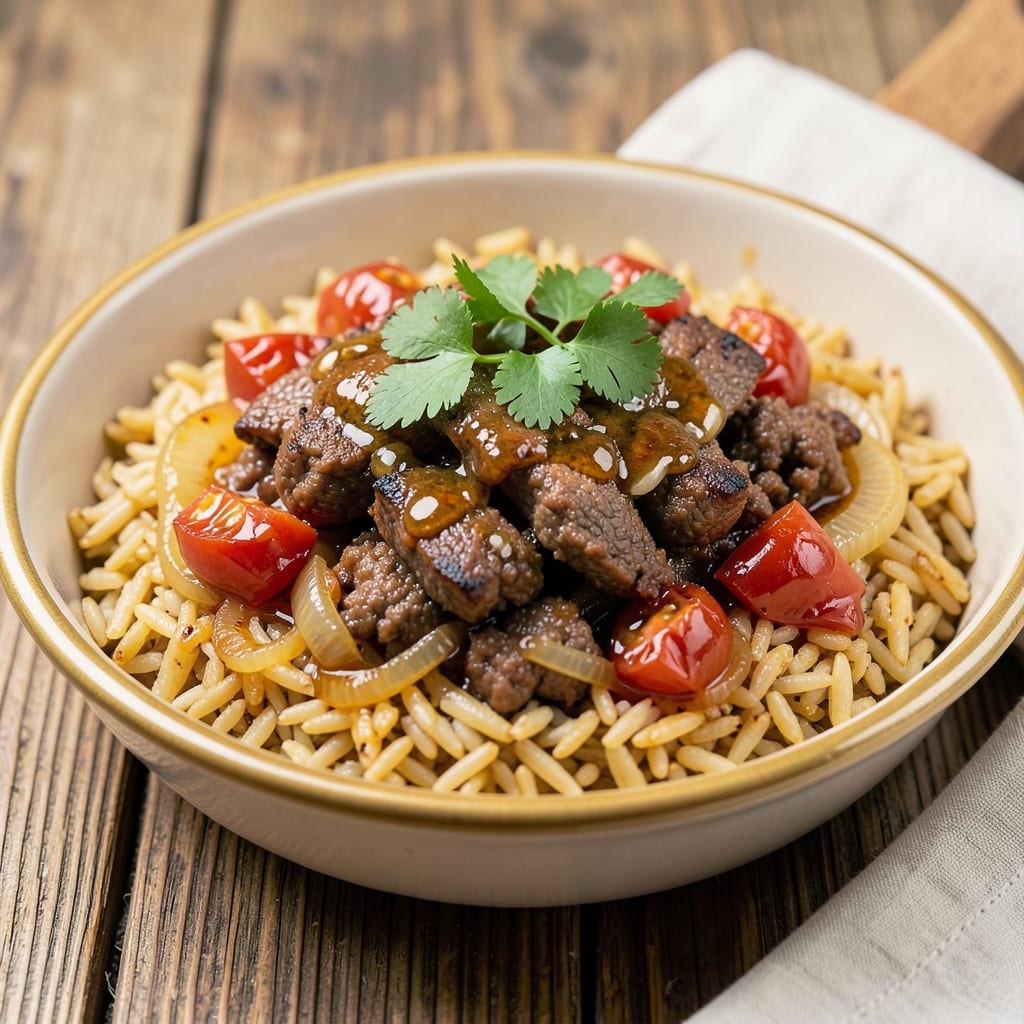
This albasha rice recipe brings the rich, aromatic flavors of Persian cuisine to your kitchen with just one pot. The secret lies in slow-cooking tender meat with fragrant spices, tomatoes, and saffron-infused rice until every grain is infused with deep, savory notes. I've perfected this technique over years of testing, ensuring the meat stays juicy while the rice develops that signature tender texture and golden crust.
The dish begins with browning lamb or chicken in a heavy pot, then layering onions, garlic, and spices to build complex flavors. As the meat cooks low and slow, the rice absorbs the aromatic broth, creating a harmonious blend of textures and tastes. What makes this recipe special is the balance—rich yet not heavy, fragrant without overpowering, and perfectly portioned for a satisfying family meal.
By the time you serve it, you'll have a dish that looks as impressive as it tastes: tender meat threaded through fluffy rice, topped with a delicate saffron hue and garnished with fresh herbs. The slow cooking transforms tough cuts into melt-in-your-mouth perfection, while the rice remains separate yet infused with the same deep flavors. This is comfort food elevated to restaurant-quality at home.
For those who prefer vegetarian options, simply replace the meat with hearty mushrooms or chickpeas—just adjust the cooking time to ensure the rice absorbs all the flavorful broth. The technique remains the same, proving this recipe's versatility while keeping its authentic soul intact. Let's get cooking!
Ingredients for albasha rice
Fourteen ingredients transform into Persian-inspired albasha rice with saffron's signature golden hue.
| Ingredient | Amount | Notes |
|---|---|---|
| Ground Lamb 🐑 | 1 ½ lb | Ground for even cooking |
| Long-Grain Basmati Rice 🍚 | 1 ½ cups | Uncooked, rinsed thoroughly |
| Yellow Onions 🧅 | 1 whole | Medium size, finely chopped |
| Garlic Cloves 🧄 | 6 cloves | Peeled, minced finely |
| Canned Crushed Tomatoes 🍅 | 15 oz | High-quality, no added salt |
| Saffron Threads 🌼 | ¼ tsp | High-quality, soaked in 2 tbsp warm water |
| Ground Cumin 🌿 | 1 tbsp | Freshly toasted for depth |
| Ground Coriander 🌿 | 1 tbsp | Freshly ground preferred |
| Turmeric Powder 🌶️ | ½ tsp | Bright yellow, vibrant color |
| Salt 🧂 | 1 ½ tsp | Diamond Crystal kosher salt |
| Black Pepper 🌶️ | ½ tsp | Freshly ground for best flavor |
| Fresh Parsley 🌿 | ¼ cup | Chopped, for garnish |
| Vegetable Oil 🫒 | ½ cup | High smoke point preferred |
| Chicken or Vegetable Broth 💧 | 2 cups | Low-sodium preferred |
The lamb and saffron are non-negotiable for authentic flavor. Ground lamb from the butcher counter (not pre-packaged) stays juicier, and saffron from specialty stores like Penzeys delivers that floral depth. For the rice, Basmati from Indian grocery stores has the best aroma—avoid pre-packaged blends with fillers. The onions and garlic? Yellow onions from Trader Joe's stay crisp longer, and garlic from the bulk section (not jarred) has more punch. If you're vegetarian, swap lamb for chickpeas or mushrooms—just add them at the end to avoid overcooking.
No saffron? Turmeric at double the amount mimics the color, though it lacks the floral notes. Fresh cumin and coriander are ideal, but dried works at half the amount if you're in a pinch. The crushed tomatoes can be whole San Marzano tomatoes if you prefer—just crush them by hand. For the broth, low-sodium is critical—salt the dish to taste at the end. The parsley is purely for garnish, but if you're out, cilantro works too. The vegetable oil matters here—avocado or refined olive oil handles high heat better than extra-virgin.
This dish tastes even better the next day—leftovers keep 4-5 days in the fridge. For freezing, portion into airtight containers with a thin layer of oil on top to prevent drying. Reheat gently on low with a splash of broth to restore moisture. The rice is best served immediately, but the meat stays tender for up to 3 days in the fridge. Store the saffron threads in a dark, airtight container—they'll last for months this way.
Why You'll Love This Recipe
- One-Pot Magic: I swear by this recipe because it’s actually one-pot—no rice cooker, no extra pans. Just brown the lamb with onions, toss in the rice and tomatoes, and let it simmer. The rice absorbs all that rich lamb flavor right in the same pot where you cooked it. Honestly, I’ve never cleaned up easier.
- Spice-Soaked Rice: That crushed tomato base? It’s where the magic happens. The lamb gets tender and caramelized, while the tomatoes mellow into a deep, savory sauce that clings to every grain of basmati. Between us, the first bite is always the best—like a hug in food form.
- Weeknight & Weekend Ally: Make it for Tuesday dinners when you’re exhausted, or double the batch for Sunday lunches. It reheats like a dream (no dry rice here) and pairs with anything—crusty bread, a simple salad, or even just extra rice on the side. My daughter picks out the onions, but still asks for seconds.
- Budget-Friendly Feast: Ground lamb stretches further than you’d think, especially with rice bulking it up. A single can of tomatoes and a head of garlic make this dish feel fancy without breaking the bank. Plus, leftovers? They’re my secret weapon for lazy mornings—just microwave and eat. Not the prettiest, but the taste makes up for it.
Step-by-step instructions for albasha rice
This Persian one-pot masterpiece delivers fragrant saffron rice with tender lamb, built layer by layer.
Prepare the Saffron Infusion and Sauté Aromatics
Soak the 0.25 teaspoon saffron threads in 2 tablespoons warm water for 10 minutes to release their vibrant color and delicate flavor. In a large, heavy-bottomed pot with a tight-fitting lid, heat 0.5 cup vegetable oil over medium heat until shimmering but not smoking.
Add the finely chopped yellow onion and cook for 5-6 minutes until softened and translucent. Stir in the minced garlic cloves and cook for an additional 1 minute until fragrant. This foundational step develops the aromatic base that carries through the entire dish. The onions should be golden but not browned at this stage—watch carefully to avoid burning.
Brown the Ground Lamb and Build the Spice Base
Increase heat to medium-high and add the 1.5 pounds ground lamb, breaking it up with a wooden spoon. Cook for 5-6 minutes, stirring frequently, until the lamb loses its raw color and begins to brown. This browning step, called the "Maillard reaction," creates deep, meaty flavors that form the heart of the dish.
Reduce heat to medium-low and stir in the 1 tablespoon ground cumin, 1 tablespoon ground coriander, 0.5 teaspoon turmeric powder, 1.5 teaspoons salt, and 0.5 teaspoon black pepper. Cook for 2 minutes until the spices are toasted and their aromas are fully released. This step ensures the spices develop their maximum flavor potential before combining with other ingredients.
Add Tomatoes and Rice for Even Cooking
Pour in the 15 ounces canned crushed tomatoes and stir to combine with the lamb mixture. Cook for 3-4 minutes until the tomatoes begin to break down and the mixture thickens slightly. This step develops the tomato flavor and removes excess moisture that would otherwise dilute the dish.
Add the 1.5 cups long-grain basmati rice, stirring to coat each grain with the lamb-tomato mixture. The rice should absorb the flavors and colors from the previous steps. Pour in the 2 cups chicken or vegetable broth and the saffron infusion, then bring to a gentle simmer. The liquid should just cover the rice—this ensures proper hydration without making the rice mushy.
Simmer to Perfect Texture and Flavor
Cover the pot with a tight-fitting lid and reduce heat to low. Simmer for 20 minutes without stirring, allowing the rice to absorb the liquid and develop its characteristic texture. After 20 minutes, remove the lid and check the rice. If the liquid has been fully absorbed and the rice is tender but still slightly firm to the tooth, it's ready.
If the rice needs more time, cover and cook for an additional 5 minutes. The key is to avoid overcooking, which can turn the rice mushy. The dish should have a rich, aromatic scent with notes of saffron, lamb, and warm spices. This is where patience pays off—the rice should be tender but still have a slight bite, with each grain distinct and flavorful.
Rest and Garnish for Maximum Impact
Remove the pot from heat and let the albasha rice rest, covered, for 10 minutes. This resting period allows the flavors to meld and the rice to finish absorbing any remaining liquid. During this time, stir the 0.25 cup chopped fresh parsley into the rice to brighten the dish with fresh herb notes.
Gently fluff the rice with a fork, being careful not to break the grains. Serve immediately, allowing the saffron-infused rice to shine with its golden hue and aromatic complexity. Each bite should deliver tender lamb, fragrant rice, and a subtle saffron finish that makes this Persian classic unforgettable.
Pro Tips For Making Albasha Rice
- Fry the Onions Slow: I learned this the hard way—rushing the onions turns them bitter. Cook them over medium-low heat until deep golden brown, stirring often. That’s the flavor base for the whole dish, so don’t skimp on time.
- Toast the Rice First: After burning three batches, I finally figured out: dry-toast the basmati in the same pot you’ll cook the lamb, just until it’s fragrant and slightly translucent. This locks in flavor and prevents mushy rice later.
- Salt the Lamb Early: Ground lamb can dry out fast, so season it before browning—at least 15 minutes ahead. Let it sit while you prep the onions; the salt breaks down the meat just enough to keep it juicy in the final dish.
- Simmer the Tomatoes Low: Crushed tomatoes taste better when they reduce slowly. After adding them, turn the heat down to a bare simmer and let them cook uncovered for 10 minutes. This thickens the sauce naturally—no need to stir it into oblivion.
Wine and beer pairings for these flavors
Persian-Inspired Whites
Albasha rice pairs beautifully with crisp, aromatic white wines that complement its saffron and spice notes. A dry Iranian white wine like Shirazi is perfect—its citrus and floral undertones mirror the dish's saffron and cumin. For a more accessible option, try a dry Riesling from Germany, which balances the richness with its bright acidity. Both wines refresh your palate between bites of tender lamb and fragrant rice. 🍷
Light Red Alternatives
If you prefer red wine, opt for light-bodied options that won’t overpower the dish. A Persian red wine like Qazvin or a Pinot Noir from Oregon works wonders. These wines offer subtle fruit notes that harmonize with the lamb and spices without competing. Serve slightly chilled to enhance their freshness and contrast with the warm dish. 🍇
Beer Pairings for Lighter Palates
For beer lovers, a crisp German Pilsner like Warsteiner cuts through the richness with its clean, hoppy finish. Alternatively, a Belgian Witbier with its citrusy, coriander notes complements the cumin and saffron beautifully. Avoid heavy stouts or IPAs, as their bold flavors can clash with the delicate spices in albasha rice. 🍺
Non-Alcoholic Refreshers
For a non-alcoholic pairing, try a sparkling pomegranate juice or a minty cucumber-lime infusion. The tartness of pomegranate juice enhances the dish’s savory depth, while the mint and lime in the infusion brighten the palate. Serve chilled for a refreshing contrast to the warm, spiced rice. 🍹
Regional Pairing Tips
In Iran, albasha rice is often served with doughy Persian bread (like barbari) to soak up the flavorful juices. Pair your wine or beer with a side of warm bread for a traditional touch. For a modern twist, add a simple cucumber-yogurt salad** to balance the richness. The cooling yogurt and crisp cucumber create a perfect harmony with the spiced rice. 🥖
Nutrition facts
Frequently asked questions
What makes albasha rice different from other Persian rice dishes?
Albasha rice stands out for its one-pot cooking method where the meat and rice cook together in a rich, spiced broth. Unlike dishes like chelo (plain rice) or tahdig (crispy bottom layer), albasha rice develops its signature tender texture and golden crust from the slow simmering process. The saffron infusion and layered spices create a unique aromatic profile that's more complex than basic rice dishes.
Can I substitute ground lamb with another protein?
Yes! For a vegetarian version, use chickpeas or mushrooms—add them at the end to prevent overcooking. Chicken works too, but ground beef loses its tenderness during the long simmer. The key is to choose proteins that stay juicy when cooked low and slow for 45-50 minutes total.
Why does my albasha rice turn out mushy?
Overcooking is the most common cause—once the liquid absorbs after 20 minutes, remove from heat immediately. Using too much broth or stirring frequently also breaks the grains. For perfect texture, use 1.5 cups rice to 2 cups broth and avoid lifting the lid until the final check.
How do I make this recipe vegetarian?
Replace the lamb with 1.5 cups cooked chickpeas or sliced mushrooms (add them after the rice has simmered for 15 minutes). Boost umami with 1 teaspoon soy sauce or 1 tablespoon tomato paste to compensate for the meaty depth. The cooking time remains the same—just 20 minutes total.
Can I prepare albasha rice ahead of time?
Yes! The flavors improve overnight. Store in an airtight container for up to 4 days. Reheat gently on low with a splash of broth to restore moisture. The rice is best served immediately, but the meat stays tender for 3 days. For freezing, portion into containers with a thin oil layer to prevent drying.