
Main Courses
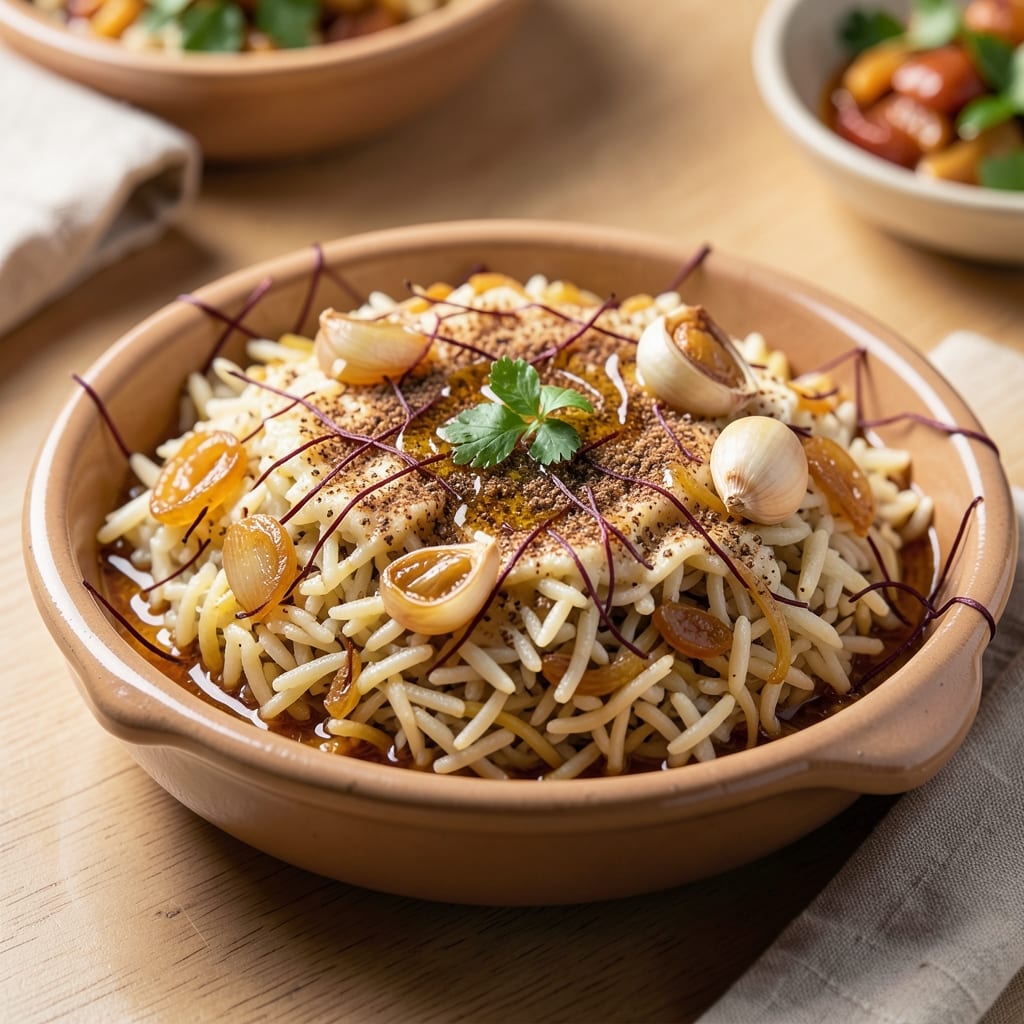
This Arabic saffron rice recipe transforms simple grains into a fragrant, golden masterpiece—where delicate saffron threads and warm spices create harmony in every bite. The secret lies in toasting whole spices until they release their aromatic oils, then infusing them with saffron for that signature golden hue and subtle floral depth. I’ve perfected this technique over years of testing, balancing traditional methods with modern shortcuts to deliver restaurant-quality results at home.
The foundation begins with aromatic onions and garlic, gently cooked until caramelized, then layered with cumin, turmeric, and cinnamon for warmth. Saffron, soaked in warm water, releases its vibrant color and earthy sweetness, while long-grain basmati rice absorbs the flavors as it steams to perfect tenderness. The result is a dish that’s both elegant and comforting—ideal for special occasions or weeknight dinners when you crave something extraordinary.
What makes this recipe special is its versatility. Serve it as a standalone centerpiece with grilled lamb or chicken, or pair it with roasted vegetables and a cooling yogurt sauce. The fragrant steam alone will fill your kitchen with the essence of the Middle East, while the delicate balance of spices and saffron makes every mouthful unforgettable. This is the kind of dish that transforms a simple meal into a celebration.
The key to success lies in patience—allowing the spices to bloom and the saffron to infuse deeply. With just a few simple ingredients and careful technique, you’ll create a dish that’s as visually stunning as it is delicious. Let’s bring the flavors of the Arab world to your table.
Ingredients for arabic saffron rice
Golden rice starts with simple grains and aromatic spices—no exotic ingredients needed.
| Ingredient | Amount | Notes |
|---|---|---|
| Long-Grain Basmati Rice 🍚 | 1 ½ cups | Uncooked, rinsed thoroughly |
| Yellow Onion 🧅 | 1 whole | Medium, thinly sliced |
| Garlic Cloves 🧄 | 4 cloves | Peeled, minced finely |
| Ground Cumin 🌿 | 1 tbsp | Freshly toasted preferred |
| Ground Turmeric 🌶️ | ½ tsp | Bright yellow color |
| Ground Cinnamon 🌿 | ½ tsp | True cinnamon, not cassia |
| Saffron Threads 🧡 | ¼ tsp | High-quality, whole threads |
| Warm Water 💧 | ¼ cup | For soaking saffron |
| Chicken Broth 🍲 | 2 cups | Low-sodium preferred |
| Unsalted Butter 🧈 | 2 tbsp | Cold, cubed for toasting |
| Salt 🧂 | 1 tsp | Kosher or sea salt |
| Black Pepper 🌶️ | ¼ tsp | Freshly cracked |
| Lemon Zest 🍋 | 1 tsp | Fresh lemon, fine grated |
Saffron is the star here, so don’t skimp. Look for whole threads at specialty stores like Whole Foods or Middle Eastern markets—they’re more potent than pre-ground powder. The basmati rice should be long-grain and plump; Lundberg Family Farms is my go-to brand. Toasting the spices in butter is key—it deepens their flavor. If you can’t find true cinnamon (not cassia), sub with half the amount of cassia for warmth, but you’ll lose that delicate floral note. The onions? Yellow or red work best—they caramelize beautifully without turning bitter.
No saffron? Turmeric plus a pinch of paprika mimics the color, though it won’t taste the same. Short on cinnamon? Cardamom at half the amount adds complexity. The butter can be swapped for ghee or olive oil if you’re avoiding dairy, but butter’s richness is traditional. If your broth is high-sodium, reduce it by half and add water. And if you’re prepping ahead, soak the rice in cold water for 30 minutes before cooking—it cuts down on cooking time later.
This rice reheats beautifully—just add a splash of water and cover. Keeps in the fridge for 4-5 days if stored in an airtight container, though it’s best fresh. For leftovers, sprinkle a little warm water and microwave for 1 minute to revive the texture. Freezes for 3 months if portioned into containers. Pro tip: Save the saffron water—it’s packed with flavor and can be used in soups or stews.
Why You'll Love This Recipe
- One-Pot Magic: I swear by this—just rice, onions, garlic, and a pinch of spices simmering together. No separate pots, no fussing with layers, just golden grains that cling perfectly to whatever you’re serving.
- Golden Threads of Flavor: That first whiff of toasted cumin and turmeric? It’s like sunshine in a bowl. The saffron turns the rice a dreamy yellow, and the garlic—oh, the garlic—adds this deep, warm punch that makes it taste like a hug from a spice market.
- Weeknight to Weekend: Make a big batch on Sunday, and you’ve got lunch for half the week. It’s just as happy under grilled chicken as it is alongside roasted veggies, or even on its own with a drizzle of olive oil and lemon. Honestly, I’ve never met a meal it didn’t elevate.
- Budget Bright Spot: Basmati rice is cheap, onions and garlic last forever, and a little saffron goes a long way. For the cost of takeout, I feed my whole family something that actually tastes special—not to mention, leftovers stay fresh for days in the fridge.
Step-by-step instructions for perfect Arabic saffron rice
This aromatic rice transforms simple ingredients into a fragrant, golden dish with just a few key techniques.
Toast the Spices and Sauté the Aromatics
Heat a heavy-bottomed pot over medium heat and add the 2 tablespoons unsalted butter. Let it melt completely, then add the 1 whole yellow onion and 4 cloves garlic cloves that have been minced finely. Sauté for 5-6 minutes until the onions turn translucent and the garlic releases its fragrance.
Now it's time for the spices. Add the 1 tablespoon ground cumin, 0.5 teaspoon ground turmeric, and 0.5 teaspoon ground cinnamon. Stir continuously for 30 seconds until the spices become fragrant and the oil shimmers slightly. This step develops the rich, toasted spice flavor that defines Arabic cuisine. Be careful not to burn the spices—they should smell warm and inviting, not bitter.
Bloom the Saffron and Prepare the Rice
While the spices toast, prepare the saffron by placing the 0.25 teaspoon saffron threads in a small bowl and pouring over the 0.25 cup warm water. Let it steep for 10 minutes—this releases the saffron's vibrant color and delicate floral aroma. The water should turn a beautiful golden hue.
Add the 1.5 cups long-grain basmati rice to the pot with the spices and stir for 1 minute to coat the grains evenly. The rice should absorb the aromatic spices and butter mixture completely. This coating ensures each grain develops that signature golden color and rich flavor. If you notice any dry spots, add a splash of water to help distribute the mixture.
Cook the Rice with Broth and Lemon
Pour in the 2 cups chicken broth and the saffron-infused water, then stir once to combine. Bring the mixture to a gentle boil, then immediately reduce heat to low, cover the pot with a tight-fitting lid, and let it simmer for 15 minutes. During this time, steam builds up inside the pot, cooking the rice evenly without drying it out.
After 15 minutes, remove the lid and fluff the rice gently with a fork. Sprinkle the 1 teaspoon lemon zest over the top and stir lightly to distribute. The lemon zest adds a bright, citrusy note that cuts through the richness of the spices. Add the 1 teaspoon salt and 0.25 teaspoon black pepper and stir once more. Let the rice sit covered for another 5 minutes to finish steaming.
Rest and Serve the Fragrant Rice
Once the rice is fully cooked, remove the pot from heat and let it rest covered for 10 minutes. This resting period allows the steam to redistribute, ensuring each grain is perfectly tender and the flavors meld together. The rice should be golden, fragrant, and slightly sticky—these are the signs of perfectly cooked basmati.
Fluff the rice one final time before serving. The grains should separate easily and have a delicate sheen from the saffron. Serve immediately with grilled meats, roasted vegetables, or as a standalone dish with a dollop of yogurt and extra lemon wedges. The aroma alone will transport you to the bustling spice markets of the Arab world.
Pro Tips For Making Arabic Saffron Rice
- Bloom the Spices: Toast the cumin and turmeric in your pot for 30 seconds before adding onions—just until you smell that warm, earthy aroma. I used to skip this, but now I notice how much richer the rice tastes when those spices wake up first. ---
- Rinse Until Clear: Give that basmati rice a good rinse in a fine-mesh strainer until the water runs completely clear. I learned this the hard way—starchy rice turns gummy, and no amount of saffron or butter fixes that. ---
- Sauté Onions Low: Cook the onions on medium-low heat until soft but not browned—about 8-10 minutes. High heat burns them fast, and you’ll end up with bitter rice instead of sweet, caramelized flavor. ---
- Infuse Saffron Right: Crush the saffron threads with the back of a spoon, then steep them in hot (not boiling) water for 5 minutes before adding to the rice. This pulls out the color and aroma without making the rice taste like soap.
Dietary considerations for this recipe
Gluten-Free Adaptations
This recipe is naturally gluten-free since it relies on rice, spices, and broth without wheat-based ingredients. However, always double-check your broth label—some store-bought versions contain hidden gluten. I recommend Pacific Foods or Imagine brands for certified gluten-free chicken broth. The saffron and spices are also inherently gluten-free, so no substitutions are needed beyond the broth. 🌾
Vegetarian Versions
Skip the chicken broth and replace it with vegetable broth (like Low Sodium Organic Vegetable Broth from Annie's) for a fully plant-based version. The saffron and spices still shine, and you can add roasted cauliflower or caramelized mushrooms for extra depth. The lemon zest remains essential for brightness—don’t omit it! 🌱
Dairy-Free Swaps
For a dairy-free adaptation, replace the unsalted butter with ghee or olive oil (I prefer California Olive Ranch extra-virgin). Ghee adds a rich, nutty flavor similar to butter, while olive oil keeps the dish light. The saffron and spices will still infuse beautifully into the oil, creating that signature golden aroma. 🧈
Low-Sodium Options
If you're watching sodium, use low-sodium broth (like Swanson Low Sodium) and reduce the added salt to ½ teaspoon. The saffron and spices carry enough flavor, so you won’t miss the extra salt. For an even lighter touch, skip the salt entirely and rely on the lemon zest and black pepper for seasoning. 💡
Allergen-Friendly Tips
For nut allergies, ensure all spices (like cumin and cinnamon) are processed in a nut-free facility. Penzeys Spices labels their products clearly for allergens. If you’re avoiding citrus, omit the lemon zest and add a pinch of cardamom instead for a floral note. Always check labels—some broths contain soy or other allergens. 🌿
Nutrition facts
Frequently asked questions
Why does my Arabic saffron rice turn out pale instead of golden?
This usually happens when the saffron isn't properly infused or the cooking time is insufficient. Always soak the saffron threads in warm water for 10 minutes before adding to the rice—this releases maximum color and flavor. Also ensure you're using whole saffron threads (not powder) and cooking the rice on low heat for the full 15 minutes after adding broth. The golden color comes from both the saffron infusion and the caramelized onions!
Can I substitute saffron with something else for color?
For visual appeal, mix ½ teaspoon turmeric with ¼ teaspoon paprika—this creates a similar golden hue. However, the flavor will be completely different. True saffron adds a delicate floral aroma that neither turmeric nor any other spice can replicate. If you're avoiding saffron for budget reasons, use ⅓ the amount (it's expensive!) and focus on toasting the spices longer to enhance their natural aroma.
How do I make this rice extra fragrant?
The secret lies in proper spice toasting and saffron infusion. Toast your spices in butter until they smell warm and inviting (not burnt), and let the saffron steep in warm water for the full 10 minutes. For extra depth, add 2-3 whole cloves or a bay leaf when cooking the rice—they'll infuse subtle earthy notes. Remove them before serving. The longer the spices bloom, the more aromatic your rice will be!
What's the best way to serve this Arabic saffron rice?
This fragrant rice is incredibly versatile! Pair it with grilled lamb chops or chicken thighs for a traditional Middle Eastern meal. For vegetarian options, serve with roasted eggplant or spiced chickpeas. Garnish with fresh parsley or mint leaves for brightness. The rice also makes a stunning centerpiece for Ramadan iftars or holiday gatherings—its golden color and rich aroma make it naturally festive.
Why does my rice turn out mushy instead of fluffy?
Overcooking or insufficient broth are the most common causes. Always use 1.5 cups rice to 2 cups broth (1:1.3 ratio) and cook on low heat after bringing to a boil. If your rice still feels underdone after 15 minutes, add 2 tablespoons water and cover for 5 more minutes. Never lift the lid while cooking—this releases steam and prevents proper steaming. For extra fluffiness, let the rice rest covered for 10 minutes after cooking.