
Main Courses
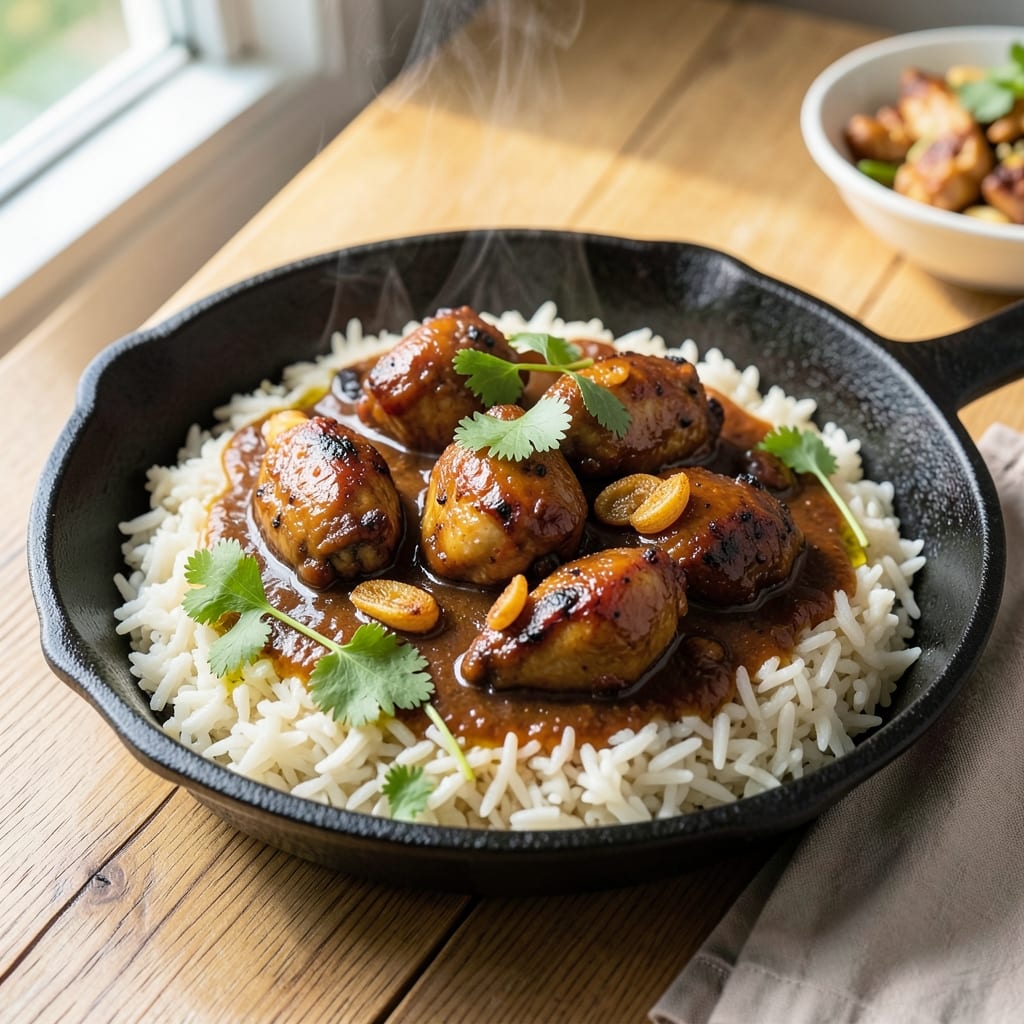
This Filipino adobo rice recipe delivers the perfect balance of savory, tangy, and slightly sweet flavors in every bite, with crispy garlic bits that add texture. The secret lies in braising the rice with a rich adobo sauce made from soy sauce, vinegar, and garlic, creating a dish that's both comforting and restaurant-quality. Growing up in a Filipino household, I remember this being a staple on Sunday tables—simple yet deeply satisfying.
The magic happens when the rice absorbs the adobo sauce while cooking, infusing it with deep umami and a hint of tang. Crispy garlic bites form at the bottom of the pot, adding a delightful crunch that contrasts beautifully with the tender rice. This dish is foolproof, requiring just a few ingredients and about 30 minutes of active time, making it ideal for weeknight dinners or special occasions.
What makes this recipe special is its versatility—it pairs perfectly with grilled meats, fried fish, or even on its own as a hearty main dish. The aroma alone will transport you to a bustling Filipino kitchen, where the sizzle of garlic and the tang of vinegar fill the air. By the time you're done, you'll have a dish that's as visually appealing as it is delicious, with golden rice and crispy garlic bits scattered throughout.
The best part? This recipe is adaptable—use chicken, pork, or even tofu for a vegetarian version. The key is balancing the soy and vinegar for that signature adobo flavor, while the garlic ensures every bite is packed with aroma. Let's get cooking!
Ingredients for adobo rice filipino
Jasmine rice, soy sauce, and garlic are your flavor foundation—simple but packed with umami.
| Ingredient | Amount | Notes |
|---|---|---|
| Jasmine Rice 🍚 | 1 ½ cups | Uncooked, long-grain preferred |
| Soy Sauce 🍶 | ½ cup | High-quality, light or regular |
| Cane Vinegar 🍋 | ¼ cup | White vinegar works too |
| Garlic Cloves 🧄 | 8 whole | Unpeeled for crispy bits |
| Olive Oil 🫒 | 2 tbsp | Extra-virgin for best flavor |
| Water 💧 | 1 ½ cups | Room temperature preferred |
| Bay Leaves 🌿 | 2 whole | Dried, for aroma |
| Black Peppercorns 🌶️ | ½ tsp | Crushed lightly |
| Salt 🧂 | 1 tsp | Kosher or sea salt |
| Sugar 🍬 | 1 tbsp | White or brown |
| Green Onions 🧅 | 2 whole | Sliced, for garnish |
| Fresh Chili Peppers 🌶️ | 1 whole | Optional, sliced thin |
The garlic is non-negotiable here—those crispy bits at the bottom are what makes this dish sing. Buy extra because you'll want them in every bite. I grab mine from the Asian market where they sell them in bulk, but any grocery store will have them. Look for cloves that are firm and smell pungent—none of that soft, sprouting stuff. The soy sauce should be light or regular, not the thick kind you'd use for stir-fry. Lee Kum Kee is my go-to, but any brand with a rich, salty flavor works. For vinegar, cane vinegar is traditional, but white vinegar in a pinch won't ruin the dish.
No cane vinegar? White vinegar or apple cider vinegar will do—just use the same amount. Running short on garlic? Garlic powder at half the amount works, but you'll miss those crispy bits. The green onions are totally optional, but I always add them for that fresh pop of color. Want more heat? Sliced Thai chilies or siling labuyo are perfect if you've got them. The sugar balances the tang—don't skip it, but don't go overboard either. If you're using brown sugar, it'll add a subtle caramel note that pairs beautifully with the soy.
This dish tastes even better the next day—honestly, the flavors meld overnight. Store leftovers in an airtight container in the fridge for up to 5 days. The rice keeps well, but those crispy garlic bits soften, so if you're reheating, add a splash of water and cover tightly. Freezing isn't ideal because the texture changes, but if you must, portion it into single-serving containers and freeze for up to 3 months. Garnish with extra green onions or sliced chilies right before serving—it makes all the difference.
Why You'll Love This Recipe
- Pantry Magic: I swear by this—no fresh herbs, no fancy prep. Just garlic, vinegar, and soy sauce simmered with rice until the grains are tender and the sauce clings like a cozy blanket. Honestly, I’ve made it from a half-empty cupboard more times than I can count.
- Umami Bomb: That balance of salty, tangy, and savory? Chef’s kiss. The cane vinegar cuts through the richness of the soy sauce while the garlic adds a deep, toasty layer—every bite tastes like a hug from your favorite Filipino tita. (Yes, even on a Tuesday night.)
- Meal Prep MVP: Double the rice, halve the effort. This keeps beautifully for days, reheats like a dream, and turns into packed lunches or quick dinners without a second thought. My daughter’s school lunches? Always adobo rice. (She picks out the garlic cloves, but still asks for seconds.)
- Budget Hero: Jasmine rice, soy sauce, vinegar—these are ingredients you already own or can grab for pennies. No specialty items, no markup. It’s the kind of dish that stretches a few bucks into a full week of meals without sacrificing flavor. Not the prettiest, but the taste makes up for it.
Step-by-step instructions for adobo rice Filipino recipe
Here's how to make this comforting Filipino classic with perfectly balanced flavors and crispy garlic bites.
Sauté Garlic Until Golden and Crispy
Heat the 2 tablespoons olive oil in a large pot over medium heat. Add the 8 whole unpeeled garlic cloves and cook them undisturbed for 3-4 minutes until they turn a beautiful golden brown and crispy. This is where the magic happens—those crispy garlic bites add incredible texture and flavor to the dish.
Watch closely as they cook. You'll know they're ready when they're deeply golden and smell irresistible. Remove them from the pot with a slotted spoon and set them aside on a paper towel—you'll add them back later. If you burn them, start over; crispy garlic is non-negotiable for authentic flavor.
Build the Adobo Base with Soy Sauce and Vinegar
In the same pot, reduce the heat to medium-low and add 0.5 cup soy sauce and 0.25 cup cane vinegar. Stir well to combine and let the mixture simmer for 2-3 minutes until it slightly reduces and becomes fragrant. This step develops the signature tangy-savory flavor that makes adobo rice so special.
Here's the thing—don't rush this part. The vinegar needs time to mellow out its sharpness while the soy sauce deepens its umami. You'll smell that wonderful aromatic blend that's pure Filipino comfort food. Add the 2 whole bay leaves and 0.5 teaspoon crushed black peppercorns now—they'll infuse the rice with subtle earthy notes.
Rinse and Toast the Jasmine Rice
While the adobo base simmers, rinse the 1.5 cups jasmine rice under cold water until the water runs clear. This removes excess starch that would make the rice mushy. Drain well, then return the rice to the pot and stir it into the adobo mixture over medium heat for 2-3 minutes until all the grains are coated and slightly toasted.
This toasting step is crucial—it prevents the rice from becoming gummy and gives it that beautiful nutty aroma. You'll see the rice turn just slightly translucent at the edges. Don't let it brown; you're just warming and coating it, not cooking it yet. Add 1.5 cups water, 1 teaspoon salt, and 1 tablespoon sugar now and stir once more.
Cook the Rice to Perfect Texture
Bring the mixture to a gentle boil, then immediately reduce the heat to low, cover the pot tightly with a lid, and cook for 15 minutes without disturbing it. This resting period allows the rice to steam evenly and absorb all the flavorful liquid. The key here is patience—resist the urge to peek or stir.
After 15 minutes, check the rice. It should be tender but still have a slight bite in the center. If it's not quite done, cover and cook for another 5 minutes. The rice should be fluffy and separate, with no liquid remaining. If you see any liquid, uncover and cook for another minute to evaporate it completely.
Finish and Garnish for Maximum Flavor
Once the rice is perfectly cooked, remove it from heat and let it sit covered for 5 minutes. This resting period allows the flavors to meld together and the rice to finish absorbing all the delicious adobo liquid. While it rests, slice the 2 whole green onions and 1 whole fresh chili pepper thinly for garnish.
Before serving, fluff the rice gently with a fork and stir in the crispy garlic cloves you set aside earlier. The contrast of those crispy garlic bites against the tender rice is what makes this dish truly special. Garnish each serving with the sliced green onions and chili pepper, and serve immediately while hot. The aroma alone will have everyone at the table eager to taste this Filipino comfort food classic.
Pro Tips For Making Adobo Rice Filipino
- CRACK THE GARLIC FIRST: Smash those cloves with the flat side of your knife before mincing—you’ll get way more flavor and less mess. I used to just chop them normally, and the dish never had that deep, savory punch. Two seconds of extra effort makes a real difference.
- SIMMER THE SOY VINEGAR: Reduce the soy sauce and cane vinegar together for 3-4 minutes before adding rice—this concentrates the flavor and cuts the sharpness of the vinegar. I learned this the hard way after serving a batch that tasted more like a science experiment than a meal.
- USE LESS RICE THAN YOU THINK: Adobo rice absorbs liquid differently than plain rice. Start with 1 part rice to 1.5 parts broth (not 2:1 like most recipes say). If it looks dry, add a splash of water later—better to fix it than end up with mushy rice.
- TOAST THE RICE FIRST: Dry-toast the jasmine rice in the pot with the olive oil for 2 minutes before adding liquid—this prevents gummy rice and gives it a nutty depth. I skip this when I’m lazy, but the dish is noticeably better when I don’t. (Yes, even if you’re impatient like me.)
Perfect pairings for adobo rice filipino
Classic Filipino Sides
Adobo rice pairs beautifully with ginataang gulay—a creamy, coconut milk-based vegetable stew featuring eggplant, string beans, and squash. The mild sweetness of the coconut milk balances the tangy adobo perfectly. I like to serve it alongside batchoy, a rich noodle soup with pork, liver, and vegetables, for a hearty meal that feels like home. 🌱
For a lighter option, try sinigang, a sour tamarind-based soup with shrimp or pork. The bright acidity cuts through the richness of the adobo rice, creating a perfect contrast. Another crowd-pleaser is lumpia—crispy spring rolls filled with shrimp, pork, or vegetables. The crunchy exterior and tender filling add a fun, handheld element to your Filipino feast.
Protein Pairings
Grilled adobong baboy (Filipino-style braised pork) is a match made in heaven with adobo rice. The pork absorbs the same soy-vinegar marinade, creating a harmonious flavor profile. For a lighter option, try grilled chicken inato—chicken marinated in vinegar and garlic, then grilled to perfection. The tangy, slightly sweet notes complement the rice beautifully. 🍗
If you're feeling adventurous, serve the rice with lechon kawali—crispy, deep-fried pork belly chunks with a garlicky, savory crust. The contrast of the crispy pork and tender rice is irresistible. For seafood lovers, kinilaw na bangus (ceviche-style milkfish) adds a refreshing, citrusy twist that balances the richness of the adobo rice.
Drink Pairings
A cold calamansi juice is the ultimate Filipino drink pairing—its bright, citrusy flavor refreshes your palate between bites of adobo rice. For a non-alcoholic option, try sago't gulaman, a sweet coconut and agar-agar dessert that cools the palate after a savory meal. It’s a nostalgic treat that feels like a hug in a glass. 🍹
For an adult-friendly pairing, sip on San Miguel Pale Pilsen, the Philippines’ most popular beer. Its crisp, clean taste won’t overpower the adobo rice but enhances the meal’s savory notes. If you prefer wine, a dry Riesling offers a subtle acidity that complements the dish’s tangy-sweet profile. Avoid heavy reds—they’ll clash with the delicate flavors.
Garnish and Toppings
Finish your adobo rice with a sprinkle of toasted garlic chips for extra crunch—just fry thin garlic slices in oil until golden and crispy. A drizzle of calamansi or lime juice adds a zesty kick, while crumbled queso de bola (Filipino edam cheese) melts slightly, adding a creamy contrast. For heat lovers, top with siling labuyo (Filipino bird’s eye chilies) for a spicy finish. 🌶️
Fresh cilantro leaves or mint add a bright, herbaceous note that cuts through the richness. A few drops of white truffle oil elevate the dish to restaurant-quality luxury, adding an earthy depth that pairs surprisingly well with the adobo flavors. Don’t forget a sprinkle of toasted sesame seeds for a nutty crunch that ties everything together.
Nutrition facts
Frequently asked questions
Can I substitute white vinegar for cane vinegar in this recipe?
White vinegar works perfectly as a 1:1 substitute for cane vinegar. The acidity level is very similar, so your adobo rice will still have that signature tangy flavor. Just use the same 0.25 cup measurement. For extra authenticity, you can even mix half white vinegar and half apple cider vinegar.
Why does my adobo rice turn out mushy instead of fluffy? Mushy rice usually happens from overcooking or not rinsing the rice properly.
How do I make this recipe vegetarian?
Swap the traditional meat for extra-firm tofu or mushrooms like shiitake. Press and pan-fry the tofu until crispy, then set aside. Use the same cooking method for the rice, but add 1 tablespoon soy sauce and 1 teaspoon miso paste to the adobo base for extra umami. Stir the crispy tofu back in at the end for texture.
Can I make this in a rice cooker? Yes! Follow the same steps up to Step 3, then transfer everything to your rice cooker. Use the white rice setting and let it cook normally. The rice cooker will handle the steaming process perfectly. Just
What's the secret to getting crispy garlic bits?
The secret lies in cooking the 8 whole unpeeled garlic cloves in 2 tablespoons olive oil over medium heat for exactly 3-4 minutes without moving them. They need to turn golden brown and crispy—this creates those delicious crunchy bits at the bottom. Use a slotted spoon to carefully remove them and set aside until the very end when you stir them back in.