
Main Courses
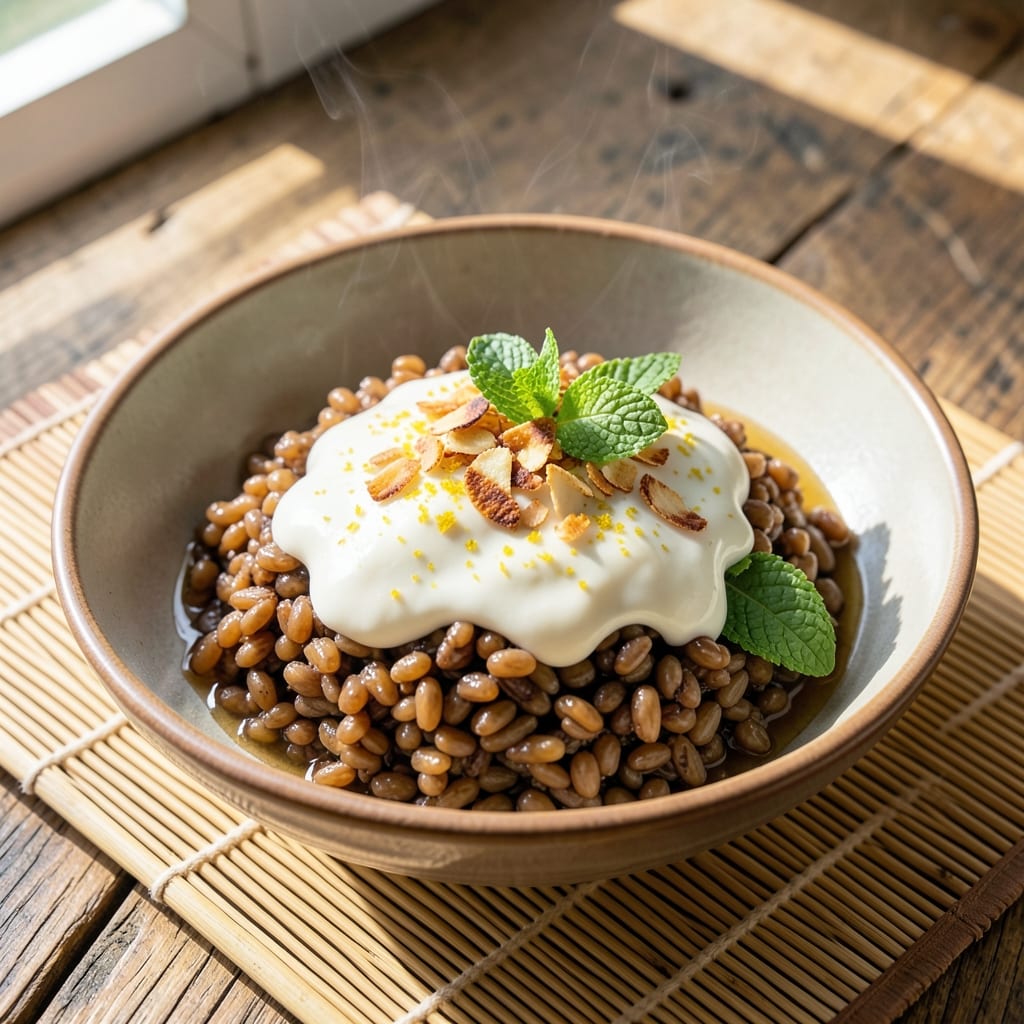
This Adlai rice recipe transforms simple grains into a fragrant, coconut-infused dish with just one pot and minimal effort. The secret lies in soaking the job’s tears (adlai) grains until tender, then simmering them in coconut milk until they develop a velvety texture. What makes this recipe special is its versatility—it works as a comforting breakfast, a light dessert, or even a savory side dish when paired with grilled meats.
The process is straightforward but requires patience: soaking the grains overnight ensures they soften properly, while the coconut milk adds natural sweetness and richness. A touch of lime zest brightens the flavor, balancing the creamy coconut perfectly. This dish isn’t just a recipe—it’s a taste of Filipino tradition, where adlai rice has been a staple for generations, often enjoyed with tropical fruits or a sprinkle of toasted coconut.
By the end, you’ll have a dish that’s creamy yet light, with a subtle smokiness from the coconut and a hint of citrus. The grains hold their shape while absorbing the flavors, creating a texture that’s both comforting and elegant. Serve it warm with a drizzle of honey or a side of grilled chicken for a meal that feels both nostalgic and modern.
Perfect for breakfast, brunch, or even as a dessert, this adlai rice adapts effortlessly to your schedule. The best part? It’s a one-pot wonder, meaning less cleanup and more time savoring the results. Let’s get started on creating this fragrant, flavorful dish.
Ingredients for adlai rice
Simple grains and coconut milk create this fragrant, versatile Filipino staple with minimal effort.
| Ingredient | Amount | Notes |
|---|---|---|
| Adlai Grains (Job's Tears) 🌾 | 1 cup | Rinsed thoroughly before soaking |
| Full-Fat Coconut Milk 🥥 | 2 cups | Canned, unsweetened preferred |
| Unsweetened Almond Milk 🥛 | ½ cup | For lighter texture |
| Lime Zest 🍋 | 1 tbsp | Freshly grated from organic limes |
| Lime Juice 🍋 | ¼ cup | Freshly squeezed |
| Coconut Sugar 🍯 | ¼ cup | Or substitute brown sugar |
| Toasted Coconut Flakes 🥥 | ¼ cup | For garnish and texture |
| Fresh Turmeric Root 🌿 | 1 tsp | Grated, or 0.5 tsp ground turmeric |
| Fresh Ginger 🧄 | 1 tsp | Grated, peeled root |
| Sea Salt 🧂 | ½ tsp | Diamond Crystal preferred |
| Vanilla Extract 🍯 | ½ tsp | Pure alcohol-free preferred |
| Cardamom Pods 🌿 | 2 whole | Lightly crushed |
| Cinnamon Sticks 🌿 | 1 whole | For subtle warmth |
| Water 💧 | 3 cups | Filtered preferred |
The adlai grains are the foundation—Filipino markets or specialty Asian grocery stores carry them in bulk, often labeled as job's tears. If unavailable, quinoa or millet can substitute, though texture differs slightly. For the coconut milk, Aroy-D or Thai Kitchen brands are reliable, but any full-fat canned variety works. Fresh turmeric and ginger from the produce section add depth; look for vibrant roots with no soft spots. Toast the coconut flakes in a dry pan until golden for maximum aroma—this step makes all the difference. The cardamom and cinnamon should be whole pods for easy removal after cooking.
No fresh turmeric? Ground turmeric works at half the amount, though fresh yields better color. Substitute almond milk with oat or cashew milk for similar creaminess. Lime zest can be omitted if you prefer less acidity, but the juice is essential for balance. For a smokier profile, add 1/4 tsp smoked paprika or a pinch of cinnamon. The coconut sugar can be swapped for maple syrup or agave at a 1:1 ratio, though texture may vary slightly. If using pre-grated coconut, toast it first to remove excess moisture and prevent clumping.
Soak the adlai grains overnight in 4 cups water to soften—this step is non-negotiable for proper texture. Store the dry grains in an airtight container in a cool, dark place for up to 6 months. The cooked rice keeps for 3 days refrigerated and freezes beautifully for 3 months—portion into single servings before freezing. For reheating, add a splash of water or coconut milk to restore creaminess. The toasted coconut flakes should be stored in the freezer to maintain crispness, while spices last 6-12 months in their original packaging.
Why You'll Love This Recipe
- Five-Ingredient Magic: I swear by this recipe—just adlai grains, coconut milk, almond milk, and lime. No chopping, no fuss, just simmering until those grains turn into this velvety, golden rice. Honestly, it’s the kind of dish that makes me question why I ever cooked anything complicated.
- Tropical Comfort: That bright lime zest and juice cut through the creamy coconut milk like a sigh of relief. It’s rich but never heavy, with this subtle citrus spark that makes it taste like a vacation in a bowl—even when I’m just eating it straight from the pot.
- Meal Prep Hero: I make a big batch on Sundays because it reheats perfectly for lunches all week. The texture holds up, and the flavors only deepen—plus, it’s weirdly satisfying cold the next day. My lunchbox has never been this exciting.
- Budget Luxury: Adlai grains are cheaper than rice in my area, and coconut milk stretches for miles with almond milk. I get three meals out of one pot, and it still feels like something special. Between us, this is how I trick myself into eating well on a tight budget.
Step-by-step instructions for adlai rice with smoky coconut-lime flavor
Transform simple grains into a fragrant, aromatic dish using traditional techniques and precise timing.
Prepare the Adlai Grains for Optimal Texture
Rinse the 1 cup of Adlai Grains (Job's Tears) thoroughly under cold water until the water runs clear. This removes excess starch that can make the grains gummy. Soak them in the 3 cups of filtered water for at least 30 minutes, or up to 2 hours for best results. I've found that longer soaking creates a creamier texture when cooked.
After soaking, drain the grains completely using a fine-mesh strainer. The grains should be pliable but not mushy when pressed between your fingers. This preparation step is critical—it prevents the grains from becoming hard or undercooked during the main cooking process.
Toast the Spices and Infuse the Coconut Milk
In a dry skillet over medium heat, lightly toast the 2 whole Cardamom Pods and 1 whole Cinnamon Stick for 1-2 minutes until fragrant. This releases their essential oils, which will infuse into the dish. Immediately transfer the toasted spices to a small bowl and set aside.
In the same skillet, add the 2 cups of Full-Fat Coconut Milk and bring to a gentle simmer. Add the grated 1 tsp Fresh Turmeric Root, 1 tsp Fresh Ginger, and the toasted spices. Simmer for 5 minutes, stirring occasionally, until the mixture develops a warm, earthy aroma. This step builds the aromatic foundation of your dish.
Combine All Ingredients and Simmer Gently
In a heavy-bottomed pot, combine the drained Adlai Grains with the infused coconut milk mixture. Add the 0.5 cup Unsweetened Almond Milk, 0.25 cup Coconut Sugar, 0.5 tsp Sea Salt, 0.5 tsp Vanilla Extract, 1 tbsp Lime Zest, and 0.25 cup Lime Juice. Stir gently to combine all ingredients.
Bring the mixture to a gentle boil, then immediately reduce heat to low. Cover with a tight-fitting lid and simmer for 30-35 minutes, stirring occasionally. You're looking for a creamy, porridge-like consistency where the grains are tender but still hold their shape. The dish should smell intensely of lime, coconut, and warm spices.
Finish and Garnish for Perfect Presentation
Once the grains are tender, remove the pot from heat and let it sit covered for 5 minutes. This resting period allows the flavors to meld completely. Then, stir in the 0.25 cup Toasted Coconut Flakes, reserving a small amount for garnish. The coconut flakes add a delightful textural contrast to the creamy grains.
For serving, transfer to individual bowls and garnish with the reserved toasted coconut flakes. The final dish should have a vibrant golden color from the turmeric, a fragrant aroma from the spices, and a perfect balance of creamy texture with bright citrus notes. Serve warm with a side of grilled fish or fresh herbs for a complete meal.
Pro Tips For Making Adlai Rice
- Soak the Grains: DESCRIPTION: Adlai grains need a good 4-6 hour soak—no cutting corners here. I used to skip this and ended up with a gummy, uneven texture that tasted like overcooked porridge. Cover them in water, add a pinch of salt, and let them sit until they’re plump and tender. Drain well before cooking, or your rice will turn into a thin, watery mess.
- Simmer, Don’t Boil: DESCRIPTION: Once you add the coconut and almond milk, keep the heat low and steady—think gentle bubbles, not a rolling boil. After burning two batches (yes, really), I learned that high heat curdles the coconut milk faster than you can say "disaster." A slow simmer keeps the creamy texture intact and lets the adlai grains absorb the flavors properly.
- Toast the Lime Zest: DESCRIPTION: Dry-toast the lime zest in a small pan for 30 seconds before adding it to the rice. It deepens the citrus aroma and prevents that sharp, raw lime taste from overpowering the dish. Skip this, and you’ll end up with a dish that smells like a fancy drink instead of a rich, balanced rice.
- Balance the Milks: DESCRIPTION: Use a 3:1 ratio of coconut milk to almond milk—full-fat coconut gives richness, while almond milk lightens the texture and cuts the heaviness. I was skeptical until I tried it: the almond milk adds a subtle nuttiness that complements the adlai grains instead of making the dish feel too dense. Adjust to taste, but don’t skip the almond milk entirely.
Storing and reheating this dish
Refrigerator Storage
Let your adlai rice cool completely before transferring to an airtight container—I use glass Pyrex with snap-on lids for best results. Store in the refrigerator for up to 3 days, where the flavors deepen and the coconut aroma intensifies. The creamy texture remains intact, though you may need to stir in a splash of warm coconut milk before reheating to restore smoothness. 🥥
Freezer Storage
For longer storage, portion the adlai rice into quart-sized freezer bags or airtight containers, leaving 1 inch headspace for expansion. Freeze for up to 3 months—this method preserves the texture remarkably well. When ready to eat, thaw overnight in the refrigerator before reheating. I find this works best for batch cooking when you want to enjoy the dish throughout the week without repeated prep.
Reheating Methods
For stovetop reheating, transfer the rice to a saucepan with 2-3 tablespoons of water or coconut milk to prevent drying. Heat over medium-low heat for 5-7 minutes, stirring occasionally, until warmed through. The gentle heat helps restore the creamy consistency. For microwave reheating, cover with a damp paper towel and heat in 30-second intervals, stirring between each, until reaching 165°F internal temperature.
Reviving Texture
If your reheated adlai rice seems too thick, simply stir in 1-2 tablespoons of warm coconut milk or almond milk to loosen the texture. Avoid adding liquid directly to the refrigerator or freezer—it can make the grains soggy. For extra richness, finish with a sprinkle of toasted coconut flakes or a drizzle of honey after reheating. This step ensures your dish tastes as fresh as the day it was made. ✨
Serving Warm
Adlai rice tastes best served warm, so reheat only what you plan to eat immediately. If storing leftovers, keep them in the refrigerator and reheat portions as needed. The warm temperature enhances the aromatic spices and citrus notes, making each bite more vibrant. Pair with grilled meats or tropical fruits for a balanced meal that highlights the dish's versatility. 🍽️
Nutrition facts
Frequently asked questions
What’s the difference between adlai rice and regular rice?
Adlai rice (made from job’s tears grains) has a distinct nutty, slightly sweet flavor and chewy texture, unlike fluffy white or brown rice. The grains hold their shape when cooked, creating a creamy porridge-like consistency perfect for both savory and sweet dishes. It’s a traditional Filipino staple often used in desserts or as a side dish.
Can I substitute adlai grains with other grains?
Yes! If you can’t find adlai (job’s tears), try quinoa or millet for a similar texture, though the flavor will differ slightly. For a closer match, use barley or sorghum, but adjust cooking times—adlai typically needs 30-40 minutes of simmering after soaking. The key is ensuring the grains soften properly while maintaining some bite.
Why does my adlai rice turn out gummy?
Over-soaking or insufficient draining before cooking usually causes gummy texture. Always soak adlai grains for no longer than 2 hours and drain thoroughly in a fine-mesh strainer. For extra insurance, rinse the drained grains under cold water before cooking. Also, avoid stirring too aggressively while simmering—gentle heat is key!
Is adlai rice gluten-free and vegan?
Yes! Adlai rice is naturally gluten-free and vegan, making it a great option for dietary restrictions. The recipe above uses coconut milk and plant-based sweeteners, but double-check labels if substituting ingredients. It’s also a great source of fiber and protein compared to traditional rice varieties.
How can I make adlai rice sweeter without sugar?
Try natural sweeteners like maple syrup, agave, or coconut nectar (use a 1:1 ratio for coconut sugar). For extra richness, add 1/4 cup mashed banana or 2 tbsp date paste during cooking. A pinch of cinnamon or cardamom enhances sweetness naturally. Just reduce the almond milk slightly to balance the extra liquid from fruit.