
Main Courses
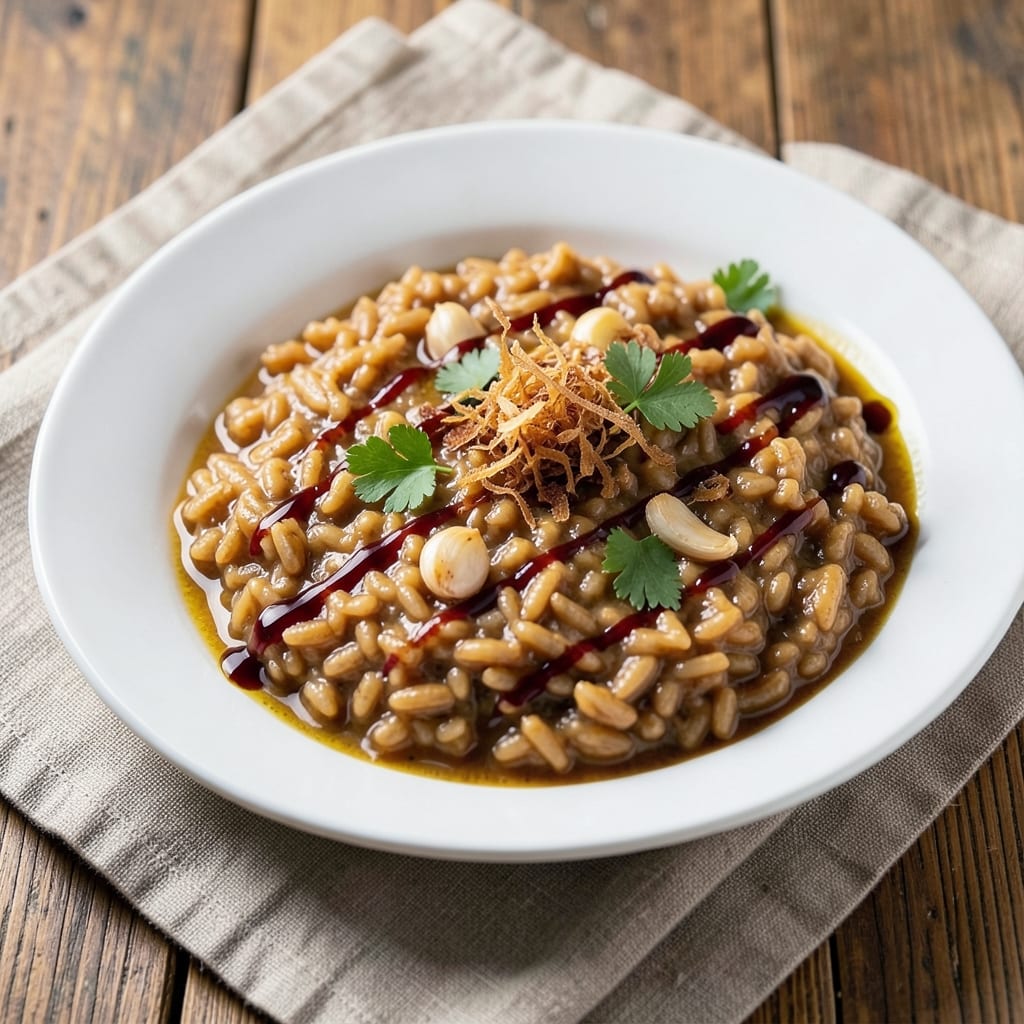
This Aborio rice recipe delivers velvety, creamy risotto without constant stirring—perfect for busy cooks who crave restaurant-quality texture. The secret lies in the rice's high starch content and a precise cooking method that transforms simple ingredients into a luxurious dish. I've refined this technique over years, ensuring every grain absorbs just the right amount of liquid for that signature melt-in-your-mouth consistency.
The beauty of Arborio rice is its ability to release starch gradually, creating that signature creaminess without heavy cream. We'll use a low-and-slow approach with warm broth, allowing the rice to develop its full potential while maintaining distinct grains. This method eliminates the need for constant attention, making it ideal for weeknight dinners or special occasions.
What you'll achieve is a creamy yet al dente risotto with a delicate balance of flavors—no grainy texture or soggy bite. The final result should be rich, luxurious, and perfectly seasoned, ready to be elevated with your choice of protein, vegetables, or garnishes. Whether you're serving it as a main course or side dish, this recipe delivers professional-quality results with minimal effort.
For those seeking variations, this technique works beautifully with mushrooms, seafood, or even a vegetarian twist using roasted vegetables. The method remains the same, allowing you to customize the dish to your taste while maintaining that essential creamy texture. Let's get started on creating your perfect risotto.
Ingredients for aborio rice
These simple yet premium ingredients create restaurant-worthy risotto with minimal fuss.
| Ingredient | Amount | Notes |
|---|---|---|
| Arborio Rice 🍚 | 1 ½ cups | Unrinsed, high-quality for starch release |
| Vegetable Broth 💧 | 6 cups | Homemade or low-sodium store-bought |
| Extra-Virgin Olive Oil 🫒 | ½ cup | Light fruity variety for balance |
| Shallots 🧅 | 2 whole | Finely minced, about 2 tbsp |
| Garlic Cloves 🧄 | 4 cloves | Peeled and minced |
| Dry White Wine 🍷 | ½ cup | Sauvignon Blanc or Pinot Grigio |
| Parmesan Cheese 🧀 | ¾ cup | Freshly grated, aged 24 months |
| Unsalted Butter 🧈 | 4 tbsp | Cold, cut into small cubes |
| Diamond Crystal Kosher Salt 🧂 | 1 ½ tsp | Adjust to taste |
| Freshly Ground Black Pepper 🌶️ | ½ tsp | Freshly ground for best flavor |
| Lemon Zest 🍋 | 1 tsp | From 1 organic lemon |
| Fresh Thyme Leaves 🌿 | ¼ cup | Chopped, stems removed |
| Mushroom Slices 🍄 | 1 cup | Optional, cremini or shiitake |
The Arborio rice is non-negotiable—its high starch content is what creates that signature creaminess. Look for Italian-grown Arborio at specialty stores like Eataly or well-stocked grocery chains. The vegetable broth should be warm (not boiling) when added—room temperature works best. For the wine, Sauvignon Blanc adds brightness, but Pinot Grigio is my go-to for a neutral base. Fresh thyme and lemon zest elevate the dish without overpowering, so don't skip them. The Parmesan should be aged at least 24 months for maximum umami depth—check the label at Whole Foods or your local deli counter.
No Arborio rice? Carnaroli is your next best option, but it's pricier. Short on wine? Substitute extra broth with 1 tsp lemon juice for acidity. The mushrooms add earthiness—if you skip them, asparagus or roasted cherry tomatoes work beautifully. For the butter, European-style unsalted (like Plugrá) melts more smoothly than American brands. The shallots should be finely minced—food processor gives consistent results. If you're making this ahead, stop at the wine deglazing stage and refrigerate the rice mixture for up to 24 hours before finishing.
Risotto reheats beautifully—just add a splash of warm broth and stir gently. Store leftovers in an airtight container for 3-4 days, but it's best enjoyed fresh. For freezing, portion into single servings and keep for up to 3 months. The key to texture is the low-and-slow method: never let the rice sit in liquid longer than 5 minutes between additions. If you're adding protein like shrimp or chicken, cook it separately and fold in at the very end to keep it warm.
Why You'll Love This Recipe
- No-Fuss Stovetop: I swear by this method—just rice, broth, and a few minutes of stirring. No fancy equipment, no stressing over ratios. The key? Toasting the shallots and garlic in olive oil until they’re golden but not burnt. That’s the secret to flavor without the fuss.
- Creamy Without Cream: That crispy exterior with a melt-in-your-mouth center? That’s arborio rice doing its thing. The starch releases as it cooks, turning it velvety rich—no heavy cream or butter needed. Honestly, it’s the kind of texture that makes you slow down mid-bite.
- Weeknight to Dinner Party: Same recipe, totally different vibes. Toss in a handful of spinach at the end for a quick weeknight dinner, or add mushrooms and Parmesan for a fancier spread. My college roommate and I used to make this for game nights—zero complaints, just seconds.
- Budget Magic: A single bag of arborio rice stretches for weeks of meals. Pair it with whatever’s in your pantry—leftover roasted veggies, a fried egg, or just extra broth. Between us, I’ve fed a crowd of six for under $10 with this. That’s not a brag, that’s a fact.
Step-by-step instructions for creamy Arborio risotto
Here's the method to achieve velvety risotto without constant stirring—just follow these precise steps.
Sauté Aromatics Until Fragrant
Heat the 0.5 cup extra-virgin olive oil in a heavy-bottomed pot over medium heat. Add the 2 whole shallots and 4 cloves garlic cloves, cooking for 5-6 minutes until the shallots are translucent and the garlic releases its aroma. You'll know it's ready when the mixture smells sweet and savory—this builds the flavor foundation.
If using the 1 cup mushroom slices, add them now and cook for another 3-4 minutes until they release their moisture and begin to soften. The mushrooms will add earthy depth to your risotto. Keep the heat at medium to prevent burning the aromatics—this is where flavor development happens.
Toast the Arborio Rice
Add the 1.5 cups Arborio rice to the pot and stir for 1-2 minutes until the grains are lightly coated with oil and begin to turn translucent at the edges. This toasting step, called "risottatura," develops the rice's nutty flavor and prevents a raw center in your final dish.
I like to press the rice gently against the bottom of the pot during the first minute—this ensures even contact with the hot oil. You'll see the rice start to release starch, which will later create that signature creamy texture. Don't walk away; this step requires attention to achieve proper browning.
Deglaze with Wine and Add Broth
Pour in the 0.5 cup dry white wine and stir vigorously until completely absorbed. This deglazing step removes any remaining bits from the bottom of the pot while adding acidity that brightens the dish. Let the wine cook off completely before adding the first ladle of vegetable broth.
Add 1 cup of the broth and stir just until incorporated. Here's the key: don't stir constantly. Instead, let the rice absorb the liquid, then add another 1 cup of broth when the previous portion has been mostly absorbed. This gradual addition creates the creamy texture without overworking the rice.
Simmer Until Al Dente
Continue adding 1 cup of broth at a time, stirring only after each addition until incorporated. This process should take about 18-20 minutes total. The rice is done when it's tender but still has a slight bite—what Italians call "al dente." You'll know it's ready when the grains are plump and the mixture has a thick, creamy consistency.
Real talk: your risotto should look like wet sand at this point—not dry, not soupy, but with just enough moisture to coat each grain. If it looks dry before the 18-minute mark, add a splash of broth. If it's too soupy, let it cook uncovered for 1-2 minutes to reduce.
Finish with Butter, Cheese, and Herbs
Remove the pot from heat and stir in the 4 tbsp cold unsalted butter, 0.75 cup freshly grated Parmesan cheese, 1.5 tsp kosher salt, 0.5 tsp black pepper, 1 tsp lemon zest, and 0.25 cup fresh thyme leaves. These finishing ingredients elevate the dish from good to extraordinary—the butter adds richness, the cheese brings umami, and the lemon zest brightens everything.
Let the risotto rest for 2-3 minutes before serving. This resting period allows the flavors to meld and the texture to perfect. The risotto should be creamy yet still have distinct grains visible—this is the hallmark of a well-made risotto. Serve immediately with a sprinkle of additional Parmesan and fresh thyme.
Pro Tips For Making Aborio Rice
- Toast the Rice First: High heat. Seriously, crank it up until the rice sizzles and smells nutty—about 2-3 minutes with the olive oil. I learned this the hard way: skipping the toast makes the final dish taste flat and pasty instead of rich. That golden crust? It’s the flavor foundation.
- Use Cold Broth: Start with broth at room temperature, not boiling. Adding hot broth too soon sends the rice into a panic, releasing starch all at once and turning it mushy. I was skeptical until I tried it—now my rice stays creamy but distinct, not glued together.
- Salt the Broth Like the Sea: More salt than you think, especially if using unsalted broth. Aim for 1.5 teaspoons per 4 cups of liquid, then taste and adjust. My grandmother swore by this, and she was right: the rice absorbs flavor better when the broth is bold from the start.
- Stir Less, Taste More: After the initial toast, stir only when you absolutely must—maybe once or twice. Over-stirring breaks the rice and releases starch too early, turning your risotto into porridge. Instead, taste the broth after each addition and adjust consistency, not texture. (Yes, even if you’re impatient like me.)
Essential equipment for great aborio rice
Heavy-Bottomed Pot
Your pot is the most critical piece of equipment—never skip this. A 6-quart enameled cast iron Dutch oven (like Le Creuset) or stainless steel saucepan (such as All-Clad) is ideal. The heavy base distributes heat evenly, preventing hot spots that can burn your risotto. I’ve ruined risotto in thin aluminum pans—don’t make my mistake! If you’re on a budget, a sturdy stainless steel pot from Farberware works perfectly. 🔥
Wooden Spoon
A long-handled wooden spoon (at least 12 inches) is essential for stirring without scratching your pot. I recommend Oxo Good Grips or a bamboo spoon—both are heat-resistant and gentle on nonstick surfaces. Avoid metal spoons, as they can damage the pot’s finish and leave an off flavor. The spoon should reach the bottom of your pot to scrape up those flavorful browned bits during cooking.
Fine-Mesh Strainer
For straining your broth, a fine-mesh strainer (like OXO Good Grips) ensures a smooth, sediment-free liquid. I strain my homemade broth through this before using it in risotto—it makes a noticeable difference in texture. If you’re using store-bought broth, skip this step, but if you’re making your own, this tool is a game-changer. A cheesecloth also works for homemade broth but requires more effort.
Kitchen Timer
A digital kitchen timer (I use Cuisinart) is your best friend for tracking the 18-20 minute cooking window. Risotto cooks quickly once the broth is added, and overcooking turns it mushy. Set it for 5 minutes between broth additions to stay on schedule. Pro tip: Place the timer near your stove so you don’t miss the cues—like when the rice starts to release starch and thicken.
Microplane Zester
For the lemon zest, a Microplane (like OXO Good Grips) gives you fine, even strips without the bitter pith. I find it’s more efficient than a grater and produces consistent results every time. If you don’t have one, a fine grater works in a pinch, but you’ll need to be extra careful to avoid the bitter white part. This small tool makes a big difference in brightening the final dish.
Broth Thermometer
While not mandatory, a broth thermometer (like Thermoworks) helps ensure your broth stays at 195-205°F—the perfect temperature for risotto. Too hot, and the rice will cook unevenly; too cool, and it won’t absorb properly. If you don’t have one, just make sure your broth is warm but not boiling when adding it to the rice. A quick flick of your wrist to test the temperature works in a pinch! 💡
Nutrition facts
Frequently asked questions
Why does Arborio rice need to be toasted before cooking?
Toasting the rice (called "risottatura") develops its nutty flavor and prevents a raw center. The high starch content in Arborio rice releases gradually when toasted, creating that signature creamy texture later. This step also prevents the rice from turning mushy by building a protective barrier around each grain.
Can I use Arborio rice for dishes other than risotto?
While famous for risotto, Arborio rice works beautifully in pilafs, stuffings, or even as a side dish. Its high starch makes it ideal for creamy textures, but you can also use it in salads if cooked al dente. For pilafs, try toasting it first with spices like cumin or paprika before adding liquid.
What's the best way to store leftover Arborio risotto?
Store leftovers in an airtight container for 3-4 days in the fridge. For freezing, portion into single servings and keep for up to 3 months. When reheating, add a splash of warm broth and stir gently over low heat until creamy. Never microwave directly—it makes the texture grainy.
How do I know when my risotto is done?
Your risotto is perfect when the rice is tender but still has a slight bite ("al dente") and the mixture has a thick, creamy consistency resembling wet sand. This should take about 18-20 minutes total. The grains should be plump with just enough moisture to coat them—no dry spots or soupy liquid.
Can I substitute Arborio rice with another type?
Carnaroli rice is the best substitute—it has even more starch for creaminess. For a quick fix, use short-grain white rice, but expect slightly less creaminess. Avoid long-grain varieties like basmati or jasmine—they won't release enough starch. If using a substitute, reduce broth by 1/4 cup since they absorb liquid differently.