
Main Courses
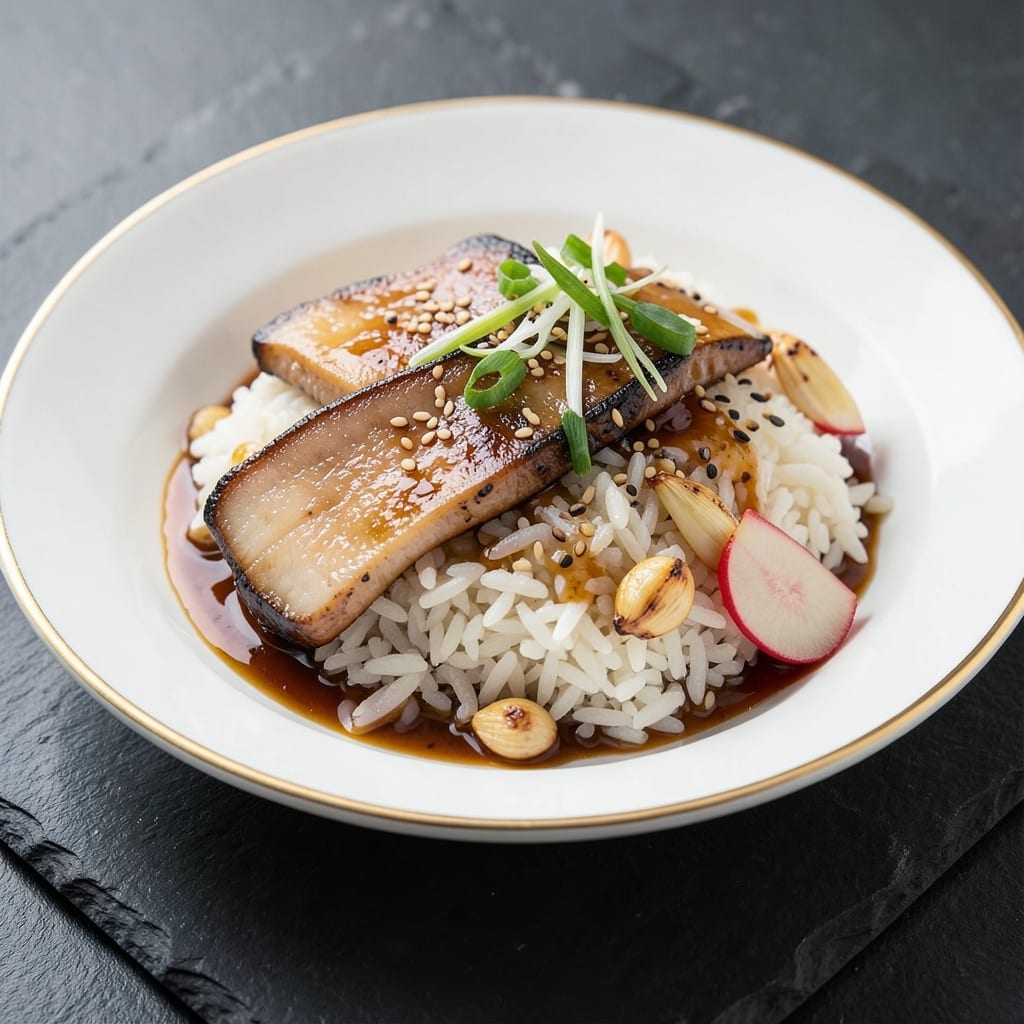
This abalone rice recipe transforms delicate ocean treasure into a restaurant-worthy dish with fragrant jasmine rice as its perfect base. The secret lies in searing the abalone just until tender—never overcooking—while building layers of flavor with garlic, ginger, and a touch of soy. I developed this version after years of perfecting the balance between rich abalone and aromatic rice, ensuring every bite delivers both texture and depth.
The process begins with preparing the abalone—whether steamed, braised, or stir-fried—before resting it on a bed of perfectly cooked jasmine rice. The key is patience: letting the abalone absorb the savory sauce while maintaining its natural sweetness. This method elevates simple ingredients into a dish that feels luxurious yet approachable, ideal for special occasions or weeknight dinners when you want to impress.
What sets this recipe apart is the harmony of flavors: the briny richness of abalone, the earthy aroma of jasmine rice, and the bright, umami notes from the garlic-ginger sauce. The result is a dish that’s elegant enough for a dinner party but simple enough to make regularly. Each component—from the tender abalone to the fragrant rice—comes together seamlessly, creating a meal that’s as satisfying as it is visually stunning.
Serve this abalone rice with a side of steamed greens or a light citrus salad to balance the richness. The leftovers reheat beautifully, making it perfect for meal prep or entertaining. Here’s how to bring this ocean-inspired dish to your table with confidence.
Ingredients for abalone rice
Fragrant jasmine rice and tender abalone create a luxurious yet approachable dish with just these 14 ingredients.
| Ingredient | Amount | Notes |
|---|---|---|
| Abalone 🦪 | 1 lb | Fresh, cleaned, sliced into 1/4-inch pieces |
| Jasmine Rice 🍚 | 2 cups | Uncooked, long-grain preferred |
| Garlic Cloves 🧄 | 6 cloves | Minced, fresh preferred |
| Fresh Ginger 🌿 | 2 tbsp | Finely grated, peeled |
| Soy Sauce 🍶 | ½ cup | Light or dark, high-quality preferred |
| Mirin 🍶 | ¼ cup | Sweet rice wine, essential for balance |
| Dry Sherry 🍷 | ¼ cup | Amontillado preferred for depth |
| Sesame Oil 🫒 | 1 tbsp | Toasted, for aroma |
| Vegetable Oil 🫒 | 2 tbsp | High smoke point, neutral flavor |
| Green Onions 🧅 | 4 whole | Sliced, white and green parts separated |
| Salt 🧂 | 1 ½ tsp | Kosher or sea salt |
| Black Pepper 🌶️ | ½ tsp | Freshly ground, coarse |
| Sesame Seeds 🌾 | 1 tbsp | Toasted, for garnish |
| Water 💧 | 2 ½ cups | Filtered preferred |
Abalone is the star, so source it fresh from a reputable seafood market or specialty grocer like Whole Foods or Trader Joe's. Look for vibrant, translucent pieces with a clean ocean scent—avoid any with a fishy odor or dull color. The jasmine rice should be freshly milled for maximum aroma; brands like Lotus Foods or Thai Kitchen are reliable. Garlic and ginger should be organic if possible—their freshness directly impacts the dish's depth of flavor. For the wine components, Mirin can be found in the Asian aisle, while Amontillado sherry elevates the sauce with its nutty complexity.
No mirin? Substitute equal parts sugar and water, though the flavor won't be identical. Fresh ginger too pungent? Ground ginger at half the amount works in a pinch. For the abalone, if you can't find fresh, high-quality canned abalone (like Koyo brand) is acceptable but lacks the delicate texture. The green onions can be swapped for scallions, but keep the white and green parts separate for garnishing. For a vegetarian alternative, king oyster mushrooms mimic abalone's texture when seared properly—though the flavor will differ. The sesame oil is crucial for aroma; don't skip it—it's what makes this dish sing.
Store fresh abalone in the coldest part of your fridge, wrapped in damp paper towels, for up to 3 days. The cooked rice reheats beautifully—just add a splash of water and cover tightly for 1-2 minutes in the microwave. For meal prep, portion the abalone and sauce separately to keep the rice from getting soggy. The sauce components (soy, mirin, sherry) can be pre-mixed and stored in the fridge for up to 1 week, though the flavors meld best when made fresh. Garnishes like sesame seeds and green onions keep for 1 week in the fridge, so toast them fresh when ready to serve.
Why You'll Love This Recipe
- One-Pan Magic: I swear by this—just toss everything in one pan, and the abalone steams in its own juices while the rice soaks up that garlic-ginger-soy broth. No extra pots, no fuss, and honestly? That crispy abalone edge? Chef’s kiss.
- Umami Bomb: The abalone melts into the rice like butter, but it’s not sweet—it’s deep. That first bite of tender meat with the bright, salty-savory kick from the soy and fresh ginger? My taste buds throw a party every time.
- Lunchbox Hero: Between us, this makes the best cold leftovers. The rice stays fluffy, the abalone holds its shape, and the flavors only get better after a day in the fridge. Pack it for work or school—you’ll be the one everyone asks for seconds from.
- Budget Luxury: Abalone might sound fancy, but a single piece stretches over two servings, and the rest of the ingredients cost pennies. I treat it like a splurge, but it’s really just a smart way to make a restaurant-worthy meal without breaking the bank.
Step-by-step instructions for abalone rice
Master this delicate balance of seared abalone and fragrant jasmine rice with precision timing and technique.
Prepare the Abalone for Searing
Pat the 1 lb abalone slices completely dry with paper towels to remove any moisture. This ensures a proper sear rather than steaming. Season both sides generously with 1.5 tsp salt and 0.5 tsp black pepper, pressing the spices into the meat so they adhere well. Let the abalone sit at room temperature for 20 minutes while you prepare the rest of the ingredients.
Heat 2 tbsp vegetable oil in a large skillet over medium-high heat until shimmering. Add the abalone slices in a single layer, leaving space between each piece to prevent crowding. Sear for 2-3 minutes per side until the edges turn a beautiful opaque white and the underside develops golden-brown spots. The abalone should release easily from the pan when ready. Remove and set aside on a plate, keeping warm.
Cook the Jasmine Rice to Perfection
Rinse the 2 cups jasmine rice under cold water until the water runs clear, then drain well. In a medium saucepan, combine the rice with 2.5 cups water and bring to a boil over high heat. Once boiling, reduce heat to low, cover tightly with a lid, and simmer for 15 minutes without lifting the lid. This steaming method ensures fluffy, separate grains.
After 15 minutes, remove from heat and let the rice sit covered for 10 minutes. This resting period allows the steam to redistribute, preventing mushy rice. Fluff the rice gently with a fork, then transfer to a serving dish and set aside. The rice should be tender but still slightly firm to the bite—just enough to hold its shape when mixed with the abalone.
Build the Fragrant Sauce
In the same skillet used for searing (no need to clean it—the fond adds flavor), add 2 tbsp vegetable oil and heat over medium heat. Add the 6 cloves minced garlic and 2 tbsp finely grated ginger, cooking for 1 minute until fragrant but not browned. Pour in 0.5 cup soy sauce, 0.25 cup mirin, and 0.25 cup dry sherry, stirring to combine. Let the mixture simmer for 2 minutes until slightly reduced and glossy.
Remove the skillet from heat and stir in 1 tbsp sesame oil. The aroma should be rich and complex—savory from the soy, sweet from the mirin, and slightly nutty from the sherry. Taste and adjust seasoning if needed, though the abalone and rice should balance the flavors perfectly.
Combine and Garnish
Gently fold the seared abalone slices into the cooked jasmine rice, distributing them evenly. Pour the fragrant sauce over the top, tossing lightly to coat the rice and abalone. The sauce should cling to the rice without making it soggy. If the mixture seems dry, add 1-2 tablespoons of water to loosen it slightly.
To serve, garnish with 4 sliced green onions (white and green parts separated) and sprinkle with 1 tbsp toasted sesame seeds. The green onions add a fresh contrast to the rich abalone, while the sesame seeds contribute a nutty crunch. Serve immediately while the abalone is still warm and the rice is fragrant.
Rest and Present
Let the dish rest for 2-3 minutes before serving. This brief pause allows the abalone to reabsorb any juices, ensuring each bite is tender and flavorful. Plate the abalone rice in shallow bowls or on a platter, arranging the green onions and sesame seeds artistically for visual appeal.
The final dish should showcase the abalone's delicate texture against the aromatic rice, with a glossy sauce that ties everything together. Each bite should offer a harmonious blend of sweet, savory, and umami flavors, balanced by the subtle crunch of the sesame seeds and the freshness of the green onions.
Pro Tips For Making Abalone Rice
- Sear Abalone Twice: Don’t rush the abalone—sear it skin-side down first until the edges crisp, then flip and sear the meat side until it pulls away easily. I learned this the hard way: undercooked abalone stays chewy, and overcooked turns rubbery. A quick 30-second blast on high heat after flipping locks in the juices.
- Slice Ginger Thin: Use a mandoline or sharp knife to slice ginger paper-thin—no need for julienne. Thin slices dissolve into the rice without overpowering, and they release flavor steadily as the dish cooks. Thick chunks? They’ll just sit there like forgotten guests.
- Steam Rice Separately: Cook the jasmine rice to perfect doneness, then spread it on a tray to dry slightly before mixing with the abalone. This prevents a soggy, gluey mess—especially important when abalone releases so much liquid. A 5-minute rest under a towel does the trick.
- Balance Soy Sauce: Start with half the soy sauce called for, taste, then add more if needed. Abalone’s natural sweetness makes it easy to over-salt, and you can’t undo it. A splash of rice vinegar (1 tsp) brightens the dish without extra work—trust me, it works.
Troubleshooting perfect results
Undercooked Abalone
If your abalone slices feel rubbery or chewy, they weren’t cooked long enough. Abalone needs a 2-3 minute sear per side over medium-high heat to reach perfect tenderness. The edges should turn opaque white while the center remains slightly translucent. For thicker slices, add 30 seconds per side. Never overcrowd the pan—this traps steam and prevents proper searing. 🔥
Overcooked Abalone
Dry, tough abalone means it was overcooked. Once the edges turn opaque white, they’ll continue cooking even after removing from heat. To salvage slightly overdone abalone, simmer it in ¼ cup soy sauce and 2 tbsp mirin for 5 minutes to restore moisture. For future attempts, use a meat thermometer—abalone is done at 140°F internal temperature. Pull it out just before it reaches this mark.
Mushy Rice
Jasmine rice turns mushy when overcooked or disturbed during the 10-minute resting period. Always use a 1:1.25 rice-to-water ratio (2 cups rice to 2.5 cups water) and avoid lifting the lid while cooking. If your rice is already mushy, spread it on a baking sheet and dry it in the oven at 200°F for 10 minutes. For future attempts, use a rice cooker with a steaming function for foolproof results.
Sauce Too Salty
The sauce may taste overly salty if you used dark soy sauce or added extra salt during searing. Balance it by adding 1-2 tablespoons mirin or dry sherry to sweeten and dilute the saltiness. A splash of coconut milk (1-2 tbsp) also helps mellow the flavor. Taste as you go—abalone’s natural sweetness should shine through, not compete with salt.
Sauce Too Thin
A watery sauce happens when the abalone releases too much liquid during searing. Reduce the sauce by simmering it uncovered for 3-5 minutes until slightly thickened. For extra body, stir in ½ teaspoon cornstarch mixed with 1 tablespoon water and cook for 1 minute. If the sauce is still too thin, spread the abalone rice on a baking sheet and broil for 2 minutes to evaporate excess moisture.
Rice Not Fragrant
Jasmine rice loses its signature aroma when not rinsed properly or cooked with old water. Always rinse until the water runs clear to remove excess starch. For extra fragrance, add 1 cinnamon stick or star anise to the cooking water (remove before serving). If your rice smells bland, toast it in a dry pan for 1 minute before cooking to enhance its natural aroma. Freshly milled rice from brands like Lotus Foods delivers the best results. 💫
Nutrition facts
Frequently asked questions about abalone rice
Can I substitute fresh abalone with canned?
Yes, but expect a texture difference. Fresh abalone offers a delicate, slightly chewy bite, while canned abalone (like Koyo brand) is pre-cooked and more tender. For best results, drain and pat the canned abalone dry before searing briefly in the pan to crisp the edges. Adjust cooking time to 1 minute per side—it won't need as long as fresh.
What's the best rice for this recipe?
Jasmine rice is ideal for its fragrant aroma and slightly sticky texture, but you can use basmati or short-grain rice too. For basmati, increase water by ¼ cup—it absorbs less moisture. Short-grain rice (like sushi rice) will be stickier; reduce water by ¼ cup and add 1 tsp rice vinegar to the cooking water for brightness.
How do I know when abalone is done?
Look for opaque white edges and a slightly translucent center—this indicates perfect doneness. Use a meat thermometer for precision: abalone reaches 140°F internal temperature. Overcooking turns it tough, while undercooking leaves it rubbery. The sear should take 2-3 minutes per side over medium-high heat.
Can I make this recipe ahead of time?
Yes, but prepare components separately. Cook the rice and sauce ahead, then reheat gently with a splash of water. Keep the abalone raw until serving—sear it fresh to maintain texture. Store rice and sauce in airtight containers for up to 3 days. Reheat abalone separately for 1-2 minutes before combining with rice.
What wine substitutes work best?
Mirin can be replaced with equal parts sugar + water, though flavor won't be identical. For sherry, use dry white wine**—add 1 tbsp extra mirin to compensate for the lack of nutty depth. Avoid sweet wines; they'll overpower the abalone's natural sweetness. The key is balancing saltiness with sweetness in the sauce.