
Main Courses
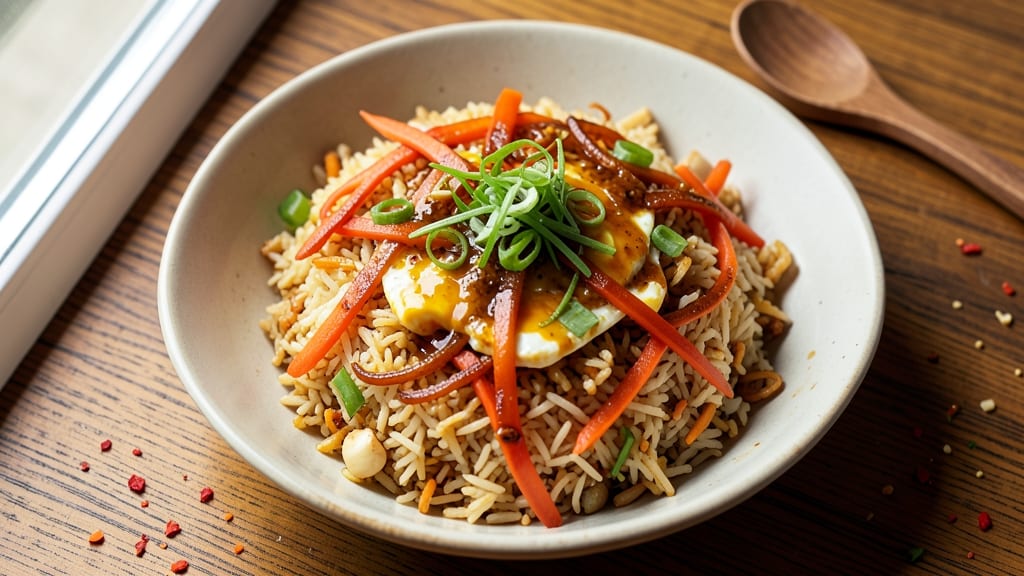
This Chings fried rice masala recipe delivers restaurant-quality wok perfection with eggs—spicy, aromatic, and packed with bold flavors in every bite. The secret lies in perfectly timed stir-frying over high heat, where the masala blend infuses the rice with layers of warmth while keeping it tender.
I've refined this recipe over countless wok sessions, ensuring the eggs stay creamy, the vegetables stay crisp, and the spices harmonize without overpowering.
The foundation of great Chings fried rice is day-old rice—just enough texture to hold up to the wok's heat while absorbing the masala's complex flavors.
We'll build the dish in stages: first toasting the spices, then quickly cooking the protein, and finally folding everything together with a splash of soy sauce for that signature umami depth.
This isn't just fried rice; it's a symphony of textures and aromas that transforms a simple meal into something extraordinary.
What you'll achieve is a plate of golden, fragrant fried rice with perfectly cooked eggs nestled among vibrant vegetables and a generous dusting of masala spices. The high-heat stir-fry technique creates that signature smoky aroma while keeping the rice separate and distinct—no mushy bites here.
Each forkful delivers a perfect balance of heat, savory, and texture that'll have you reaching for seconds.
This recipe works equally well with chicken, shrimp, or tofu as the protein base, making it versatile for any dietary preference. The masala blend can be adjusted to suit your spice tolerance, but the technique remains the same: high heat, quick cooking, and constant motion.
Let's create this wok masterpiece that tastes like your favorite takeout but with restaurant-quality control in your kitchen.
Ingredients for chings fried rice masala
Day-old rice, fresh eggs, and bold spices—this is your wok's new best friend.
| Ingredient | Amount | Notes |
|---|---|---|
| Day-Old Cooked White Rice 🍚 | 4 cups | Cold, dry, and separated |
| Large Eggs 🥚 | 4 whole | Fresh, room temperature |
| Carrots 🥕 | 1 cup | Diced into small pieces |
| Green Onions 🧅 | ½ cup | Thinly sliced, white and green parts |
| Fresh Ginger 🌿 | 1 ½ tbsp | Finely grated, fresh |
| Garlic Cloves 🧄 | 4 cloves | Minced, aromatic |
| Vegetable Oil 🫒 | ½ cup | High smoke point |
| Light Soy Sauce 🥄 | ¼ cup | Kikkoman preferred |
| Dark Soy Sauce 🥄 | 1 tbsp | For color and depth |
| Chings Fried Rice Masala 🌶️ | 2 tbsp | Store-bought or homemade blend |
| Sesame Oil 🫒 | 1 tsp | For aroma, added last |
| Salt 🧂 | ½ tsp | Adjust to taste |
| White Pepper 🌶️ | ¼ tsp | Freshly ground |
| Green Chilies 🌶️ | 2 whole | Sliced, optional for heat |
The rice is non-negotiable—day-old and completely cooled—fresh rice turns to mush. Trader Joe's sells pre-cooked rice in the freezer section if you're short on time, but homemade is always better. For the masala, Penzeys or local Indian markets carry the best blends—look for one with cumin, coriander, turmeric, and chili. Fresh ginger and garlic? Buy organic—the skin-on versions at Whole Foods are perfect for grating. If you're using pre-minced garlic, toast it in oil for 30 seconds first to deepen the flavor.
No chili powder? Substitute cayenne at half the amount—but trust me, the masala blend is worth hunting down. Short on soy sauces? Oyster sauce works in a pinch (use half the light soy amount), though it adds depth you won't get elsewhere. The green onions can be swapped for scallions or regular onions, but the white parts add that signature crispness. For extra protein, add diced chicken or shrimp—cook it separately and fold in at the end. And if you're avoiding eggs, silken tofu works surprisingly well—just cube it small so it cooks fast.
Rice keeps 5 days in the fridge, so make extra. The masala blend stays potent for 3 months in a sealed jar. For the eggs, crack them into a bowl first—no shells in your wok. Prep all your veggies and proteins before heating the wok. This dish reheats beautifully—2 minutes in the microwave with a splash of water restores the crispness. Freeze portions for up to 2 months—just thaw overnight in the fridge before reheating.
Why You'll Love This Recipe
- One-Pan Magic: I swear by this recipe when I’m too tired to wash dishes—just stir-fry the rice, scramble those eggs right in the pan, and toss in the shredded carrots and ginger. The eggs soak up all the masala flavors like a sponge, and the green onions add a fresh finish without extra cleanup.
- Ginger-Zing Kick: That fresh ginger isn’t just for show—it’s the secret weapon. I’ll be real: the first time I skipped it, the dish felt flat. Now? The heat from the ginger balances the sweetness of the carrots and the richness of the eggs, giving it this just-right spicy-sweet punch that’s impossible to resist.
- Lunchbox Hero: Between us, this is my go-to for meal prep. I make a big batch on Sundays, portion it into containers, and it stays fresh for days. The day-old rice is key—it’s dry enough to sizzle perfectly, and the eggs keep it hearty. Pack it cold or reheat it, and it’s always a hit, even with picky eaters.
- Budget Win: Honestly, this recipe is my wallet’s best friend. Eggs, rice, and carrots are cheap staples, and a little ginger goes a long way. I stretch it into two meals by saving half for lunch the next day, and the leftovers taste just as good reheated as they do fresh. No waste, all flavor.
Step-by-step instructions for Chings fried rice masala
Here's how to make this restaurant-quality dish with bold flavors and perfect texture.
Prepare the Base Ingredients
Start by separating the 4 cups day-old cooked white rice into individual grains using your fingers. Spread it on a tray and let it sit for 5 minutes to dry out slightly—this prevents a mushy final dish. In a bowl, whisk together the 4 whole large eggs until the yolks and whites are fully combined. Set aside.
Finely grate the 1.5 tablespoons fresh ginger and mince the 4 cloves garlic—both should be as fine as possible for even distribution of flavor. Thinly slice the 0.5 cup green onions, keeping the white and green parts separate for garnish later. Dice the 1 cup carrots into small, even pieces that will cook quickly in the wok.
Cook the Eggs and Aromatics
Heat a large wok or skillet over medium-high heat until it's smoking hot. Add 0.25 cup vegetable oil and swirl to coat the bottom. Pour in the beaten eggs and let them sit undisturbed for 10-15 seconds until they start to set at the edges. Gently push the eggs from one side to the other, folding them as they cook, until they're just set but still slightly runny—this creates that signature silky texture. Remove the eggs and set aside.
In the same wok, add the 0.5 cup vegetable oil (if needed) and heat until shimmering. Add the 1.5 tablespoons grated ginger and 4 cloves minced garlic, stirring constantly for 30 seconds until fragrant but not browned. Toss in the 1 cup diced carrots and stir-fry for 2 minutes until they begin to soften. This quick cooking preserves their crunch while building flavor.
Stir-Fry the Rice
Add the separated rice to the wok and spread it evenly across the surface. Stir-fry for 2-3 minutes until the rice is heated through and any excess moisture evaporates. This is where the magic happens—you want the rice to be hot and slightly dry before adding the sauces. If it sticks too much, add a splash of water and keep stirring.
Pour in the 0.25 cup light soy sauce and 1 tablespoon dark soy sauce, stirring constantly to coat every grain of rice. The dark soy sauce will give your dish that signature deep color. Add the 2 tablespoons chings fried rice masala and stir for another 1 minute until the spices bloom and the rice absorbs all the flavors. Taste and adjust seasoning with the 0.5 teaspoon salt if needed.
Combine and Finish
Return the cooked eggs to the wok and gently fold them into the rice mixture. Stir in the 2 sliced green chilies (if using) and the 0.25 teaspoon white pepper, tossing everything together for 1-2 minutes until well combined. The heat from the wok will mingle all the flavors beautifully.
Drizzle in the 1 teaspoon sesame oil and toss one final time. The aroma should be intoxicating—nutty, spicy, and savory all at once. Taste again and adjust seasoning if needed. Plate immediately, garnishing with the reserved green onion whites for color and the green parts for freshness. Serve hot with extra chili slices on the side if desired.
Pro Tips For Making Chings Fried Rice Masala
- CRACK EGGS SEPARATELY: Scramble one egg first, then push it to the side and fry the second—this keeps the rice from turning into egg soup. I learned this the hard way when my first batch turned into a sad, watery mess.
- GINGER SLICE THIN: Use a mandoline or sharp knife to slice ginger paper-thin—it cooks fast and adds bright flavor without overpowering. Thick chunks just sit there like forgotten garnish.
- CARROTS SMALL, NOT SLAB: Dice carrots into ¼-inch cubes and parboil for 2 minutes before frying—this prevents them from turning mushy and ensures they soak up the masala. Big chunks? They’ll just sit there, stubborn and raw.
- RICE DRY, THEN STIR: Spread cold rice on a tray and let it air-dry for 10 minutes before frying—this prevents steam and keeps the grains separate. Wet rice? You’re making porridge, not fried rice.
Common mistakes when making your chings fried rice masala
Overcrowding the Wok
This is the #1 mistake that ruins texture—packing too much rice or ingredients into your wok causes steaming instead of stir-frying. The goal is to keep everything moving and exposed to the heat. I've seen firsthand how overcrowding turns perfectly good rice into a soggy mess.
When stir-frying the rice, work in batches if needed, and keep the pile no thicker than 1 inch. A 14-inch carbon steel wok from Mauviel is my go-to because its wide surface area prevents overcrowding. 🔥
Skipping the Rice Separation
Freshly cooked rice clumps together and releases too much moisture when stir-fried, leading to a gummy final dish. The key is to break up all the grains and spread them out to dry slightly before cooking.
I like to use my fingers to separate the rice, but if you're short on time, a rice paddle works well. Never use freshly cooked rice—it's a recipe for disaster. Even Trader Joe's pre-cooked rice works if you spread it out to dry for 10 minutes first.
Low Heat Cooking
Chings fried rice demands high heat to develop that signature smoky aroma and crisp edges. Cooking at medium heat or lower results in bland, steamed rice with no wok hei (breath of the wok). Your wok should be preheated until it's smoking hot before adding oil.
I use a propane burner for maximum heat control—it gets hotter than electric stovetops. If your wok isn't hot enough, you'll end up with mushy rice and undercooked eggs.
Adding Sauce Too Early
Introducing soy sauce or masala before the rice is properly heated causes the spices to cook in the liquid rather than bloom on the rice grains. The correct order is rice first, then sauces, then eggs.
I've made this mistake too many times—adding sauce too soon creates a paste that sticks to the wok. Wait until the rice is hot and slightly dry before adding the soy sauces and masala. This ensures even distribution and maximum flavor absorption.
Undercooked Eggs
Eggs should be set but still slightly runny in the center when folded into the rice—this creates that signature silky texture. Overcooking them turns them rubbery, while undercooking leaves them raw.
The trick is to cook them just until they're 80% set (about 10-15 seconds after pushing them from one side to the other). Remove them immediately when they start to hold their shape but still have that custard-like center. If you're unsure, cut one open to check the doneness.
Ignoring the Sesame Oil
Many home cooks skip the final drizzle of sesame oil, missing out on the dish's aromatic depth. This last step is crucial—it adds that nutty, toasty aroma that makes Chings fried rice truly special. Add it just before plating and toss gently to distribute.
I like to use Kadoya brand sesame oil for its rich flavor. If you're sensitive to strong flavors, start with ½ teaspoon and adjust to taste.
Nutrition facts
Frequently asked questions
Why does the recipe call for day-old rice instead of freshly cooked?
Day-old rice has dried out and lost its excess moisture, which prevents it from turning mushy when stir-fried. Freshly cooked rice releases too much steam and sticks together, creating a gummy texture. The slight dryness also helps the rice absorb the masala flavors more evenly. Spread leftover rice on a tray after cooking to speed up the drying process if needed.
Can I make this recipe without eggs?
For a vegetarian version, substitute the eggs with ½ cup silken tofu (cubed) or ½ cup diced firm tofu that's been pan-fried until golden. Cook the tofu separately and fold it in at the end just like the eggs. The texture will be slightly different but still delicious. You could also add extra vegetables like bell peppers or snap peas for more substance.
What's the best way to adjust the spice level?
Start by reducing the chings fried rice masala by half if you prefer milder heat. For extra spice, add 1-2 extra green chilies or a pinch of cayenne pepper. Remember that the masala blend already contains chili, so adjust gradually. Taste the rice after adding the masala but before adding the eggs - this is your best chance to adjust the heat level before committing to the final dish.
How do I know when my wok is hot enough?
The wok should be preheated until it's smoking hot before adding oil - you should see wisps of smoke when you add a drop of water. If your wok isn't hot enough, the rice will steam instead of stir-fry, resulting in a soggy texture. For electric stoves, let the wok heat for 5-7 minutes on high. Gas stoves heat faster - about 3-5 minutes. A properly heated wok will create that signature "wok hei" aroma.
Can I make this recipe in a regular skillet?
Yes, but with some adjustments. Use a 12-inch non-stick skillet for best results, and work in batches if needed to avoid overcrowding. The key is maintaining high heat and keeping everything moving. You won't get the same wok hei aroma, but the flavor will still be excellent. For even better results, use a carbon steel or cast iron skillet - they retain heat better than non-stick options.