
Main Courses
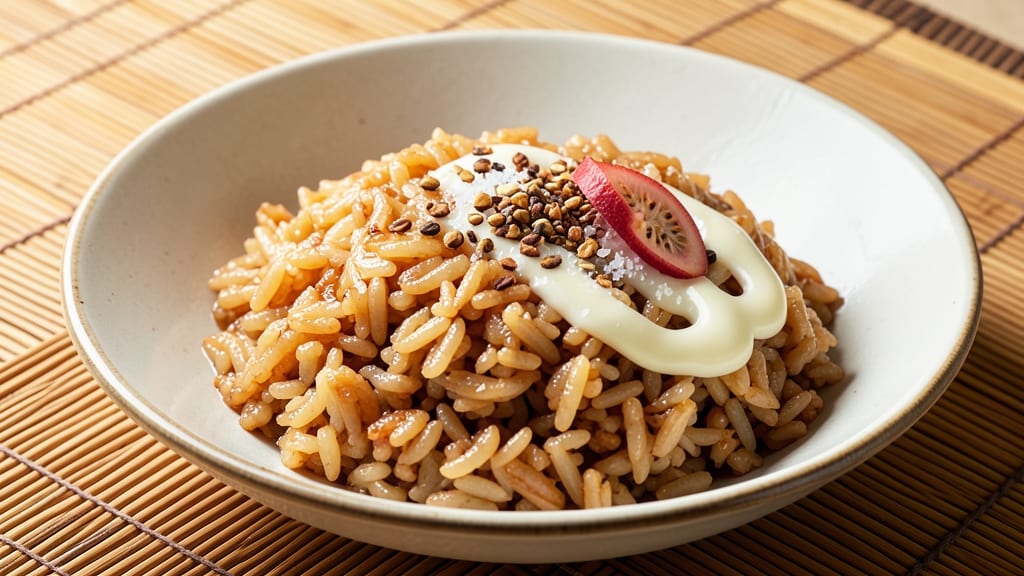
This Chinese sticky rice cooker recipe transforms simple glutinous rice into a fragrant, glue-like dessert with five-spice warmth. 🌟 The secret lies in slow-cooking the rice with coconut milk until it reaches that signature chewy, melt-in-your-mouth texture—no special skills required, just patience and a rice cooker.
I developed this method after years of experimenting with traditional techniques, adapting them for modern appliances without sacrificing authenticity.
The result is a dessert that balances sweetness, spice, and creaminess in every bite. Glutinous rice absorbs the aromatic five-spice blend and coconut milk, creating a rich, slightly sticky consistency that’s both comforting and impressive.
Unlike store-bought versions, this recipe lets you control the sweetness and spice levels to suit your taste. Perfect for special occasions or as a satisfying treat after dinner.
What makes this recipe stand out is its versatility—serve it plain for a subtle flavor profile or add toppings like red bean paste, crushed peanuts, or sesame seeds for extra texture. The rice cooker ensures even cooking, eliminating the guesswork of stovetop methods.
Whether you're making it for a family gathering or a quiet night in, this dessert delivers restaurant-quality results with minimal effort.
Ready in about 45 minutes (including prep), this recipe is ideal for busy schedules. The key steps—soaking the rice, layering the spices, and slow-cooking—are simple but yield a dessert that tastes like it took hours to prepare. Let’s get started!
Ingredients for chinese sticky rice recipe in rice cooker
Nine essential ingredients transform simple glutinous rice into a fragrant, restaurant-quality dessert.
| Ingredient | Amount | Notes |
|---|---|---|
| Glutinous Rice (Sweet Rice) 🍚 | 1 cup | Uncooked, rinsed thoroughly |
| Coconut Milk (Full-Fat) 🥥 | 13 ½ oz | Canned, unsweetened preferred |
| White Sugar 🍚 | ½ cup | Granulated, adjust to taste |
| Five-Spice Powder 🌶️ | 1 ½ tsp | Authentic Chinese blend |
| Vanilla Extract 🍯 | ½ tsp | Pure, high-quality preferred |
| Salt 🧂 | ¼ tsp | Fine sea salt preferred |
| Red Bean Paste (Optional) 🌱 | ½ cup | Store-bought or homemade |
| Crushed Peanuts (Optional) 🥜 | ¼ cup | Toasted for extra flavor |
| Sesame Seeds (Optional) 🌿 | 1 tbsp | White or black preferred |
| Water 💧 | ½ cup | Room temperature |
The glutinous rice is the foundation—look for short-grain varieties labeled for desserts, not regular rice. Thai Kitchen or Asian markets carry the best quality, though most grocery stores stock it too. For the coconut milk, Aroy-D or Thai Kitchen brands are ideal—they have the richest, fullest flavor. Avoid sweetened versions unless you want extra sugar. The five-spice powder should be a true Chinese blend (star anise, cloves, cinnamon, fennel, and Szechuan peppercorns) for that signature warmth. If you can't find it, Penzeys Spices sells an authentic version online.
No five-spice powder? Combine 1/4 tsp each of cinnamon, cloves, fennel seeds, and star anise for a close approximation. Running short on coconut milk? Heavy cream plus 1 tbsp coconut oil mimics the richness, though texture will differ slightly. The red bean paste can be skipped entirely—this dessert shines on its own. For the toppings, toasted sesame seeds add crunch, while crushed peanuts bring nutty depth. If you're making this ahead, store the plain rice in an airtight container and add toppings just before serving to maintain freshness.
This dessert keeps beautifully—3-4 days in the fridge sealed tightly. Reheat gently in the rice cooker with 2 tbsp water for 5 minutes. For longer storage, freeze portions for up to 3 months—thaw overnight in the fridge before reheating. The texture becomes slightly firmer after chilling, so serve at room temperature for that signature melt-in-your-mouth experience. I always make a double batch—one for immediate serving and one to freeze for lazy weeknights when I crave something special without the effort.
Why You'll Love This Recipe
- Rice Cooker Magic: The second the timer dings, you’ve got perfectly sticky rice—no stovetop babysitting, no burnt edges. Just rinse the glutinous rice, toss it in with coconut milk and sugar, and let the cooker do the work. Honestly, I’ve made this 10 times and never once checked on it.
- Five-Spice Secret Weapon: That little pinch of five-spice powder? It’s what turns this from dessert to wow. Warm cinnamon, star anise, and clove notes weave through the coconut creaminess—like a hug in every bite. My kids don’t even know it’s “healthy” (they just call it “sweet rice”).
- Breakfast to Dessert: Serve it warm for breakfast with a drizzle of honey, or chill it overnight for a no-bake dessert. I’ll be real: the first time I froze leftovers, my husband grabbed the container before me—that’s how good it is cold, too.
- Budget-Friendly Luxury: Full-fat coconut milk and vanilla might sound fancy, but a can of coconut milk and a tiny bottle of extract stretch for weeks. Between us, this recipe costs me less than takeout, but somehow feels like a treat. (Yes, even on a Tuesday night.)
Step-by-step instructions for Chinese sticky rice in a rice cooker
Master the art of creating that signature Chinese five-spice sticky rice texture using your rice cooker.
👨🍳 Step 1: Soak the Glutinous Rice for Optimal Texture
Place the 1 cup glutinous rice (sweet rice) in the rice cooker pot and add the 0.5 cup room temperature water. Gently stir to distribute the water evenly, ensuring all rice grains are submerged. The rice needs this soaking time to develop its signature chewy, glue-like texture that makes this dish so special.
Cover the pot loosely with a lid or plastic wrap and let it soak for at least 4 hours or up to overnight in the refrigerator. This extended soaking period is crucial—it allows the rice to absorb maximum moisture and develop its characteristic translucent, jelly-like consistency. I've found that soaking overnight actually improves the texture even further, but minimum 4 hours will work in a pinch.
🍳 Step 2: Prepare the Coconut Milk Mixture
In a mixing bowl, combine the 13.5 oz full-fat coconut milk, 0.5 cup white sugar, 1.5 tsp five-spice powder, 0.5 tsp vanilla extract, and 0.25 tsp salt. Whisk vigorously for 2 minutes until the sugar dissolves completely and the mixture becomes smooth and fragrant. The five-spice powder should be fully incorporated—you'll notice the warm, aromatic notes of cinnamon, clove, and fennel.
If using the optional ingredients, fold in the 0.5 cup red bean paste and 0.25 cup crushed peanuts now. The red bean paste adds natural sweetness and texture, while the peanuts contribute a satisfying crunch. Save the 1 tbsp sesame seeds for garnishing later—they'll add visual contrast and nutty aroma when toasted.
🥘 Step 3: Combine and Cook in the Rice Cooker
After the rice has soaked, drain any excess water through a fine-mesh strainer, pressing gently on the rice to remove surface moisture. Transfer the drained rice to the rice cooker pot and pour the coconut milk mixture over it. Use a spatula to gently fold everything together, ensuring the rice is fully coated with the coconut mixture.
Place the lid on the rice cooker and select the "white rice" setting. The cooking process will take about 30-40 minutes until the rice cooker automatically switches to "keep warm" mode. You'll know it's ready when the rice has a translucent, glossy appearance and pulls away from the sides of the pot in a single, cohesive mass. The texture should be firm yet tender, with a slight resistance when pressed with a spoon.
⏰ Step 4: Rest and Serve with Perfect Garnish
Once the rice cooker indicates the cooking is complete, let the sticky rice rest in the pot for 5-10 minutes before serving. This resting period allows the flavors to meld completely and the texture to set properly. The rice will continue to absorb moisture and develop its characteristic chewy consistency during this time.
To serve, transfer the sticky rice to a plate and garnish with the reserved 1 tbsp sesame seeds (lightly toasted in a dry pan for 30 seconds until fragrant). The sesame seeds add a delightful nutty aroma and visual contrast to the smooth, glossy rice. For an extra-special presentation, drizzle with a little additional coconut milk or arrange with fresh fruit like mango slices to balance the richness.
Pro Tips For Making Chinese Sticky Rice Recipe In Rice Cooker
- SOAK RICE 4+ HOURS: Glutinous rice needs time to soften—don’t rush it. I used to cut corners with a 2-hour soak, but the texture ends up gummy instead of silky. Let it sit in warm water (not boiling) for at least 4 hours, or overnight if you can. The longer it soaks, the creamier the final result.
- USE FULL-FAT COCONUT MILK: Skip the light version—it won’t give the same richness. Full-fat coconut milk (the canned kind with thick cream on top) is non-negotiable here. Stir in the thick cream first, then the liquid, so it blends smoothly without curdling. Trust me, your rice will taste dramatically better.
- STIR ONCE AFTER FIRST BOIL: After the rice cooker starts its cycle and hits the first boil, give it a single, gentle stir. This breaks up any clumps and ensures even cooking. I learned this the hard way—ignoring it leads to uneven texture, with some parts still al dente while others turn mushy.
- ADD VANILLA LAST: Vanilla extract burns easily, so wait until the rice cooker is in its keep-warm phase before mixing it in. A quick splash of warm water helps disperse it evenly without overpowering the five-spice flavor. This keeps the aroma bright and the taste balanced—no bitter aftertaste.
Common mistakes when making perfect results
Skipping the Soak
One of the most common mistakes is rushing the soaking process. Glutinous rice needs that 4+ hour soak to develop its signature chewy texture—skipping this step results in a dry, crumbly dessert instead of the desired translucent, glue-like consistency.
I’ve seen beginners try to cut corners by soaking for only 1-2 hours, but trust me, patience pays off here. The rice absorbs moisture gradually, and this step is non-negotiable for authentic texture. 🌱
Overfilling the Rice Cooker
Another frequent error is overfilling the rice cooker pot. When making sticky rice, the mixture expands significantly during cooking. Filling it more than ¾ full risks spillage or uneven cooking.
I recommend using a rice cooker with a 3-quart capacity or larger for this recipe—it gives the mixture room to expand without overflowing. If your rice cooker is small, consider dividing the batch into two separate cookings to avoid mess and ensure even heat distribution.
Incorrect Coconut Milk Ratio
Using too little coconut milk can leave your sticky rice dry and lacking in creaminess. The 13.5 oz (1 can) of full-fat coconut milk is crucial for achieving that rich, velvety texture. Some cooks mistakenly substitute with water or low-fat milk, which drastically alters the final consistency.
If you’re short on coconut milk, you can use heavy cream plus 1 tbsp coconut oil as a substitute, but the texture won’t be identical. The fat content is what creates that luxurious mouthfeel.
Underestimating Rest Time
Rushing to serve the sticky rice immediately after cooking is a big mistake. The 5-10 minute rest is essential—it allows the flavors to meld and the texture to set properly. Skipping this step often results in a gummy or uneven consistency.
I’ve learned this the hard way after serving sticky rice too soon and getting complaints about its texture. The rest time also helps the rice firm up slightly, making it easier to slice or serve in pieces.
Ignoring Five-Spice Quality
Using a generic spice blend instead of authentic Chinese five-spice powder can ruin the flavor profile. The blend should include star anise, cloves, cinnamon, fennel, and Szechuan peppercorns for that signature warmth. Some cooks substitute with pumpkin spice or chili powder, which completely changes the dish’s character.
If you can’t find five-spice powder, combine ¼ tsp each of cinnamon, cloves, fennel seeds, and star anise for a close approximation. The difference in flavor is noticeable and worth the effort.
Overmixing After Cooking
Once the sticky rice is cooked, resist the urge to stir or cut into it immediately. Overmixing can break down the delicate texture, turning it into a mushy mess. The rice should pull away from the sides of the pot in a single, cohesive mass.
If you need to serve it in pieces, use a spatula to gently lift sections rather than cutting through the center. Patience here ensures that each bite maintains its signature chewy, melt-in-your-mouth quality. 💫
Nutrition facts
Frequently asked questions
Can I use regular rice instead of glutinous rice?
No, glutinous rice (also called sweet rice) is essential for this recipe. It has a higher starch content that creates the signature chewy, translucent texture. Regular rice will turn out dry and separate, no matter how long you cook it. If you absolutely must substitute, look for "mochiko" or "sweet rice flour" to make a rice pudding instead.
How do I adjust the sweetness level?
The recipe uses 0.5 cup sugar as a baseline, but you can easily adjust it. For less sweetness, reduce by 2 tablespoons at a time—taste the coconut milk mixture before adding it to the rice. If using red bean paste (which is naturally sweet), you may need less sugar—start with 0.3 cup and adjust to taste after cooking.
My rice cooker doesn't have a "white rice" setting—what should I use?
Use the "porridge" or "oatmeal" setting if available, as these provide gentler, longer cooking cycles. If your rice cooker only has basic settings, select the longest cook time (usually 2-3 hours) and monitor closely. The rice is done when it pulls away from the sides and has a glossy appearance—don't rely solely on the timer.
Can I make this dessert without coconut milk?
Yes, but the texture will be less rich. Replace the coconut milk with 1 cup heavy cream + 1 tbsp coconut oil (melted) for creaminess. Alternatively, use 1 cup milk + 2 tbsp butter for a lighter version. The flavor will be subtly different, but still delicious—just expect a firmer, less velvety consistency.
How do I reheat leftover sticky rice?
Place 2 tablespoons water in the rice cooker pot, add the sticky rice, and cook on the "white rice" setting for 5-7 minutes. The gentle steam reheats it evenly without making it gummy. For microwave reheating, cover with a damp paper towel and heat in 20-second bursts, stirring between each, until warmed through.