
Main Courses
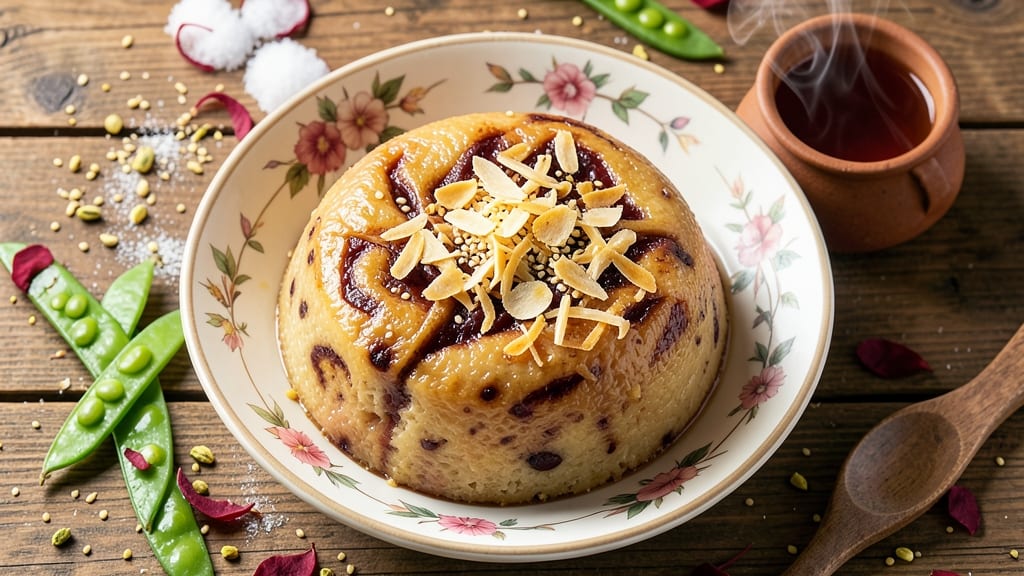
This Chinese red bean rice cake recipe delivers the perfect balance of chewy texture and sweet-savory filling that makes it a staple during Lunar New Year celebrations.
The traditional Nian Gao combines glutinous rice flour and red bean paste for a dish that's both comforting and symbolic—representing prosperity and growth in Chinese culture. What sets this recipe apart is the steaming technique that creates that signature tender-yet-firm texture.
The result is a beautifully layered cake with a smooth, glossy exterior and a rich, slightly sticky interior. Each bite offers a harmonious blend of sweet red bean paste and the subtle nuttiness of rice flour, making it a versatile dish that works as a dessert or light meal.
Whether you're preparing for a special occasion or simply craving something authentically comforting, this recipe brings authentic Chinese flavors to your kitchen.
Ingredients for chinese red bean rice cake
Authentic Chinese ingredients blending tradition with delicate technique for this iconic dessert.
| Ingredient | Amount | Notes |
|---|---|---|
| Glutinous Rice Flour 🌾 | 2 cups | High-quality, fine-milled preferred |
| Red Bean Paste 🌱 | 1 ½ cups | Smooth, unsweetened variety |
| Granulated Sugar 🍬 | ½ cup | White or light brown preferred |
| Water 💧 | 1 ¼ cups | Room temperature preferred |
| Vegetable Oil 🫒 | ¼ cup | Light, neutral flavor preferred |
| Red Food Coloring 🎨 | 1 tsp | Natural or artificial, food-grade |
| Baking Powder 🧂 | 1 tsp | Double-acting preferred |
| Salt 🧂 | ½ tsp | Fine sea salt preferred |
| Sesame Oil 🌿 | 1 tbsp | Toasted, for aroma |
| Lotus Leaf 🌺 | 2 whole | For steaming, optional |
| Aluminum Foil 📄 | 1 sheet | Heavy-duty, for wrapping |
The glutinous rice flour is the heart of this recipe—Bob's Red Mill brand delivers consistent quality, but ensure it's 100% pure to avoid grittiness. Red bean paste should be smooth and unsweetened; H Mart or Asian grocery stores carry excellent brands like Fu Chun. For the red food coloring, natural options like annatto powder (mixed with oil) provide vibrant color without artificial additives. The lotus leaf adds authenticity but can be substituted with parchment paper if unavailable—just ensure it's large enough to wrap the cake.
No red bean paste? Homemade version using cooked adzuki beans blended with sugar works well. Vegetable oil can be swapped for melted coconut oil for a subtle flavor shift. If your baking powder is old (over 6 months), toast it lightly in a dry pan to reactivate. The sesame oil should be toasted—Trader Joe's carries excellent pre-toasted varieties. For a less sticky texture, reduce water by 1 tbsp, but the traditional chewiness comes from the full amount.
Store unsteamed batter in an airtight container for up to 3 days in the fridge. Steamed cakes keep for 5 days refrigerated or 3 months frozen—wrap tightly in plastic and foil. To reheat, steam for 5-7 minutes for the best texture. For special occasions, prepare ahead and freeze portions—thaw overnight in the fridge before steaming.
Why You'll Love This Recipe
- I’ll be real: this dough comes together with zero fuss. Just mix glutinous rice flour, sugar, and water—no rolling, no shaping stress—then steam it until the edges turn golden. That’s it. Even my toddler could help (though I usually let her "supervise" the steaming part).
- No-Knead Magic: I’ll be real: this dough comes together with zero fuss. Just mix glutinous rice flour, sugar, and water—no rolling, no shaping stress—then steam it until the edges turn golden. That’s it. Even my toddler could help (though I usually let her "supervise" the steaming part).
- Sweet-Savory Balance: The red bean paste isn’t just filling—it’s rich, with that deep, caramelized sweetness that cuts through the soft, chewy rice. Honestly, the first time I bit into one still warm, I nearly dropped the whole pan. That’s how good it is.
- Steam-and-Go Prep: Between us, this is my go-to for lazy Sundays or last-minute gifts. Steam a batch, let them cool, and they’ll keep for weeks in the fridge—perfect for school lunches, office snacks, or surprising a neighbor. No reheating needed; just grab and go.
Step-by-step instructions for Chinese red bean rice cake
Mastering these precise steps yields a perfectly chewy, sweet-savory cake with vibrant color and balanced texture.
Prepare the Dough Mixture
In a large mixing bowl, combine the 2 cups Glutinous Rice Flour, 1.5 cups Red Bean Paste, 0.5 cup Granulated Sugar, 1 tsp Baking Powder, and 0.5 tsp Salt. Mix thoroughly using a silicone spatula until the ingredients are evenly distributed and no dry spots remain. The dough should appear slightly crumbly but cohesive.
Next, create a well in the center and pour in the 1.25 cups Water and 0.25 cup Vegetable Oil. Gradually incorporate these wet ingredients into the dry mixture, mixing gently until a thick, malleable dough forms. If the dough feels too dry, add 1 tablespoon of water at a time until it reaches a smooth, pliable consistency that holds together when pressed.
Incorporate Color and Aroma
Transfer the dough to a clean work surface and knead it gently for 2-3 minutes until smooth. Add the 1 tsp Red Food Coloring and 1 tbsp Sesame Oil, then continue kneading until the color is evenly distributed throughout the dough and the sesame aroma is fully incorporated. The dough should be soft yet firm enough to hold its shape when rolled.
Divide the dough into 6 equal portions (about 4 ounces each), rolling each into a smooth ball. This ensures even cooking and consistent texture across all cakes. Cover the remaining dough with plastic wrap to prevent drying while you shape the rest.
Shape and Wrap the Cakes
Place one of the 2 whole Lotus Leaf on a flat surface and position a dough ball in the center. Using your palms, gently flatten the dough into a 3-inch diameter circle, about ½-inch thick. The edges should be slightly thicker than the center to prevent cracking during steaming.
Carefully wrap the shaped cake in the Lotus Leaf, tucking the edges inward to fully enclose the dough. Repeat this process with the remaining dough balls and lotus leaves. If you don't have lotus leaves, wrap each cake tightly in the Aluminum Foil instead, ensuring no air gaps remain.
Steam to Perfection
Arrange a steamer basket in a large pot and fill the pot with 2 inches of water, bringing it to a rolling boil over medium-high heat. Once boiling, place the wrapped cakes in the steamer basket, ensuring they don't touch each other. Cover with a lid and steam for 45-50 minutes until the cakes are firm to the touch and the lotus leaves (or foil) feel dry when lifted.
Remove the cakes from the steamer and let them cool completely on a wire rack before unwrapping. The cakes should have a vibrant red hue, a chewy yet firm texture, and a subtle sweet-savory flavor from the red bean paste. If the exterior appears slightly undercooked, steam for an additional 5-10 minutes until set.
Pro Tips For Making Chinese Red Bean Rice Cake
- STEAM ON MEDIUM-HIGH: The pan’s heat should be steady but not boiling—think gentle bubbles, not a rolling boil. Too low and the cake stays gummy; too high and the bottom burns before the center sets. I learned this the hard way after a lopsided cake that was crisp on the outside and raw inside.
- CHILL THE DOUGH: Let the mixed batter rest uncovered in the fridge for at least 30 minutes. This isn’t just about convenience—it lets the glutenous rice flour absorb moisture evenly, so the cake doesn’t crack when steamed. (Yes, even if you’re impatient like me.)
- PRESS FIRM, NOT HARD: Pack the dough into the mold with steady pressure, but don’t overcompress—it’ll make the texture dense instead of light and fluffy. Use the back of a spoon to smooth the top after pressing, and tap the mold gently on the counter to eliminate air pockets.
- SUGAR IN LAYERS: Sprinkle half the sugar over the red bean paste before adding the dough, then top with the rest after pressing. This keeps the filling from turning into a sticky mess and ensures even sweetness throughout. (Your future self will thank you.)
Best sauces and condiments for this chinese red bean rice cake
Sweet-Savory Glaze
Elevate your red bean rice cakes with a honey-soy glaze—mix 2 tbsp honey with 1 tbsp soy sauce and ½ tsp grated ginger. Brush lightly over the steamed cakes while still warm for a glossy finish and umami depth.
For extra richness, add 1 tsp toasted sesame oil to the glaze. This pairing mirrors traditional Chinese dessert techniques where sugar and savory elements balance beautifully. 🍯
Spiced Plum Sauce
Serve your cakes with a warm spiced plum sauce—simmer ½ cup plum jam with 1 tsp star anise, ½ tsp cinnamon, and 1 tbsp rice vinegar for 5 minutes. The tartness cuts through the sweetness while the spices add warmth.
I love drizzling this over sliced cakes for a restaurant-quality touch. Store-bought plum sauce (like Lee Kum Kee) works in a pinch too. 🍑
Coconut Milk Drizzle
For a tropical twist, reduce ½ cup coconut milk with 1 tbsp sugar until slightly thickened. Drizzle over the cakes just before serving—this adds a creamy contrast to the chewy texture. Pair with toasted mung bean threads for crunch. This variation is especially popular in Southeast Asian-inspired celebrations. 🥥
Sesame-Garlic Dust
Create a sesame-garlic dust by blending 2 tbsp toasted sesame seeds with 1 tsp garlic powder and ½ tsp salt. Sprinkle generously over sliced cakes for a nutty, aromatic finish. This technique is inspired by traditional Chinese dim sum presentations, where textures and flavors are layered thoughtfully. 🌿
Matcha Green Tea
Serve your cakes with chilled matcha green tea—whisk 1 tsp matcha powder with 4 oz hot water, then chill. The earthy bitterness of matcha complements the sweetness of the red bean filling perfectly.
For an extra touch, add a few drops of vanilla extract to the tea. This pairing is a favorite during Chinese tea ceremonies. ☕
Red Bean Paste Spread
For a make-ahead option, prepare extra red bean paste and spread it between two thinly sliced cakes. This creates a layered dessert that’s easy to transport and serves beautifully at gatherings. The filling stays moist and flavorful, making it a crowd-pleaser for Lunar New Year celebrations. 🌱
Nutrition facts
Frequently asked questions
Why is my red bean rice cake too sticky?
The dough should be pliable but not overly wet. If it's too sticky, you likely added too much water. Reduce by 1 tablespoon next time—traditional cakes rely on precise ratios for that signature chewy texture. Let the dough rest for 10 minutes after mixing to help it firm up naturally.
Can I make these cakes without a steamer?
Use a bamboo basket lined with parchment paper over a pot of boiling water, or even a microwave-safe dish with 1 cup water below (cover with damp paper towels and microwave for 3-4 minutes at 50% power). The key is maintaining steady moisture—just check for doneness 5 minutes earlier than steaming.
How do I store these cakes for Lunar New Year?
Wrap cooled cakes tightly in plastic wrap, then place in an airtight container for up to 5 days at room temperature. For longer storage, freeze for 3 months—thaw overnight in the fridge before serving. The texture remains perfect when properly stored! Traditional families often prepare these weeks ahead for celebrations.
What's the difference between red bean paste and adzuki beans?
Red bean paste is pre-cooked, mashed adzuki beans mixed with sugar for sweetness. Using whole adzuki beans requires 1 hour simmering with sugar until soft, then blending. The paste saves time but offers consistent texture—both work, though paste gives more predictable results. For authenticity, choose unsweetened paste.
Can I add other fillings besides red bean?
Yes! Try lotus paste, black sesame paste, or even chestnut filling for variety. Just adjust sweetness—some pastes are naturally sweeter than red bean. Keep the filling ratio at 1.5 cups total to maintain the cake's structure. The key is balancing flavors while keeping the dough pliable.