
Main Courses
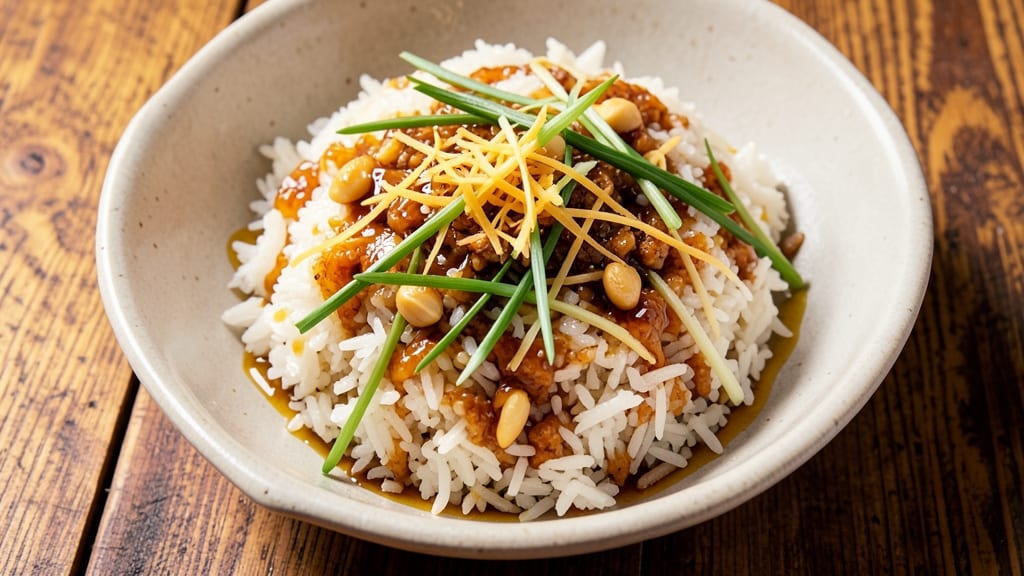
This Chinese ginger rice recipe transforms simple jasmine rice into a fragrant, spice-infused dish with a zesty kick that pairs perfectly with stir-fried proteins.
The aromatic blend of fresh ginger, garlic, and scallions creates layers of flavor that elevate humble rice into a restaurant-worthy side or even a satisfying main course.
What makes this recipe special is how the ginger's heat mellows into a bright, citrusy depth as it cooks, while toasted sesame oil adds a nutty richness that ties everything together.
Perfect for weeknight dinners or weekend feasts, this dish comes together in under 30 minutes with just a handful of pantry staples. The technique is straightforward—sautéing aromatics in oil until fragrant, then folding them into freshly cooked rice for maximum flavor absorption.
Whether you're serving it alongside crispy pork, steamed vegetables, or a simple tofu stir-fry, the ginger rice brings a burst of freshness that cuts through richer dishes beautifully.
The key is using freshly grated ginger for the most vibrant flavor, and letting the rice sit covered for a few minutes after cooking ensures each grain stays tender and separate.
Ingredients for chinese ginger rice
Jasmine rice and fragrant aromatics create this vibrant, restaurant-style side dish with minimal effort.
| Ingredient | Amount | Notes |
|---|---|---|
| Jasmine Rice 🍚 | 1 ½ cups | Uncooked, long-grain preferred |
| Fresh Ginger Root 🌿 | ½ cup | Finely grated, peeled |
| Garlic Cloves 🧄 | 4 cloves | Minced, fresh preferred |
| Scallions 🧅 | ¼ cup | Thinly sliced, white and green parts |
| Toasted Sesame Oil 🫒 | 2 tbsp | For aroma and richness |
| Vegetable Oil 🫒 | 2 tbsp | High smoke point preferred |
| Low-Sodium Soy Sauce 🥢 | 1 tbsp | For umami depth |
| Sesame Seeds 🌰 | 1 tbsp | Toasted, for garnish |
| Lemon Juice 🍋 | 1 tbsp | Freshly squeezed |
| Salt 🧂 | ½ tsp | Kosher or sea salt |
| Black Pepper 🌶️ | ¼ tsp | Freshly ground |
| Water 💧 | 2 cups | For rice cooking |
The ginger is the heart of this dish—freshly grated makes all the difference. Look for plump, firm ginger roots at the produce section, avoiding any with soft spots or wrinkles. Whole Foods or Asian markets often carry the freshest ginger, but the regular grocery store variety works too if it's firm. For the garlic, three cloves gives you that perfect balance of aromatic punch without overpowering. Scallions can be swapped for regular onions if needed, but the milder flavor keeps this dish bright. Toast your sesame seeds in a dry pan for 30 seconds—this brings out their nutty flavor, which is worth the extra minute.
No fresh ginger? Ginger powder at half the amount works in a pinch, though it lacks the bright zing. Substitute the scallions with green onions or shallots if that's what you have. The soy sauce can be swapped for tamari if gluten-free is a concern, or mirin for a sweeter touch. For extra richness, add 1 teaspoon of miso paste to the aromatics. If you're short on time, jarred minced garlic is fine, but fresh always tastes better. The lemon juice can be omitted if you prefer a more neutral flavor profile, but it adds that bright citrus note that balances the ginger's heat.
Cook the rice in a pot with a tight-fitting lid to keep steam trapped. Let it sit covered for 10 minutes after cooking—this ensures each grain stays tender and separate. Store leftovers in an airtight container in the fridge for up to 4 days, though the flavor is best within the first 2 days. For a quick reheat, sprinkle a few drops of water over the rice and microwave for 1 minute. This dish freezes well for up to 3 months, though the texture may change slightly after thawing. Garnish with toasted sesame seeds just before serving to keep them crisp.
Why You'll Love This Recipe
- Here’s what sold me: a single head of ginger and a bulb of garlic last me weeks for this recipe. Jasmine rice is cheap, scallions grow wild in my garden, and that little bottle of sesame oil? I’ve had it for months. It’s the kind of meal that fills your plate without draining your wallet—or your patience.
- One-Pot Magic: I swear by this—just rice, ginger, garlic, and a splash of water. No boiling pots, no sticky mess, just fragrant steam filling my kitchen while I chop veggies for stir-fry. That sesame oil finish? The whole thing cooks in one pan, and cleanup is nonexistent.
- Ginger-Garlic Bomb: The moment that fresh ginger hits the pan, my whole kitchen smells like a dim sum spot. Thinly sliced garlic and scallions crisp just enough to add crunch, while the jasmine rice soaks up all that zesty, warm flavor. It’s the kind of dish where every bite tastes like you put in effort—even when you didn’t.
- Lunchbox Hero: Between us, this rice is my go-to for packed lunches. The ginger keeps it fresh for days (yes, really), and the sesame oil adds a little luxury that makes even a sad office salad feel special. My kids grab it straight from the fridge—no reheating needed—and it’s still ridiculously good.
Step-by-step instructions for Chinese ginger rice
Transform simple jasmine rice into aromatic, spice-infused grains with this precise method.
Prepare the Ginger-Garlic Aromatics
In a medium bowl, combine the 0.5 cup finely grated fresh ginger root and 4 cloves minced garlic cloves. Set aside for now—the freshness of these ingredients will carry through the entire dish. I like to use a microplane for the ginger to get fine, even shreds that will infuse the rice beautifully.
In a separate small bowl, whisk together the 2 tbsp toasted sesame oil, 1 tbsp low-sodium soy sauce, 1 tbsp lemon juice, 0.5 tsp salt, and 0.25 tsp black pepper. This marinade will create the signature zesty bite and aromatic depth of the dish. Let it sit while you prepare the remaining ingredients—this gives the flavors time to meld slightly.
Toast the Scallions and Sesame Seeds
Heat a small skillet over medium heat and add the 0.25 cup thinly sliced scallions. Toast for 2-3 minutes, stirring constantly, until the white parts turn golden and the green parts remain vibrant. Remove from heat immediately and set aside—this step adds a subtle sweetness that balances the ginger's sharpness.
In the same skillet, add the 1 tbsp sesame seeds and toast for 1-2 minutes until fragrant and lightly golden. Watch carefully—they burn quickly. Remove from heat and combine with the toasted scallions. These will serve as both garnish and flavor enhancers for the finished dish.
Cook the Rice with Aromatic Base
Heat 2 tbsp vegetable oil in a medium saucepan over medium-high heat. Add the ginger-garlic mixture and sauté for 1-2 minutes until fragrant. You'll notice the ginger releases its essential oils and the garlic begins to soften—this is your signal to add the rice.
Add the 1.5 cups jasmine rice and stir to coat the grains evenly with the aromatic oil. Pour in the 2 cups water and bring to a boil. Once boiling, reduce heat to low, cover tightly with a lid, and simmer for 15 minutes. This gentle cooking method preserves the rice's delicate texture while allowing the ginger and garlic flavors to infuse deeply.
Finish and Rest the Rice
After 15 minutes, remove the pan from heat and let it sit covered for 10 minutes. This resting period allows the rice to steam evenly and absorb all the aromatic flavors. I press down gently on the lid during the last few minutes to ensure even distribution of steam.
Once rested, fluff the rice gently with a fork and stir in the sesame oil-soy sauce mixture. The rice should be fragrant with a bright, zesty aroma. If it seems dry, add 1-2 tablespoons of water and stir gently to redistribute. The final texture should be moist but not mushy, with each grain distinct and infused with ginger's warmth.
Garnish and Serve
Transfer the rice to a serving bowl and sprinkle with the toasted scallions and sesame seeds. Toss gently to distribute evenly. The contrast of crispy seeds against the soft rice and bright green scallions adds both visual appeal and textural interest.
Serve immediately while the rice is still warm. The aroma should be intoxicating—ginger-forward with a subtle sweetness from the caramelized scallions. Each bite delivers a perfect balance of spice, umami, and citrus brightness, making this more than just rice—it's a flavor experience.
Pro Tips For Making Chinese Ginger Rice
- Sear the Ginger: DESCRIPTION: Hit that ginger with a quick sear in the dry pan first—just 30 seconds until fragrant and slightly charred. I learned this the hard way by skipping it; now the aroma hits you before you even taste it, and the rice gets that deep, layered flavor instead of just "ginger-y."
- Rinse Rice Twice: DESCRIPTION: Cold water rinse, twice—first to remove starch, second to wash away the gritty bits. Over-rinsing turns it mushy, but under-rinsing makes the rice clump like glue. Aim for clear-ish water after the second rinse, then drain well in a fine-mesh strainer.
- Don’t Overcrowd the Pan: DESCRIPTION: If you’re stir-frying the garlic and scallions, keep the heat high and work in batches. I once dumped everything in at once and ended up with soggy, half-cooked greens. A crowded pan steams instead of sizzles—let that oil shimmer before adding more.
- Finish with Cold Sesame Oil: DESCRIPTION: Drizzle the toasted sesame oil after the rice is off the heat—just a teaspoon, swirled in. Adding it too early burns the delicate nutty flavor, and too late? You’ll miss the chance to let it mingle. Do it while the rice is still hot but not steaming.
Serving suggestions for this chinese ginger rice
Protein Pairings
This ginger rice shines alongside tender, pan-seared scallops or garlic butter shrimp—the delicate sweetness of the seafood complements the dish's zesty ginger notes beautifully.
I often serve it with crispy pork belly for a Cantonese-style feast, where the fat renders into crispy skin that contrasts perfectly with the bright rice. For a vegetarian option, miso-glazed tofu or stir-fried bok choy adds satisfying texture and earthy depth.
Vegetable Companions
Add steamed broccoli or blanched green beans to round out the meal—their crisp-tender texture balances the softness of the rice. For a more substantial bite, charred eggplant or sautéed shiitake mushrooms bring umami richness that pairs wonderfully.
I also love tossing quick-pickled cucumbers on the side to cut through the ginger's heat with refreshing acidity.
Soup Pairings
Serve with a hot and sour soup or wonton soup to create a full Chinese meal experience. The broth's warmth contrasts beautifully with the cool, zesty rice. For a lighter option, a ginger-turmeric coconut soup mirrors the dish's aromatic profile while adding creamy contrast.
A simple miso soup with tofu and wakame also works perfectly for a lighter pairing.
Dipping Sauces
Offer chili garlic sauce or sweet chili sauce on the side for dipping—both enhance the ginger's spicy notes while adding sweetness. A sesame-soy dipping sauce (mix 1 tbsp soy sauce, 1 tsp sesame oil, and ½ tsp sugar) elevates any protein you serve.
For extra flair, drizzle spicy sriracha mayo over the rice before serving for a fusion twist.
Presentation Tips
Serve the rice in a wide, shallow bowl to showcase its vibrant colors and fragrant aroma. Garnish with extra toasted sesame seeds and thinly sliced scallions for visual appeal.
For a restaurant-style presentation, arrange the rice in a wooden serving tray with complementary dishes surrounding it. The contrast of warm rice against cool garnishes makes it irresistible.
Meal Prep Serving
When prepping ahead, store the rice separately from garnishes to keep them crisp. Reheat the rice with a splash of water, then stir in fresh toasted sesame oil and lemon juice just before serving to revive its bright flavors.
Pack proteins and vegetables separately to maintain texture. For a quick assembly, keep garnishes in small containers and add them fresh to each serving.
Nutrition facts
Frequently asked questions
Can I use brown rice instead of jasmine rice?
While jasmine rice is ideal for its fragrant, slightly sticky texture, you can substitute brown rice—but expect a nuttier flavor and longer cooking time (45-50 minutes). For best results, use a 1:2 rice-to-water ratio and add the ginger-garlic mixture after cooking. The texture will be firmer, but the zesty ginger flavor still shines through.
How do I make this dish spicier?
Add ½ to 1 teaspoon of red pepper flakes when sautéing the ginger-garlic mixture, or stir in 1 tablespoon of sriracha with the sesame oil-soy sauce blend. For heat lovers, top with chili crisp or a sprinkle of fresh chili threads before serving. Start with small amounts—ginger already packs a punch!
What if I don't have fresh ginger?
Use ½ teaspoon of ground ginger (reduce by half since dried ginger is more concentrated), or 1 teaspoon of ginger powder mixed with ½ teaspoon of lemon zest for brightness. For extra depth, add ½ teaspoon of cinnamon or a pinch of star anise to mimic ginger's warmth. Fresh ginger is best, but these work in a pinch!
Can I make this in a rice cooker?
Cook the rice normally, then stir in the ginger-garlic mixture and sesame oil-soy sauce blend during the last 2 minutes of cooking. Let it sit covered for 5 minutes after cooking to absorb flavors. For extra aroma, place a small bowl of water with a few drops of sesame oil in the steaming tray while cooking.
Why does my ginger rice taste bland?
Blandness usually means the ginger wasn't cooked long enough or the rice absorbed too much water. Always sauté the ginger-garlic mixture until fragrant (1-2 minutes), and use the 1:1 rice-to-water ratio specified. For extra depth, add ½ teaspoon of fish sauce or a pinch of white pepper to the final stir. Fresh ingredients make all the difference!