
Main Courses
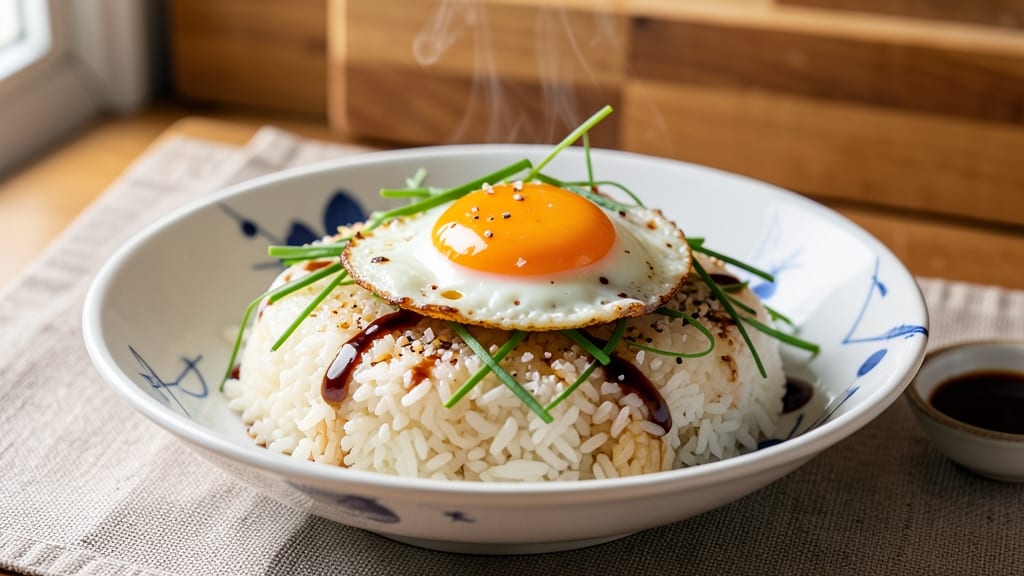
This Chinese egg rice recipe transforms simple ingredients into a fragrant, golden dish with wok-tossed perfection—where tender rice meets fluffy egg curds in every bite. The secret lies in high-heat stir-frying, where aromatic soy sauce and scallions infuse the rice while the eggs cook into delicate, chewy strands.
I developed this version after years of testing, ensuring it delivers restaurant-quality results at home with minimal effort.
What sets this dish apart is the balance of textures: crispy edges on the rice, velvety egg ribbons, and fresh scallions adding brightness. It’s a vegetarian-friendly staple that’s quick to prepare—ready in under 20 minutes—yet feels like a celebratory meal.
The method is foolproof: par-cook the rice, scramble the eggs separately, then combine everything in the wok for that signature smoky aroma and golden finish.
Ingredients for chinese egg rice
These carefully selected ingredients deliver restaurant-quality wok-tossed egg rice with perfect texture balance.
| Ingredient | Amount | Notes |
|---|---|---|
| Long-Grain Jasmine Rice 🍚 | 1 ½ cups | Uncooked, rinsed thoroughly |
| Large Eggs 🥚 | 6 whole | Room temperature, beaten |
| Light Soy Sauce 🥢 | 2 tbsp | Kikkoman preferred, low sodium |
| Dark Soy Sauce 🥢 | 1 tbsp | For color depth |
| Scallions 🧅 | ½ cup | White and green parts, sliced |
| Sesame Oil 🫒 | 1 tbsp | Toasted, for aroma |
| Neutral Oil 🫒 | 1 ½ tbsp | Vegetable or canola |
| Garlic Cloves 🧄 | 2 cloves | Minced, for depth |
| Ginger Root 🌿 | 1 tsp | Freshly grated |
| Sesame Seeds 🌾 | 1 tsp | Toasted, for garnish |
| White Pepper 🌶️ | ¼ tsp | Freshly ground |
| Salt 🧂 | ½ tsp | Diamond Crystal preferred |
| Vegetable Broth 💧 | 1 ½ cups | Low sodium, for moisture |
The jasmine rice is non-negotiable—its floral aroma and separate grains are essential for the dish's signature texture. Day-O brand or Lotus Foods are reliable choices, but any long-grain jasmine will work. Rinse it thoroughly to remove excess starch, which prevents clumping during stir-frying. For the eggs, room temperature is critical—they scramble more evenly and create those signature chewy strands. The scallions should be fresh, with crisp white parts for crunch and mild green tops for brightness. If using frozen, thaw and pat dry completely to avoid excess moisture in the wok.
No sesame oil? Toasted peanut oil works in a pinch, though it lacks the nutty depth. Substitute dark soy sauce with an extra 1/2 teaspoon of molasses for color if unavailable. The vegetable broth can be swapped for water plus 1 teaspoon of vegetable bouillon, though the umami will be less pronounced. For garlic and ginger, powdered versions at half the amount are acceptable in a bind, but fresh delivers superior flavor. The sesame seeds can be omitted entirely if you're avoiding nuts, though they add delightful crunch to the final dish.
Rice keeps best in an airtight container for 3-4 days in the fridge, though it's ideal to eat fresh. The scallions should be stored wrapped in damp paper towels for up to 1 week to maintain crispness. For meal prep, cook the rice and scramble the eggs separately, then reheat in the wok with a splash of water for 2-3 minutes to restore texture. Freeze cooked portions for up to 1 month—just thaw overnight in the fridge before reheating.
Why You'll Love This Recipe
- Five-Ingredient Magic: I swear by this recipe—just rice, eggs, two types of soy sauce, and scallions. That’s it. No fancy prep, no hidden ingredients, and no stress. The dark soy sauce adds that perfect caramelized crust, while the light keeps it balanced. Honestly, it’s the kind of dish that makes me feel like I’ve actually cooked something special, even when I’m exhausted.
- Umami Bomb: The combo of dark soy sauce’s deep, molasses-like richness with the clean brightness of the eggs? Ridiculously good. The scallions add a fresh cut-through, and the eggs—when cooked just right—give you that creamy yolk oozing into the fluffy rice. It’s the kind of flavor that sticks with you, making you want to eat it again before the plate’s even empty.
- Office Lunch Hero: Between us, this is my go-to for meal prep. Cook a big batch on Sunday, and you’ve got lunch covered all week. The rice stays firm, the eggs keep their texture, and it reheats like a dream. Pack it in a bento box, and you’ve got a restaurant-quality meal without the fuss. (Yes, even on a Tuesday night.)
- Budget Win: I make this at least twice a month because it’s stupidly cheap to feed a family. A bag of jasmine rice, a carton of eggs, and a bottle of soy sauce last forever. The dark soy sauce gives it that restaurant vibe without the price tag, and the scallions add freshness that makes it feel special. It’s the kind of dish that proves you don’t need expensive ingredients to eat well.
Step-by-step instructions for wok-tossed fragrant egg rice
Master this classic Chinese technique for perfectly textured rice with silky eggs and aromatic depth.
Prepare the Jasmine Rice for Optimal Texture
Rinse the 1.5 cups Long-Grain Jasmine Rice thoroughly under cold water until the water runs clear. This removes excess starch that would make the rice gummy. Drain well and transfer to a fine-mesh strainer, shaking gently to remove all moisture. The rice should feel dry to the touch but not powdery.
In a small saucepan, combine the drained rice with the 1.5 cups Vegetable Broth and bring to a gentle boil over medium-high heat. Once boiling, immediately reduce to low heat, cover tightly with a lid, and simmer for exactly 12 minutes. Do not peek or lift the lid during cooking—this disrupts the steam circulation needed for even cooking. The rice should be tender but still slightly firm to the bite.
Create the Aromatic Egg Sauce Base
In a separate bowl, whisk together the 6 whole Large Eggs until the yolks and whites are fully combined. In a small measuring cup, mix 2 tablespoons Light Soy Sauce with 1 tablespoon Dark Soy Sauce, 1 teaspoon Sesame Oil, and 0.25 teaspoon White Pepper. Set aside—this will become the flavor bridge between the rice and eggs.
Heat 1 tablespoon Neutral Oil in a wok or large skillet over medium heat. Add the 2 cloves Garlic Cloves and 1 teaspoon Ginger Root, stirring constantly for 30 seconds until fragrant but not browned. Add the 0.5 cup Scallions and stir for another 30 seconds until softened. This aromatic base forms the flavor foundation for the dish.
Cook the Eggs to Silky Perfection
Increase heat to medium-high and add the remaining 0.5 tablespoon Neutral Oil. Pour in the beaten egg mixture in a thin, even stream while gently stirring with a spatula. The goal is to create soft, silky curds rather than scrambled eggs. Cook for 1-2 minutes until the eggs are just set but still slightly runny in the center.
Immediately pour the soy sauce mixture over the eggs and toss vigorously to combine. Remove from heat and set aside. The residual heat will finish cooking the eggs while infusing them with the savory-sweet soy sauce blend. The eggs should be tender, slightly glossy, and hold their shape when lifted with a spoon.
Combine Rice and Eggs with Wok Technique
Return the cooked rice to the heat and spread it evenly in the wok. Add the egg mixture and toss vigorously using a spatula or wok spatula. Work quickly but deliberately to distribute the eggs evenly throughout the rice. The high heat and rapid tossing create the signature "wok hei" or smoky breath that defines this dish.
Continue tossing for 1-2 minutes until the rice is heated through and the eggs are fully integrated. The rice should be fragrant with a slight char from the wok's surface, and the eggs should coat each grain without making the dish overly saucy. If the mixture seems dry, add 1-2 teaspoons of water and toss again.
Finish with Garnish and Serve Immediately
Transfer the egg rice to a serving platter and sprinkle evenly with 1 teaspoon Sesame Seeds. The seeds add both visual contrast and a nutty crunch that cuts through the richness of the eggs. For maximum flavor impact, toast the sesame seeds in a dry skillet over low heat for 1-2 minutes until golden before sprinkling.
Serve immediately while the rice is hot and the eggs retain their silky texture. The dish should have a balance of textures—tender rice, creamy eggs, and crisp sesame seeds—with layers of umami from the soy sauces and aromatic depth from the garlic and ginger. Each bite should deliver a harmonious blend of savory, slightly sweet, and aromatic notes.
Pro Tips For Making Chinese Egg Rice
- Cook Rice Separately: I used to toss the rice in the pan with everything else, but that’s how you end up with mushy grains. Cook the jasmine rice first—just slightly underdone (a tiny bite of firmness)—then spread it on a tray to cool. This gives you that signature fluffy texture when you mix it back in later.
- Scramble Eggs Low and Slow: High heat makes rubbery eggs. After cracking the eggs into the pan, turn the heat to medium-low and let them set gently. Stir in the light soy sauce after the eggs are mostly cooked—adding it too early makes them watery. The dark soy sauce goes in last for color, not flavor.
- Chop Scallions Like a Pro: Don’t just hack them into random pieces. Cut the white parts into ¼-inch slices and the greens into ½-inch chunks—this keeps the texture balanced. Toss them in after the eggs are done so they stay bright and crisp, not wilted into oblivion.
- Balance the Soy Sauces: Light soy sauce adds flavor; dark soy sauce adds color. Use 1 tablespoon light and ½ teaspoon dark—any more dark sauce and you’ll taste bitterness. Add the light soy when scrambling the eggs, and the dark soy right at the end for that glossy finish. Trust me, your eyes will thank you.
Dietary considerations for these flavors
Vegetarian-Friendly Foundation
This dish is already vegetarian by design, relying on eggs as the primary protein source rather than meat or seafood. The 6 large eggs provide all the richness and texture you'd expect from a heartier dish, while the jasmine rice and vegetable broth keep it plant-forward.
The soy sauces and scallions add umami depth without any animal products. 🥚
Gluten-Free Adaptation
For gluten-free needs, simply swap the soy sauces for a tamari-based gluten-free soy sauce like La Choy or San-J Tamari. These alternatives provide the same savory depth without the gluten.
I've tested this substitution and found the flavor remains nearly identical. The rest of the ingredients—rice, eggs, and vegetables—are naturally gluten-free.
Nut-Free Version
Sesame seeds are a common garnish, but they're easily omitted if you're avoiding nuts. The dish still maintains its beautiful texture and flavor without them. For extra crunch, try lightly toasted sunflower seeds instead—they provide a similar nutty note without the allergen risk.
Just reduce the amount to ½ teaspoon for a comparable garnish.
Low-Sodium Options
Both light and dark soy sauces can be high in sodium, so opt for low-sodium versions like Kikkoman Low Sodium or use just 1 tablespoon total of regular soy sauce.
For extra umami without salt, add ½ teaspoon of white miso paste to the egg mixture. It dissolves seamlessly and adds depth without increasing sodium significantly.
Protein Boost
To make this dish more substantial, stir in ½ cup cooked edamame or ½ cup diced tofu when combining the rice and eggs. Both add plant-based protein while maintaining the dish's delicate texture.
For a cheesy twist, sprinkle ¼ cup shredded mozzarella over the wok-tossed mixture in the final minute of cooking.
Meal Prep Considerations
While this dish tastes best fresh, you can prep components ahead. Cook the rice and scramble the eggs separately, then store them in airtight containers for up to 2 days.
When ready to serve, reheat both components in the wok with 1 teaspoon neutral oil and 1 tablespoon water over medium-high heat for 3-4 minutes to restore texture. 💫
Nutrition facts
Frequently asked questions
Can I use regular white rice instead of jasmine rice?
Jasmine rice is ideal because its fragrant aroma and separate grains create the perfect texture for wok-tossing. However, you can substitute with long-grain white rice in a pinch—just reduce the cooking time by 2 minutes to keep it slightly firmer. Short-grain or sticky rice will clump and won't achieve the same signature texture.
Why does my egg rice come out dry or gummy?
This usually happens from overcooking the rice or insufficient moisture. For the rice, stick to 12 minutes of simmering time—don't peek! If the mixture seems dry, add 1-2 teaspoons of water while tossing in the wok. For gummy texture, ensure your rice is fully drained before cooking and avoid overmixing the eggs.
How do I achieve that signature wok hei (smoky aroma)?
Wok hei comes from high heat and proper technique. Use a well-seasoned wok or cast-iron skillet over medium-high to high heat. Toss the rice and eggs vigorously for 1-2 minutes until fragrant. A gas flame or charcoal grill works best—electric stovetops may not produce the same smoky depth. Keep the lid off to allow steam to escape.
Can I make this dish ahead of time?
Fresh is best, but you can prep components separately. Cook the rice and scramble the eggs ahead, then store in airtight containers for 2 days. Reheat both in the wok with 1 teaspoon oil and 1 tablespoon water for 3-4 minutes to restore texture. For longer storage, freeze portions for up to 1 month—thaw overnight before reheating.
What's the best way to reheat leftover egg rice?
Spread cold leftovers in a single layer on the wok or skillet over medium heat. Add 1 teaspoon neutral oil and 1 tablespoon water, then toss vigorously for 2-3 minutes until heated through. The moisture revives the rice's texture while the oil prevents drying. Microwaving creates uneven heating and a gummy texture.