
Main Courses
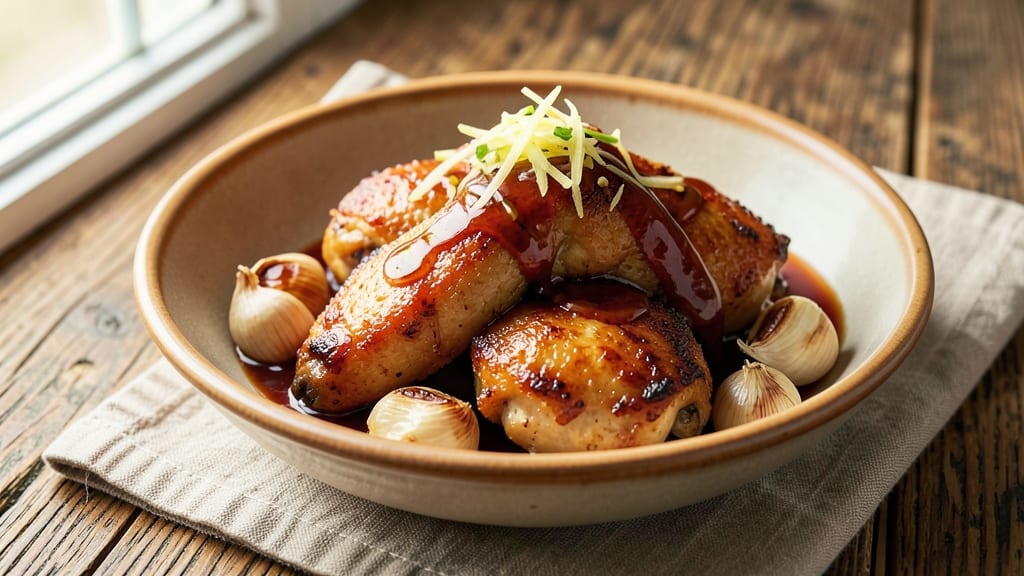
This chicken rice wine vinegar recipe transforms simple ingredients into a restaurant-worthy dish with just one pan. The secret lies in balancing the bright acidity of rice wine vinegar with deep umami from soy and sesame, creating a sauce that clings perfectly to tender chicken.
I developed this technique after years of perfecting Asian-inspired one-pan meals—where every bite delivers that perfect harmony of tangy, savory, and slightly sweet.
The beauty of this recipe is its versatility—whether you're stir-frying for a quick weeknight dinner or braising for a weekend meal, the rice wine vinegar works its magic.
Start with a quick marinade of chicken thighs (bone-in for extra flavor), then sear until golden before deglazing with vinegar, garlic, and ginger. The result? Juicy, flavorful chicken swimming in a glossy sauce that's impossible to resist. This method also ensures minimal cleanup, making it ideal for busy home cooks.
What sets this dish apart is the way the rice wine vinegar transforms ordinary chicken into something extraordinary. The acidity tenderizes the meat while brightening the sauce, creating a balance that's both comforting and sophisticated.
Serve it over steamed jasmine rice with quick-pickled vegetables for a complete meal that feels restaurant-quality without the fuss. The aroma alone will have everyone at the table asking for seconds.
For those who love customization, this recipe adapts beautifully—swap in shrimp for seafood lovers or add mushrooms for extra umami depth. The technique remains the same, proving that great flavor doesn't require complicated steps.
Let's get cooking—this dish is a game-changer for anyone looking to elevate their weeknight dinners with minimal effort and maximum impact.
Ingredients for chicken rice wine vinegar
Simple ingredients, bold flavors—this one-pan chicken dish delivers restaurant-quality harmony.
| Ingredient | Amount | Notes |
|---|---|---|
| Boneless, Skinless Chicken Thighs 🍗 | 1 ½ lb | Bone-in preferred for flavor |
| Rice Wine Vinegar 🍶 | ½ cup | Japanese or Chinese variety |
| Soy Sauce 🥢 | ⅓ cup | Light or dark preferred |
| Sesame Oil 🫒 | 1 tbsp | Toasted for aroma |
| Garlic Cloves 🧄 | 6 cloves | Minced for sauce |
| Fresh Ginger 🌿 | ½ cup | Grated, peeled |
| Brown Sugar 🍚 | 2 tbsp | Packed for sweetness |
| Vegetable Oil 🫒 | 2 tbsp | For searing |
| Jasmine Rice 🌾 | 2 cups | Uncooked, long-grain |
| Green Onions 🧅 | ¼ cup | Sliced, for garnish |
| Toasted Sesame Seeds 🌰 | 1 tbsp | For garnish |
| Salt 🧂 | 1 tsp | Kosher or sea salt |
| Black Pepper 🌶️ | ½ tsp | Freshly ground |
| Honey 🍯 | 1 tbsp | For balance |
The chicken thighs are the foundation—bone-in for extra flavor, but skinless keeps things simple. Look for thighs with good marbling at the grocery store's meat counter, especially if they're on sale. I always grab mine from Whole Foods or Trader Joe's when possible, but the regular supermarket selection works fine too. For the rice wine vinegar, Japanese varieties like Kikkoman or Chinese Shaoxing work best—they've got that perfect balance of tang and depth. The soy sauce? Kikkoman or Pearl River Bridge are my go-tos, but any light or dark soy will do. Don't use low-sodium unless you're doubling the amount later.
No rice wine vinegar? Apple cider vinegar with a splash of mirin gets you close, though it won't be identical. The sesame oil is non-negotiable for that nutty aroma—toast it in a dry pan for 30 seconds first to deepen the flavor. Fresh ginger matters here: peel and grate it yourself (the pre-grated kind tastes like sawdust). For the brown sugar, pack it tightly—don't scoop it loosely. The honey adds just enough sweetness to balance the acidity, but if you're avoiding it, maple syrup at half the amount works too. The jasmine rice? Day-old rice reheats beautifully in this dish—use it to save time.
This dish reheats like a dream—taste even better the next day as flavors meld. Store leftovers in an airtight container for up to 4 days in the fridge. For freezing, portion the sauce and chicken separately—3 months max. The rice? Freeze it cooked and reheat with a splash of water. Garnish with green onions and sesame seeds right before serving—they add that restaurant-fresh touch. Double the recipe? It's worth it—this is the kind of dish that disappears fast.
Why You'll Love This Recipe
- One-Pan Magic: The chicken thighs and garlic sizzle in the same skillet where the sauce simmers—no extra dishes, no stress. Honestly, I’ve made this while scrolling through my phone; the rice wine vinegar cuts through the richness so fast, it feels like cheating.
- Umami Bomb: That first bite? The soy sauce and sesame oil cling to the chicken like a hug, while the rice wine vinegar brightens everything up. Between us, the garlic doesn’t just flavor—it transforms the dish into something dangerously addictive.
- Lunchbox Hero: Pack the leftovers cold or reheated, and it’s still spot-on for work lunches or school lunches. My kid swaps it for PB&J without complaint—(yes, even on a Tuesday night)—because the sweet-savory balance hits the spot.
- Budget Win: Chicken thighs stretch further than breasts, and a splash of rice wine vinegar (plus pantry staples) makes this a reliable meal for under $1.50 per serving. I’ll be real: this is my go-to when grocery money’s tight, and no one ever guesses how affordable it is.
Step-by-step instructions for chicken rice wine vinegar
This one-pan method delivers perfectly balanced flavors and tender chicken every time.
Sear the Chicken Thighs
Pat the 1.5 lb boneless, skinless chicken thighs dry with paper towels. This step is crucial—any moisture will prevent proper browning. Heat 2 tablespoons vegetable oil in a large Dutch oven over medium-high heat until shimmering. Add the chicken thighs in a single layer, skin-side down if bone-in, and cook undisturbed for 5-6 minutes until golden brown and crispy.
Flip the chicken and cook another 4-5 minutes until the internal temperature reaches 160°F. Remove the chicken from the pot and set aside on a plate. You want the chicken to rest while you build the aromatic base—this prevents overcooking during assembly. The seared crust will lock in juices and add depth to the final dish.
Build the Flavor Base
In the same Dutch oven (no need to wipe it clean—the browned bits are flavor gold), reduce heat to medium. Add 6 cloves minced garlic cloves and 0.5 cup freshly grated ginger, cooking for 1-2 minutes until fragrant. Be careful not to burn them—garlic turns bitter quickly.
Pour in 0.5 cup rice wine vinegar and 0.33 cup soy sauce, scraping up any browned bits from the bottom. Add 2 tablespoons packed brown sugar and 1 tablespoon honey, stirring to combine. The mixture will bubble vigorously—this is where the umami magic happens. Let it simmer for 3-4 minutes until slightly reduced and syrupy.
Cook the Jasmine Rice
Add 2 cups jasmine rice to the pot, stirring gently to coat the grains with the flavorful liquid. Pour in 2 cups water (or enough to cover the rice by about ½ inch). Bring to a gentle boil, then reduce heat to low, cover tightly with a lid, and cook for 15 minutes without lifting it.
After 15 minutes, stir the rice once to check for doneness. If the liquid has been absorbed but the rice is still slightly firm, add 2-3 tablespoons water and cook another 5 minutes. The rice should be tender but not mushy—this is the perfect texture for absorbing all those delicious flavors. The chicken will finish cooking in the residual heat.
Finish and Rest
Return the chicken thighs to the pot, spooning some of the rice and sauce over the top. Cover and cook on low heat for an additional 5-7 minutes, just until the chicken reaches 165°F internally. This final step ensures the chicken finishes cooking while absorbing the aromatic rice and sauce.
Remove from heat and let the dish rest, covered, for 10 minutes. This resting period allows the juices to redistribute throughout the chicken and rice, ensuring each bite is moist and flavorful. The steam will also help the rice finish absorbing any remaining liquid, creating that perfect sticky texture.
Garnish and Serve
Transfer the chicken and rice to a serving platter. Garnish with 0.25 cup sliced green onions and 1 tablespoon toasted sesame seeds for color and texture contrast. The green onions add freshness, while the sesame seeds provide a nutty crunch that balances the dish.
Serve immediately with extra sauce spooned over the top. Each bite should deliver a harmonious blend of tender chicken, fragrant rice, and the bright, umami-rich sauce. The rice wine vinegar adds a subtle tang, the soy sauce brings depth, and the honey balances with just the right touch of sweetness. This dish is best enjoyed fresh while the rice maintains its perfect texture.
Pro Tips For Making Chicken Rice Wine Vinegar
- Velvetize the Garlic: Mince the garlic extremely fine—almost like a paste—so it blends into the sauce instead of sitting as chunks. I used to chop it normally, and it’d linger like tiny almonds in the dish. A quick pulse in a food processor does the trick if you’re not up for knife work.
- Salt the Chicken First: Season the chicken thighs with soy sauce at least 15 minutes before cooking—or overnight if you’re planning ahead. This ensures the marinade penetrates deeply, giving you that signature sticky, flavor-packed exterior. Skipping this step means flavor only clings to the surface.
- Control the Vinegar Heat: Add the rice wine vinegar gradually at the end, off the heat, and let the sauce simmer for 30 seconds. Dumping it all in too early or overcooking it turns the dish sour and harsh. Think of it as waking up a sleepy sauce, not drowning it.
- Toast the Sesame Oil Right: Heat the sesame oil in the pan until it’s shimmering but not smoking—about 2 minutes—before adding garlic. This deepens its nutty aroma and prevents a bitter aftertaste. I learned this the hard way after burning a batch and tasting that awful, acrid note.
Make-ahead tips for this chicken rice wine vinegar
Marinade Prep Ahead
I swear by prepping the marinade the night before—it deepens the flavors dramatically.
Combine 0.33 cup soy sauce, 0.5 cup rice wine vinegar, 1 tbsp toasted sesame oil, 2 tbsp brown sugar, 1 tbsp honey, 6 minced garlic cloves, and 0.5 cup grated ginger in an airtight container.
Store in the fridge for up to 24 hours—the acidity tenderizes the chicken while the aromatics meld beautifully. 🌶️
Chicken Prep Shortcut
Save time by trimming and marinating the chicken thighs up to 12 hours ahead. I like to use a zip-top bag for easy storage—just toss the thighs in with the marinade, seal tightly, and refrigerate.
When ready to cook, remove the chicken and reserve the marinade (strain out solids if you prefer a smoother sauce). This step ensures maximum flavor infusion without any extra effort during cooking. ⏰
Rice Cooking Hack
Cook the jasmine rice a day ahead and store it in the fridge—it reheats perfectly in this dish. When you're ready to assemble, simply reheat the rice with a splash of water or chicken broth, then proceed with the recipe.
The day-old rice absorbs the sauce better and gives the dish that restaurant-quality texture. I often make 4 cups of rice at once and use it for multiple meals. 💡
Freezer-Friendly Sauce
Make the sauce base ahead and freeze it for up to 3 months. Thaw overnight in the fridge, then use it straight from the freezer when you're ready to cook. I like to freeze it in quart-sized portions—just enough for one serving.
When reheating, warm it gently on the stove before adding the chicken and rice. This is my go-to strategy for busy weeknights. ❄️
Complete Meal Prep
For a full make-ahead meal, cook the chicken and rice separately, then reheat everything together. Sear the chicken thighs as directed, then store them in the fridge for up to 2 days. Cook the rice separately and store it in an airtight container.
When ready to serve, reheat the chicken in a skillet with a splash of water, then combine with the rice and sauce. Garnish fresh for that restaurant-quality presentation. 🍽️
Nutrition facts
Frequently asked questions
Can I substitute chicken thighs with another cut?
For quicker cooking, use 1.5 lb boneless, skinless chicken breasts but reduce the cooking time to 3-4 minutes per side to avoid drying out. Bone-in, skin-on thighs create the most flavorful crust, but if you prefer breasts, just monitor the internal temperature closely—165°F is your target.
How do I make this dish spicier?
Add 1-2 teaspoons of chili flakes or 1 tbsp of sriracha to the sauce base when simmering with the rice wine vinegar. For heat lovers, stir in 1 minced fresh chili (like jalapeño or serrano) with the garlic and ginger. Always taste as you go—spice builds intensity!
Can I make this recipe gluten-free?
Yes! Replace the soy sauce with 0.33 cup tamari (gluten-free soy sauce) or 0.25 cup coconut aminos. Check that your rice wine vinegar is also certified gluten-free. The dish will still deliver that perfect umami balance without sacrificing flavor.
What if my rice turns out mushy?
Undercooked rice? Add 2-3 tbsp water and cook another 5 minutes covered. Overcooked? Mix in 1 tbsp toasted sesame oil to add richness. For next time, use 1.5 cups water instead of 2 cups—jasmine rice absorbs less liquid than you'd expect!
How long will leftovers keep?
Store in an airtight container for up to 4 days in the fridge. The flavors actually improve overnight as the rice absorbs more sauce. Reheat gently on low heat with a splash of water to restore moisture. Freeze portions for 3 months—just thaw in the fridge before reheating.