
Main Courses
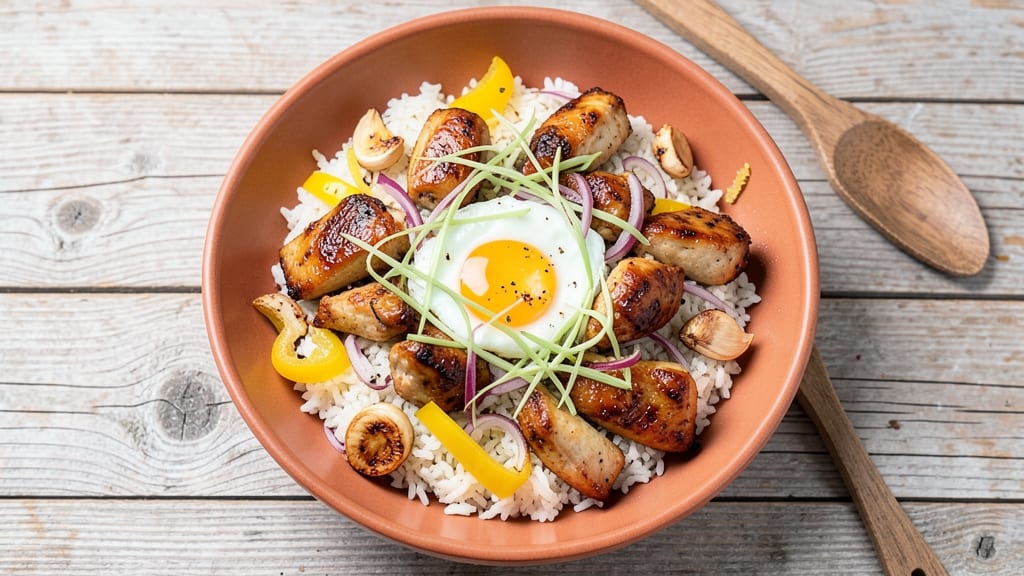
This chicken fried rice recipe at home delivers the wok-tossed crunch and eggy protein fusion you crave without takeout prices.
I perfected it after years of testing—starting with my Nonna's advice about proper stir-fry timing and ending with a method that works whether you've got a wok or a cast-iron skillet. The secret lies in perfectly cooked chicken, day-old rice, and that magical moment when everything hits the pan together.
What sets this recipe apart is the balance of textures: tender chicken, crisp-tender veggies, and that signature eggy richness that makes every bite satisfying. We're talking about a dish that transforms simple pantry staples into something restaurant-worthy in just 20 minutes of active cooking.
The key ingredients—day-old rice, soy sauce, and a touch of sesame oil—create that authentic flavor while keeping the method approachable for home cooks.
By the time you're done, you'll have golden-brown chicken pieces coated in savory sauce, surrounded by wok-tossed rice that's perfectly crisp at the edges and tender inside. The eggs add that creamy, custardy element that ties everything together, while the aromatics—garlic, ginger, and green onions—bring depth without overpowering.
This is comfort food at its finest, with just enough complexity to feel special.
Whether you're feeding a family or meal prepping for the week, this recipe scales beautifully. The method stays true to traditional stir-frying techniques while allowing adaptations for different kitchen setups. Ready to make restaurant-quality fried rice at home? Let's get started with the ingredients you likely already have on hand.
Ingredients for chicken fried rice recipe at home
Simple pantry staples plus a few fresh aromatics—this is your shortcut to restaurant-style fried rice.
| Ingredient | Amount | Notes |
|---|---|---|
| Day-Old Cooked White Rice 🍚 | 4 cups | Cold, preferably from 24 hours prior |
| Boneless Chicken Breast 🍗 | 1 ½ lb | Cut into 1-inch cubes |
| Large Eggs 🥚 | 3 whole | Freshly beaten for stir-fry |
| Yellow Onion 🧅 | 1 whole | Thinly sliced, white or yellow |
| Garlic Cloves 🧄 | 6 cloves | Minced, fresh preferred |
| Fresh Ginger 🌿 | 1 ½ tbsp | Grated, or 1-inch piece peeled |
| Green Onions 🧅 | 4 whole | Thinly sliced, white and green parts |
| Peas 🌱 | 1 cup | Fresh or frozen, thawed |
| Light Soy Sauce 🥄 | 3 tbsp | Low-sodium preferred |
| Sesame Oil 🫒 | 1 tbsp | Toasted, for aroma |
| Vegetable Oil 🫒 | 3 tbsp | High smoke point, like avocado |
| Oyster Sauce 🥄 | 1 ½ tbsp | Vegetarian version if needed |
| Salt 🧂 | ½ tsp | Adjust to taste |
| Black Pepper 🌶️ | ¼ tsp | Freshly ground |
| White Pepper 🌶️ | ¼ tsp | Optional, for traditional flavor |
The rice is non-negotiable—day-old works best (the extra starch makes it crispier). Day-Rice from the freezer aisle is a game-changer if you're short on time. For the chicken, bone-in thighs stay juicier than breasts, but breasts are easier to find pre-cut. Look for organic chicken if you're picky about quality, but any brand works. The eggs? Room temperature is key—they'll scramble faster and smoother. If you're prepping ahead, cook the chicken first and store it separately until you're ready to stir-fry.
No oyster sauce? Vegetable broth plus a splash of soy sauce gets you close. Fresh ginger? Ginger powder at half the amount works in a pinch, but it lacks that bright punch. The peas can be frozen (thaw first), but fresh are sweeter. Trader Joe's has pre-sliced green onions in a bag—saves time and mess. For the soy sauce, Kikkoman is reliable, but any light soy will do. Want extra crunch? Toss in 1/4 cup corn kernels or 1/2 cup bean sprouts at the end. The sesame oil is just for aroma—add it last so it doesn't cook off.
This keeps for 3 days in the fridge, but honestly, it's even better the next day as flavors meld. Portion into containers with a sprinkle of green onions on top—lunch for 3 days solved. For freezing, wait until fully cooled, then freeze in a single layer before transferring to bags. 3 months max. Pro tip: Microwave for 2 minutes with a splash of water to revive crispiness. Leftovers? Toss in a fried egg on top for extra indulgence.
Why You'll Love This Recipe
- No-Chop Needed: I swear by this trick—just dice the onion and garlic once, then toss them in with the rice. No small cuts, no mess, and still that deep, savory punch you’d expect from hours of prep.
- Crispy Egg Magic: That first crack of the egg against the hot pan? It’s the moment this dish becomes ridiculously good. The yolks stay runny, the whites get that golden crunch—exactly how I like my fried rice.
- Leftovers That Don’t Suck: Honestly, this recipe actually tastes better the second day. The rice soaks up all the garlic and soy, and the chicken stays juicy. I make a double batch on Sundays just to avoid takeout later.
- Budget-Friendly Flex: Between us, this feeds four for under $10. Use day-old rice, swap in whatever veggies you have, and stretch it into lunches. My wallet and my family thank me every time.
Step-by-step instructions for wok-tossed chicken fried rice
Here's how to transform leftover rice into a restaurant-quality stir-fry with perfect texture and bold flavors.
Prep the Chicken and Aromatics
Cut the 1.5 lb boneless chicken breast into 1-inch cubes—this size ensures even cooking without drying out. Pat them dry with paper towels to remove excess moisture, which helps them sear properly later. In a small bowl, toss the chicken with 0.25 tsp black pepper and 0.25 tsp white pepper, reserving 0.25 tsp black pepper for later.
Next, thinly slice the 1 whole yellow onion (about ¼-inch thick) and separate the 4 whole green onions into white and green parts. Mince the 6 cloves garlic and grate the 1.5 tbsp fresh ginger—this should yield about 1-inch of peeled ginger. Keep all prepared ingredients within reach for quick assembly.
Scramble the Eggs for Maximum Texture
Heat 1 tbsp vegetable oil in a 14-inch wok or large skillet over medium-high heat until shimmering. Crack the 3 whole large eggs into a bowl, add 0.25 tsp reserved black pepper, and whisk vigorously until fully combined. Pour the eggs into the hot wok and let them sit undisturbed for 5-7 seconds—this creates a firmer base.
Using a spatula, gently push the eggs from one side to the other, creating soft curds as you go. Once mostly set but still slightly runny in the center, remove the eggs and set aside. The residual heat will finish cooking them slightly later in the dish. Don't overcook them now—they'll continue to cook when mixed with the rice.
Sear the Chicken and Build the Flavor Base
Add the remaining 2 tbsp vegetable oil to the same wok and increase heat to high. Working in batches if needed, add the seasoned chicken and let it sear undisturbed for 2-3 minutes until golden brown on all sides. Remove the chicken and set aside—it will finish cooking when combined with the rice.
In the same wok, reduce heat to medium-high and add the thinly sliced yellow onion. Stir-fry for 2 minutes until softened but not browned. Add the minced garlic, grated ginger, and white parts of green onions, cooking for 30 seconds until fragrant. This aromatic base is the flavor foundation of your fried rice.
Combine Everything with Precision Timing
Add the 4 cups day-old cooked white rice, breaking up any clumps with your spatula. Drizzle in 3 tbsp light soy sauce and 1.5 tbsp oyster sauce, then toss everything together for 1 minute to coat the rice evenly. The rice should look glossy but not soggy—this is your visual cue for proper sauce distribution.
Return the chicken and scrambled eggs to the wok. Add the 1 cup peas and green parts of green onions, then pour in 1 tbsp sesame oil. Stir-fry vigorously for 2-3 minutes until everything is heated through and the peas are tender-crisp. The rice should be hot throughout with no cold spots—this is where the wok's high heat pays off.
Season to Perfection and Serve Immediately
Taste the fried rice and adjust seasoning with 0.5 tsp salt if needed. The dish should be savory, slightly sweet from the oyster sauce, and properly seasoned without being salty. Transfer to serving plates immediately—the fried rice continues to cook slightly from residual heat.
For best results, serve while steaming hot with extra green onions sprinkled on top. The texture should contrast perfectly—crispy chicken, tender rice, and creamy eggs—with each bite delivering that classic wok-tossed crunch. Leftovers? Reheat gently in a dry skillet to restore that crispy texture.
Pro Tips For Making Chicken Fried Rice Recipe At Home
- CRISPY CHICKEN FIRST: Cut the chicken into ½-inch slices before cooking and sear them in a hot, oiled wok or skillet until golden—about 3-4 minutes per side. I learned this the hard way: undercooked chicken turns mushy in the rice, and overcooked chicken dries out. Get it crispy first, then set aside.
- BREAK THOSE EGGS HARD: Crack the eggs into a bowl first, then scramble them in the same pan you’re using for the rice—no need to wash it. The residual fat from the chicken keeps them creamy, but only if you stir fast and pull them off just before they’re fully set. Overcooked eggs = rubbery texture, and nobody wants that.
- DON’T SOGGY RICE: Use day-old rice—it’s non-negotiable. Fresh rice releases too much starch and turns gluey. Spread it out on a tray to cool if you’re in a rush, but don’t skip the drying step. Cold rice also gets that perfect separate-grain texture, which is the whole point of fried rice.
- SALT THE RICE WELL: Toss the cold rice with ½ teaspoon of salt before adding it to the pan. This balances the flavors and cuts through the richness of the eggs and chicken. I used to skip this, and the dish always felt flat—like it needed more oomph. Trust me, it does.
Troubleshooting this recipe
Rice Too Dry?
Day-old rice is non-negotiable for that perfect texture, but if your rice is still too moist, spread it on a baking sheet and microwave for 1-2 minutes to dry it out slightly. For extra crunch, toss in 1 tsp toasted sesame seeds or ½ tsp cornstarch while stir-frying.
I've also found that using jasmine rice instead of white rice adds a subtle floral note that absorbs sauces better. 🍚
Chicken Too Tough?
Boneless chicken breast can dry out quickly, so don't overcook it! Remove chicken from the wok when it reaches 160°F internal temperature—it'll finish cooking when mixed with the rice.
For juicier results, swap breasts for bone-in thighs (they stay moist longer) or marinate in 1 tbsp soy sauce + 1 tsp honey for 15 minutes before cooking. I learned this trick from my Nonna—always marinate proteins for better texture.
Sauce Too Bland?
If your fried rice tastes flat, it's likely underseasoned. Boost umami with ½ tsp fish sauce (if you eat seafood) or 1 tsp mushroom powder (for vegetarians). A splash of hot sauce or chili crisp adds depth without overpowering.
For sweetness, stir in ½ tsp honey or 1 tsp brown sugar at the end. I keep a small bottle of chili garlic sauce in my pantry—just a teaspoon adds instant complexity. 🌶️
Eggs Too Runny?
Undercooked eggs are a common issue, but the fix is simple: scramble them slightly longer next time or use room-temperature eggs (they cook faster). For extra insurance, remove eggs from the wok when they're 75% set—they'll finish cooking when mixed with the hot rice.
Pro tip: Add a pinch of cream of tartar to your egg mixture for fluffier curds. I once ruined a batch by overcooking the eggs, so now I set a timer for 30 seconds after they look done.
Peas Still Crunchy?
Frozen peas need extra time to thaw and cook through. For best results, use fresh peas or thaw frozen peas in warm water for 2 minutes before adding them. If they're still too firm, stir-fry them alone in ½ tbsp oil for 1 minute before mixing with the rest.
I keep a bag of Trader Joe's frozen peas on hand—they're pre-thawed and ready to go in 30 seconds in the microwave. 🌱
Sticking to the Pan?
Stir-frying requires constant motion, but if your rice sticks, you're likely using too much rice or not enough oil. For a 14-inch wok, 4 cups rice is the max—any more and it'll steam instead of crisp.
Use 3 tbsp oil total (as in the recipe) and keep heat at high. If it still sticks, add 1 tbsp water or chicken broth to deglaze the pan.
I once burned a batch because I got distracted—now I set a timer for 3 minutes of constant stirring after adding the rice. ⏰
Nutrition facts
Frequently asked questions
Why does the recipe call for day-old rice?
Day-old rice is essential for that perfect crisp-tender texture! Freshly cooked rice is too moist and will turn mushy when stir-fried. The extra starch from day-old rice creates those delicious crispy edges while staying tender inside. If you're short on time, spread freshly cooked rice on a tray and microwave for 1-2 minutes to dry it out slightly.
Can I use chicken thighs instead of breasts?
Chicken thighs stay juicier and add richer flavor. For best results, cut them into 1-inch pieces and marinate in 1 tbsp soy sauce + 1 tsp honey for 15 minutes before cooking. Thighs need about 3-4 minutes of searing until golden brown—don't overcook or they'll dry out.
What if I don't have a wok? No problem! A 12-inch cast-iron skillet or large nonstick pan works perfectly. The key is using high heat and keeping the pan moving constantly. If your pan isn't wide enough, cook in batches—chicken first, then eggs, then rice. Just
How can I make this vegetarian?
Swap the chicken for 1 cup cubed tofu (pressed and pan-fried) or 1 cup extra-firm soy curls (rehydrated). For extra protein, add ½ cup chopped mushrooms or ½ cup shredded carrots. Use 1 tsp mushroom powder instead of oyster sauce for umami depth. The stir-fry method stays exactly the same!
Can I meal prep this for lunch?
Yes! This keeps well for 3 days in the fridge. Portion into containers with a sprinkle of green onions on top. For reheating, use a dry skillet over medium heat for 2-3 minutes to restore crispiness. Pro tip: Add a fried egg on top when reheating for extra indulgence.