
Main Courses
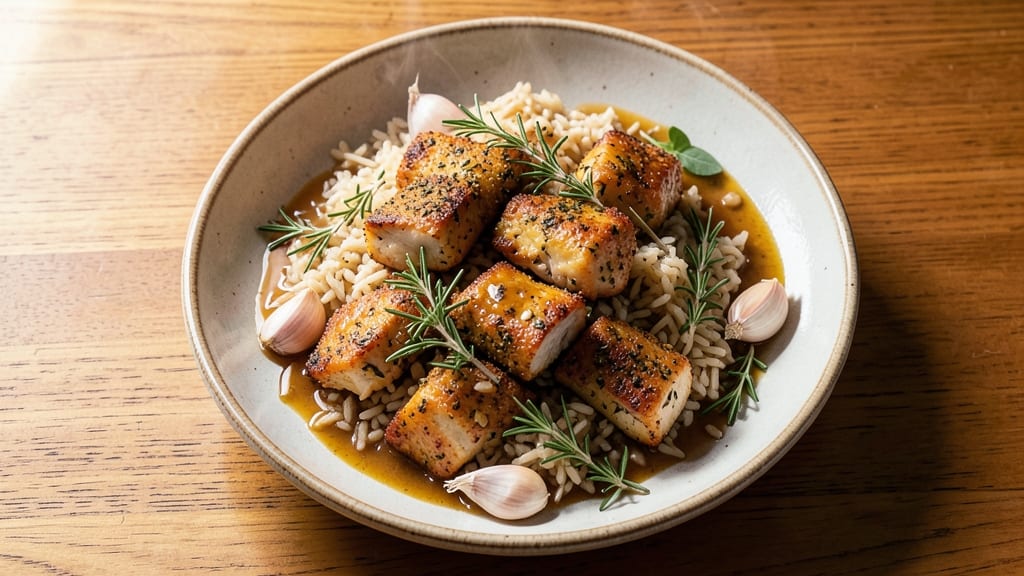
This chicken and long grain wild rice recipe delivers restaurant-quality flavor with herb-crusted chicken and nutty, perfectly cooked rice—all in one elegant dish. The secret lies in searing the chicken until golden while developing deep, savory notes in the rice through proper simmering.
Every bite balances tender meat with earthy, chewy grains that hold their shape beautifully.
You'll start with pan-seared chicken thighs coated in a fragrant herb crust, then build rich flavor in the rice using chicken stock and aromatic herbs. The result is a harmonious plate where the chicken remains juicy and flavorful while the rice achieves that ideal al dente texture.
This complete dish requires just one pot for the rice and one skillet for the chicken, making it both impressive and practical for weeknight dinners.
Ingredients for chicken and long grain wild rice
Fourteen ingredients transform into a restaurant-worthy dish with golden chicken and nutty wild rice.
| Ingredient | Amount | Notes |
|---|---|---|
| Boneless, Skinless Chicken Thighs 🍗 | 1 ½ lb | Cut into even 1-inch pieces |
| Long Grain Wild Rice Blend 🌾 | 1 cup | Uncooked, high-quality blend |
| Chicken Stock 💧 | 2 cups | Low-sodium, homemade preferred |
| Dried Thyme 🌿 | 1 tbsp | Or 1 tbsp fresh thyme leaves |
| Dried Rosemary 🌿 | 1 tsp | Finely chopped, fresh preferred |
| Garlic Cloves 🧄 | 4 cloves | Minced, fresh preferred |
| Extra-Virgin Olive Oil 🫒 | ½ cup | For searing and rice cooking |
| Unsalted Butter 🧈 | 2 tbsp | Full-fat for best flavor |
| Diamond Crystal Kosher Salt 🧂 | 1 ½ tsp | Adjust to taste |
| Ground Black Pepper 🌶️ | ½ tsp | Freshly ground |
| Fresh Parsley 🌿 | ¼ cup | Chopped, for garnish |
| Lemon Zest 🍋 | 1 tsp | From 1 medium lemon |
| Panko Breadcrumbs 🍞 | ½ cup | For herb crust |
| All-Purpose Flour 🌾 | ¼ cup | For coating chicken |
The chicken thighs are key—skinless, boneless cuts ensure even cooking without drying out. Look for plump, firm thighs at Whole Foods or your butcher's counter, where they often sell them pre-cut for convenience. Wild rice blend should be 100% wild rice—none of those cheap blends with brown rice filler. Lundberg or Annie's are reliable brands. Fresh herbs like thyme and rosemary should have a vibrant green color and strong aroma; dried herbs are fine but use half the amount. Garlic cloves should be plump and firm, not sprouting or soft.
No fresh herbs? Dried thyme and rosemary at half the amount work in a pinch, though texture will differ. Substitute chicken stock with vegetable stock plus 1 tsp soy sauce for depth. For the herb crust, crushed cornflakes can replace panko if needed. The lemon zest adds brightness—use organic lemons when possible, as their zest is more flavorful. If you prefer white meat, swap thighs for boneless, skinless chicken breasts, but pound them to even thickness for consistent cooking.
Chicken pieces stay fresh for 2 days in the fridge, while wild rice keeps for up to 6 months in a sealed container. Herb crust ingredients (panko, flour) last 3 months in the pantry. For meal prep, cook the rice ahead and store separately—it reheats beautifully. The chicken is best served immediately after searing, but you can reheat it gently in the oven. Portion into glass containers for easy grab-and-go lunches; the rice holds its texture for 3-4 days when refrigerated.
Why You'll Love This Recipe
- One-Pan Magic: I swear by this trick—just toss the chicken thighs and wild rice blend in the same pot with stock, then let the thyme and rosemary work their magic. No chopping, no fuss, and one pan to scrub later.
- Herb-Packed Depth: That wild rice blend soaks up the chicken stock like a sponge, while the thyme and rosemary infuse every bite with earthy warmth. The chicken stays juicy, and the rice? Chewy perfection with a whisper of herbal brightness.
- Meal Prep MVP: Between us, this is the dish I always make for lunches. Cook a big batch, and the leftovers reheat beautifully—no soggy rice here. My kids grab it straight from the fridge, and honestly? I don’t even mind the repetition.
- Budget-Friendly Feast: Chicken thighs are cheaper than breasts, wild rice is a pantry staple, and stock stretches further than you’d think. For a full week’s worth of lunches, this recipe costs me less than takeout—and tastes way better.
Step-by-step instructions for savory herb-crusted chicken with wild rice
This method delivers perfectly seasoned chicken and nutty rice that complement each other beautifully.
Prepare the Herb-Crusted Chicken
Pat the 1.5 lb boneless, skinless chicken thighs dry with paper towels—this ensures maximum crispiness. Cut them into even 1-inch pieces as specified in the ingredients list. In a shallow bowl, combine 0.5 cup panko breadcrumbs, 1 tbsp dried thyme, 1 tsp dried rosemary, 0.5 tsp ground black pepper, and 1 tsp lemon zest. Mix well to create the herb crust.
Place the 0.25 cup all-purpose flour in another bowl. Dredge each chicken piece in flour, shaking off excess, then coat thoroughly in the herb mixture. Press the crust gently to adhere. Let the coated chicken rest for 10 minutes—this helps the crust stick better during cooking. Real talk: if you skip this resting time, the crust might fall off when you sear.
Sear the Chicken for Maximum Flavor
Heat 0.25 cup extra-virgin olive oil in a large skillet over medium-high heat until shimmering. Add the chicken pieces in a single layer, leaving space between them. Cook undisturbed for 3-4 minutes until the crust turns deep golden brown and the chicken releases easily from the pan. This is the moment that matters: don't move it too soon or you'll lose that perfect crust.
Transfer the seared chicken to a plate and set aside. Reduce heat to medium and add 2 tbsp unsalted butter to the same skillet. Toss in the 4 cloves minced garlic and cook for 30 seconds until fragrant—this step builds flavor depth for the rice. Keep the pan warm for the next step.
Cook the Wild Rice to Nutty Perfection
Add the 1 cup long grain wild rice blend to the skillet with the garlic butter. Stir to coat the rice evenly in the butter and oil mixture. Pour in 2 cups chicken stock and bring to a gentle boil. Reduce heat to low, cover tightly with a lid, and simmer for 45 minutes. Here's the thing—wild rice needs time to absorb the liquid and develop its signature nutty flavor.
After 45 minutes, check the rice. It should be tender but still have a slight bite. If it's not fully cooked, add 2-3 tablespoons water and continue simmering for another 5-10 minutes. The rice is done when it's tender and the liquid has been completely absorbed. Remove from heat and let it sit covered for 5 minutes—this resting period ensures even cooking throughout.
Finish and Combine
Return the chicken to the skillet with the cooked rice. Sprinkle with 1.5 tsp diamond crystal kosher salt and toss gently to combine. The residual heat will warm the chicken through while absorbing the rice's flavorful juices. If the chicken needs more time, cover the skillet and let it cook for 2-3 minutes until reaching an internal temperature of 165°F.
Stir in the 0.25 cup chopped fresh parsley just before serving. This final garnish adds brightness and freshness that cuts through the rich flavors of the chicken and rice. Taste and adjust seasoning if needed—sometimes the chicken absorbs more salt than expected during cooking.
Pro Tips For Making Chicken And Long Grain Wild Rice
- Salt the Chicken Twice: I learned this the hard way—seasoning chicken thighs once isn’t enough. Pat them dry, then hit them with salt before searing and again halfway through cooking. The first layer locks in flavor, while the second ensures they don’t dry out when the herbs hit.
- Toast the Wild Rice: Skipping this step makes the rice bland and mushy. Heat your pot dry for 2 minutes, then add the rice—it’ll smell nutty and toasty. This isn’t just for flavor; it prevents the rice from turning into glue when you add liquid later.
- Don’t Crowd the Chicken: I used to toss all the thighs in the pan at once, and they’d steam instead of brown. Cook them in batches with space between them—this guarantees a crispy crust. If you’re short on time, sear them first, then finish in the oven.
- Deglaze with Stock Early: Save that chicken stock you’d normally use for the rice. After searing the thighs, pour in ½ cup stock to scrape up the browned bits—this adds depth to the dish. Strain it later if you’re worried about texture, but I’ve never had an issue.
Pro cooking tips for this dish
Perfect Searing Technique
For that deep golden brown crust on your chicken, use a 12-inch cast iron skillet—it retains heat better than stainless steel. Heat your 0.25 cup extra-virgin olive oil until it shimmers (around 350°F), then add chicken in a single layer without overcrowding.
Cook undisturbed for 3-4 minutes—this lets the Maillard reaction work its magic. If your pan isn't hot enough, the crust will turn greasy instead of crisp. I use a Meater thermometer to check oil temp for consistency. 🔥
Rice Texture Secrets
Wild rice needs gentle heat to avoid mushiness. After adding stock, bring to a gentle boil (not a rolling boil), then reduce to low heat and cover tightly. The lid traps steam, which is key for even cooking.
If you peek too often, the rice will dry out—trust the 45-minute simmer and only check once. For extra nutty flavor, toast the rice in the skillet for 1-2 minutes before adding liquid. 🌾
Herb Crust Adhesion
Your herb crust will stick better if you rest the coated chicken for 10 minutes before searing. This lets the flour absorb moisture and creates a stronger bond. For extra grip, lightly brush the chicken with 1 tsp olive oil after coating.
If using fresh herbs, finely chop them—pulse in a food processor for even distribution. I like adding 1 tsp grated Parmesan to the crust for umami depth. 🌿
Two-Pan Efficiency
Work smarter by starting the rice 10 minutes before the chicken. While the chicken sears, the rice simmers quietly on the back burner. This parallel cooking saves time and keeps your kitchen organized. Keep both pans covered when not actively cooking to retain heat.
For a one-pan version, cook the rice first, then push it to one side of the skillet and sear the chicken in the same pan. 💡
Flavor Layering
The garlic butter in the skillet after searing is flavor gold—don't waste it! Use it to coat the rice before adding stock. For extra depth, add 1 tsp soy sauce to the stock.
Balance rich flavors with lemon wedges on the side—squeezing fresh lemon over the dish at the table brightens everything. I also like finishing with toasted pine nuts for crunch. ✨
Make-Ahead Pro Tip
Cook the rice a day ahead and store it in an airtight container—it actually tastes better as flavors meld. Reheat gently in the microwave with a splash of water. For the chicken, cook it fresh or reheat in a 350°F oven for 10 minutes to maintain crispiness.
Assemble the dish just before serving so the chicken stays juicy. This is my go-to for meal prep Sundays. 📅
Nutrition facts
Frequently asked questions
Can I substitute white rice for wild rice in this recipe?
While you can use white rice, it won't give you the same nutty, chewy texture that makes wild rice special. For a compromise, try a 50/50 blend of wild rice and brown rice—it'll be heartier than white rice while still developing flavor. If you must use white rice, reduce cooking time to 15 minutes and add extra butter for richness.
How do I prevent the herb crust from falling off the chicken?
Pat the chicken pieces completely dry first—moisture is the enemy of crispy crusts. After coating, let them rest for 10 minutes before searing, and don't overcrowd the pan. For extra adhesion, lightly brush the coated chicken with 1 tsp olive oil before cooking. A 12-inch cast iron skillet works best for even heat distribution.
Can I make this dish in one pan instead of two?
Cook the rice first in your skillet, then push it to one side and sear the chicken in the same pan. After removing the chicken, use the residual butter and garlic to toss the rice. This method saves cleanup but requires careful timing—start the rice 10 minutes before the chicken to coordinate cooking.
Why does my wild rice turn out mushy?
Mushy rice usually means either too much liquid or insufficient simmering time. Wild rice needs a gentle boil followed by low heat for 45 minutes—don't peek too often! If using a smaller pot, reduce stock to 1.5 cups instead of 2. For extra insurance, toast the rice in the skillet for 1-2 minutes before adding liquid.
What's the best way to reheat leftovers?
Reheat chicken in a 350°F oven for 10 minutes to maintain crispiness, while rice reheats best in the microwave with a splash of water. For the whole dish, cover with a damp paper towel and microwave at 50% power for 2 minutes. Never reheat chicken above 165°F—it's a food safety must!