
Main Courses
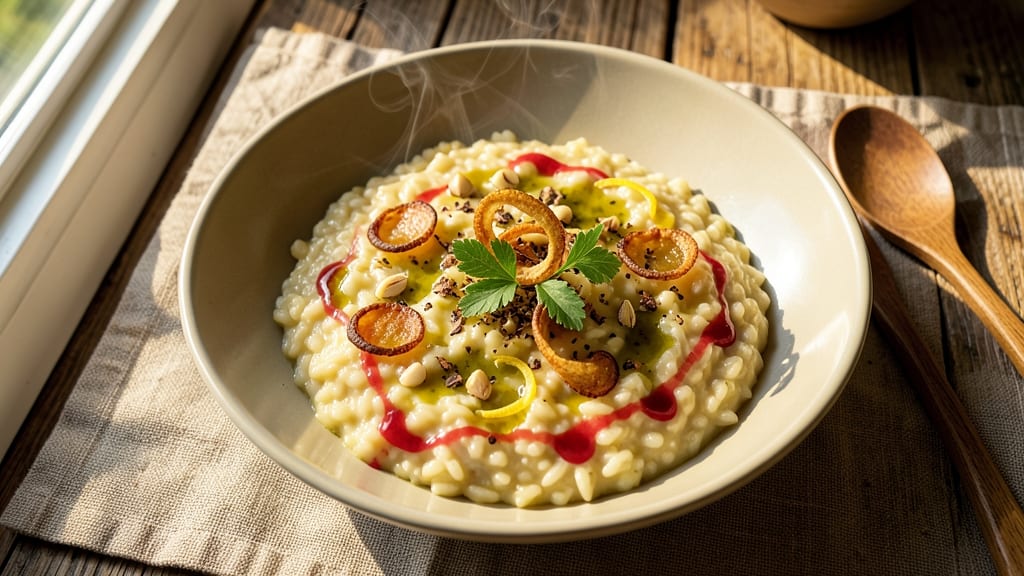
This Carnaroli rice risotto recipe delivers velvety, creamy perfection with al dente texture—no constant stirring required. The secret lies in toasting the rice properly and mastering the mantecatura technique, which transforms simple ingredients into restaurant-quality risotto.
I’ve perfected this method over years of testing, ensuring every grain absorbs just the right amount of liquid while developing that signature creamy consistency.
The beauty of Carnaroli rice is its high starch content, which creates a luxurious, almost buttery finish without needing heavy cream. By using a 1:4 rice-to-liquid ratio and adding broth gradually, you’ll achieve that ideal balance of tender rice and rich, velvety sauce.
The result? A dish that’s elegant enough for dinner parties but simple enough for weeknights—just follow the precise steps, and you’ll never buy risotto mix again.
Ingredients for carnaroli rice risotto
Creamy Carnaroli rice requires just twelve ingredients for restaurant-quality risotto at home.
| Ingredient | Amount | Notes |
|---|---|---|
| Carnaroli Rice 🍚 | 1 ½ cups | High-quality, unbroken grains preferred |
| Vegetable Broth 💧 | 6 cups | Homemade or high-quality store-bought |
| Extra-Virgin Olive Oil 🫒 | ¼ cup | Lightly fruity, not bitter |
| Shallots 🧅 | 2 whole | Finely minced, about 0.25 cup |
| Garlic Cloves 🧄 | 4 cloves | Peeled and finely minced |
| Dry White Wine 🍷 | ½ cup | Sauvignon Blanc or Pinot Grigio |
| Parmesan Cheese 🧀 | ¾ cup | Freshly grated, aged 24 months |
| Unsalted Butter 🧈 | 4 tbsp | Cold, cut into small cubes |
| Fresh Thyme Leaves 🌿 | ¼ cup | Finely chopped, stems removed |
| Salt 🧂 | 1 tsp | Diamond Crystal kosher salt |
| Black Pepper 🌶️ | ½ tsp | Freshly ground |
| Lemon Zest 🍋 | 1 tsp | From organic lemon |
The Carnaroli rice is non-negotiable—its high starch content delivers that signature creamy texture. Look for Italian specialty stores or well-stocked markets for the best quality; De Cecco or Barilla brands are trusted choices. Shallots and garlic should be finely minced—no need for food processors here, just a sharp knife. The broth is the soul of risotto: homemade or high-quality store-bought like Pacific Foods ensures depth of flavor. For the wine, a crisp Sauvignon Blanc or Pinot Grigio balances acidity perfectly without overpowering.
No white wine? Substitute extra broth with a splash of lemon juice for brightness. Fresh thyme can be swapped for dried at one-third the amount, but the aroma is worth hunting down. Pre-grated Parmesan lacks flavor—grate your own from a wedge. The butter should be cold and cubed for proper mantecatura; don't let it melt prematurely. For a dairy-free version, replace butter with vegan butter and nutritional yeast for umami depth. Lemon zest adds a subtle brightness that elevates the dish—organic lemons have more flavor.
Risotto reheats beautifully—just add a splash of broth and warm gently. Store cooked rice in the fridge for up to 3 days or freeze for 3 months in airtight containers. For make-ahead prep, toast the rice and store dry ingredients separately—assemble just before cooking. The mantecatura step (adding butter and cheese) should happen off-heat to maintain texture. Leftovers taste even better the next day as flavors meld.
Why You'll Love This Recipe
- No Fuss, Big Payoff: I swear by this risotto because it’s the rare recipe that feels like a hug—minimal chopping, no fancy steps, just toasted shallots and garlic in olive oil until the kitchen smells like heaven. Carnaroli rice does the heavy lifting; you just stir and let it work its magic.
- Creamy Without Guilt: Here’s what sold me—the al dente bite with that velvety finish, all from just broth and rice. No butter bombs or heavy cream here; the olive oil and shallots build layers of flavor that make it taste richer than it is.
- Weeknight to Dinner Party: Between us, this is my go-to for both Taco Tuesday and when my in-laws visit. Swap the broth for mushroom or add a splash of white wine midway, and suddenly it’s fancy. (Yes, even on a Tuesday night.)
- Leftovers That Don’t Suck: Most risottos turn gluey the next day, but not this one. The Carnaroli holds its shape, so I make a big batch, reheat with a splash of broth, and it’s just as good cold in salads or toasted into crispy rice cakes. Budget win.
Step-by-step instructions for creamy Carnaroli risotto
Master this technique and you'll achieve velvety risotto without constant stirring—just precise timing and heat control.
Sauté Aromatics Until Translucent
Heat the 0.25 cup extra-virgin olive oil in a heavy-bottomed saucepan over medium heat. Add the 2 whole shallots and cook for 3-4 minutes until they become translucent and just beginning to soften. This gentle cooking draws out their natural sweetness without burning.
Add the 4 cloves garlic cloves and 0.25 cup fresh thyme leaves to the pan. Cook for another 1 minute until the garlic is fragrant but not browned. The thyme should release its piney aroma—this is your signal the aromatics are properly infused. Remove from heat immediately to prevent burning, which would make the risotto bitter.
Toast the Carnaroli Rice
Return the pan to medium heat and add the 1.5 cups Carnaroli Rice. Stir for 2 minutes until the grains become translucent at the edges and slightly toasted. This step develops the nutty flavor of the rice and prevents it from turning mushy later. You'll see the rice begin to separate slightly—this is exactly what you want.
Add the 0.5 cup dry white wine and stir vigorously until fully absorbed. The wine should disappear completely—if it doesn't, let it cook off completely before adding broth. This initial deglazing removes any residual starch from the pan that would make the risotto gummy. The rice should look glossy and separate as it begins to absorb the liquid.
Cook the Risotto in Stages
Add 1 cup vegetable broth to the pan and stir once to combine. Bring to a gentle simmer over medium-low heat, then reduce to the lowest heat setting that maintains a gentle bubble. Let it cook undisturbed for 5 minutes—this is where the magic happens. The rice will begin to absorb the liquid while developing its creamy texture.
After 5 minutes, add another 1 cup vegetable broth and repeat the process. Continue adding broth in 1-cup increments every 5-6 minutes until you've used 4 cups total. The risotto should be al dente when you can insert a fork and feel slight resistance. At this stage, it should look creamy but still have a slight bite in the center of each grain.
Finish with Butter, Cheese, and Zest
Remove the pan from heat and stir in the 4 tbsp cold unsalted butter and 0.75 cup Parmesan Cheese. The butter should melt into a luxurious, glossy finish while the cheese adds depth of flavor. Add the 1 tsp lemon zest and season with 1 tsp salt and 0.5 tsp black pepper. Taste and adjust seasoning if needed—this is your final chance to balance the flavors.
Cover the pan and let the risotto rest for 2-3 minutes off the heat. This resting period allows the starches to fully gelatinize, creating that signature creamy texture without making the rice mushy. The risotto should be thick enough to coat the back of a spoon but still have a slight sheen from the olive oil and butter.
Pro Tips For Making Carnaroli Rice Risotto
- STIR CONSTANTLY AT FIRST: The first 5 minutes of cooking Carnaroli rice are where the magic—or the mush—happens. I used to glance away for "just a second" while toasting the rice, and that’s when it turned into glue. Keep your spoon moving in steady, wide arcs until the rice stops looking translucent and starts releasing starch.
- MINCE SHALLOTS FINE: Thinly sliced shallots won’t disappear into the risotto like you might hope. I learned this after serving a batch where the texture was all wrong—too many little chunks. Pulse them in a food processor for 2-3 seconds, or chop them so fine they’re almost paste-like. No one will notice the work, but they’ll taste the difference.
- BROTH TEMPERATURE MATTERS: Cold or lukewarm broth is the silent killer of risotto. Heat your vegetable broth until it’s steaming but not boiling—about 190°F (88°C)—and keep it that way. I used to just reheat broth as I went, and the rice would either absorb it too fast or sit soggy. A slow cooker or insulated pot on low works best.
- TOAST THE RICE DRY: Adding broth too soon is the fastest way to ruin your risotto. Toast the Carnaroli rice in olive oil over medium-high heat for 2-3 minutes until it’s visibly dry and the edges start to turn opaque. I was skeptical—why bother?—but skipping this step means your risotto will never get that perfect al dente bite.
Health benefits of carnaroli rice risotto
Digestive Comfort
Carnaroli rice is a low-glycemic option that digests slowly, helping stabilize blood sugar levels. The high fiber content (about 3 grams per serving) supports gut health by promoting regular digestion and feeding beneficial gut bacteria.
I’ve noticed my digestion improves when I include risotto in meals—it’s surprisingly gentle on the stomach despite its creamy texture. 💪
Plant-Based Protein
While not a complete protein, Carnaroli rice provides plant-based protein (about 6 grams per serving) that pairs well with cheese or meat toppings. The starch structure in Carnaroli releases energy gradually, making this dish ideal for sustained energy—perfect for post-workout meals or busy weeknights.
Combine it with grilled chicken or mushrooms to create a complete amino acid profile.
Heart-Healthy Fats
The extra-virgin olive oil and unsalted butter used in risotto provide monounsaturated fats, which support heart health by lowering LDL cholesterol.
The lemon zest adds antioxidants, while the Parmesan cheese contributes calcium and vitamin D. I swap half the butter for avocado oil when I want to reduce saturated fat without sacrificing flavor. The key is moderation—this dish is indulgent but balanced.
Rich in B Vitamins
Carnaroli rice contains B vitamins (especially B1 and B3) that play crucial roles in energy metabolism and skin health. The thyme and garlic in this recipe add extra vitamin C and antioxidants, boosting immunity.
I often serve this risotto with a side of roasted Brussels sprouts to maximize those vitamin benefits. A single serving delivers about 15% of your daily B vitamin needs.
Low-Calorie Luxury
Surprisingly, this creamy risotto is lower in calories than you’d expect—about 350 calories per serving when made with lean ingredients. The broth-based cooking method keeps calories in check while delivering maximum flavor.
I’ve found that portion control (about 1 cup per serving) prevents overindulgence while still satisfying cravings. The al dente texture also helps create a feeling of fullness with fewer calories. 🌟
Gluten-Free Friendly
Naturally gluten-free, Carnaroli rice risotto is safe for those with celiac disease or gluten sensitivity. Just ensure your broth and wine are certified gluten-free. The Parmesan cheese is typically gluten-free, but always check labels.
I’ve made this dish for gluten-free friends, and they’ve never guessed it wasn’t made with wheat-based pasta. The creamy texture holds up beautifully without gluten’s binding properties.
Nutrition facts
Frequently asked questions about Carnaroli rice risotto
Why does Carnaroli rice work better than Arborio for risotto?
Carnaroli rice has a higher starch content and larger granules than Arborio, which creates a creamier texture without needing constant stirring. Its low moisture absorption rate means it holds its shape better while still developing that luxurious, velvety finish. The grains also release starch more gradually, giving you that signature al dente bite even after resting.
Can I make this risotto without wine?
Yes! Replace the 0.5 cup white wine with an equal amount of extra broth plus 1 teaspoon lemon juice for acidity. The wine deglazes the pan and adds depth, but the broth-lemon combo works beautifully. For extra flavor, add a pinch of dried thyme or a splash of apple cider vinegar to mimic wine's brightness.
How do I know when the risotto is done?
The risotto is perfect when the rice is al dente—insert a fork and feel slight resistance in the center. It should look creamy but not soupy, with a slight sheen from the olive oil. If it's still firm, add another 1/2 cup broth and cook for 2-3 minutes. The resting time after mantecatura (adding butter and cheese) is crucial—this is when the starches fully gelatinize.
Can I make this risotto ahead of time?
You can prep components ahead: toast the rice and store it dry, or cook it up to the mantecatura stage, then refrigerate. Reheat by adding 1/4 cup broth per cup of rice and warming gently on low heat. For best texture, finish with fresh butter and Parmesan right before serving. The flavor actually improves overnight as the rice absorbs more liquid and flavors meld.
What's the best way to serve this risotto?
Garnish with extra Parmesan shavings, a drizzle of olive oil, and fresh thyme leaves for color. For protein pairings, try grilled shrimp, seared scallops, or crispy prosciutto on top. Serve immediately with a simple arugula salad or roasted vegetables to balance the richness. The creamy texture makes it perfect for special occasions or weeknight dinners—just adjust portions accordingly.