
Main Courses
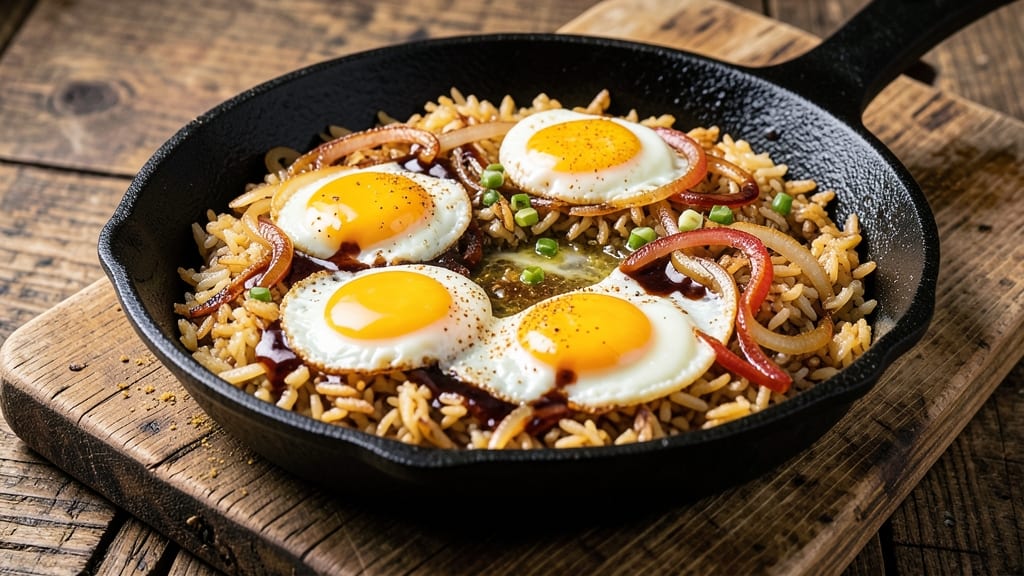
This one-pot camping fried rice recipe turns leftover rice and pantry staples into a hearty, crispy-egg-packed meal perfect for campfires and limited kitchen setups. The secret lies in high-heat pan-frying with minimal equipment—just a portable skillet and your camp stove.
I’ve tested this over countless trips, and it never fails to deliver restaurant-quality texture with crispy edges and tender veggies, all while keeping cleanup to a single pan.
What makes this recipe truly foolproof is its adaptability: swap in whatever veggies or protein you have on hand, and adjust seasonings to your taste. The eggs add richness and protein, while soy sauce and garlic powder create that signature umami kick.
Ready in 15 minutes with 5 ingredients, it’s the ultimate campfire solution for hungry hikers or lazy weekend campers. Let’s get cooking!
Ingredients for camping fried rice
Five ingredients plus whatever veggies you've got—this one-pot meal is camping magic.
| Ingredient | Amount | Notes |
|---|---|---|
| Day-Old Cooked White Rice 🍚 | 4 cups | Cold, preferably leftover |
| Large Eggs 🥚 | 4 whole | Fresh, room temperature |
| Vegetable Oil 🫒 | ¼ cup | High smoke point preferred |
| Soy Sauce 🥢 | 3 tbsp | Low-sodium preferred |
| Garlic Powder 🧄 | 1 tsp | Freshly ground preferred |
| Onion Powder 🧅 | 1 tsp | For depth of flavor |
| Frozen Mixed Vegetables 🥕 | 1 cup | Peas, carrots, corn preferred |
| Salt 🧂 | ½ tsp | Adjust to taste |
| Black Pepper 🌶️ | ½ tsp | Freshly ground preferred |
| Green Onions 🧅 | 2 whole | Sliced thin, for garnish |
| Sesame Oil 🫒 | 1 tsp | For finishing aroma |
The rice is your canvas here. Day-old rice is ideal—it's drier and fries up better than fresh. I usually grab a big bag of jasmine rice from Costco for trips, but any white rice works. The eggs? Fresh is best, but if they're a day or two old, just whisk them extra well. Frozen veggies are a game-changer—no chopping, just dump and cook. Trader Joe's has great frozen mixed veggie bags with peas, carrots, and corn—perfect for this. If you're feeling fancy, swap in fresh bell peppers or zucchini, but frozen is foolproof for camping.
No soy sauce? Oyster sauce or teriyaki glaze works in a pinch, though soy gives that classic umami kick. Fresh garlic and onion powder are non-negotiable for flavor, but garlic salt or onion flakes can substitute if you're packed light. The sesame oil is optional but adds that authentic wok-house aroma—Trader Joe's has it for under $5. If you burn the eggs a little, don't stress. Crispy edges are the goal—that's what makes this taste like a restaurant meal. And if you forget the green onions? Skip it, no one will notice.
This keeps for 3 days in the fridge if you're lucky enough to have one at camp, but honestly, it's best eaten fresh off the skillet. For storage, just toss leftovers in a ziplock bag—it reheats beautifully. At home, I double the batch and freeze portions for lazy weeknight dinners. Microwave-safe container only, though—it's a one-pan miracle, but not a microwave one. Pro tip: Pack your veggies and rice in separate bags to keep them dry and ready to go.
Why You'll Love This Recipe
- No-Chop Needed: I swear by this—just scoop that day-old rice straight from the pot, crack eggs into the pan, and let the garlic powder do its magic. No dicing, no fuss, just pure campfire-friendly simplicity.
- Crispy Egg Magic: That first bite? The eggs fry up with a golden edge while staying creamy inside, and the soy sauce ties it all together like a warm hug. Honestly, it’s the kind of fried rice that makes you forget you’re eating leftovers.
- Campfire to Table: Pack it in a cooler, reheat over a portable stove, or even eat it cold—this rice travels like a champ. Perfect for group outings where you need one-pan, zero-complaints food that actually tastes better the second time around.
- Budget-Buster Meal: A few eggs, a splash of soy sauce, and rice you already have? This is the recipe that saves me from takeout when my wallet’s thin. Plus, the leftovers reheat like a dream—no soggy bits, just pure satisfaction.
Step-by-step instructions for camping fried rice
This one-pot method keeps things simple and delivers crispy eggs every time—perfect for campfire cooking.
Heat Oil and Scramble the Eggs
In a large, non-stick skillet or cast-iron pan over medium-high heat, add the ¼ cup vegetable oil. Let it heat for 1-2 minutes until shimmering but not smoking. Crack the 4 whole large eggs directly into the pan and let them sit undisturbed for 10-15 seconds—this helps create crispy edges.
Using a spatula, gently push the eggs toward the center of the pan, letting the uncooked egg flow to the edges. Repeat this motion for 1-2 minutes until the eggs are just set but still slightly runny in the center. Remove the eggs and set them aside on a plate—they'll finish cooking when we add them back later. This step ensures those perfect crispy egg bits that make fried rice so satisfying.
Stir-Fry the Vegetables and Seasonings
In the same pan (no need to wipe it clean—those egg bits add flavor), add the 1 cup frozen mixed vegetables and cook for 3-4 minutes over medium-high heat, stirring occasionally. The vegetables should thaw and begin to soften slightly but still retain a bit of crunch. Add the 1 tsp garlic powder and 1 tsp onion powder, stirring for another 30 seconds to let the aromatics bloom.
Here's where the magic happens: add the 3 tbsp soy sauce and ½ tsp salt. Stir everything together and let it cook for 1 minute until the vegetables are heated through and the sauce begins to coat them. The soy sauce will help break down any ice crystals in the frozen veggies, ensuring even cooking. Taste the mixture—adjust the seasoning with more soy sauce or salt if needed, but don't overdo it; we'll balance it with the eggs and rice.
Combine Rice and Finish Cooking
Add the 4 cups day-old cooked white rice to the pan, breaking up any large clumps with your spatula. Stir-fry for 3-4 minutes over medium heat, letting the rice absorb the flavors from the vegetables and sauce. The rice should be heated through and slightly crispy around the edges—this is where that one-pot convenience shines.
Return the scrambled eggs to the pan and gently fold everything together. Cook for another 1-2 minutes until the eggs are fully heated through and the rice is evenly coated with the sauce. The eggs should be warm but still slightly soft in the center. If the mixture seems dry, add 1-2 tablespoons of water to loosen it up. The goal is a balance of textures—crispy edges, tender rice, and creamy eggs.
Garnish and Serve Campfire-Style
Remove the pan from heat and drizzle with 1 tsp sesame oil. Stir gently to distribute it evenly—this adds a nutty aroma and ties all the flavors together. Thinly slice the 2 whole green onions and sprinkle them over the top. The green onions add a fresh contrast to the rich, savory fried rice.
Serve immediately while everything is hot and the eggs are still slightly runny. This one-pot method is perfect for camping because it's easy to clean up—just one pan to wash—and it delivers restaurant-quality results with minimal effort. Pack extra soy sauce or sesame oil in your camping gear for adjusting flavors on the fly.
Pro Tips For Making Camping Fried Rice
- CRACK EGGS FIRST: Scramble the eggs in a separate pan until just set—soft, slightly wet curds, not dry. Then toss them into the rice last to keep them creamy instead of rubbery. I used to scramble them in the same pan, and the eggs always turned out like sad, dry hockey pucks.
- USE COLD RICE: Grab the rice straight from the fridge—it’s drier and won’t turn mushy. Break up clumps with your hands first, then spread it in a thin layer on the pan. I learned this the hard way after camping trips where my rice turned into glue.
- SALT THE RICE: Sprinkle a pinch of salt (or a dash of soy sauce) over the cold rice before cooking. It crisps the edges and balances the flavors—no need for extra soy later. My grandmother swore by this, and she was right: it actually changes the outcome.
- LIMIT THE SOY: Start with half the soy sauce you’d use at home—you can always add more. Camping rice tends to dry out faster, and too much soy makes it taste flat. Taste as you go; it’s easier to fix than overdoing it.
Essential equipment for this recipe
Portable Skillet
Your 10-12 inch cast-iron skillet is the MVP of camping fried rice—it retains heat beautifully and adds that restaurant-worthy crispiness. I swear by a Lodge Pre-Seasoned Cast Iron Skillet because it’s pre-seasoned, lightweight, and handles campfire heat like a champ.
For lighter trips, a non-stick aluminum skillet (like Cuisinart MultiClad) works too—just avoid high heat to prevent warping. 🔥
Camp Stove
Any propane or butane camp stove with adjustable heat will work, but I recommend a Jetboil Flash for its quick heat-up time and precision control. If you’re cooking over a fire, use a grill grate or campfire tripod to keep your pan stable.
Avoid direct flame—medium-high heat is key for crispy eggs without burning the veggies. A windscreen helps too if you’re battling gusts.
Spice Kit
Pack a mini spice kit with garlic powder, onion powder, black pepper, and soy sauce in small containers. I use Penzeys Spices travel-sized packets—they’re lightweight and flavor-packed. For extra convenience, grab a single-serve soy sauce packet (like La Choy) to stash in your pocket.
Sesame oil is optional but worth it—Trader Joe’s sells it in tiny bottles perfect for camping.
Storage Solutions
Use ziplock bags to pre-portion rice, veggies, and spices—no spills, no mess. I keep 4 cups dry rice in one bag and 1 cup frozen veggies in another. For eggs, hard-boil them ahead and store in a cooler with ice packs if you’re camping for more than a day.
A collapsible silicone spatula fits in your pocket and is easier to clean than metal utensils.
Extras for Flavor
Bring hot sauce, Sriracha, or chili crisp in a small bottle to spice things up. A mini bottle of rice vinegar adds brightness if your fried rice needs a lift.
For protein, pack pre-cooked sausage or canned chicken—just heat and toss in at the end. I always throw in a handful of peanuts for crunch and extra protein. 💡
Nutrition facts
Frequently asked questions
Can I make this camping fried rice with fresh rice instead of day-old?
Fresh rice works but will be soggy—it lacks the dry texture needed for crispy edges. If you must use it, spread the freshly cooked rice on a tray and refrigerate for 1 hour first to dry it out. The key is day-old rice that's cold and slightly firm, which fries up perfectly in your camp skillet.
What if I don't have frozen veggies while camping?
No problem! Use whatever fresh veggies you packed—bell peppers, zucchini, or even canned corn work great. Just chop them small so they cook quickly over campfire heat. For extra flavor, add a pinch of paprika or cumin to mimic the frozen veggie blend's seasoning.
How do I keep my eggs from sticking in a non-stick pan?
Use high-heat oil (like vegetable or canola) and let it get properly hot before adding eggs. A 10-second wait after cracking lets the eggs set slightly before stirring. If they still stick, your pan isn't hot enough—adjust to medium-high heat and try again. Cast iron naturally prevents sticking better than non-stick.
Can I make this recipe over a campfire without a stove?
Use a campfire tripod or hang your skillet over the flames with a grill grate. Keep the heat medium-high and stir frequently to prevent burning. The key is indirect heat—position your pan where the flames lick the sides but don't directly hit the bottom.
Why does my camping fried rice taste bland?
Check your seasoning balance: soy sauce (umami), garlic/onion powder (aromatic), and sesame oil (nutty depth) are your flavor pillars. If it's still bland, add a dash of fish sauce or hot sauce at the end. Also ensure your rice isn't waterlogged—excess moisture dilutes flavors.