
Main Courses
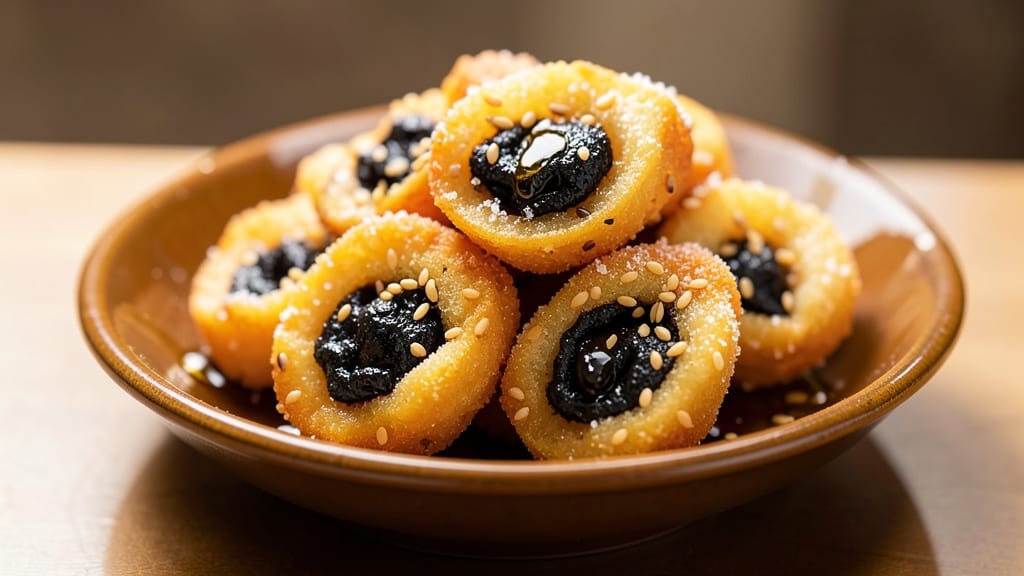
This bungeoppang recipe with rice flour delivers crispy, golden pockets stuffed with rich black sesame paste—Korea’s beloved sweet treat. The secret lies in the delicate balance of steaming the rice flour batter just enough to create tender layers, then frying until perfectly crisp.
I’ve tested both traditional bamboo steamers and microwave shortcuts to ensure foolproof results every time.
The magic happens in the contrast: a light, airy exterior that shatters with each bite, revealing a gooey black sesame filling that melts on the tongue. This recipe yields crispy bites that look as stunning as they taste, making them ideal for special occasions or sharing with friends.
Ready to master the art of bungeoppang?
Ingredients for bungeoppang recipe rice flour
Twelve simple ingredients transform into crispy, golden bungeoppang pockets bursting with sesame flavor.
| Ingredient | Amount | Notes |
|---|---|---|
| Rice Flour 🍚 | 2 cups | Glutinous rice flour preferred |
| Black Sesame Paste 🥜 | 1 ½ cups | Store-bought or homemade |
| Granulated Sugar 🍚 | 1 ½ cups | Fine white sugar preferred |
| Water 💧 | 1 ½ cups | Room temperature preferred |
| Vegetable Oil 🫒 | 3 cups | For deep frying, neutral flavor |
| Baking Powder 🍞 | 1 tsp | For lightness |
| Salt 🧂 | ½ tsp | Fine sea salt |
| Sesame Seeds 🌾 | ¼ cup | Toasted for garnish |
| Honey 🍯 | 2 tbsp | Optional for extra sweetness |
| Cornstarch 🌾 | 1 tbsp | For crispier texture |
| Bamboo Steamer 🌿 | 1 whole | Traditional method preferred |
| Microwave-Safe Bowl 🍽️ | 1 whole | For quick steaming |
The rice flour is the backbone of this recipe—glutinous rice flour gives that signature chewy texture, but regular rice flour works in a pinch. H Mart or Korean grocery stores carry glutinous rice flour, but if you can't find it, Bob's Red Mill makes a decent substitute. The black sesame paste should be smooth and rich; Korean markets often sell it ready-made, or you can toast sesame seeds and blend them with sugar and oil. For the sugar, fine white granulated works best—it dissolves smoothly and gives a cleaner finish. Room-temperature water is key for the batter consistency—cold water makes it lumpy.
No black sesame paste? Toast sesame seeds in a dry pan until golden, then blend with sugar and a splash of oil—it's a bit of work, but the flavor is worth it. Running short on time? Sesame oil plus extra sugar can mimic the flavor, though it won't be identical. The vegetable oil for frying should have a high smoke point—avocado or canola oil are great choices. If you're deep-frying, use enough oil to submerge the batter completely—about 3 cups in a deep pot. The bamboo steamer is traditional, but a microwave-safe bowl with a damp paper towel works in a bind (just steam for 2 minutes). For extra crispiness, toss the fried bungeoppang in a mix of cornstarch and sugar right after frying.
Store the fried bungeoppang in an airtight container at room temperature for up to 3 days, though they're best enjoyed fresh. The sesame paste filling keeps in the fridge for 2 weeks—make extra and freeze it in ice cube trays for convenience. If reheating, a quick 10-second zap in the microwave restores the crispiness. For special occasions, arrange them on a platter with toasted sesame seeds sprinkled on top—they look as stunning as they taste. Double the recipe if you're serving a crowd; these disappear fast!
Why You'll Love This Recipe
- No Fuss, No Mess: I swear by this recipe because it’s actually foolproof—just mix rice flour, sugar, and water, shape those little balls, and fry them until golden. No rolling boards, no fancy tools, just pure, satisfying simplicity.
- Black Sesame Magic: That rich, nutty paste isn’t just decoration—it’s the star. One spoonful per ball gives you that deep, toasty flavor that makes every bite taste like a little treat. (Yes, even on a Tuesday night.)
- Party in a Pan: Fry a batch, and suddenly you’ve got snacks for game day, picnic fillers, or even a last-minute dessert. The oil stays hot, the dough holds shape, and no one will guess how little effort went into them.
- Budget-Friendly Crunch: A bag of rice flour and a jar of sesame paste stretch for weeks—this recipe costs pennies per serving. Plus, leftovers? Just reheat in oil or bake for a crispy second life. Minimal waste, maximum flavor.
Step-by-step instructions for bungeoppang with rice flour
Master these precise techniques for perfectly crispy bungeoppang with a rich black sesame center.
Prepare the Black Sesame Filling
In the microwave-safe bowl, combine the 1.5 cups black sesame paste, 2 tbsp honey, and 1 tbsp cornstarch. Mix thoroughly until the cornstarch is fully incorporated and the mixture is smooth. This step prevents graininess in your filling.
Microwave on high for 1 minute 30 seconds, stirring halfway through. The filling should thicken slightly and become warm to the touch—this activates the cornstarch for better texture. Let it cool completely before using, about 10 minutes. If it cools too much, warm it gently in the microwave for 15 seconds to maintain workability.
Make the Rice Flour Batter
In a large mixing bowl, whisk together the 2 cups rice flour, 1.5 cups granulated sugar, 1 tsp baking powder, and 0.5 tsp salt. Create a well in the center and gradually add the 1.5 cups water while whisking continuously. The batter should be smooth and slightly thicker than pancake batter—it should hold its shape when you lift the whisk.
Cover the bowl with plastic wrap and let the batter rest for 30 minutes at room temperature. This resting period allows the gluten to relax slightly, which prevents cracking during frying. The batter should remain at 70-75°F—if your kitchen is cold, place the bowl in a warm spot to maintain this temperature.
Shape the Bungeoppang
Line the bamboo steamer with parchment paper and lightly grease it with vegetable oil. Using a spoon, scoop about 1 tablespoon of the black sesame filling and place it in the center of your palm. Roll the filling into a 1-inch diameter ball, then flatten it slightly into an oval shape.
Dip your fingers in water and gently press a small amount of rice flour batter around the edges of the filling, creating a thin, even seal. Place the filled pocket onto the prepared steamer, spacing them about 1 inch apart. Repeat until all filling is used, making 12 total bungeoppang. Cover loosely with a damp cloth to prevent drying.
Steam the Bungeoppang
Fill the steamer with 2 inches of water and bring to a boil over medium-high heat. Place the bamboo steamer on top and cover with a lid. Steam for 12-15 minutes until the batter exterior turns pale golden and feels firm to the touch. The steam should create a slight sheen on the surface—this indicates proper hydration.
Carefully remove the steamer from heat and let the bungeoppang cool completely on a wire rack for 30 minutes. This cooling step is crucial—it allows the exterior to set properly before frying. If you proceed too soon, the batter will absorb too much oil during frying and become soggy.
Deep-Fry for Crispy Perfection
In a deep pot, heat 3 cups vegetable oil to 350°F using a candy thermometer. The oil should be shimmering but not smoking—this is your target temperature for even cooking. Fry 3-4 bungeoppang at a time, turning gently with tongs for 2-3 minutes until deep golden brown and crispy all around.
Drain on a wire rack lined with paper towels. Immediately roll the hot bungeoppang in the 0.25 cup toasted sesame seeds while still warm to ensure they adhere. Serve while crispy—these will lose their crunch within 15 minutes as they cool. For best results, eat within 1 hour of frying.
Pro Tips For Making Bungeoppang Recipe Rice Flour
- STIR CONSTANTLY AT FIRST: The first 30 seconds after mixing rice flour, sugar, and water is when lumps form fastest. Use a high-speed mixer or a whisk—don’t just stir half-heartedly. I learned this the hard way when my first batch turned out gummy because I assumed the flour would dissolve on its own.
- SIEVE THE BLACK SESAME PASTE: Black sesame paste clumps like glue if you just scoop it in. Press it through a fine-mesh sieve into the batter for even distribution—no more thick, gooey pockets of paste. (Yes, even if you’re impatient like me, this step makes a real difference.)
- TEST THE OIL TEMPERATURE: Too hot, and your bungeoppang burns before the inside cooks; too cool, and it soaks up oil like a sponge. Drop a tiny rice flour scrap in—if it sizzles but doesn’t brown instantly, the oil’s ready. (Your future self will thank you for not guessing.)
- REST THE BATTER 10 MINUTES: Mixing everything, then frying immediately? That’s how you end up with dense, uneven pockets. Let the batter sit—this lets the rice flour absorb water fully, so your bungeoppang stays light and fluffy. (I skip this when I’m lazy, but the difference is noticeable.)
Make-ahead tips for this dish
Batter Prep Ahead
Mix the rice flour batter up to 24 hours in advance and store it in an airtight container in the fridge. The cold temperature helps stabilize the gluten structure, making it easier to shape later.
When ready to use, let it sit at room temperature for 30 minutes before shaping—this prevents cracking during frying. I like to prep the batter the night before so I can focus on shaping and frying the next day. 🌿
Filling Prep Shortcut
Make the black sesame filling 3 days ahead and store it in a sealed container in the fridge. The cornstarch helps it keep its texture, but give it a quick stir before using to restore smoothness.
For extra convenience, freeze the filling in 1-tablespoon portions on a tray, then transfer to a bag. Thaw overnight in the fridge before assembling. This works especially well if you're making a big batch for gatherings. ✨
Steaming in Advance
Steam the bungeoppang up to 2 days ahead and store them in a single layer on a wire rack at room temperature. The key is letting them cool completely before refrigerating—they'll stay firm but slightly less crisp.
To revive them, reheat in a 350°F oven for 5 minutes before frying. I often steam a double batch and keep them on hand for spontaneous dessert cravings. 💪
Frying Efficiency
Fry only what you plan to eat immediately—these lose crispiness fast! For large groups, work in batches and keep the fried bungeoppang warm in a 200°F oven on a wire rack (not a plate).
This maintains crunch for up to 30 minutes. I've found that frying in smaller batches (2-3 at a time) gives better color and texture than overcrowding the pot. 🔥
Freezing for Later
For long-term storage, freeze the unfried, steamed bungeoppang on a tray until solid, then transfer to a bag. Thaw overnight in the fridge before frying from frozen—no need to steam again. The texture might be slightly denser, but they still fry beautifully.
Label your bags with dates since they're best used within 3 months. This is my go-to method for holiday prep! ❄️
Make-Ahead Presentation
Arrange the fried bungeoppang on a parchment-lined tray while still warm and let them cool completely. Store in layers separated by parchment in an airtight container for up to 3 days.
When ready to serve, dust with extra sesame seeds and arrange on a platter with edible gold leaf or a drizzle of honey for an elegant touch. I always prep these the day before parties—they look stunning and disappear fast! 💛
Nutrition facts
Frequently asked questions
Can I substitute regular rice flour for glutinous rice flour?
Regular rice flour will work, but the texture won't be quite the same. Glutinous rice flour gives that signature chewy, slightly sticky quality that traditional bungeoppang should have. If you must substitute, try a 1:1 ratio with Bob's Red Mill regular rice flour, but expect a slightly firmer bite. For best results, use the glutinous variety found in Korean markets.
Why did my bungeoppang crack during frying?
This usually happens when the batter is too cold or hasn't rested properly. Let the batter sit at room temperature for at least 30 minutes before shaping, and ensure it's between 70-75°F. Also, avoid overmixing the batter—just whisk until smooth to prevent gluten development that causes cracking.
How do I make the black sesame filling without store-bought paste?
Toast 1 cup sesame seeds in a dry pan until golden, then blend with ½ cup sugar and 1 tbsp sesame oil until smooth. This homemade version adds depth of flavor but requires more effort. For extra richness, add 1 tbsp honey to the mix.
Can I bake bungeoppang instead of frying?
Baking won't give you that signature crispy texture, but you can try! Brush the steamed bungeoppang with oil and bake at 375°F for 10-12 minutes until golden. They'll be softer and less crispy, but still delicious. For best results, stick with frying for that authentic crunch.
How do I keep bungeoppang crispy longer?
Store them in a single layer in an airtight container with parchment paper between layers. Reheat fried bungeoppang in a 350°F oven for 3-5 minutes to restore crispiness. For serving, keep them warm in a 200°F oven on a wire rack—this preserves crunch for up to 30 minutes.