
Main Courses
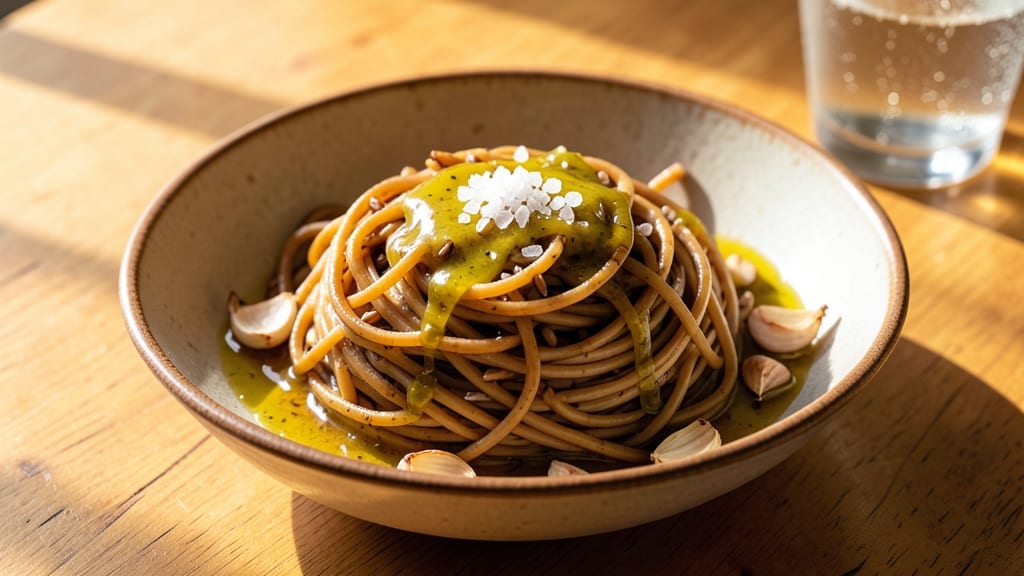
This brown rice spaghetti recipe transforms nutty grains into chewy, satisfying strands that rival traditional pasta—without sacrificing texture or flavor. 💛 The secret lies in a simple cooking technique that yields strands with an al dente bite, perfect for hearty vegetarian meals or protein-packed bowls.
I developed this after years of craving a pasta alternative that delivers on both nutrition and taste, and it never fails to impress.
What sets this dish apart is its versatility—pair it with marinara for a classic twist, toss it with sautéed vegetables for a vibrant bowl, or top it with a creamy pesto for a restaurant-worthy meal.
The brown rice absorbs flavors beautifully, making it a blank canvas for your favorite sauces and seasonings. Ready in under 30 minutes, this recipe proves wholesome eating can be just as delicious as it is nutritious.
Ingredients for brown rice spaghetti
Pantry staples and fresh produce meet chewy perfection in these nutty strands.
| Ingredient | Amount | Notes |
|---|---|---|
| Short-Grain Brown Rice 🌾 | 1 cup | Uncooked, medium grain preferred |
| Vegetable Broth 💧 | 3 cups | Low-sodium preferred |
| Extra-Virgin Olive Oil 🫒 | 2 tbsp | For preventing sticking |
| Lemon Juice 🍋 | 1 tbsp | Freshly squeezed |
| Garlic Cloves 🧄 | 3 cloves | Minced for flavor infusion |
| Kosher Salt 🧂 | 1 ½ tsp | Diamond Crystal preferred |
| Fresh Basil Leaves 🌿 | ¼ cup | Chopped for garnish |
| Zucchini 🥒 | 1 medium | Julienned for texture contrast |
| Cherry Tomatoes 🍅 | ½ lb | Halved for freshness |
| Nutritional Yeast 🧀 | 2 tbsp | For cheesy umami flavor |
| Red Pepper Flakes 🌶️ | ½ tsp | Adjust for heat preference |
| Black Pepper 🌶️ | ¼ tsp | Freshly ground |
| Fresh Parsley 🌿 | ⅛ cup | Chopped for brightness |
| White Wine Vinegar 🍷 | 1 tsp | For acid balance |
The brown rice is the star—short-grain varieties like Calrose or sushi rice create the chewiest texture. Trader Joe's and Whole Foods carry great options, or check the Asian foods aisle at your local supermarket. Look for medium-grain labels; long-grain stays too firm. The vegetable broth should be rich but not salty—Imagine or Pacific Foods brands are my go-tos. Fresh garlic and lemon juice are non-negotiable here; they're what transforms simple rice into restaurant-quality spaghetti. I always grab extra lemon because the freshness makes a huge difference.
No short-grain brown rice? Medium-grain white rice works in a pinch, though texture will be slightly firmer. Substitute vegetable broth with water plus 1 tsp soy sauce for depth. The zucchini can be swapped for asparagus or bell peppers—whatever looks freshest at the market. Cherry tomatoes? Canned diced tomatoes in a pinch, but drain well to avoid excess moisture. Nutritional yeast is a game-changer for that cheesy flavor without dairy, but miso paste at half the amount adds umami too. The red pepper flakes can be omitted entirely if you're sensitive to heat.
Store uncooked rice in an airtight container for up to 6 months. Once cooked, keep the spaghetti in the fridge for 4-5 days—it actually tastes better the next day as flavors meld. For longer storage, freeze portions in a single layer before transferring to bags for up to 3 months. I like to prep a double batch and freeze half immediately; it's perfect for quick weeknight meals. The fresh herbs? Store them wrapped in damp paper towels in a bag with a rubber band—keeps them vibrant for 5 days.
Why You'll Love This Recipe
- No-Chop Necessary: I swear by this—just toss in short-grain brown rice, a splash of broth, and let it simmer. The rice breaks down into tender strands all by itself, no blade needed.
- Garlic-Lemon Magic: That bright lemon finish and toasted garlic? It turns simple rice into something you’ll reach for instead of pasta. The olive oil keeps it rich without being heavy.
- Lunchbox Hero: Between us, this is my go-to for packed lunches. It reheats beautifully, stays fresh for days, and even my picky kid grabs it first thing in the morning.
- Pantry Staple Power: Vegetable broth and rice? You’re already halfway there. It’s cheap, filling, and I’ve made it for everything from quick dinners to potlucks—no one ever asks what’s in it.
Step-by-step instructions for brown rice spaghetti with nutty earthy flavor
Here's how to transform simple brown rice into restaurant-worthy spaghetti with perfect chew and bold flavor.
🍳 Step 1: Cook the Rice to Al Dente Perfection
Rinse the 1 cup short-grain brown rice in a fine-mesh strainer until the water runs clear—this removes excess starch that can make your pasta gummy. In a medium saucepan, combine the rice with the 3 cups vegetable broth and bring to a boil over high heat. Once boiling, immediately reduce to low heat, cover with a tight-fitting lid, and simmer for 35-40 minutes.
Here's the thing—brown rice needs gentle heat to cook evenly. Stir once halfway through cooking to prevent sticking. You'll know it's done when the rice is tender but still has a slight bite (al dente), and the liquid has been completely absorbed. If it's still firm, add 2-3 tablespoons more broth and cook another 5 minutes.
👨🍳 Step 2: Prepare the Vegetable Medley
While the rice cooks, julienne the 1 medium zucchini into thin strips (about 1/8-inch thick) and halve the 0.5 lb cherry tomatoes. Heat 1 tablespoon of the extra-virgin olive oil in a large skillet over medium heat. Add the zucchini and cook for 3-4 minutes until just tender but still vibrant green.
Remove the zucchini and set aside, then add the remaining 1 tablespoon olive oil to the same skillet. Add the minced 3 cloves garlic and cook for 30 seconds until fragrant but not browned. Add the halved cherry tomatoes and cook for 2 minutes until they begin to soften slightly. Season with 0.5 teaspoon red pepper flakes and 0.25 teaspoon black pepper.
🥘 Step 3: Create the Flavorful Sauce Base
Transfer the cooked rice to a large mixing bowl and fluff it gently with a fork. In a small bowl, whisk together the 2 tablespoons nutritional yeast, 1 tablespoon lemon juice, and 1 teaspoon white wine vinegar. Pour this mixture over the warm rice and toss to combine. The nutritional yeast will give you that cheesy, umami depth without dairy.
Add the sautéed zucchini and tomatoes to the rice, along with the remaining 1.5 teaspoons kosher salt. Stir everything together carefully—you want to preserve the individual textures while distributing the flavors evenly. The acidity from the lemon and vinegar will brighten the earthy rice and balance the richness of the nutritional yeast.
🍽️ Step 4: Finish with Fresh Herbs and Perfect Presentation
Chop the 0.25 cup fresh basil leaves and 0.125 cup fresh parsley into fine ribbons. Fold these herbs into the rice mixture just before serving to maintain their vibrant color and fresh flavor. The herbs should be distributed evenly throughout—this is what gives your dish that restaurant-quality finish.
For serving, divide the spaghetti among plates and drizzle with any remaining olive oil from the skillet. The pasta should have a beautiful nutty color with visible specks of zucchini and tomatoes throughout. Each bite should deliver that perfect chewy texture with layers of flavor—earthy rice, bright herbs, tangy acidity, and a touch of spicy heat. Serve immediately while the flavors are at their peak!
Pro Tips For Making Brown Rice Spaghetti
- TOAST THE RICE FIRST: I learned this the hard way—skipping the quick toast in olive oil makes the rice gummy. Heat a dry pan over medium-high, add the short-grain brown rice, and stir for 2-3 minutes until it smells nutty and the edges turn golden. This step builds flavor and prevents mushiness later.
- USE COLD BROTH: Cold broth is your friend here. Start with room-temperature or chilled vegetable broth to avoid shocking the rice and ending up with a mushy, split mess. Add it gradually as the rice cooks, stirring occasionally—this keeps the grains intact and prevents a gluey texture.
- PRESSURE-CHECK THE GARLIC: Fresh garlic cloves matter, but so does how you handle them. Smash the cloves flat with the side of your knife before adding them—this releases more flavor without burning. If using minced garlic, add it in the last 2 minutes of cooking to avoid bitterness.
- LEMON ZEST, NOT JUST JUICE: I was skeptical until I tried it: add a fine zest of lemon (not just juice) to the finished rice. The zest brightens the dish with aroma and acidity without overpowering. Sprinkle it in while the rice is still warm, then fold it in gently—it dissolves better that way.
Health benefits of this dish
Whole Grain Powerhouse
Brown rice spaghetti delivers 3 grams of fiber per serving—more than traditional white pasta—supporting digestive health and keeping you full longer. The magnesium in brown rice helps regulate blood pressure and muscle function, while the selenium acts as a powerful antioxidant.
I notice my energy levels stay steady after meals, unlike the mid-afternoon slump I used to get with refined carbs. 💪
Protein-Packed Alternative
While not a complete protein, brown rice provides 5 grams of plant-based protein per serving when paired with complementary sides like beans or tofu. The nutritional yeast adds an extra 3 grams of protein and B vitamins, making this dish a well-rounded vegetarian option.
For a complete amino acid profile, I often serve it with a side of lentils or chickpeas—the combo tastes amazing and feels satisfying.
Low Glycemic Advantage
With a glycemic index of 50, this dish helps stabilize blood sugar better than white pasta (GI of 70+). The complex carbs release energy gradually, preventing spikes and crashes. I've found this especially helpful for maintaining steady energy during workouts or long days.
The zucchini and tomatoes add fiber that further slows digestion, making this a smart choice for anyone watching blood sugar levels.
Rich in Micronutrients
Each serving contains 15% of your daily manganese (supports bone health) and 10% of your iron (crucial for oxygen transport). The zinc content aids immune function, while copper promotes healthy skin.
I love that this dish delivers so many nutrients without feeling like a "health food"—it's genuinely delicious while being nourishing. 🌱
Gluten-Free Naturally
Perfect for those avoiding gluten, this recipe contains zero gluten while still providing that satisfying pasta texture. The chewy consistency comes from the short-grain rice's high amylopectin content, not gluten. I've served this to friends with celiac disease, and they've always been amazed by how well it mimics traditional pasta.
Always double-check your rice brand—some blends may contain trace gluten from shared facilities.
Heart-Healthy Fats
The extra-virgin olive oil and nutritional yeast contribute monounsaturated fats that support heart health by reducing LDL cholesterol. These healthy fats also enhance flavor without adding saturated fats. I use California Olive Ranch EVOO for its balanced peppery notes—it makes a noticeable difference in the final dish.
The lemon juice adds vitamin C, which helps your body absorb these beneficial fats more efficiently. ✨
Nutrition facts
Frequently asked questions
Why does brown rice spaghetti need short-grain rice?
Short-grain rice has more starch and moisture content, which creates that perfect chewy texture similar to traditional pasta. Long-grain varieties stay too firm and separate when cooked, while short-grain holds together beautifully when tossed with sauce or vegetables. Brands like Calrose or sushi rice work best—look for "medium-grain" labels in stores.
Can I make this gluten-free?
This recipe is naturally gluten-free since it uses rice instead of wheat. Just ensure your vegetable broth, nutritional yeast, and any other ingredients don't contain hidden gluten. Always check labels, especially for broths—some contain wheat-based additives.
How do I prevent the rice from sticking together?
Rinse the rice thoroughly before cooking to remove excess starch, and use enough liquid (about 3 cups broth per 1 cup rice). Stir once halfway through cooking, and never lift the lid while simmering—this releases steam and causes sticking. A light coating of olive oil in the pan also helps!
What if I don't have nutritional yeast?
No problem! Use 2 tbsp miso paste for umami depth, or 1 tbsp grated Parmesan cheese if you're not vegan. For a dairy-free alternative, try 1 tbsp tahini mixed with lemon juice—it adds creaminess and nutty flavor. Just reduce the salt slightly since these substitutes can be salty.
Can I make this ahead of time?
Yes! Cook the rice and store it in an airtight container in the fridge for 4-5 days—it actually tastes better the next day as flavors meld. For longer storage, freeze portions in a single layer before transferring to bags for up to 3 months. Reheat gently with a splash of water or broth to restore moisture.