
Main Courses
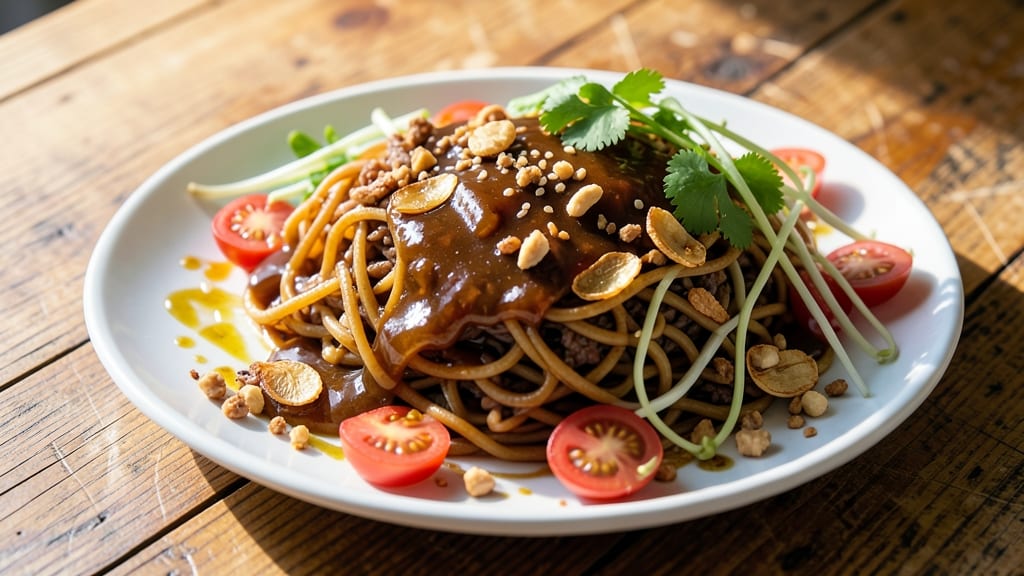
This brown rice Pad Thai noodles recipe transforms traditional Thai flavors into a nutritious, plant-based masterpiece that keeps all the tangy tamarind crunch and savory depth you love.
The nutty brown rice noodles add a satisfying texture and fiber boost, while the tamarind-based sauce delivers that signature sweet-sour balance without any dairy or meat.
I developed this version after craving Pad Thai but wanting something lighter that still packed serious flavor—it’s become my go-to for weeknight dinners and meal prep.
The secret lies in perfectly cooked brown rice noodles that stay al dente, a rich tamarind sauce with just the right balance of sweet, sour, and umami, and a crisp-tender stir-fry of vegetables that hold up to the sauce.
You’ll toss everything together with crushed peanuts, fresh herbs, and lime for brightness, creating a dish that’s as satisfying as it is healthy. Ready in under 30 minutes, this recipe proves you can enjoy restaurant-quality Pad Thai without the heaviness.
Ingredients for brown rice pad thai noodles
Nutty brown rice noodles meet tangy tamarind for a plant-based Pad Thai that’s lighter yet packed with restaurant-quality flavor.
| Ingredient | Amount | Notes |
|---|---|---|
| Brown Rice Pad Thai Noodles 🍜 | 8 oz | Dried, not pre-cooked |
| Tamarind Paste 🍋 | ½ cup | Thick, not runny |
| Vegetable Broth 💧 | 1 ½ cups | Low-sodium preferred |
| Lime Juice 🍋 | ⅓ cup | Freshly squeezed |
| Maple Syrup 🍯 | ¼ cup | Pure, grade B preferred |
| Soy Sauce 🥢 | ¼ cup | Tamari for gluten-free |
| Carrots 🥕 | 1 whole | Julienned, medium size |
| Red Bell Pepper 🌶️ | 1 whole | Thinly sliced, seeds removed |
| Green Onions 🧅 | 4 whole | White and green parts |
| Crushed Peanuts 🥜 | ½ cup | Roasted, unsalted |
| Fresh Cilantro 🌿 | ¼ cup | Chopped, stems removed |
| Fresh Lime 🍋 | 2 whole | For garnish and serving |
| Sesame Oil 🫒 | 1 tbsp | Toasted, for aroma |
| Garlic Cloves 🧄 | 4 cloves | Minced, fresh preferred |
| Vegetable Oil 🫒 | 2 tbsp | High smoke point |
The tamarind paste is non-negotiable for that signature sweet-sour balance—Trader Joe's has a great thick paste, but if you can't find it, Thai markets carry it in jars. Look for vibrant color and smooth texture; no graininess. For the brown rice noodles, Rice Noodle brand from Asian markets is my go-to—they cook perfectly without turning mushy. Store them in an airtight container to keep them fresh longer. The carrots should be firm and bright orange; avoid anything rubbery or dull in color.
No tamarind paste? Lime juice plus a touch of date syrup works in a pinch, though it won’t be identical. Swap the soy sauce for coconut aminos if you’re avoiding soy. The red bell pepper can be subbed with yellow or orange bell peppers for a milder flavor. Fresh cilantro is ideal, but if you’re out, dried cilantro at half the amount will do. For extra crunch, toast the crushed peanuts in a dry pan for 2-3 minutes until fragrant—game-changer for flavor. The garlic can be pre-minced from a jar if you're short on time, but fresh is always better.
Cook the noodles just until al dente—they’ll finish in the sauce. Store leftovers in the fridge for 4-5 days, but the sauce may separate slightly; just stir before reheating. For meal prep, portion the sauce and noodles separately to keep them from sticking. Freeze for up to 3 months in airtight containers, though the texture won’t be as crisp after thawing. The lime juice should be added fresh when serving—it brightens everything up.
Why You'll Love This Recipe
- No-Fuss Stir-Fry: I swear by this recipe on nights when I’m too tired to measure—just toss the pre-cooked brown rice noodles with tamarind paste and broth, and let the heat do the work. The noodles soften in minutes, no chopping, no fuss, and honestly? That’s my kind of magic.
- Tamarind Tang Magic: That bright, funky tamarind paste cuts through everything—sweet, sour, perfect—while the maple syrup balances it just enough to make your taste buds do a happy dance. It’s the kind of flavor combo that makes you want to eat it straight from the wok.
- Lunchbox Hero: Between us, this is my go-to for meal prep—packs like a dream, stays fresh for days, and the lime juice keeps it from getting soggy. Toss in some pre-chopped veggies or tofu, and you’ve got a week’s worth of grab-and-go lunches that don’t taste like cardboard.
- Budget Win: Brown rice noodles are cheaper than regular pad thai noodles, and tamarind paste lasts forever, so this recipe stretches my grocery budget without sacrificing flavor. Plus, the vegetable broth keeps it light but filling—ideal for when I’m feeding a crowd on a shoestring.
Step-by-step instructions for brown rice Pad Thai noodles
Here's how to transform nutty brown rice noodles into a vibrant, tangy-sweet masterpiece.
Prepare the Noodles and Aromatics
Bring a large pot of water to a rolling boil and add the 8 oz brown rice pad thai noodles. Cook according to package instructions until al dente—typically 6-8 minutes. Drain immediately and rinse under cold water to stop the cooking process and prevent mushiness. Toss the noodles with 1 tablespoon sesame oil to coat evenly and set aside.
While the noodles cook, julienne the 1 whole carrot into thin matchsticks and thinly slice the 1 whole red bell pepper. Mince the 4 cloves garlic and separate the 4 whole green onions into white and green parts. Keep the white parts for cooking and chop the green parts finely for garnish. The fresh prep ensures maximum flavor and texture contrast in your dish.
Build the Tangy-Sweet Sauce
In a large wok or skillet, heat 2 tablespoons vegetable oil over medium-high heat until shimmering. Add the minced garlic and stir for 30 seconds until fragrant—don't let it brown. Add the julienned carrot and red bell pepper, cooking for 3-4 minutes until the vegetables soften slightly but retain their bright color.
Pour in the 0.5 cup tamarind paste, 1.5 cups vegetable broth, 0.33 cup lime juice, 0.25 cup maple syrup, and 0.25 cup soy sauce. Stir well to combine, then bring the mixture to a gentle boil. Let it simmer for 5-6 minutes until the sauce thickens slightly and coats the back of a spoon. The tamarind paste will give your dish that signature tangy depth, while the maple syrup adds just the right sweetness to balance the flavors.
Combine Noodles and Sauce
Add the drained noodles to the wok and toss everything together for 2-3 minutes until the noodles are evenly coated in the sauce. The residual heat will finish cooking the noodles perfectly. If the sauce seems too thick, add 1-2 tablespoons hot water to loosen it. The noodles should be tender yet still have a slight bite, and the sauce should cling beautifully to each strand.
Here's where it gets fun—taste and adjust the seasoning. Add a splash more lime juice if you want extra tang, or a pinch of salt if the dish needs more balance. The sauce should be vibrant and complex, with layers of sweet, sour, and umami flavors dancing together.
Finish and Garnish
Remove the wok from heat and stir in the 0.5 cup crushed peanuts and 0.25 cup chopped fresh cilantro. The peanuts add a satisfying crunch, while the cilantro brings freshness to cut through the richness. Divide the noodles among four bowls, squeezing fresh juice from the 2 whole fresh lime over each serving.
Garnish each bowl with the reserved green onion tops and an extra sprinkle of crushed peanuts. Serve immediately with lime wedges on the side. The contrast of warm, tangy noodles with the bright acidity of lime creates a dish that's as refreshing as it is satisfying. Enjoy the perfect balance of nutty brown rice noodles and that signature Pad Thai tang!
Pro Tips For Making Brown Rice Pad Thai Noodles
- SOAK THE NOODLES RIGHT: Brown rice noodles are stubborn—they don’t soften like white rice noodles. Toss them in warm vegetable broth for 15-20 minutes before cooking. I learned this the hard way when my first batch turned into a chewy, unsatisfying mess. The broth jumpstarts hydration, so they cook faster and absorb flavor better.
- DILUTE TAMARIND PASTE FIRST: Tamarind paste is thick and clumpy—mix it with 2 tablespoons of warm water before adding it to the pan. Skipping this step means you’ll end up with lumps in your sauce, and no one wants to chew through tamarind surprises. Stir it smooth, or strain it if you’re feeling fancy.
- STOP WHEN NOODLES ARE AL DENTE: Brown rice noodles finish cooking fast once they hit the pan. Pull them out when they’re still slightly firm—about 80% done—and toss them with the sauce. Overcooking turns them mushy, and you’ll lose that perfect bite. Test one: if it holds its shape but bends easily, it’s ready.
- SWAP MAPLE SYRUP FOR HONEY: Maple syrup can taste overly sweet and cloying in Pad Thai. Honey adds depth without overpowering, especially when balanced with lime. Use the same amount, but add it later—right when you’re tossing the noodles—so it caramelizes just a touch. Trust me, your taste buds will notice.
Flavor customization for this dish
Spice Level Control
Adjust the heat to your preference by adding ½ tsp chili flakes or 1 tsp sriracha to the sauce for a mild kick. For medium heat, try 1 tbsp sambal oelek or 1 tsp gochujang—both add depth and spice.
If you love fiery flavors, toss in 1 tsp Thai bird’s eye chili paste and a pinch of cayenne. Always taste before serving! 🌶️
Protein Swaps
Skip tofu for crispy baked tempeh (½ cup cubed) or pan-seared mushrooms (8 oz sliced) for extra umami. For a meaty texture, add ½ lb shredded rotisserie chicken or ½ cup cooked shrimp—toss them in the sauce for the last 2 minutes of cooking.
Keep proteins separate until ready to serve if you prefer them warm but not overcooked.
Vegetable Variations
Swap the bell pepper for snap peas or bean sprouts (½ cup each) for a fresher bite. Add ½ cup shredded cabbage or ½ cup shredded carrots> for extra crunch.
For heartier texture, include ½ cup chopped water chestnuts or ½ cup sliced bamboo shoots—both hold up well to stir-frying and add a satisfying chew.
Sauce Sweetness
Reduce maple syrup to 2 tbsp for less sweetness or replace it with 2 tbsp date syrup for a caramel-like depth. For extra richness, stir in 1 tbsp coconut aminos or 1 tbsp hoisin sauce—both add umami without altering the tangy balance.
Balance is key: the tamarind should always shine, so adjust other ingredients accordingly.
Texture Enhancers
Boost crunch with toasted coconut flakes (¼ cup) or crushed wasabi peas (¼ cup) instead of peanuts. For a smoky twist, sprinkle ½ tsp smoked paprika over the sauce.
Garnish with thinly sliced scallions or microgreens for a pop of color and freshness. Texture layers make this dish even more exciting! ✨
Regional Twists
For a Thai-inspired version, add 1 tsp fish sauce (if not vegetarian) and ½ tsp palm sugar for authenticity. A Vietnamese twist swaps tamarind for ½ cup fish sauce> and 1 tbsp rice vinegar, then tops with fresh mint.
For a Japanese fusion, replace tamarind with 2 tbsp mirin and 1 tbsp soy sauce, adding shredded nori for umami. 🗺️
Nutrition facts
Frequently asked questions
Why use brown rice noodles instead of traditional white rice noodles?
Brown rice noodles add a nutty flavor and extra fiber compared to white rice noodles, making this a more nutritious version. They also hold up better to stir-frying without turning mushy. The texture stays satisfyingly chewy while absorbing the tangy tamarind sauce beautifully. Plus, they're gluten-free and perfect for anyone watching their carb intake!
Can I make this recipe without tamarind paste?
Yes! For a quick substitute, mix ¼ cup lime juice with 1 tbsp date syrup or 1 tbsp honey. This won't be identical but will give you that sweet-sour balance. For a closer match, try 1 tbsp soy sauce plus 1 tbsp apple cider vinegar—just remember the tamarind gives that signature depth that's hard to replicate.
How do I prevent the brown rice noodles from getting mushy?
Cook them just until al dente (about 6-8 minutes), then drain immediately and rinse with cold water to stop cooking. Toss them with 1 tbsp sesame oil right away to create a protective barrier. When combining with the sauce, stir-fry for only 2-3 minutes over medium heat—the residual heat will finish cooking them perfectly without overcooking.
What's the best way to store leftovers?
Store the noodles and sauce separately in airtight containers in the fridge for up to 4-5 days. The sauce may separate slightly—just stir before reheating. For freezing, portion the sauce and noodles separately (they don't freeze well together). Thaw overnight in the fridge and reheat gently with a splash of water to restore moisture. The texture won't be as crisp after freezing, but the flavors remain delicious!
Can I make this gluten-free?
Use tamari instead of soy sauce and ensure your tamarind paste is certified gluten-free. Most brown rice noodles are naturally gluten-free, but always check the package. For extra safety, use a dedicated gluten-free kitchen or thoroughly clean all surfaces. The recipe's natural flavors shine even without wheat—just focus on balancing the tamarind's tang with fresh lime and herbs.