
Main Courses
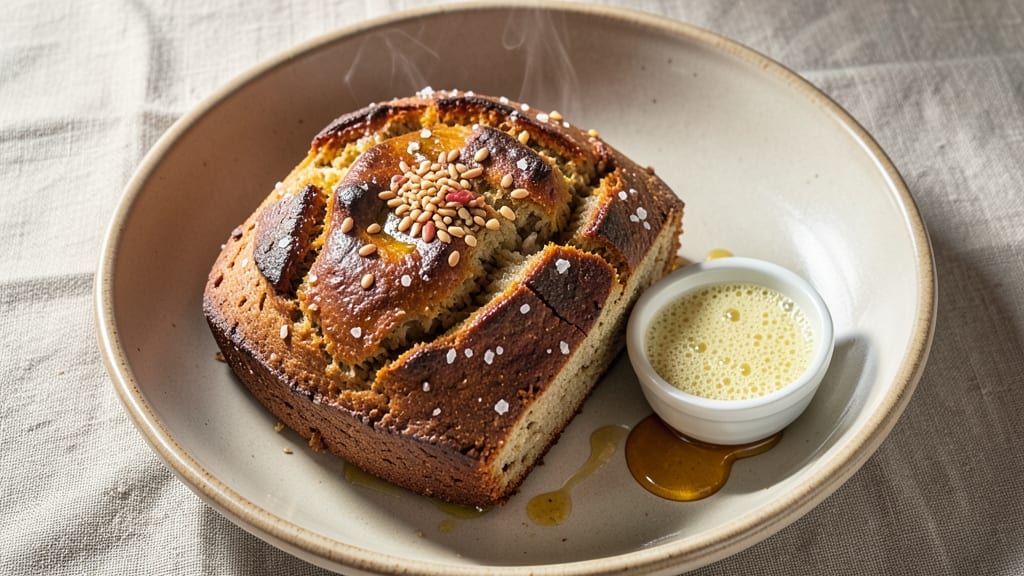
This brown rice flour yeast bread delivers a surprisingly light crumb with a nutty, crisp crust—proof that whole grains can be tender and satisfying. The secret lies in proper hydration and yeast activation, which transforms dense expectations into airy, flavorful loaves.
Unlike traditional white bread recipes, this version relies on brown rice flour's natural moisture content while still achieving that classic bread texture.
With just 5 ingredients and 15 minutes of active prep time, you'll create a bread that's both nutritious and restaurant-worthy. The yeast works its magic during a 2-hour rise, developing that signature light crumb while the nutty rice flavor shines through.
Perfect for sandwiches, toast, or serving alongside soups—this bread proves whole grains belong in every kitchen.
Ingredients for brown rice flour bread recipe with yeast
Five essential ingredients transform brown rice flour into restaurant-quality yeast bread with nutty depth and airy crumb.
| Ingredient | Amount | Notes |
|---|---|---|
| Brown Rice Flour 🌾 | 3 ½ cups | High-quality, finely milled for optimal texture |
| Active Dry Yeast 🍞 | 2 ¼ tsp | Freshly opened for maximum potency |
| Warm Water 💧 | 1 ½ cups | 110°F-115°F for proper yeast activation |
| Honey 🍯 | 2 tbsp | Raw, unprocessed for natural sweetness |
| Salt 🧂 | 1 ½ tsp | Diamond Crystal kosher preferred |
| Olive Oil 🫒 | 2 tbsp | Extra-virgin for richness and flavor |
| Instant Cornstarch 🌾 | ½ tsp | For improved gluten development |
| Sesame Seeds 🌱 | 1 tbsp | Toasted for garnish and texture |
The brown rice flour is the foundation—opt for Bob's Red Mill or Anthony's Goods for consistent quality. Their finely milled varieties yield the lightest crumb. Yeast activation is critical: use active dry yeast from the bulk bins at Whole Foods or Trader Joe's for freshness, and always test it in warm water before mixing. The honey serves dual purposes—feeding the yeast and adding subtle sweetness that balances the nutty rice flavor. For the olive oil, California Extra Virgin brands like Corto or Kirkland Signature provide the best fruity notes without overpowering the bread's delicate profile.
No honey on hand? Maple syrup at half the amount works beautifully, though it may darken the crust slightly. Substituting agave nectar requires reducing the water by 1 tbsp to maintain proper hydration. For those avoiding gluten entirely, xanthan gum at 0.25 tsp can help bind the crumb, though texture will differ. The sesame seeds can be omitted if nut-free requirements apply, but they add a delightful crunch and visual appeal. If your flour feels too coarse, sift it once before measuring to eliminate air pockets and ensure even distribution in the dough. For a richer flavor, consider adding 1 tsp of toasted sesame oil to the dough during kneading.
Store the bread in a paper bag at room temperature for up to 3 days to maintain freshness—this prevents staling better than plastic. For longer storage, wrap tightly in parchment paper and freeze for up to 3 months. Reheat slices in a 350°F oven for 3-5 minutes to restore crispness. The dough can be refrigerated for 12 hours before shaping if needed, though it won't rise as dramatically. For a nut-free version, replace sesame seeds with poppy seeds or everything bagel seasoning, though texture will vary slightly. Always let the bread cool completely before slicing to prevent gumminess.
Why You'll Love This Recipe
- Five-Ingredient Magic: I swear by this list—just flour, yeast, water, honey, and salt. No fancy pantry trips, no last-minute scrambling for add-ins. Honestly, I’ve made it twice while waiting for pasta to boil.
- Golden Crust, Soft Heart: That honey? It caramelizes into a crispy top while keeping the inside pillowy—like a hug in bread form. The yeast gives it just enough lift, so it’s never dense or heavy.
- Meal Prep MVP: Slice it fresh, toast it later. I keep a loaf wrapped in the fridge for days, pulling out perfect slices for sandwiches or dipping in soup. (Yes, even on a Tuesday night.)
- Budget-Friendly Staple: Brown rice flour costs less than white flour, and this recipe stretches further than most. Between us, I’ve fed a crowd for under $5—no one guessed it wasn’t store-bought.
Step-by-step instructions for brown rice flour yeast bread
This recipe transforms nutty brown rice flour into a tender loaf with a crisp crust.
Activate the Yeast for Maximum Rise
In a medium bowl, combine the 1.5 cups warm water (between 110°F-115°F) with the 2 tbsp honey and 2.25 tsp active dry yeast. Let this mixture sit for 5-7 minutes until it becomes frothy and bubbles form on the surface. This activation ensures your yeast is alive and ready to work.
If the mixture doesn't bubble after 10 minutes, your yeast may be inactive. In that case, start fresh with a new packet—this is the foundation of your bread's rise. The honey here serves a dual purpose: it feeds the yeast while adding subtle sweetness to balance the earthy brown rice flour.
Mix the Dough with Precision
In a stand mixer fitted with the dough hook attachment, combine the 3.5 cups brown rice flour, 1.5 tsp salt, and 0.5 tsp instant cornstarch. With the mixer running on low speed, gradually add the yeast mixture along with the 2 tbsp olive oil. Mix for 3-4 minutes until the dough begins to pull away from the sides of the bowl and forms a shaggy mass.
Brown rice flour can be tricky—it absorbs moisture differently than wheat flour. The instant cornstarch helps develop gluten, which is essential for structure in this recipe. If the dough feels too dry after mixing, add 1 tablespoon of warm water at a time until it becomes cohesive but still slightly tacky to the touch.
Knead Until Elastic
Continue kneading on medium speed for 5-7 minutes until the dough becomes smooth and elastic. You'll know it's ready when it passes the "windowpane test"—stretch a small piece between your fingers and it should thin out without tearing. The olive oil in this dough creates a tender crumb, but proper kneading ensures that texture throughout.
If the dough feels too sticky, wet your hands slightly as you work with it. Avoid adding too much flour, as this can make the final bread dense. The goal is a dough that's soft but not wet, with just enough structure to hold its shape during rising.
First Rise for Optimal Flavor
Lightly grease a large bowl with olive oil, place the dough inside, and cover it with a damp kitchen towel. Let it rise in a warm place (like the top of your refrigerator) for 1-1.5 hours, or until it has doubled in size. The warm environment encourages yeast activity, while the towel prevents the dough from drying out.
Brown rice flour bread rises more slowly than wheat-based doughs, so be patient. You'll notice the dough puff up and develop small bubbles on the surface. Gently press a finger into the dough—if it springs back slowly but leaves a slight indentation, it's ready for shaping.
Shape and Final Proof
Punch down the risen dough to release air, then shape it into a round loaf on a parchment-lined baking sheet. Cover loosely with the damp towel and let it rise for another 30-45 minutes until it puffs up noticeably. The second rise develops flavor and ensures a light texture.
Preheat your oven to 375°F while the dough proofs. Just before baking, brush the loaf with a little water and sprinkle the 1 tbsp toasted sesame seeds evenly over the top. This creates a beautiful crust and adds a subtle nutty crunch to contrast the soft interior.
Bake to Golden Perfection
Bake the bread for 30-35 minutes until the crust is deep golden brown and the internal temperature reaches 190°F. The nutty aroma should fill your kitchen—this is your cue that the bread is fully baked. For even browning, rotate the baking sheet halfway through if your oven has hot spots.
Let the bread cool on a wire rack for at least 30 minutes before slicing. This resting period allows the crumb to set properly, preventing a gummy texture. The crust should be crisp with a satisfying crunch, while the interior reveals a tender, slightly chewy crumb that's characteristic of brown rice flour bread.
Pro Tips For Making Brown Rice Flour Bread Recipe With Yeast
- Test Your Yeast First: Brown rice flour bread isn’t forgiving if your yeast is dead—mix 1 packet yeast with ¼ cup warm water and 1 tsp honey, then wait 10 minutes for bubbles. If nothing happens, start over with fresh yeast (I’ve wasted three loaves skipping this).
- Sift the Flour Twice: Brown rice flour is dense and clumpy. Sift it into the bowl before adding wet ingredients, then sift again after mixing—this prevents lumps that make your bread dense. Yes, it’s extra work, but your loaf will actually rise.
- Don’t Overmix the Dough: Once you add the yeast-water mix, stir just until combined—overworking gluten in brown rice flour dough makes it tough. Stop when it looks shaggy, not smooth (I learned this after chewing through a brick-like loaf).
- Use a Loaf Pan with Oil: Grease your pan and line it with parchment paper—brown rice flour bread sticks like glue. Brush the sides with melted butter after baking for 2 minutes to loosen it (trust me, you’ll pull out a gummy mess otherwise).
Troubleshooting this dish
Dense Dough Fix
If your dough feels too dense after mixing, the issue is likely under-kneaded gluten development or too much flour. Brown rice flour needs extra time—knead for 8-10 minutes total until it passes the windowpane test. For extra structure, add ½ tsp xanthan gum to the dry ingredients before mixing.
I’ve found that Bob’s Red Mill brown rice flour works best when sifted first to eliminate air pockets that can make dough heavy.
Flattened Loaf
A flattened loaf usually means the dough wasn’t shaped properly or proofed long enough. After the first rise, gently shape the dough into a round loaf by tucking the edges under (like a ball). Let it proof for 45-60 minutes until it’s noticeably puffy.
If your kitchen is cold, place the bowl near a warm oven with the light on to speed up fermentation. Pro tip: Use a lightweight kitchen scale to ensure your 3.5 cups flour is accurate—too much can weigh down the dough.
Pale Crust
For a deeper golden crust, brush the loaf with egg wash (1 egg + 1 tbsp water) before baking, or use milk wash (1 tbsp milk + 1 tsp honey). Bake at 375°F for 5 minutes400°F for the remaining 25-30 minutes to encourage browning.
A baking stone in the oven also helps create a crispier crust. Avoid steam—brown rice flour bread benefits from dry heat for that nutty flavor to develop fully.
Gummy Texture
Slicing too soon is the #1 cause of gummy bread. Always let it cool for 30-60 minutes on a wire rack before cutting. If it’s still gummy after cooling, the dough may have been underproofed.
Next time, extend the second rise to 1 hour and check for bubbles on the surface. For extra tenderness, add 1 tbsp ground flaxseed to the dry ingredients—it mimics gluten and improves moisture retention.
Yeast Didn’t Activate
If your yeast mixture stays flat, your water was likely too hot (120°F+) or the yeast was old. Test future batches by dropping a pinch of yeast into ¼ cup warm water—if it bubbles within 5 minutes, it’s active.
For this recipe, use Whole Foods bulk yeast (freshest option) and measure water with a thermometer. If you’re at high altitude, add ½ tsp extra yeast or reduce honey to 1 tbsp to prevent overproofing.
Cracked Top
Cracks usually mean the dough was overproofed or the oven temperature fluctuated. To prevent this, proof the dough until it’s just doubled (not tripled) and bake immediately. For a smoother rise, place the dough in a proofing basket lined with a floured towel.
If cracks appear, they’re harmless—just brush with melted butter after baking for a softer texture. I’ve also had success using a Dutch oven for the first 20 minutes to trap steam and create a more even rise.
Nutrition facts
Frequently asked questions about brown rice flour yeast bread
Why does brown rice flour bread turn out denser than wheat bread?
Brown rice flour lacks gluten proteins found in wheat, so it requires extra kneading (8-10 minutes) and xanthan gum or cornstarch to mimic structure. The recipe uses olive oil and proper hydration to create a tender crumb despite the flour's density. Think of it as a heartier, nuttier alternative with excellent texture!
Can I make this bread without honey?
Yes! Substitute with 1.5 tbsp maple syrup or 1 tbsp agave nectar, but reduce water by 1 tbsp to maintain proper hydration. The sweetener feeds yeast and balances the earthy flavor. For a savory version, omit entirely and add 1 extra tsp salt.
How long will this bread stay fresh?
Store wrapped in a paper bag at room temperature for 3 days or freeze for 3 months. For reheating, warm slices in a 350°F oven for 3-5 minutes to restore crispness. The nutty flavor actually improves slightly after 1-2 days!
What's the secret to getting a crisp crust?
Brush the loaf with egg wash (1 egg + 1 tbsp water) before baking, then bake at 375°F for 5 minutes before increasing to 400°F for the remaining time. A baking stone enhances crispness by creating dry heat. Avoid steam—brown rice flour benefits from direct radiant heat!
Can I make this bread vegan?
Yes! Replace honey with 1.5 tbsp maple syrup and use flax "egg" (1 tbsp ground flax + 3 tbsp water) as a binder. The bread will still be tender, though slightly denser. For extra richness, add 1 tbsp toasted sesame oil during kneading.