
Side Dishes
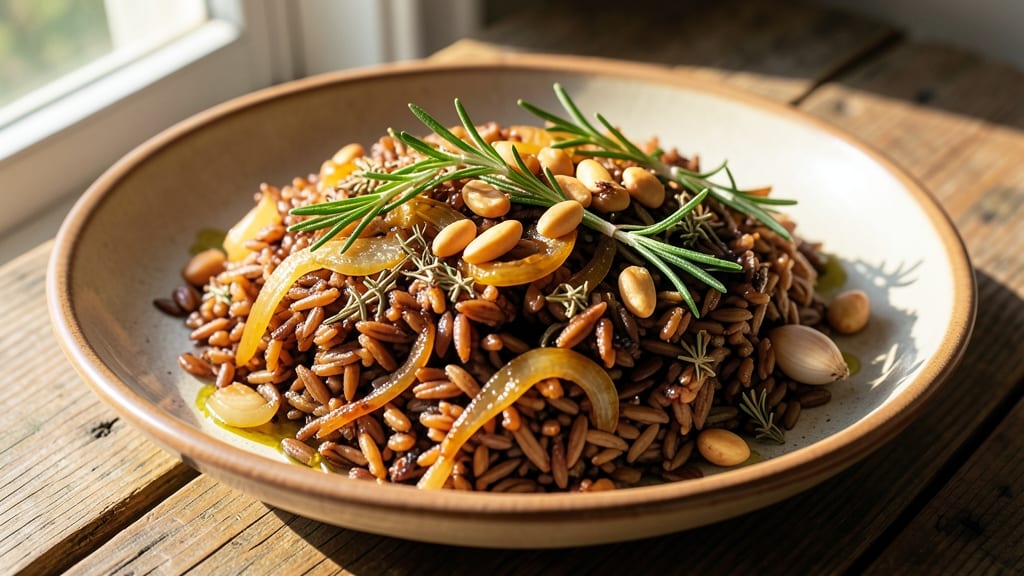
This brown and wild rice pilaf recipe transforms simple grains into a fragrant, nutty side dish with toasted edges and perfect texture. The combination of chewy brown rice and delicate wild rice creates a balanced bite that absorbs flavors beautifully—ideal for hearty meals or vegetarian dishes.
I’ve refined this method over years to ensure it’s foolproof, with optional add-ins to customize for any occasion.
The secret lies in toasting the grains first, which deepens their natural nuttiness and prevents mushiness. Sautéed onions and garlic form the aromatic base, while herbs like thyme or rosemary add depth.
For extra richness, consider adding toasted almonds or crispy bacon—both elevate the dish without overpowering. This one-pan method keeps cleanup simple while delivering restaurant-quality results every time.
By the end, you’ll have a golden, fragrant pilaf with tender grains and a satisfying crunch. The wild rice adds a delicate pop, while the brown rice provides hearty substance.
Serve alongside roasted chicken, grilled fish, or as a standalone vegetarian main. The flavors develop as it rests, making it even more delicious when reheated.
Ready in about 45 minutes, this pilaf is perfect for meal prep or last-minute gatherings. Adjust the liquid ratio based on your rice preference—drier for firmer grains, slightly wetter for a softer texture.
The possibilities for customization are endless, from adding sautéed mushrooms to mixing in diced apples for a sweet-savory twist.
Ingredients for brown and wild rice pilaf
Twelve ingredients transform simple grains into a fragrant, restaurant-quality pilaf with nutty depth and toasted edges.
| Ingredient | Amount | Notes |
|---|---|---|
| Long-Grain Brown Rice 🌾 | 1 cup | Uncooked, rinsed thoroughly |
| Wild Rice Blend 🌾 | ½ cup | Uncooked, rinsed thoroughly |
| Yellow Onion 🧅 | 1 whole | Diced, medium size |
| Garlic Cloves 🧄 | 3 cloves | Minced, fresh preferred |
| Dried Thyme 🌿 | 1 tsp | Or 1 tbsp fresh, chopped |
| Fresh Rosemary 🌿 | ½ tsp | Finely chopped, fresh preferred |
| Chicken Broth 💧 | 2 ½ cups | Low-sodium preferred |
| Extra-Virgin Olive Oil 🫒 | 2 tbsp | High-quality, fruity |
| Salt 🧂 | ¾ tsp | Diamond Crystal kosher |
| Black Pepper 🌶️ | ½ tsp | Freshly ground preferred |
| Toasted Sliced Almonds 🥜 | ¼ cup | Optional, for crunch |
| Crispy Bacon Bits 🥓 | ¼ cup | Optional, for richness |
| Fresh Parsley 🌿 | 2 tbsp | Chopped, for garnish |
The rice blend forms the heart of this dish—Bob's Red Mill brown rice and wild rice mix yield the best texture. Whole Foods or specialty stores carry high-quality wild rice blends, but any reputable brand works. Toasting the grains first deepens their natural nuttiness and prevents mushiness. For extra flavor, Trader Joe's carries excellent pre-toasted almonds and bacon bits that save time. Fresh herbs like rosemary and thyme elevate the dish beyond basic seasoning, so prioritize quality—Penzeys or store-brand dried herbs both work well.
No wild rice blend? Substitute with short-grain brown rice or quinoa for a similar texture. Fresh herbs unavailable? Dried thyme at one-third the amount works in a pinch. The chicken broth can be swapped for vegetable broth for a vegetarian version, though flavor depth will differ slightly. For extra richness without meat, olive oil or toasted sesame oil adds depth. The almonds and bacon are optional but recommended—they provide texture contrast and prevent the pilaf from becoming too heavy.
This pilaf reheats beautifully, making it ideal for meal prep. Store in an airtight container for up to 5 days in the fridge or 3 months frozen. For best results, let it sit at room temperature for 15-20 minutes before serving to allow flavors to meld. Garnish with fresh parsley just before eating to preserve its vibrant color. The texture improves after resting, so resist the urge to dig in immediately—patience yields the best results.
Why You'll Love This Recipe
- One-Pot Magic: I swear by this recipe because it’s actually one-pot—no rice cooker, no straining, no fuss. Just toss the brown rice, wild rice blend, diced onion, minced garlic, and thyme into a pot with broth, let it simmer, and walk away. The wild rice softens while the brown rice holds its shape, and that caramelized onion aroma? It fills the whole house.
- Thyme for Adventure: Honestly, the flavor is what makes this pilaf a staple. The wild rice adds a nutty, chewy bite that balances the earthy brown rice, while the thyme and garlic infuse everything with this cozy, herby warmth. It’s not just "good"—it’s the kind of dish that makes you pause mid-bite because it’s that good.
- Meal Prep MVP: Between us, this is my go-to for lunch all week. The texture stays perfect when reheated—no mushy rice here—and it pairs with everything. Grilled chicken, roasted veggies, or even a simple fried egg on top? Yes, please. Plus, it doubles easily, so I make a big batch and freeze half for those "I don’t want to cook" nights.
- Budget-Friendly Powerhouse: Wild rice blend might sound fancy, but it stretches further than you’d think, and brown rice is cheaper than white. A single batch feeds four for under $5, and the leftovers? Even better the next day. I’ll be real: this is the kind of recipe that makes me feel like I’m feeding a crowd without breaking the bank.
Step-by-step instructions for brown and wild rice pilaf
Aromatic, nutty, and perfectly balanced—this pilaf delivers restaurant-quality texture in a single pan.
Toast the Rice and Aromatics
Heat the 2 tablespoons extra-virgin olive oil in a large, heavy-bottomed skillet over medium-high heat. Add the 1 cup long-grain brown rice and 0.5 cup wild rice blend, stirring constantly for 3-4 minutes until the grains turn a deep golden color and you can smell their nutty aroma. This toasting step develops flavor and prevents the rice from becoming mushy.
Remove the rice from the skillet and set aside in a bowl. In the same pan, add the diced yellow onion and cook for 4-5 minutes until softened and translucent. Add the 3 minced garlic cloves and cook for 30 seconds until fragrant—don't let it brown, or it will turn bitter. This aromatic base forms the flavor foundation of your pilaf.
Sauté Herbs and Add Broth
Return the toasted rice to the skillet and stir to combine with the onions and garlic. Add the 1 teaspoon dried thyme, 0.5 teaspoon fresh rosemary, 0.75 teaspoon salt, and 0.5 teaspoon black pepper, stirring well to coat the grains evenly. The herbs will infuse the rice with their earthy notes, creating a complex flavor profile.
Pour in the 2.5 cups chicken broth, stirring gently to distribute it evenly. Bring the mixture to a gentle simmer, then reduce heat to low. Cover the skillet with a tight-fitting lid and cook for 40-45 minutes, or until the liquid has been completely absorbed and the rice is tender. The key here is patience—don't peek or stir, as this can disrupt the cooking process and lead to uneven texture.
Rest and Incorporate Finishing Touches
Once the rice is tender and the liquid is fully absorbed, remove the skillet from heat and let it rest, covered, for 5 minutes. This resting period allows the rice to reabsorb any residual moisture, ensuring each grain is perfectly cooked and not dry. During this time, you can prepare the finishing touches—stir together the 0.25 cup toasted sliced almonds and 0.25 cup crispy bacon bits in a small bowl.
After resting, gently fluff the rice with a fork, then stir in the almonds and bacon bits. The almonds add a delightful crunch, while the bacon bits contribute a savory richness. Finally, sprinkle the 2 tablespoons chopped fresh parsley over the top for a pop of freshness and vibrant color. The parsley not only enhances the visual appeal but also balances the dish with its bright, herbaceous flavor.
Serve with Confidence
Taste the pilaf and adjust the seasoning if needed, adding a pinch more salt or pepper as necessary. This dish is best served immediately while the rice is still warm and the aromas are at their peak. The combination of nutty brown rice, earthy wild rice, crisp almonds, and smoky bacon creates a harmonious balance of textures and flavors that will impress even the most discerning diners.
For an elegant presentation, transfer the pilaf to a serving dish and garnish with an additional sprinkle of parsley. Serve alongside grilled chicken, roasted vegetables, or as a hearty side dish for your favorite protein. The pilaf's robust flavors and satisfying texture make it a versatile addition to any meal.
Pro Tips For Making Brown And Wild Rice Pilaf
- TOAST THE WILD RICE: I learned this the hard way—skipping toasting makes wild rice chewy instead of nutty. Dry-toast the wild rice blend in the same pot for 3-4 minutes before adding liquid; you’ll smell the difference immediately.
- SWAP BUTTER FOR BROTH: Wild rice blends need fat to release their flavor, but butter can overpower the dish. Use a mix of chicken or veggie broth (about 1/4 cup) with a pat of butter—just enough to coat the grains. The broth keeps it tender while the butter adds richness without dominating.
- COOK BROWN RICE FIRST: Brown rice takes longer and absorbs liquid differently than wild rice. Start it in a separate pot with its own broth (1:2 ratio) and simmer for 20 minutes before mixing with the wild rice. This guarantees both grains finish at the same time without one turning mushy.
- STIR IN THYME LATE: Dried thyme burns easily and loses its earthy punch if added too soon. Toss it in with the onions and garlic only after they’ve softened—about 5 minutes into cooking. Then, let it steep in the steam for the last 10 minutes of cooking for maximum flavor.
Regional styles of this brown and wild rice pilaf
Southern Comfort Style
In the South, this pilaf gets a smoky-sweet twist using smoked paprika and a touch of brown sugar—just ½ teaspoon each—while adding diced ham or andouille sausage for richness.
I like to finish with pickled jalapeños for a tangy kick that cuts through the heartiness. Serve with grilled pork chops or fried chicken for a true Southern feast. 🌶️
Mediterranean Herb Infusion
For a Mediterranean flair, swap the thyme and rosemary for 1 teaspoon each of dried oregano and marjoram, then add diced sun-dried tomatoes and kalamata olives during the final 5 minutes of cooking.
A splash of white wine (about ¼ cup) replaces some of the broth for brightness. Garnish with toasted pine nuts and feta cheese crumbles for a Greek-inspired touch. 🌿
Asian-Inspired Sesame Crunch
Transform this pilaf into an Asian-inspired dish by adding 1 tablespoon toasted sesame oil during the toasting step, along with 1 teaspoon grated fresh ginger and 1 minced shallot.
Use vegetable broth and finish with toasted sesame seeds, green onions, and a drizzle of soy sauce (about 1 tablespoon). For extra protein, stir in crispy fried shallots or shredded rotisserie chicken. ✨
French Country Pilaf
Elevate this dish with a French twist by using dry white wine (like Sauvignon Blanc) instead of broth and adding 1 sprig fresh tarragon and ½ teaspoon Dijon mustard to the cooking liquid.
Stir in crispy fried shallots and butter (about 1 tablespoon) at the end for a luxurious finish. Garnish with chopped chives and serve alongside herb-roasted chicken or seared duck breast. 🍷
Mexican Fiesta Version
Give it a fiesta flair by sautéing the rice with 1 teaspoon ground cumin and ½ teaspoon smoked paprika, then adding diced bell peppers and corn kernels (about ½ cup each).
Use chicken broth with a splash of lime juice and finish with crumbled cotija cheese, cilantro, and a sprinkle of chili powder. This version pairs perfectly with grilled steak or black beans. 🌵
Vegetarian Power Bowl
For a meat-free version, boost the dish with roasted butternut squash cubes and sautéed mushrooms, then add toasted pumpkin seeds and avocado slices when serving. A squeeze of lemon juice brightens the flavors, while nutritional yeast adds a cheesy note.
This hearty bowl stands alone or alongside grilled tofu or portobello mushrooms. 🌱
Nutrition facts
Frequently asked questions
Why mix brown and wild rice in pilaf?
Brown rice adds hearty texture and nutty flavor, while wild rice contributes delicate, chewy strands and a subtle earthiness. Together, they create a perfect balance of substance and elegance in every bite. The contrast in textures makes the dish more interesting than using either grain alone.
Can I use regular white rice instead of brown?
While possible, it won't deliver the same nutty depth and chewy texture. Brown rice takes longer to cook and absorbs flavors better, which is essential for pilaf's rich taste. For a quicker version, try substituting with jasmine rice or short-grain brown rice—both add subtle sweetness that complements wild rice nicely.
How do I prevent my pilaf from getting mushy?
Toast the rice in oil for 3-4 minutes before adding liquid to develop flavor and firm up the grains. Use the right liquid ratio (2.5 cups broth for 1.5 cups rice), and cook at a gentle simmer—not a boil. Let it rest 5 minutes covered after cooking to redistribute moisture evenly. Avoid lifting the lid while cooking!
What's the best way to store leftovers?
Transfer to an airtight container and refrigerate for up to 5 days or freeze for 3 months. For reheating, sprinkle with 1 teaspoon water per cup of pilaf, cover, and microwave on medium for 2-3 minutes. The texture will be slightly drier but still delicious. For best flavor, let it sit at room temperature for 15 minutes before serving.
Can I make this pilaf in a rice cooker?
Yes! Toast the rice and aromatics in a separate pan, then transfer everything to the rice cooker with the broth. Use the white rice setting (brown rice needs longer cooking time) and add 5 extra minutes of cooking time. The rice cooker's even heat distribution helps prevent uneven texture. Just be sure to let it rest covered for 5 minutes after cooking.