
Salads
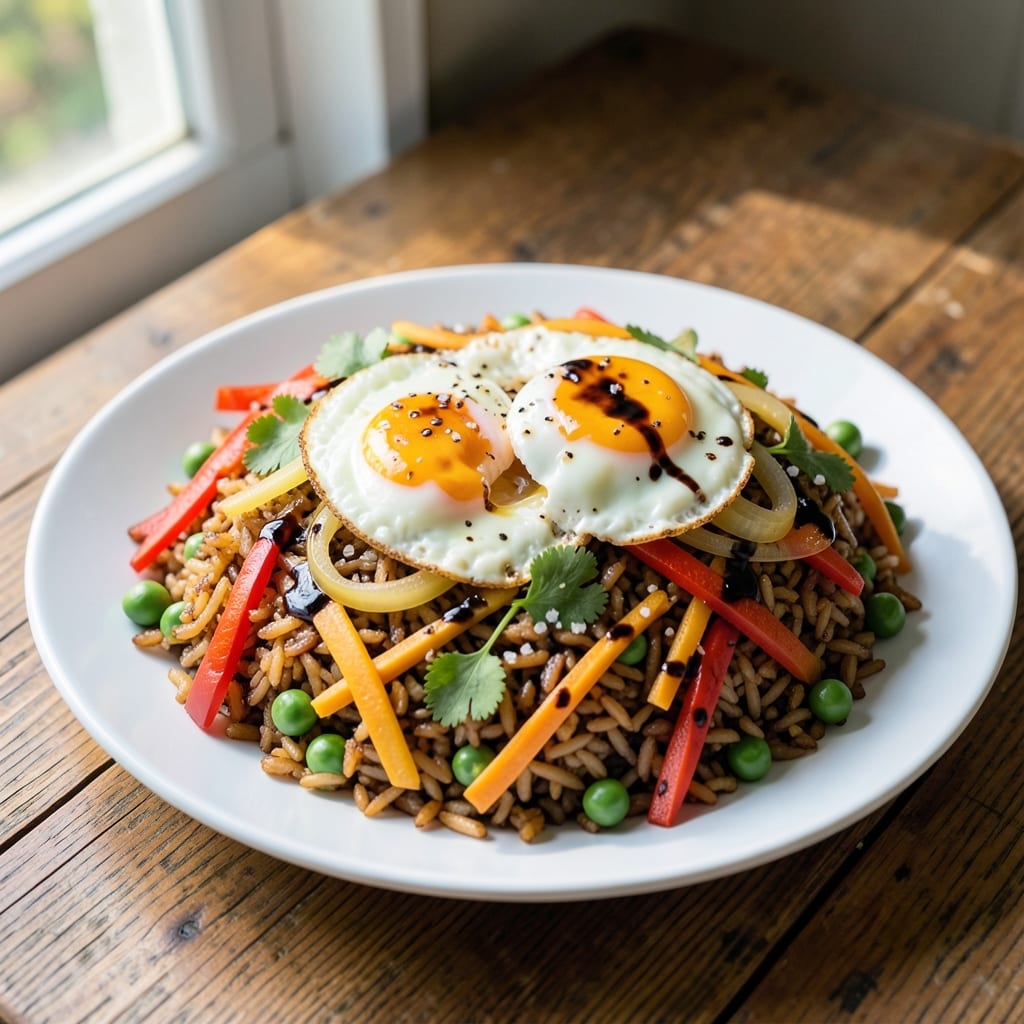
This Asian vegetable fried rice recipe delivers the perfect balance of crisp-tender vegetables and eggy richness in every bite. The secret lies in high-heat stir-frying and a flavorful sauce that marries umami from soy sauce with bright notes of rice vinegar. I've refined this recipe over years of testing, ensuring the rice stays separate, the veggies achieve that coveted wok hei, and the eggs add a luxurious silkiness that ties everything together.
The beauty of this dish is its versatility—it works with pre-cooked rice for quick weeknight meals or freshly steamed rice for maximum texture. We'll use a mix of colorful vegetables like bell peppers, peas, and carrots that absorb the savory sauce while maintaining their crisp bite. The sauce, made with a simple blend of soy sauce, rice vinegar, and a touch of honey, creates that signature Asian restaurant flavor that's both complex and balanced.
What you'll end up with is a fragrant, vibrant fried rice where each forkful delivers a perfect harmony of textures and flavors. The crisp-tender vegetables contrast beautifully with the soft, slightly chewy rice and silky eggs. This dish is hearty enough to stand alone but also works perfectly as a side for grilled meats or tofu. The aroma alone will have everyone gathering around the table.
Whether you're feeding a family or meal prepping for the week, this recipe scales beautifully while maintaining its restaurant-quality results. We'll cover essential techniques like proper rice cooking, high-heat stir-frying, and sauce balancing to ensure your fried rice turns out perfectly every time. Let's get started on creating this flavorful, satisfying dish that's sure to become a household favorite.
Ingredients for asian vegetable fried rice
Crisp-tender veggies and silky eggs meet perfectly balanced Asian flavors in this restaurant-quality fried rice.
| Ingredient | Amount | Notes |
|---|---|---|
| Cooked Jasmine Rice 🍚 | 4 cups | Day-old or chilled for texture |
| Large Eggs 🥚 | 3 whole | Freshly beaten, room temperature |
| Red Bell Pepper 🌶️ | 1 medium | Diced into 1/2-inch pieces |
| Yellow Onion 🧅 | 1 medium | Diced into 1/4-inch pieces |
| Carrots 🥕 | 2 medium | Julienned into matchsticks |
| Frozen Peas 🌱 | ½ cup | Thawed before using |
| Green Onions 🧅 | 3 whole | Sliced into 1/4-inch pieces |
| Soy Sauce 🍶 | 3 tbsp | Light or all-purpose |
| Rice Vinegar 🍶 | 1 ½ tbsp | Unseasoned preferred |
| Sesame Oil 🫒 | 1 tbsp | Toasted for aroma |
| Vegetable Oil 🫒 | 2 tbsp | High smoke point |
| Honey 🍯 | 1 tsp | For subtle sweetness |
| Garlic Cloves 🧄 | 3 cloves | Minced finely |
| Ginger Root 🌿 | 1 tsp | Freshly grated |
| Salt 🧂 | 1 tsp | Diamond Crystal preferred |
The rice is the foundation—day-old or chilled works best for that separate, slightly chewy texture. Jasmine rice from Trader Joe's or Costco gives the best aroma, but any long-grain rice works. For the veggies, freshness matters—bright red bell peppers and crisp carrots hold their texture better than wilted ones. Green onions add that signature pop of color, so don't skip them. If you're prepping ahead, store the veggies separately until stir-frying to keep them crisp.
No fresh ginger? Ground ginger at half the amount works in a pinch, but fresh is ideal. Short on sesame oil? Toasted peanut oil adds a different but delicious nutty depth. The soy sauce can be swapped for tamari if gluten-free is a concern, but light soy gives that classic umami. For extra richness, add a dash of miso paste to the sauce. The eggs should be beaten just until combined—over-mixing makes them tough. And trust me on the room temperature eggs—they cook more evenly.
This keeps beautifully for 3-4 days in the fridge, with flavors deepening over time. For meal prep, portion into containers with a thin layer of oil on top to prevent drying. Freezes for up to 3 months—just reheat with a splash of water to revive the texture. The sauce can be made ahead and stored separately, saving you time on busy days. Leftovers reheat best in a skillet with a little oil to restore that crisp-tender bite.
Why You'll Love This Recipe
- One-Pan Magic: I swear by this recipe—just toss everything into one hot pan, and let the wok hei (that smoky, smoky aroma) do the work. No fancy gadgets, no stress, just you, a spatula, and the sizzle of onions caramelizing while the eggs scramble into fluffy bits.
- Sweet-Savory Balance: That crisp-tender bell pepper and the natural sweetness of carrots? They’re the stars here, but honestly, it’s the soy sauce and a splash of sesame oil that turn this into something ridiculously good. The eggs add that creamy contrast, and suddenly, you’ve got a dish that tastes like a restaurant takeout but way better.
- Meal Prep MVP: Between us, this is my go-to for busy mornings or lazy Sundays. Make a big batch on Sunday, and you’ve got lunch or dinner covered for days—just reheat with a splash of water to keep it from drying out. My kids grab it straight from the fridge, no complaints.
- Budget-Friendly Flex: Jasmine rice is cheap, veggies last forever, and eggs? Always on sale. Plus, you can swap in whatever’s in your crisper—extra mushrooms, frozen peas, even leftover chicken. It’s the kind of recipe that stretches your grocery money without sacrificing flavor, and that’s exactly what I need.
Step-by-step instructions for Asian vegetable fried rice
Here's how to achieve that perfect balance of crisp-tender vegetables and silky eggs in every bite.
Prepare the Vegetables for Maximum Crunch
Start by thawing the 0.5 cup frozen peas according to package instructions. While they thaw, julienne the 2 medium carrots into matchsticks using a sharp mandoline or chef's knife. I like to cut them on the diagonal for added visual appeal. Dice the 1 medium red bell pepper into ½-inch pieces and the 1 medium yellow onion into ¼-inch pieces—smaller pieces cook faster and absorb more flavor.
Slice the 3 whole green onions into ¼-inch pieces, reserving the tops for garnish. Mince the 3 cloves garlic and grate the 1 tsp ginger root using a fine grater. The reason for prepping everything now is that we'll cook the vegetables in stages—starting with the hardest (carrots) and finishing with the most delicate (green onions). This ensures perfect texture in every bite.
Create the Perfect Egg Base
In a medium bowl, whisk the 3 whole large eggs until the yolks and whites are fully combined with no streaks remaining. I like to add a pinch of the 1 tsp salt to the eggs at this stage—it helps break them down more thoroughly. The eggs should be at room temperature for best results, so if they're straight from the fridge, let them sit for 10 minutes before whisking.
Heat 1 tablespoon vegetable oil in a wok or large skillet over medium-high heat until shimmering. Pour in the egg mixture and let it sit undisturbed for 5-7 seconds before gently stirring with a spatula. The goal is to create soft, custardy curds that will fold beautifully into the rice later. Once the eggs are just set but still slightly runny in the center, remove them from the pan and set aside.
Stir-Fry Vegetables in Stages for Perfect Texture
In the same pan, add the remaining 1 tablespoon vegetable oil and increase heat to high. Add the carrots and cook for 2 minutes until they begin to soften but still retain a slight crunch. Add the red bell pepper and yellow onion, stirring constantly for 3 minutes until they start to blister at the edges.
Push the vegetables to one side of the pan and add the minced garlic and grated ginger. Stir for 30 seconds until fragrant—this releases their full flavor without burning. Add the thawed peas and cook for 1 minute, then stir in the green onions and cook for another 30 seconds. Remove the vegetables from the pan and set aside with the eggs.
Combine Everything for the Ultimate Texture
Return the pan to medium-high heat and add the 4 cups cooked jasmine rice, breaking up any clumps with your spatula. Let the rice sit undisturbed for 1 minute to develop a slight crust at the bottom—this adds incredible texture. Stir in the 3 tbsp soy sauce, 1.5 tbsp rice vinegar, and 1 tsp honey, mixing well to coat each grain.
Add the vegetables and eggs back to the pan, along with the 1 tbsp sesame oil. Toss everything together for 1-2 minutes until the rice is heated through and the sesame oil is fragrant. The dish should be hot but not steaming—if it's too wet, cook for another 30 seconds to evaporate excess moisture. Taste and adjust seasoning with additional soy sauce or salt if needed.
Garnish and Serve Immediately
Transfer the fried rice to serving plates and garnish with the reserved green onion tops. The contrast of the bright green against the golden rice makes it look as good as it tastes. Serve immediately while the rice is still hot and the vegetables retain their crisp-tender texture—this dish doesn't wait well.
Each bite should deliver a perfect balance: crisp carrots and bell peppers, tender peas, soft eggs, and fluffy rice all bound together by the savory-sweet sauce. The sesame oil adds a nutty aroma that ties everything together. This is the kind of fried rice that makes people ask for seconds before they've even finished their first helping.
Pro Tips For Making Asian Vegetable Fried Rice
- USE DAY-OLD RICE: Cold, dry rice fries up better than fresh—it’s the non-negotiable truth. Spread leftover jasmine rice on a tray, refrigerate overnight, then break it apart with your hands before cooking. Fresh rice? It’ll turn mushy, no matter how much oil you throw in.
- PREP PEPPERS AND ONIONS SMALL: Dice the red bell pepper and yellow onion into ¼-inch pieces—any bigger and they’ll stay raw in the center. I learned this the hard way when my fried rice had chewy onion chunks. A sharp knife and steady cuts make this faster than you’d think.
- SCRAMBLE EGGS SEPARATELY: Push the eggs to one side of the pan and scramble them before adding the veggies—this keeps them creamy, not rubbery. If you mix everything at once, the eggs will overcook while the onions and carrots steam. Two minutes max for the eggs, then fold them in gently.
- SAVE TIME WITH FROZEN CARROTS: Skip peeling and grating fresh carrots—frozen shredded carrots (thawed and drained) work just as well and cut prep time by half. They’re already pre-cooked slightly, so they soften faster without turning to mush. (Yes, even if you’re skeptical.)
Wine and beer pairings for asian vegetable fried rice
Light & Refreshing
For this vibrant dish, a crisp Sauvignon Blanc from New Zealand is my go-to choice. The bright acidity and citrus notes in wines like Cloudy Bay or Kim Crawford cut through the richness of the fried rice while complementing the rice vinegar and green onions. Serve slightly chilled (45-50°F) to enhance the refreshing qualities that balance the umami depth. 🍷
Rich & Nutty
If you prefer something with more body, try a dry Riesling from Germany's Mosel region. The stone fruit and honeyed undertones in wines like Dr. Loosen Blue Slate mirror the honey and sesame oil in the fried rice, while the slight sweetness enhances the dish's savory-sweet profile. Opt for a 2018 or newer vintage for optimal freshness.
Craft Beer Pairings
A Japanese-style lager like Sapporo or Asahi provides a clean, crisp canvas that lets the fried rice flavors shine. The subtle malt sweetness and light hop bitterness complement the dish's balance without overpowering it. For a more adventurous option, try a wheat beer with a touch of coriander—like Blue Moon—to echo the ginger and sesame notes in the recipe.
Spiced & Bold
For those who enjoy a little heat, a Gewürztraminer from Alsace brings aromatic complexity with its lychee and spice notes. The wine's natural sweetness and lychee undertones pair beautifully with the caramelized onions and soy sauce in the fried rice. Serve slightly cooler (42-48°F) to preserve its delicate aromas.
Non-Alcoholic Options
Don't overlook sparkling yuzu soda for a refreshing, alcohol-free pairing. The citrusy yuzu flavor enhances the rice vinegar and green onions, while the bubbles cleanse the palate between bites. For a more substantial option, try a ginger beer like Feather's—its spicy kick complements the dish's bold flavors without overpowering them. 💫
Nutrition facts
Frequently asked questions
Can I use freshly cooked rice instead of day-old rice?
Freshly cooked rice is too moist and will turn mushy when stir-fried. For best results, use day-old or chilled rice—it absorbs the sauce better and develops that signature separate, slightly chewy texture. If you must use fresh rice, spread it on a tray and refrigerate for 30 minutes first to remove excess moisture.
What's the secret to getting crisp-tender vegetables?
Cook vegetables in stages at high heat! Start with harder veggies like carrots (2 minutes), then add softer ones like bell peppers and peas (1 minute). The key is constant stirring and high heat—this creates that wok hei (breath of the wok) that makes restaurant-style fried rice so delicious.
How do I adjust this recipe for meal prep?
Portion fried rice into containers with a thin layer of oil on top to prevent drying. It keeps for 3-4 days in the fridge and freezes for 3 months. For reheating, add a splash of water and cover with a lid to restore moisture—microwave for 1-2 minutes or stir-fry in a pan for 2-3 minutes.
Can I make this gluten-free?
Yes! Simply replace the soy sauce with tamari (gluten-free soy sauce). For extra depth, add 1 tsp gluten-free oyster sauce or a splash of coconut aminos. The flavor profile will still be rich and savory—just check all other ingredients (like sesame oil) for gluten-free certification.
Why does my fried rice turn out soggy?
Soggy fried rice usually means one of three things: too much sauce, overmixing, or undercooking. Start with 3 tbsp soy sauce and adjust to taste—you can always add more later. Also, cook the rice until it's hot but not steaming, and stir-fry in batches if needed to avoid crowding the pan.