
Sauces & Condiments
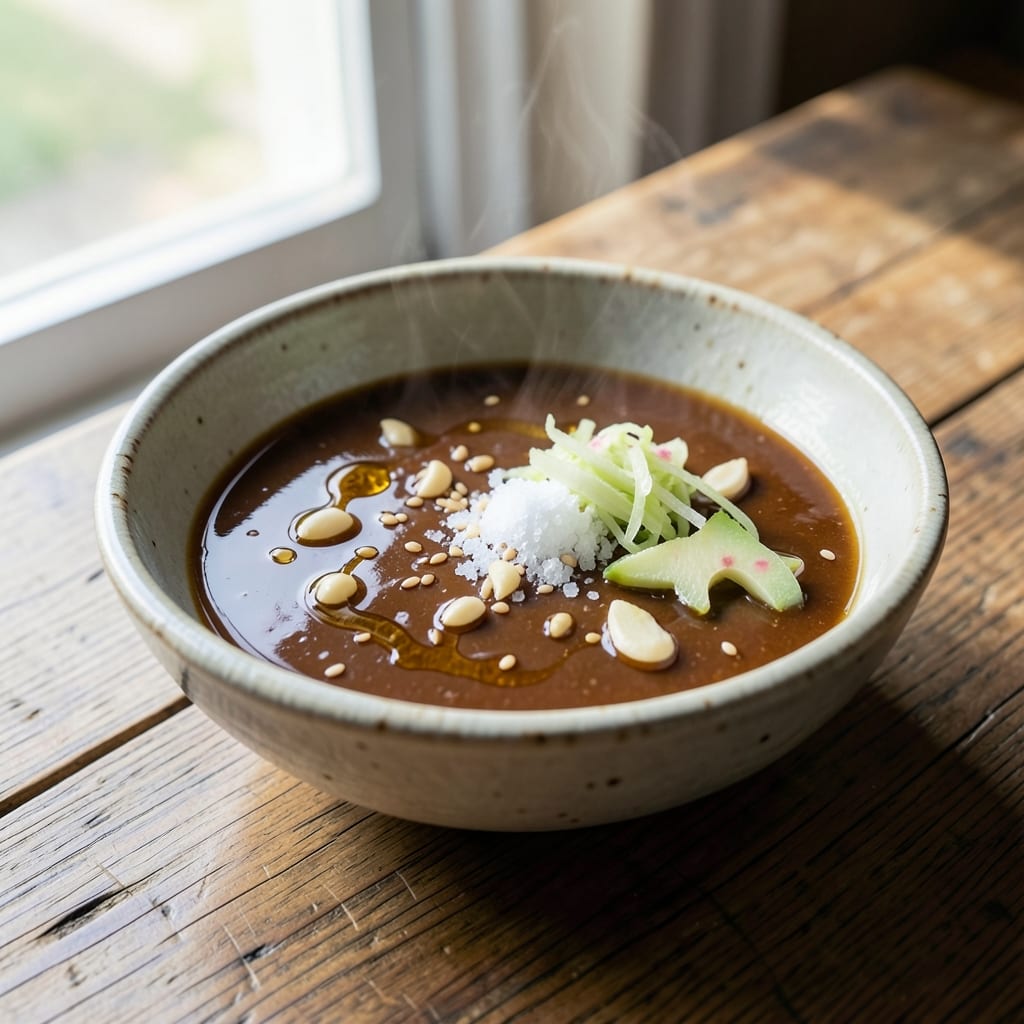
This Asian rice sauce recipe transforms simple pantry staples into a versatile, umami-rich glaze that elevates stir-fries, marinades, and dipping sauces in minutes. The perfect balance of tangy rice vinegar, salty soy sauce, and sweet sugar creates a sauce that's both bold and adaptable—ideal for weeknight cooking or meal prep. What makes this recipe stand out is its simplicity: just five core ingredients, a quick simmer, and a reduction that intensifies flavor without overpowering your dish.
The result is a glossy, aromatic sauce with a savory-sweet depth that clings beautifully to noodles, proteins, and vegetables. Whether you're tossing it with stir-fried veggies, using it as a marinade for grilled chicken, or serving it as a dipping sauce for spring rolls, this sauce delivers restaurant-quality flavor with minimal effort. Best of all, it keeps well in the fridge for up to two weeks, making it a pantry essential for quick meals.
Ingredients for asian rice sauce
Five simple ingredients transform into a restaurant-worthy sauce that elevates any Asian-inspired dish.
| Ingredient | Amount | Notes |
|---|---|---|
| White Rice Vinegar 🍶 | ½ cup | Rice vinegar preferred for authentic flavor |
| Light Soy Sauce 🥢 | ½ cup | Kikkoman preferred for balance |
| Granulated Sugar 🍚 | ¼ cup | White or brown sugar works |
| Sesame Oil 🌱 | 1 tbsp | Toasted sesame oil for aroma |
| Garlic Cloves 🧄 | 3 cloves | Minced for depth of flavor |
| Ginger Root 🌿 | 1 tbsp | Freshly grated for zing |
| Water 💧 | ¼ cup | For thinning if needed |
| Diamond Crystal Kosher Salt 🧂 | ½ tsp | Adjust to taste after simmering |
The foundation of this sauce lies in the balance of rice vinegar and soy sauce—Kikkoman is my go-to for its clean, salty profile that won’t overpower the dish. For the sugar, I prefer organic cane sugar for its subtle caramel notes, but white granulated works perfectly fine. Sesame oil is non-negotiable here; the toasted variety from Trader Joe’s adds that nutty aroma that makes this sauce sing. Fresh garlic and ginger are essential for that bright, aromatic punch—never skip the grating or mincing, as pre-minced versions lose potency quickly. If you’re short on time, a small jar of pre-minced garlic from the Asian aisle works in a pinch, but fresh is always better.
No rice vinegar? Apple cider vinegar or white vinegar will do in a pinch, though the flavor will be slightly sharper. Running low on soy sauce? Tamari or even coconut aminos (at half the amount) can substitute, though the umami depth will differ slightly. Brown sugar or honey can replace granulated sugar, but reduce the amount by one-third to avoid over-sweetening. For a nut-free version, omit the sesame oil and add an extra ½ teaspoon of toasted sesame seeds at the end for texture. The sauce thickens as it cools, so if it seems too thick while warm, add water by the teaspoon until you reach the desired consistency—this is especially helpful for dipping sauces.
This sauce keeps beautifully in an airtight container in the fridge for up to two weeks, though I find it tastes best within the first five to seven days as the flavors meld. For longer storage, freeze in ice cube trays—thaw a cube as needed for stir-fries or marinades. The sauce reheats well, though it’s best used at room temperature for dipping. A little goes a long way, so portion into small containers if you won’t use it all at once. If you find yourself making this often, consider doubling the batch—it’s a pantry staple that never disappoints.
Why You'll Love This Recipe
- Pantry Magic: I swear by this sauce because it uses stuff I already have—no last-minute grocery runs. That tangy rice vinegar, salty soy, and sweet sugar balance out perfectly without needing fancy ingredients.
- Umami Bomb: The garlic and sesame oil combo hits just right—deep, nutty, and bright all at once. Drizzle it on rice or noodles, and suddenly, everything tastes like a takeout win.
- Weeknight Hero: This sauce keeps for weeks in the fridge, so I make a big batch and toss it on everything—stir-fries, grilled chicken, even scrambled eggs. Less stress, more flavor.
- Budget Upgrade: A few tablespoons of this sauce transforms simple meals into something special. Honestly? It’s my secret for making cheap rice or veggies taste like a restaurant dish without breaking the bank.
Step-by-step instructions for Asian rice sauce
This umami-rich sauce builds layer by layer—balance is key to perfect harmony.
Prepare the Aromatic Base
In a medium saucepan, combine the 0.5 cup white rice vinegar, 0.5 cup light soy sauce, and 0.25 cup granulated sugar. Bring to a gentle simmer over medium heat, stirring constantly to dissolve the sugar completely. You'll notice the mixture darken slightly as the sugars caramelize—this is normal and adds depth of flavor.
While the mixture heats, mince the 3 cloves garlic cloves and finely grate the 1 tablespoon ginger root using a microplane. The finer the texture, the more evenly they'll distribute. Set these aside—they'll infuse the sauce with their bright, aromatic qualities once added.
Infuse with Aromatics and Oil
Once the vinegar-soy-sugar mixture reaches a gentle simmer, reduce heat to low and add the minced garlic and grated ginger. Stir continuously for 2-3 minutes until the raw aroma gives way to a warm, fragrant scent. This step develops the sauce's complexity—don't rush it, as the garlic can quickly burn and turn bitter.
Next, drizzle in the 1 tablespoon sesame oil and stir gently. The oil will coat the aromatics, enhancing their flavor while adding a delicate toasted note. Let the mixture simmer for another 3 minutes, allowing all ingredients to meld together. The sauce should now have a rich, reddish hue with a glossy sheen.
Simmer to Perfect Balance
Pour in the 0.25 cup water and add the 0.5 teaspoon Diamond Crystal kosher salt. Stir well and return the sauce to a gentle simmer. Let it cook uncovered for 8-10 minutes, stirring occasionally, until it reduces by about one-third and thickens slightly. You're aiming for a consistency that coats the back of a spoon but remains pourable.
Taste and adjust the balance—if the sauce is too sweet, add a splash more soy sauce; if too tangy, a touch of sugar helps. The sauce should harmonize all flavors: bright from the vinegar, salty from the soy and salt, sweet from the sugar, and aromatic from the garlic and ginger. This is where the magic happens—each component must complement the others perfectly.
Finish and Rest
Once the sauce reaches your desired consistency, remove it from heat and let it cool slightly for 5 minutes. This resting period allows the flavors to fully integrate and the sauce to thicken further as it cools. The texture should be smooth and glossy, with no graininess from undissolved sugar.
Transfer the sauce to a clean jar or container and let it sit at room temperature for at least 1 hour before using. This resting time enhances the depth of flavor, making it even more vibrant when drizzled over stir-fries, noodles, or grilled proteins. Store any leftovers in the refrigerator for up to 2 weeks, though it's likely to disappear quickly!
Pro Tips For Making Asian Rice Sauce
- MINCE THAT GARLIC: I used to crush whole cloves in the mortar—big mistake. Instead, finely mince 3-4 cloves (about 1 tsp) and let them sit in the vinegar for 5 minutes before adding heat. This releases more aroma and prevents bitter garlic bits from sinking to the bottom.
- WARM THE SESAME OIL: Cold sesame oil won’t infuse properly. Heat it in the pan first until it shimmers at the edges (about 30 seconds), then pour it over the sauce at the very end. This keeps its nutty flavor bright instead of turning it into a dull afterthought.
- STOP WHEN IT’S GLAZED: I’ve burned three batches trying to "reduce it more." For this sauce, simmer until it coats the back of a spoon smoothly—about 3-4 minutes. Overcooking turns it into syrup; undercooked sauce won’t stick to rice or noodles.
- SWAP SUGAR FOR MIRIN: Granulated sugar works, but mirin adds depth without crystallizing. Use 1 tbsp mirin + ½ tbsp sugar instead—it balances the vinegar’s sharpness and gives a smoother finish. (No mirin? Add ½ tsp honey to the sugar while heating.)
Regional styles of these flavors
Japanese Teriyaki Twist
For a richer, slightly sweeter sauce inspired by Japanese teriyaki, replace the rice vinegar with ½ cup mirin (a sweet rice wine) and add 1 tablespoon honey to the sugar. Simmer for an extra 5 minutes to caramelize the flavors further. This version works beautifully as a glaze for grilled salmon or tofu. 🍶
Thai-Inspired Chili Kick
Transform this sauce into a Thai-style dipping sauce by adding 1 tablespoon fish sauce and 1 teaspoon red curry paste after simmering. For heat, stir in ½ teaspoon chili flakes or 1 teaspoon sambal oelek. Serve with crispy spring rolls or grilled shrimp skewers. The balance of sweet, salty, and spicy makes this a crowd-pleaser.
Korean Gochujang Depth
For a Korean-inspired variation, stir in 1 tablespoon gochujang (Korean chili paste) and ½ teaspoon grated ginger after the initial simmer. Reduce the sugar to 2 tablespoons to balance the fermented heat. This sauce pairs perfectly with bulgogi beef or as a dipping sauce for Korean pancakes. The gochujang adds a fermented, umami depth that elevates the dish.
Vietnamese Nuoc Cham Fusion
Create a Vietnamese-inspired fusion by adding 1 tablespoon lime juice and ½ teaspoon black pepper after simmering. Reduce the soy sauce to ¼ cup and add 1 tablespoon fish sauce for a brighter, tangier profile. This sauce works wonderfully as a dipping sauce for pho or as a marinade for grilled lemongrass chicken. The lime adds a refreshing zing that cuts through the richness.
Sweet and Smoky BBQ Glaze
For a smoky twist, add 1 teaspoon smoked paprika and ½ teaspoon liquid smoke after simmering. Increase the sugar to ⅓ cup and reduce the soy sauce to ¼ cup for a sweeter, smokier profile. This sauce is perfect for glazing ribs, grilled chicken, or even as a dipping sauce for fries. The smoky notes add a unique depth that pairs well with bold flavors.
Simple Dipping Sauce
For a quick dipping sauce, thin the finished sauce with 2-3 tablespoons water until it reaches a pourable consistency. Add a pinch of sesame seeds and a few drops of toasted sesame oil for garnish. Serve with spring rolls, dumplings, or fresh spring vegetables. This lighter version is perfect for quick weeknight meals and keeps well in the fridge for up to 10 days**.
Nutrition facts
Frequently asked questions
Can I make this sauce without rice vinegar?
Yes! Use apple cider vinegar or white vinegar in a 1:1 ratio, but expect a slightly sharper tang. For a milder flavor, try mirin (Japanese sweet rice wine) instead—it adds a subtle sweetness that works beautifully in teriyaki-style variations.
How long does this sauce keep, and can I freeze it?
The sauce stays fresh in an airtight container in the fridge for up to 2 weeks. For longer storage, freeze in ice cube trays—thaw a cube as needed for stir-fries or marinades. The texture may thin slightly after freezing, so you can reduce it briefly on the stove if needed.
What’s the best way to adjust the sweetness or saltiness?
If the sauce tastes too sweet, add 1-2 teaspoons more soy sauce and simmer for 1-2 minutes. For extra saltiness, use ½ teaspoon more kosher salt (adjust to taste). To balance tanginess, add a pinch of sugar. Always taste as you go—flavor develops as the sauce cools!
Can I use this sauce as a marinade?
This sauce works perfectly as a marinade for chicken, tofu, or shrimp. For best results, marinate proteins for 30-60 minutes (tofu needs less time). Reserve 2-3 tablespoons of the marinade to use as a glaze later—don’t boil it with the protein.
Why did my sauce turn grainy or separate?
Graininess usually means undissolved sugar—stir constantly while simmering to prevent this. If the sauce separates, whisk in 1 teaspoon cornstarch mixed with 1 tablespoon water and simmer for 1-2 minutes until smooth. For a smoother texture, strain through a fine-mesh sieve before serving.