
Sauces & Condiments
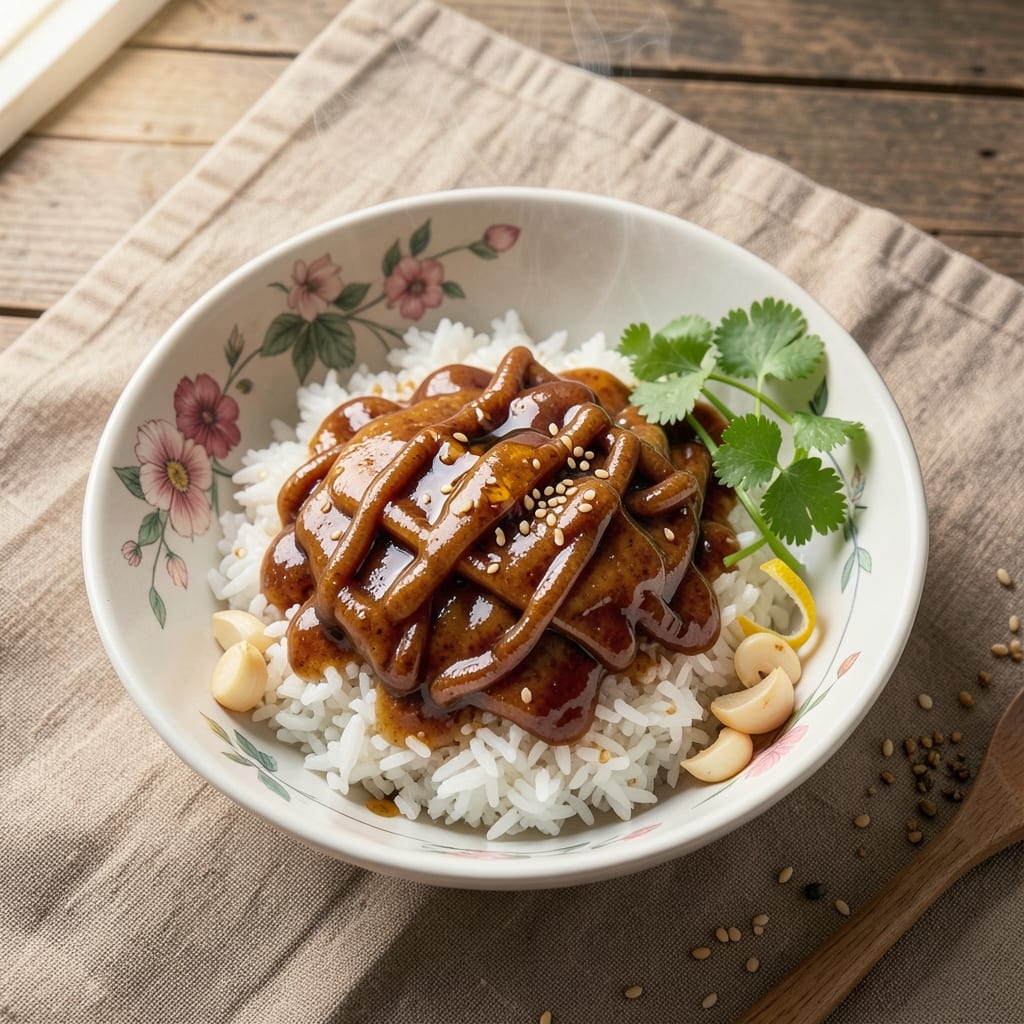
This Asian rice bowl sauce recipe transforms ordinary rice into a flavor explosion with just five simple ingredients and 10 minutes of prep time. The secret lies in balancing salty soy sauce, nutty sesame oil, and sweet honey—creating a sauce that's rich yet light, perfect for drizzling over bowls or marinating proteins. Unlike store-bought versions, this homemade blend delivers bold umami with no artificial aftertaste, making every bite taste restaurant-quality.
What makes this sauce special is its versatility—it works equally well on cold rice bowls, grilled chicken, or even as a quick marinade for tofu. The ingredients are pantry staples, and the process is foolproof: whisk, taste, adjust, and drizzle. Store any leftovers in the fridge for up to 5 days or freeze for 3 months, ensuring you always have flavor on hand. Whether you're meal prepping for the week or whipping up a last-minute dinner, this sauce is your secret weapon for effortless depth.
Ingredients for asian rice bowl sauce
Five ingredients create this restaurant-quality Asian rice bowl sauce, blending umami and brightness perfectly.
| Ingredient | Amount | Notes |
|---|---|---|
| Soy Sauce 🍶 | ½ cup | High-quality, reduced-sodium preferred |
| Sesame Oil 🫒 | 2 tbsp | Toasted sesame oil for authentic aroma |
| Honey 🍯 | 2 tbsp | Substitute maple syrup for vegan option |
| Rice Vinegar 🍶 | 2 tbsp | White or seasoned rice vinegar |
| Sesame Seeds 🌾 | 1 tbsp | Toasted for garnish and extra texture |
| Garlic Cloves 🧄 | 2 cloves | Minced for deeper umami flavor |
| Ginger 🌿 | 1 tsp | Freshly grated for zesty brightness |
| Red Pepper Flakes 🌶️ | ½ tsp | Adjust for heat preference |
| Olive Oil 🫒 | 1 tbsp | Lightens texture of sauce |
| Salt 🧂 | ½ tsp | Diamond Crystal preferred for balance |
The soy sauce forms the umami backbone—Kikkoman or Pearl River Bridge brands deliver consistent quality. Sesame oil should be toasted, not the cheap, flavorless kind from the back of the pantry. For honey, Manuka or clover varieties add subtle depth, but any liquid honey works. Rice vinegar should smell tangy and fresh; if yours is dull, replace it. Garlic and ginger should be freshly grated or minced—pre-minced jars lack punch. Whole Foods or Asian markets often carry high-quality sesame oil and vinegar options.
No sesame oil? Avocado oil at half the amount mimics the nutty base, though texture differs. Honey can be swapped for maple syrup or agave nectar for vegan versions. Rice vinegar in a pinch? Apple cider vinegar with 1/4 tsp extra sugar bridges the gap. Red pepper flakes can be omitted entirely for mild versions, or gochujang at 1 tsp adds fermented heat. The olive oil prevents the sauce from becoming too thick—don't skip it, even if you're watching calories.
This sauce keeps beautifully—5 days refrigerated or 3 months frozen in ice cube trays. For best texture, store in a sealed jar and shake before each use. Garnish with toasted sesame seeds just before serving to preserve their crunch. Leftovers make excellent marinades for tofu or quick stir-fry sauces. If the sauce separates, simply whisk vigorously to re-emulsify.
Why You'll Love This Recipe
- Pantry Magic: I swear by this sauce—no fancy shopping required. Just reach for soy sauce, a splash of rice vinegar, and a drizzle of honey, and you’ve got a flavor bomb that costs pennies but tastes like a takeout splurge.
- Umami + Sweet Crush: That sesame oil hit? Chef’s kiss. It’s salty, nutty, and just a little toasty—like a warm hug for your taste buds. The honey cuts through the savory soy with this perfect balance that makes me want to pour it on everything.
- Meal Prep MVP: Make a double batch and store it in the fridge. Drizzle it over rice bowls, toss it with noodles, or even slather it on grilled chicken—it’s my go-to for busy nights when I need something fast but still feels special.
- No-Waste Winner: Between us, this sauce lasts forever. A little goes a long way, so you’re not left with half-empty jars or sad leftovers. Plus, the sesame seeds add crunch without extra effort—just sprinkle and go.
Step-by-step instructions for Asian rice bowl sauce
This umami-rich sauce comes together in minutes with precise technique and balanced flavors.
Bloom the Aromatics in Olive Oil
Heat the 1 tablespoon olive oil in a small saucepan over medium-low heat. Add the 2 minced garlic cloves and 1 teaspoon freshly grated ginger, stirring constantly for 30 seconds until fragrant but not browned. The garlic should release its pungent aroma without developing bitterness.
This foundational step builds the sauce's aromatic complexity. I keep the heat low to prevent burning, which would create unpleasant flavors. If your garlic starts to sizzle too aggressively, immediately reduce the heat to low and continue stirring gently. The aromatics should be soft and translucent, not crispy.
Combine Wet Ingredients for Balanced Flavor
Add the 0.5 cup soy sauce, 2 tablespoons rice vinegar, and 2 tablespoons honey to the pan. Stir continuously over medium heat for 2-3 minutes until the mixture begins to simmer gently. The sauce should reduce slightly, becoming slightly thicker and more cohesive.
This is where the sauce's signature balance emerges—the salty soy sauce, tangy vinegar, and sweet honey create a harmonious foundation. I always stir in one direction to prevent scorching at the bottom of the pan. If the mixture looks too thin at this stage, you can reduce it further by simmering uncovered for an additional 1 minute.
Incorporate Sesame Oil and Season
Remove the pan from heat and stir in the 2 tablespoons sesame oil and 0.5 teaspoon salt. The sesame oil should immediately infuse the sauce with its nutty aroma. Return the pan to low heat and stir in the 0.5 teaspoon red pepper flakes for 30 seconds, just enough to distribute the heat evenly without burning the spices.
The sesame oil adds depth and richness, while the red pepper flakes introduce subtle heat. I always add the sesame oil off the heat to preserve its delicate aroma—heat can make it bitter. Taste the sauce at this point and adjust seasoning if needed, adding a pinch more salt or a drizzle of honey if the balance feels off.
Finish with Toasted Sesame Seeds
Transfer the sauce to a bowl and set aside. In a dry skillet over medium heat, toast the 1 tablespoon sesame seeds for 1-2 minutes, stirring constantly until they turn golden brown and release their nutty aroma. Immediately add them to the sauce and stir well to distribute evenly.
The toasted sesame seeds provide both visual appeal and textural contrast. I like to toast them separately to control the heat and prevent burning, which would make the sauce taste bitter. Once incorporated, the seeds should be evenly dispersed throughout the sauce, ready to garnish individual rice bowls or be mixed in at the end.
Pro Tips For Making Asian Rice Bowl Sauce
- Whisk the Sesame Oil Last: Stir it in just before serving—or your sauce will taste like a greasy, overpowering mess. Sesame oil burns easily and loses its nutty aroma when heated, so save it for the final splash. (Yes, even if you’re impatient like me.) ---
- Use Toasted Sesame Seeds: Dry-toast your sesame seeds in a pan for 30 seconds until golden—don’t walk away, or they’ll turn bitter. This adds depth to the sauce that store-bought seeds can’t match. (I learned this the hard way after a batch tasted flat.) ---
- Balance the Honey Slowly: Start with half the honey, taste, then adjust—too much turns the sauce cloyingly sweet. The vinegar and soy sauce need room to shine. (I used to dump it all in and wondered why my rice bowls tasted like dessert.) ---
- Chill Before Serving: Let the sauce sit for 10 minutes after mixing—flavors meld better when cool. Warm sauce can taste harsh or one-dimensional straight out of the bowl. (Your future self will notice the difference.)
Wine and beer pairings for this asian rice bowl sauce
White Wine Pairings
For this bright, umami-packed sauce, I always reach for a crisp Sauvignon Blanc from New Zealand or California. The wine’s zesty citrus notes—think grapefruit and lime—cut through the sauce’s richness while complementing the sesame and ginger. Look for a bottle with 12-13% ABV like Kim Crawford or Oyster Bay to balance the sauce’s bold flavors without overpowering them. 🍷
Light Beer Options
A Japanese lager like Asahi Super Dry or Sapporo is my go-to beer pairing. The subtle crispness and clean finish let the sauce’s flavors shine while the light body prevents it from feeling heavy. For a craft option, try a wheat beer with a touch of coriander, like Blue Moon, to echo the sauce’s aromatic notes. Avoid heavy IPAs or stouts—they’ll clash with the delicate balance.
Red Wine for Bolder Bowls
If you’re serving this sauce over heartier proteins like grilled steak or black beans, a Pinot Noir from Oregon or California adds unexpected harmony. The wine’s red fruit notes and silky tannins stand up to the sauce’s umami while keeping the meal light. Opt for a 12.5% ABV like La Crema or Meiomi to match the sauce’s complexity without dominating.
Non-Alcoholic Alternatives
Don’t skip the pairing just because you’re avoiding alcohol! A sparkling yuzu soda like San Pellegrino Aranciata Rossa mirrors the sauce’s brightness, while a ginger beer (like Feather) amplifies the ginger and sesame notes. For something simpler, iced green tea with a squeeze of lemon adds a refreshing contrast that cleanses the palate between bites. ✨
Nutrition facts
Frequently asked questions
Can I make this sauce without sesame oil?
Yes! Swap the 2 tablespoons sesame oil for 1 tablespoon toasted peanut oil or avocado oil to maintain richness. For extra nutty flavor, add 1/2 teaspoon ground sesame seeds to the sauce instead. The texture will be slightly lighter, but the umami balance remains intact.
How do I adjust the heat level?
Start with the 0.5 teaspoon red pepper flakes as written for mild heat. For medium spice, increase to 1 teaspoon. For fiery bowls, add 1/2 teaspoon gochujang (Korean chili paste) along with the pepper flakes. Always taste before serving—you can't remove heat once added!
Can I use this sauce as a marinade?
This sauce works perfectly for 10-15 minutes marinades for chicken, tofu, or shrimp. For longer marination (30+ minutes), reduce the rice vinegar to 1 tablespoon to prevent over-tenderizing. The sesame oil adds incredible flavor to grilled proteins—just pat dry before cooking to avoid flare-ups.
Why did my sauce separate?
Sauce separation happens when oil and water ingredients aren't properly emulsified. Whisk vigorously or blend briefly to recombine. For prevention, stir constantly while heating and add 1/2 teaspoon xanthan gum if you're concerned about storage stability. The sauce should be smooth and glossy when ready.
What's the best way to store leftovers?
Transfer to an airtight container and refrigerate for up to 5 days. For longer storage, freeze in 1-tablespoon portions in ice cube trays. Thaw overnight in the fridge—never microwave directly. Shake well before using as cold temperatures can cause slight separation. The sauce actually tastes better after refrigeration!