
Main Courses
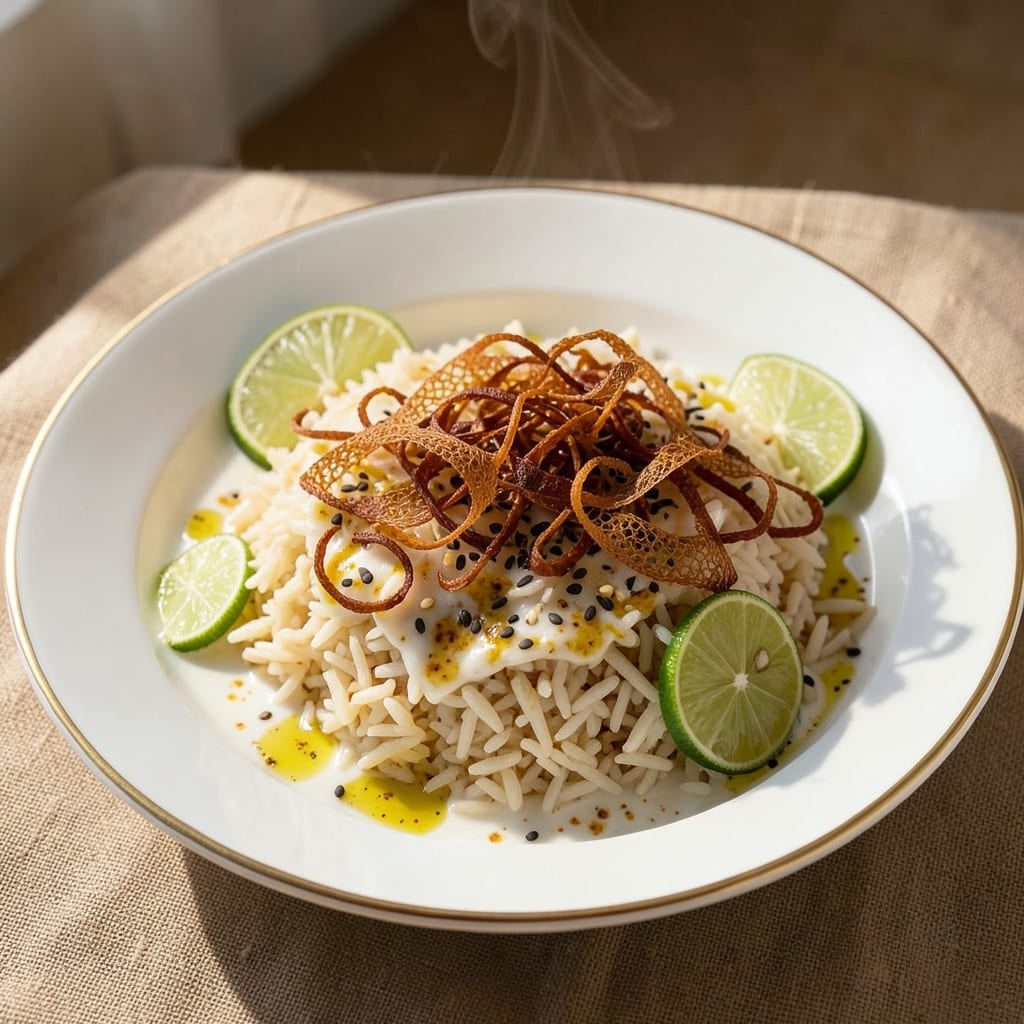
This Asian basmati rice recipe transforms ordinary grains into an aromatic, fragrant side that elevates any meal. The secret lies in a simple coconut-lime infusion that infuses the rice with bright, tropical notes while keeping the texture perfectly fluffy. I developed this one-pot method after years of experimenting with different techniques to achieve that signature restaurant-quality flavor without complicated steps.
The process begins with rinsing the rice thoroughly to remove excess starch, ensuring each grain stays distinct and separate. A light toast in the pot builds nutty depth before adding coconut milk and lime juice—these two ingredients create the signature flavor profile. The rice cooks gently in its own steam, absorbing the rich coconut aroma while maintaining a delicate texture that’s neither mushy nor dry.
By the time you’re done, you’ll have golden, fragrant basmati rice with a subtle citrus brightness that pairs perfectly with curries, stir-fries, or even as a standalone dish. The coconut-lime infusion adds complexity without overpowering the natural taste of the rice, making it a versatile side that works for both weeknight dinners and special occasions.
Perfect for feeding a crowd or meal prepping for the week, this recipe delivers restaurant-quality results with minimal effort. The one-pot method means less cleanup, and the flavor keeps improving as it sits, making it ideal for dishes that need to be ready when you are. Let’s get started!
Ingredients for asian basmati rice
Eleven simple ingredients transform ordinary basmati rice into fragrant, restaurant-quality coconut-lime rice.
| Ingredient | Amount | Notes |
|---|---|---|
| Long-Grain Basmati Rice 🍚 | 1 ½ cups | Uncooked, rinsed thoroughly |
| Full-Fat Coconut Milk 🥥 | 1 can | 13.5 oz can, unsweetened |
| Fresh Lime Juice 🍋 | ¼ cup | About 2-3 limes, freshly squeezed |
| Extra-Virgin Olive Oil 🫒 | 2 tbsp | Lightly toasted in pot |
| Water 💧 | 2 cups | Filtered preferred for clarity |
| Salt 🧂 | 1 tsp | Diamond Crystal kosher salt |
| Garlic Cloves 🧄 | 2 cloves | Minced for aroma infusion |
| Fresh Ginger 🌿 | 1 tbsp | Finely grated, peeled |
| Brown Sugar 🍯 | 1 tbsp | Lightly packed |
| Cilantro Leaves 🌱 | ¼ cup | Chopped, for garnish |
| Toasted Coconut Flakes 🥥 | 2 tbsp | For topping, optional |
The coconut milk is non-negotiable for that signature tropical aroma—Thai Kitchen brand or Goya cans work perfectly. For the lime juice, organic limes from the produce section have more vibrant flavor than conventional. Fresh ginger and garlic are worth the extra minute to peel and mince rather than using powdered versions. Whole Foods or local Asian markets often have better-quality spices and fresh herbs than regular grocery stores. The basmati rice should be long-grain and uncooked—never pre-cooked or instant rice, as it won't achieve the same texture.
No fresh ginger? Substitute 1 tsp ground ginger—it's less potent, but works in a pinch. Running short on lime juice? Lemon juice at half the amount gives similar brightness, though with a slightly different profile. The coconut milk can be reduced-fat, but full-fat delivers richer flavor and better texture. For a sweeter touch, swap brown sugar for maple syrup or agave (use half the amount). The olive oil should be lightly toasted—just until fragrant—to build nutty depth without burning. If you can't find Diamond Crystal salt, Morton kosher salt works too, but taste as you go.
Rice reheats beautifully—just add a splash of water and cover for 5 minutes. Stores in an airtight container for 4-5 days in the fridge, or 3 months frozen. For meal prep, cook a double batch and portion into containers with a thin layer of coconut milk on top to keep it moist. The flavor actually improves overnight as the rice absorbs more of the coconut-lime infusion. Garnish with cilantro and toasted coconut flakes right before serving for maximum freshness.
Why You'll Love This Recipe
- One-Pot Magic: I swear by this method—just rice, coconut milk, and water simmered together until it’s fluffy and fragrant. No steaming baskets, no measuring cups of rice to water ratios. The coconut milk does all the work, turning this into a set-it-and-forget-it side that still feels special.
- Bright & Creamy: That first squeeze of lime juice over the finished rice? It’s the secret weapon. The coconut milk keeps it rich and velvety, while the lime cuts through the richness with a zing that makes every bite feel fresh. Honestly, it’s the kind of rice that makes you want to eat it straight from the pot.
- Meal Prep MVP: This rice reheats like a dream—no drying out, no weird textures. I make a big batch on Sundays, and it’s my go-to for curries, stir-fries, or even as a base for rice bowls all week. The lime keeps it from getting stale, so it’s always ready to shine.
- Budget Luxury: Full-fat coconut milk might sound fancy, but a can goes a long way here. A little olive oil and lime juice elevate it without breaking the bank, and the basmati rice stretches perfectly for leftovers. It’s the kind of dish that feels indulgent but won’t ruin your grocery budget.
Step-by-step instructions for fragrant coconut-lime basmati rice
This one-pot method delivers restaurant-quality rice with aromatic coconut and bright citrus notes.
Toast the Olive Oil and Aromatics
Heat the 2 tablespoons extra-virgin olive oil in a medium saucepan over medium heat until shimmering but not smoking. Add the 2 cloves minced garlic and 1 tablespoon finely grated ginger, stirring constantly for 30-45 seconds until fragrant but not browned.
Here's the thing—don't walk away. Garlic burns in seconds, and you want that sweet, nutty aroma to develop without bitterness. The oil should be just warm enough to make the aromatics dance but not sizzle aggressively. This step builds the flavor foundation for the entire dish.
Sauté the Rice and Add Liquids
Add the 1.5 cups long-grain basmati rice to the pan, stirring to coat each grain in the aromatic oil. Cook for 2 minutes until the rice becomes translucent at the edges and slightly toasted. This dry toasting prevents the rice from becoming mushy.
Pour in the 2 cups water and 1 can full-fat coconut milk, stirring gently to combine. The mixture will look cloudy but should be evenly distributed. Sprinkle the 1 tablespoon brown sugar and 1 teaspoon salt over the top, then stir again to dissolve the sugar completely.
Simmer and Infuse the Flavors
Bring the mixture to a gentle boil over medium-high heat, then immediately reduce to low heat. Cover the pan with a tight-fitting lid and simmer for 15 minutes without lifting it. This undisturbed cooking allows the rice to absorb the coconut milk evenly while developing its signature fragrance.
I know it's tempting to peek, but every time you lift the lid, you release steam and potentially disrupt the cooking process. The rice should be tender but still slightly firm to the tooth at this stage—it will finish cooking during the final resting period.
Finish with Lime and Rest
After 15 minutes, remove the pan from heat and let it sit covered for 10 minutes. This resting period allows the rice to absorb any remaining liquid and develop its final texture. Stir in the 0.25 cup fresh lime juice and 0.25 cup chopped cilantro leaves, mixing gently to distribute the bright citrus and fresh herb flavors.
For the final touch, sprinkle the 2 tablespoons toasted coconut flakes over the top. The contrast of toasted coconut against the creamy rice creates a beautiful visual and textural finish. Serve immediately while the rice is still warm and fragrant.
Pro Tips For Making Asian Basmati Rice
- Toast the Rice First: Heat your dry basmati rice in a pot over medium-high for 2-3 minutes before adding liquid—it removes raw starch and prevents gummy grains. I learned this the hard way after making rice that stuck together like glue.
- Use Coconut Milk Wisely: Stir in the full-fat coconut milk after the rice has absorbed most of the water, not at the start. Adding it too early turns your rice into a creamy porridge instead of fluffy, fragrant grains.
- Lime at the End: Squeeze lime juice over the rice after it’s off the heat—heat kills the bright citrus notes. A splash of lime also balances the richness of coconut milk without curdling it.
- Skip the Boil, Simmer Instead: Once water is added, reduce to the lowest simmer possible—no rolling boil. I used to rush this, and my rice always ended up mushy. A gentle simmer keeps the grains intact and lets the coconut milk infuse properly.
Creative variations of this dish
Thai-Inspired Coconut Curry Rice
Transform your rice into a creamy, aromatic base for curry dishes by adding 1 tablespoon red curry paste (like Maesri or Thai Kitchen) when toasting the garlic and ginger. Stir in ½ cup light coconut milk after adding the water, then proceed with the original method. This version pairs perfectly with chicken or tofu curry—just serve the rice directly from the pot. 🌶️
Japanese Miso-Ginger Rice
Swap the coconut milk for ½ cup white miso paste (dissolved in the water) and add 1 teaspoon grated fresh ginger to the oil. Replace the lime juice with 1 tablespoon rice vinegar at the end for a tangy-sweet profile. Garnish with sesame seeds instead of coconut flakes. This variation works beautifully as a side for sushi rolls or grilled fish. 🍣
Indian Spiced Rice
Add ½ teaspoon cumin seeds and ½ teaspoon turmeric to the oil with the garlic and ginger. Replace the coconut milk with ½ cup heavy cream and use ½ teaspoon garam masala instead of brown sugar. Finish with chopped cilantro and toasted cumin seeds. This richer version pairs perfectly with butter chicken or lamb curries. 🌿
Vegetarian Protein Boost
For a heartier dish, stir in 1 cup cooked chickpeas or ½ cup crumbled tofu during the final resting period. The chickpeas absorb the coconut-lime flavors beautifully, while tofu adds a silky texture. This makes it a complete meal on its own—just top with extra cilantro and a squeeze of lime. 🥜
Sweet Tropical Version
Replace the lime juice with ¼ cup pineapple juice and add 1 teaspoon vanilla extract when stirring in the coconut milk. Sweeten with 2 tablespoons brown sugar instead of 1, and garnish with toasted coconut flakes and chopped macadamia nuts. This dessert-like rice pairs surprisingly well with spicy Thai or Vietnamese dishes for balance. 🍍
Meal Prep Adaptation
Double the recipe and store in airtight containers with a thin layer of coconut milk on top to keep it moist. Reheat portions in the microwave for 2-3 minutes with a splash of water, then finish with fresh lime juice and cilantro. The flavors actually intensify over time, making this perfect for busy weeknights or lunches. ⏰
Nutrition facts
Frequently asked questions
Why does this recipe use full-fat coconut milk instead of light?
Full-fat coconut milk creates a richer, creamier texture that's essential for authentic Asian-style rice. The higher fat content also helps carry the tropical flavors more effectively. Light coconut milk can work in a pinch, but you'll notice a thinner consistency and less aromatic depth in the final dish.
Can I substitute jasmine rice for basmati in this recipe?
While jasmine rice will work, it won't give you the same delicate texture or fragrant aroma. Basmati's long grains stay separate better and have a more pronounced nutty flavor when toasted. For the best results, stick with basmati—it's worth the small price difference for this specific recipe.
How do I prevent the rice from becoming mushy?
Three key steps: 1) Rinse the rice thoroughly before cooking to remove excess starch, 2) Toast the rice briefly in the oil before adding liquids, and 3) Don't lift the lid during the 15-minute simmering time. Each time you peek, you release steam that can make the rice gummy. Patience is key here!
What's the best way to reheat this coconut-lime rice?
Add 1-2 tablespoons of water or coconut milk per cup of rice, cover tightly, and heat on low for 3-5 minutes. The steam helps restore the fluffy texture. For best results, finish with a fresh squeeze of lime juice and extra cilantro after reheating to revive the bright flavors.
Can I make this recipe in an Instant Pot?
Yes! Follow the same steps until adding liquids, then use the high pressure setting for 3 minutes with 1 cup of water (instead of 2 cups). Quick-release the pressure, stir in lime juice, and let sit covered for 5 minutes before serving. The Instant Pot version cooks 30% faster but requires slightly less liquid.