
Main Courses
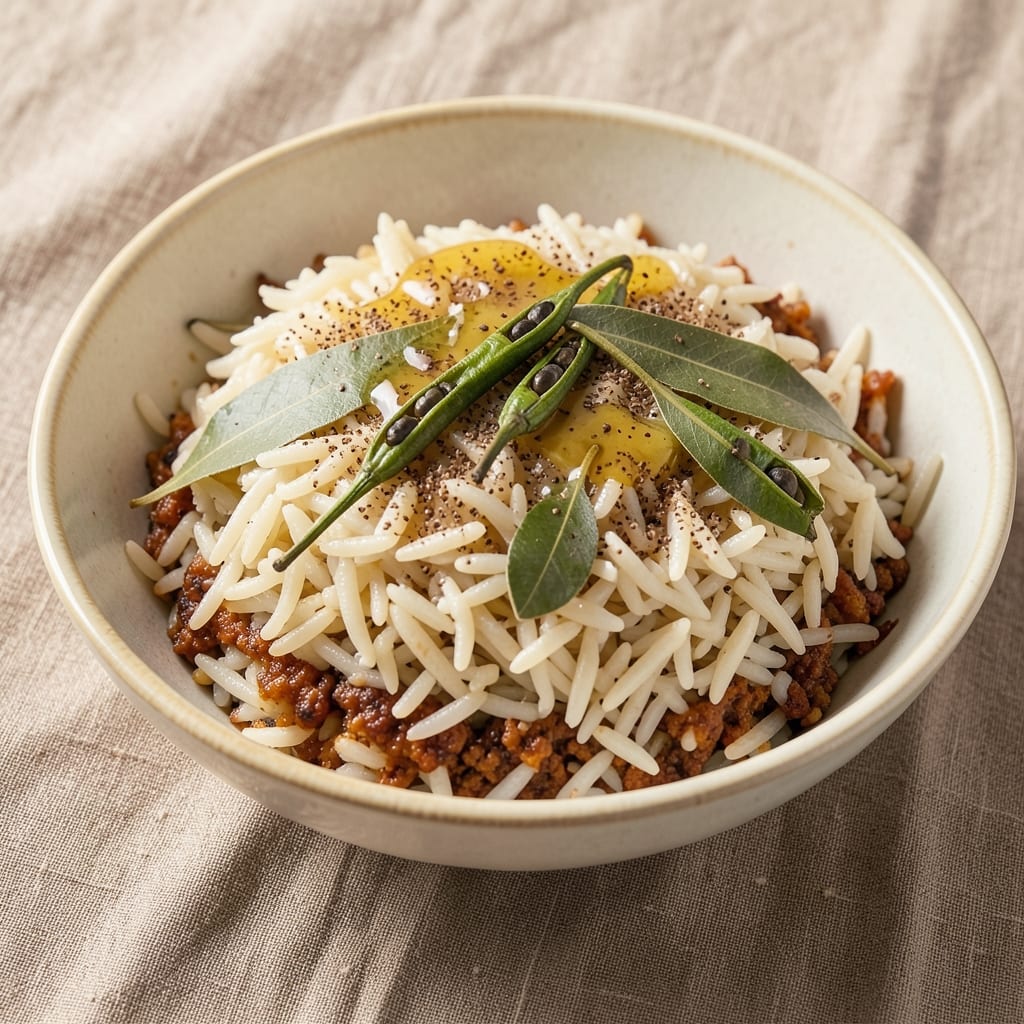
Aromatic basmati rice transforms simple grains into a fragrant, fluffy masterpiece with toasted spices and a delicate crunch. This recipe delivers restaurant-quality texture—light, separate grains that stay firm yet tender, infused with warm cumin, cardamom, and bay leaf. The secret lies in proper toasting and precise liquid ratios, ensuring each bite reveals that perfect balance of aroma and flavor.
Perfect as a versatile base for curries or a standalone side, this method guarantees foolproof results every time. We'll cover the essential technique for golden-brown spices, the ideal water-to-rice ratio, and the critical resting phase that prevents mushy grains. Whether you're serving biryani or pilaf-style rice, this approach elevates your meal from ordinary to extraordinary with minimal effort.
Ingredients for aromatic basmati rice
Nine essential components deliver restaurant-quality basmati rice with aromatic spice crunch and perfect texture.
| Ingredient | Amount | Notes |
|---|---|---|
| Long-Grain Basmati Rice 🍚 | 1 cup | Uncooked, premium quality preferred |
| Water 💧 | 1 ¾ cups | Room temperature for even cooking |
| Ghee or Unsalted Butter 🧈 | 2 tbsp | For authentic spice toasting |
| Ground Cumin Seeds 🌿 | ½ tsp | Freshly toasted for depth |
| Green Cardamom Pods 🍃 | 4 whole | Lightly crushed for aroma |
| Bay Leaves 🌿 | 1 whole | Fresh for maximum flavor |
| Kosher Salt 🧂 | ¾ tsp | Diamond Crystal preferred |
| Fresh Cilantro Leaves 🌿 | ¼ cup | Chopped for garnish (optional) |
| Lemon Wedges 🍋 | 2 whole | For serving, enhances brightness |
| Toasted Almond Slices 🥜 | ¼ cup | For crunchy texture contrast |
The foundation begins with premium basmati rice—look for brands like Tilda or Bombay Basmati at specialty stores or the international aisle of Whole Foods. The grains should be long and uniform, with a slight sheen indicating freshness. Ghee or unsalted butter is crucial for authentic spice toasting; Gujarat brand ghee from Indian markets delivers superior flavor. Cardamom and bay leaves should be vibrant green and whole, not dried out or discolored. For the crunchy garnish, toasted almond slices from the bulk bin at Trader Joe's provide the perfect texture contrast without overpowering the delicate rice aroma.
No fresh cardamom? Ground cardamom at one-third the amount works in a pinch, though the aroma won't be as pronounced. Substituting vegetable oil for ghee changes the flavor profile entirely—stick with butter or ghee for authentic results. Diamond Crystal kosher salt dissolves more cleanly than table salt, though any fine sea salt will suffice. For the almond crunch, cashew pieces toast beautifully too—just reduce the amount by 20% since they're softer. The cilantro is purely decorative; omit entirely if you dislike its flavor, but the lemon wedges are essential for that final brightness.
Rice keeps best in an airtight glass container in the refrigerator for up to 4 days, though flavor peaks within the first 24 hours. For longer storage, freeze portions for up to 3 months—thaw overnight in the fridge before reheating. The toasted spices lose potency over time, so re-toast any unused ghee-spice mixture in a dry pan for 30 seconds before using again. Serve immediately for optimal texture, as basmati rice begins losing its delicate structure after 15 minutes of resting.
Why You'll Love This Recipe
- 20-Minute Magic: I swear by this—just toast the cumin and cardamom in ghee until it smells like a spice shop, then dump in the rice and water. No stirring, no stress, just perfectly fragrant grains every time.
- Fragrant Every Bite: That first whiff of warm cardamom and cumin hitting the ghee? It’s like a hug for your taste buds. The rice stays light but soaks up all that earthy, nutty aroma—no heavy cream or weird aftertaste, just pure, bright flavor.
- Lunchbox Hero: Between us, this is my go-to for meal prep. Cool it down, pack it in containers, and it stays fluffy for days. Kids (or my lazy self) can toss it with whatever’s in the fridge—curry, roasted veggies, or just eat it straight. No sad, mushy rice here.
- Budget Bright Spot: A cup of basmati and a pinch of spices cost pennies, yet it feels fancy. Ghee or butter adds richness without breaking the bank, and leftovers reheat like a dream. Honestly, it’s the kind of rice that makes me feel like I’m feeding a crowd without the grocery bill.
Step-by-step instructions for aromatic basmati rice
Transform ordinary basmati rice into fragrant, spice-infused perfection with this precise method.
Toast the Spices in Ghee Until Fragrant
In a medium saucepan, melt the 2 tbsp ghee or unsalted butter over medium-low heat. Add the 4 whole green cardamom pods and 1 whole bay leaf, letting them sizzle gently for 30 seconds until you detect their aromatic oils releasing. This is where the magic begins—those spices will infuse the rice with complex, warming notes.
Next, add the 0.5 tsp ground cumin seeds and stir continuously for 1 minute until the mixture turns a rich golden color and emits an earthy, toasty aroma. This step develops the spice depth that sets this rice apart from ordinary preparations. Watch carefully—cumin burns quickly, so keep the heat at medium-low throughout. Remove from heat once the spices are fragrant but not colored.
Add Rice and Toast for Even Color
Immediately add the 1 cup long-grain basmati rice to the warm ghee mixture, stirring vigorously for 2 minutes to coat each grain evenly. The rice should take on a subtle golden hue from the spices—this ensures every bite carries that aromatic punch. I press down gently on the rice with a wooden spoon during the first minute to prevent it from sticking together and ensure even contact with the spiced ghee.
Continue stirring for another 30 seconds until you hear the rice grains begin to sizzle. This brief toasting step develops nutty undertones that elevate the final dish. If the rice begins to brown too quickly, reduce the heat slightly to maintain gentle sizzling rather than burning. The goal is color, not charring—you're aiming for a uniform golden tint, not blackened bits.
Add Water and Salt for Perfect Absorption
Pour in the 1.75 cups room-temperature water and the 0.75 tsp kosher salt, stirring once to distribute evenly. Bring to a gentle boil over medium heat, then immediately reduce to the lowest possible heat setting—just enough to maintain a barely perceptible simmer. The water should bubble gently at the edges but remain mostly still at the center.
This precise heat control is critical. Too vigorous a boil will cause the rice to cook unevenly, while too low a heat will leave it undercooked. Cover the pan tightly with a lid and resist the urge to peek—every time you lift it, you release steam that disrupts the cooking process. Let it cook undisturbed for 12 minutes on this low heat.
Rest and Fluff to Maximum Texture
After 12 minutes, turn off the heat but leave the lid on for an additional 10 minutes. This resting period allows residual steam to finish cooking the rice evenly while preventing it from becoming gummy. The rice should be completely tender and the liquid fully absorbed—if you lift the lid and see any moisture, return it to the heat for 1-2 minutes uncovered to evaporate excess.
Finally, remove the lid and gently fluff the rice with a fork, separating the grains completely. The finished rice should be light, fluffy, and fragrant with those toasted spices. If you notice any grains sticking together, simply pass them through your fingers to break them apart—this is normal and easily corrected. The texture should be firm yet tender, with each grain distinct and aromatic.
Serve with Garnishes for Fresh Contrast
Transfer the rice to a serving platter and immediately sprinkle with the 0.25 cup chopped fresh cilantro leaves and 0.25 cup toasted almond slices. The bright acidity of the cilantro cuts through the richness of the spices, while the almonds provide a delightful crunch that contrasts beautifully with the soft rice. Serve with the 2 whole lemon wedges on the side for an extra burst of citrus brightness when needed.
This aromatic basmati rice delivers on its promise of perfection—each grain infused with warm spices, finished with fresh garnishes that elevate the dish. The technique ensures consistent results: fluffy texture, intense aroma, and that satisfying crunch from the toasted almonds. Serve immediately while the spices are at their peak fragrance for the ultimate dining experience.
Pro Tips For Making Aromatic Basmati Rice
- Toast the Spices First: Skip the dry toasting step at your peril—this is where the flavor actually develops. Heat your ghee or butter until it shimmers (not smokes), then add the whole cardamom pods and cumin seeds. Let them sizzle for 20 seconds until the cumin smells sharp and the cardamom cracks open—this prevents a dull, powdery aftertaste that ruins the whole dish.
- Use Cold Water, Not Hot: I learned this the hard way—adding boiling water to the rice after toasting the spices just steams it into mush. Instead, let the rice soak in cold water for 10 minutes first, then bring it to a boil with the spiced ghee. The cold water keeps the grains intact, and the gradual heat builds better texture.
- Don’t Stir After Boiling: The moment you add the rice to the water, resist the urge to stir. Letting it sit undisturbed for the first 3 minutes lets the grains expand evenly without breaking. After that, one gentle stir is fine—but poking it like a nervous cook guarantees split, mushy rice.
- Rest It Covered: Dumping freshly cooked rice onto a plate is a rookie move. Turn off the heat, keep it covered for 5 minutes, then fluff with a fork. This lets the steam redistribute, locking in moisture and giving you that signature separate-but-together texture. (Yes, even if you’re impatient like me.)
Pro cooking tips for perfect results
Spice Toasting Secrets
Never skip the spice toasting step—this is where the magic happens! I use a heavy-bottomed stainless steel saucepan to prevent scorching, and always toast the spices over medium-low heat to avoid burning. The key is patience: let the cardamom and bay leaf sizzle for 30 seconds until their oils release, then add cumin and stir constantly for 1 full minute until golden. This develops deep, nutty aromas that plain rice simply can't match. 🌿
Water Ratio Precision
The 1.75 cups water to 1 cup rice ratio is non-negotiable for perfect texture. Too much water makes the rice mushy, while too little leaves it dry. I measure water in a clear glass measuring cup for accuracy, and always use room-temperature water—cold water creates uneven cooking. After adding water and salt, bring to a gentle boil just once, then reduce to the lowest possible heat to maintain a bare simmer.
Heat Control Mastery
Most home cooks overlook heat control, but this is what separates good rice from great rice. After adding water, the heat should be so low you barely see bubbles—just a few at the edges. I use a digital thermometer to confirm the water stays between 195-200°F during cooking. Too high heat causes uneven cooking, while too low leaves rice undercooked. The 12-minute cook time is precise—set a timer and don't peek at the rice until then!
Resting Phase
The 10-minute resting period after cooking is absolutely critical. This allows steam to finish cooking the rice evenly while preventing gumminess. I place a clean kitchen towel under the pot to absorb any condensation, then leave it completely undisturbed. If you check too soon, you'll release steam and ruin the texture. The rice should be completely tender by this point—if not, return it to heat for 1-2 minutes uncovered to evaporate excess moisture.
Garnish Timing
Add the toasted almonds and cilantro immediately after fluffing the rice—this preserves their freshness and contrast. I toast the almonds separately in a dry pan for 2-3 minutes until golden brown, then chop them roughly for texture. The lemon wedges should be served on the side so guests can add brightness as needed. This final step transforms simple rice into a restaurant-worthy dish with layers of flavor and texture. 🍋
Nutrition facts
Frequently asked questions
Why does my basmati rice turn out mushy instead of fluffy?
The most common causes are either too much water or insufficient resting time. This recipe uses a precise 1.75 cups water to 1 cup rice ratio—never guess! Also, the 10-minute resting period after cooking is non-negotiable. If you peek too soon or don't rest it, steam escapes and the grains won't separate properly. For extra insurance, use a heavy pot with a tight-fitting lid to trap steam.
Can I make this rice in a rice cooker?
Yes, but with adjustments! First, toast your spices in ghee separately, then add the rice and water (same ratio) to the cooker. Use the white rice setting and let it cook completely. The key difference: skip the resting time since rice cookers handle steam retention better. For best results, transfer to a bowl and fluff immediately after cooking to maintain texture.
What's the best way to store leftover aromatic basmati rice?
Store in an airtight glass container in the refrigerator for up to 4 days, but flavor peaks within the first 24 hours. For longer storage, freeze portions for 3 months. Thaw overnight in the fridge—never microwave directly from frozen. To reheat, sprinkle with 1 tsp water per cup of rice, cover tightly, and steam in a pot over low heat for 3-5 minutes.
How can I make this recipe vegetarian or vegan?
Use vegan butter or coconut oil instead of ghee, and ensure your cardamom and bay leaves are certified vegan (some brands use animal-derived coatings). The rest of the recipe remains identical. For extra richness, stir in 1 tbsp coconut milk during the final resting phase. The toasted almond garnish can be made with vegan almonds (check for processing methods).
What are the best pairings for this aromatic rice?
This versatile rice shines with mild curries like chicken tikka masala or vegetable korma, or as a base for biryani or pilaf-style dishes. For a complete meal, pair with grilled chicken, lamb kebabs, or roasted vegetables. The lemon wedges make it perfect for seafood too—try with garlic shrimp or grilled salmon. For a vegetarian option, serve with sautéed spinach and paneer.