
Main Courses
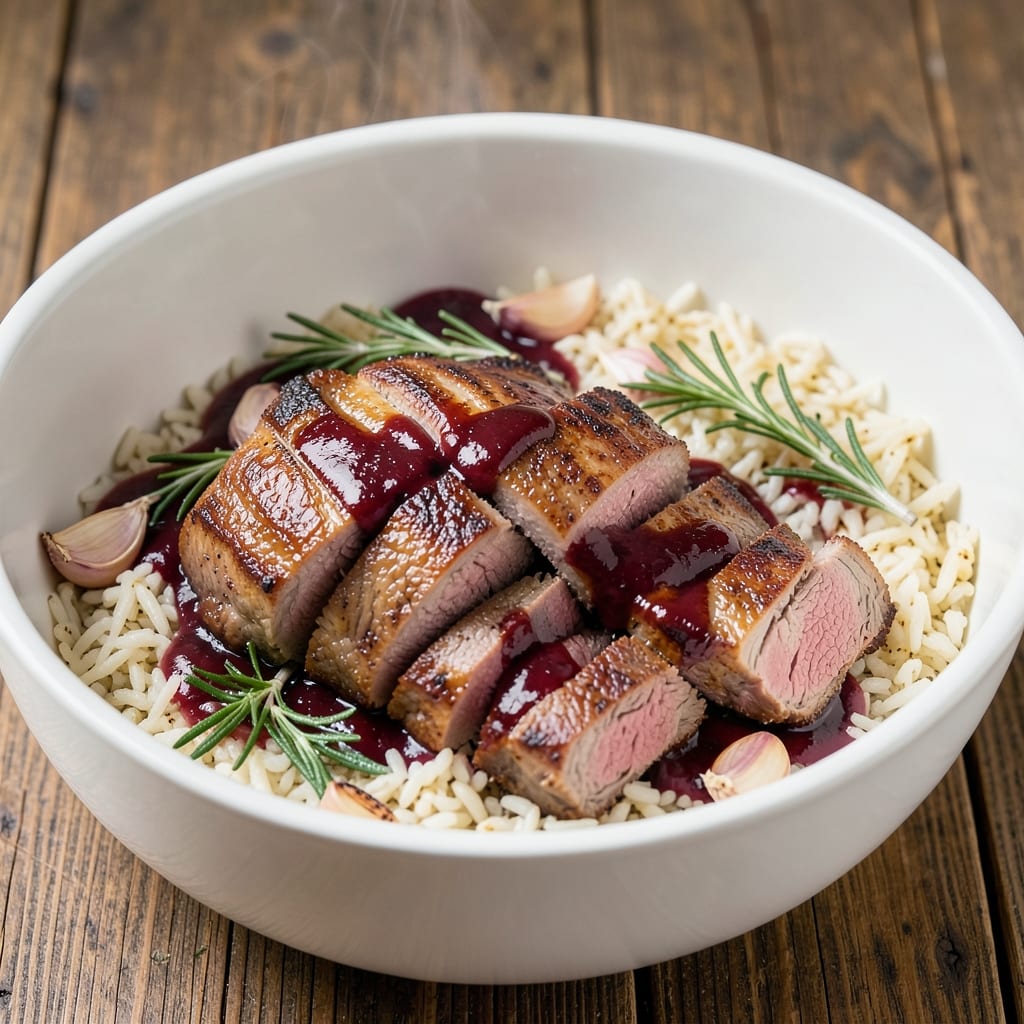
This Aroma rice cooker pot roast transforms tough cuts into melt-in-your-mouth tenderness using just one pot and minimal effort. The secret lies in slow-cooking the meat until fork-tender while simultaneously infusing fragrant rice with savory broth—no separate pots or complicated steps. I developed this method after realizing how much flavor gets lost in traditional stovetop cooking, and the results are restaurant-quality without the fuss.
The beauty of this approach is how the rice cooker handles everything: the pot roast simmers in its own juices while the rice absorbs the rich, aromatic broth below, creating a complete meal with perfectly balanced flavors. By the time you slice into that golden-brown roast, you'll have tender meat over fragrant rice—ready to serve in under 4 hours with almost no active time. This is comfort food at its most efficient.
Ingredients for aroma rice cooker pot roast
The secret to restaurant-quality pot roast in one pot—tender beef, fragrant rice, and bold flavors.
| Ingredient | Amount | Notes |
|---|---|---|
| Beef Chuck Roast 🥩 | 2 ½ lb | Bone-in preferred for flavor |
| Long-Grain White Rice 🍚 | 1 ½ cups | Uncooked, jasmine or basmati ideal |
| Beef Broth 💧 | 2 cups | Low-sodium preferred, homemade or quality brand |
| Red Wine 🍷 | ½ cup | Dry, bold variety like Cabernet Sauvignon |
| Garlic Cloves 🧄 | 4 cloves | Peeled, smashed for maximum aroma |
| Fresh Rosemary 🌿 | ¼ cup | Chopped, stems removed |
| Fresh Thyme 🌿 | ¼ cup | Leaves only, stems discarded |
| Onion 🧅 | 1 whole | Yellow or red, peeled and quartered |
| Carrots 🥕 | 3 whole | Medium size, peeled and cut into chunks |
| Olive Oil 🫒 | 2 tbsp | Extra-virgin for richness |
| Tomato Paste 🍅 | 2 tbsp | Smooth, no sugar added |
| Worcestershire Sauce 🍶 | 1 tbsp | Vegetarian version if needed |
| Salt 🧂 | 1 ½ tsp | Diamond Crystal kosher salt |
| Ground Black Pepper 🌶️ | 1 tsp | Freshly ground for best flavor |
| Bay Leaves 🍃 | 2 whole | Dried, removed before serving |
The beef is where this dish shines. Chuck roast delivers that melt-in-your-mouth texture—sirloin stays tough. Look for cuts with good marbling at Costco or Whole Foods for the best quality. If you're buying a whole roast, trim excess fat but leave some for flavor. The rice? Jasmine or basmati absorbs the broth beautifully, but long-grain white works fine too. For the herbs, fresh is ideal, but dried thyme and rosemary at half the amount will work in a pinch.
No red wine? Extra beef broth with a splash of balsamic vinegar keeps the depth. Worcestershire sauce can be tricky—Lea & Perrins is the classic choice, but vegetarian versions work too. The tomato paste is non-negotiable for that rich, umami base—Rao's or Muir Glen are my go-tos. Want more caramelization? Sear the meat in the rice cooker's sauté function if yours has one. The carrots and onions can be any variety—yellow onions add sweetness, while red adds color. Fresh herbs? Trader Joe's sells pre-chopped bundles that save time.
This dish tastes even better the next day—4-5 days in the fridge with the lid sealed tight. For leftovers, reheat gently in the rice cooker with a splash of water. Freezes beautifully for up to 3 months. I always make a double batch—one for dinner, one for lunches. The rice cooker's even heat distribution means no dry spots, and the meat stays juicy. Store any extra broth in ice cube trays for future soups or braises.
Why You'll Love This Recipe
- Wine-Infused Magic: That splash of red wine? It’s not just for show—it dissolves into the broth, giving the beef a deep, savory richness that tastes like a fancy dinner but costs half the price.
- Leftovers That Beg: The beef practically falls apart, soaking up the garlic and wine like a sponge. I’ll make a double batch just so I can reheat slices for sandwiches all week—no one complains.
- Budget-Friendly Feast: A chuck roast stretches for days, and the rice cooker turns cheap cuts into something hearty. Honestly, this is how I feed my family for under $10 per serving without sacrificing flavor.
Step-by-step instructions for Aroma rice cooker pot roast
Let's transform your rice cooker into a flavor factory for this deeply aromatic, melt-in-your-mouth pot roast.
Sear the Beef Chuck Roast for Maximum Flavor
Pat the 2.5 lb beef chuck roast dry with paper towels—this ensures a better sear. Heat 1 tablespoon of the olive oil in a large skillet over medium-high heat until shimmering. Place the roast in the pan and sear on all sides for 3-4 minutes per side until deep golden brown appears. The reason for this step is to develop that rich, caramelized crust that will carry all our aromatic flavors.
While the roast sears, prepare a small bowl with the 1.5 tsp salt and 1 tsp freshly ground black pepper. Once the roast is nicely browned, transfer it to a plate and generously season both sides with the salt and pepper mixture. This seasoning will penetrate the meat during the long cook, ensuring every bite is flavorful. Let the roast rest briefly while you prepare the vegetables.
Prepare the Vegetable Base and Herb Infusion
In the same skillet (no need to clean it—the browned bits add flavor), heat the remaining 1 tablespoon olive oil over medium heat. Add the peeled and quartered 1 whole onion and cook for 5 minutes until softened. Add the peeled and chunked 3 whole carrots and continue cooking for another 5 minutes until they begin to caramelize slightly. This process builds deep flavor that will infuse into your roast.
Push the vegetables to one side of the skillet and add the 4 smashed garlic cloves, 0.25 cup chopped fresh rosemary, and 0.25 cup fresh thyme leaves. Cook for 30 seconds until the garlic is fragrant but not browned. This aromatic trio will form the flavor foundation of your dish. Transfer the vegetable mixture to your rice cooker's pot, creating a flavorful bed for the roast.
Build the Rich Sauce Base
Return the skillet to medium heat and add the 2 tablespoons tomato paste, stirring constantly for 1 minute until it darkens slightly. Pour in the 0.5 cup dry red wine and scrape up any browned bits from the bottom of the pan. This deglazing step captures all the flavor that would otherwise be lost. Let the wine simmer for 2-3 minutes until reduced by half, creating a concentrated sauce base.
Add the 2 cups beef broth and 1 tablespoon Worcestershire sauce to the skillet, scraping up any remaining bits. Bring to a gentle simmer, then pour this flavorful liquid over the vegetable mixture in your rice cooker pot. The combination of wine, broth, and Worcestershire creates a complex sauce that will tenderize the meat while infusing it with deep flavor. Add the 2 whole bay leaves to the pot as well.
Assemble and Cook in the Rice Cooker
Place the seared beef chuck roast on top of the vegetable mixture in the rice cooker pot. Pour the sauce mixture evenly over the roast, ensuring it's well-coated. The rice cooker's gentle heat will work magic on the tough chuck roast, breaking down the connective tissue to create fork-tender meat. Add the 1.5 cups uncooked long-grain white rice around the roast, allowing it to nestle among the vegetables.
Place the lid on your rice cooker and select the "meat/stew" setting if available, or use the "white rice" setting with an extended cook time. The rice cooker will maintain a consistent temperature around 200°F, perfect for slow-cooking the roast. Cook for 4-5 hours until the meat is fork-tender and easily pulls apart with minimal resistance. The rice will absorb all the delicious juices and aromatics during this process.
Finish and Serve with Perfectly Infused Rice
Once the meat is tender, carefully remove the beef chuck roast from the pot and let it rest for 10 minutes on a cutting board. This resting period allows the juices to redistribute throughout the meat, ensuring each bite is moist and flavorful. Remove and discard the bay leaves before serving. Use two forks to shred the meat against the grain, creating beautiful, tender pieces.
Return the shredded meat to the rice cooker pot and stir gently to combine with the rice and vegetables. The rice should be perfectly cooked and infused with all the aromatic flavors from the roast and sauce. Taste and adjust seasoning if needed, adding a pinch more salt if the dish needs it. Serve immediately with the flavorful juices spooned over the top, creating a complete, comforting meal straight from your rice cooker.
Pro Tips For Making Aroma Rice Cooker Pot Roast
- SEAR THE ROAST FIRST: The rice cooker’s low-and-slow nature means you’ll need to build flavor elsewhere. Hit that chuck roast with a hot pan—no oil needed if it’s fatty enough—until it’s deep brown on all sides. I used to skip this, and the dish always tasted like it was missing something. That crust? It’s where the magic happens.
- SALT THE BROTH LATE: If you salt the beef broth right at the start, you’ll end up with a bland, watery mess by the end. Wait until the rice cooker’s halfway through its cycle, then add a pinch of salt to the broth—just enough to brighten the flavors without overpowering. Trust me, your taste buds will notice the difference.
- USE FROZEN GARLIC (YES, REALLY): Peeling fresh garlic is a pain, and mincing it takes forever. Frozen garlic works just as well—no prep, no mess—and it releases its flavor steadily in the rice cooker. Toss in a handful of those little cubes with the wine and broth, and let the heat do the work. (Your fingers will thank you.)
- DON’T OVERFILL THE RICE COOKER: This isn’t a pressure cooker—it’s not designed to handle a mountain of liquid and meat. Fill it no more than two-thirds full, or you’ll end up with a soggy rice disaster. If your roast is huge, cook it separately first, then shred it in at the end. Patience here saves you from a mushy pile of rice.
Flavor customization for this dish
Herb Variations
Swap the rosemary and thyme for other aromatic herbs based on what you have. For a Mediterranean twist, use 1 tbsp dried oregano and 1 tbsp fresh parsley—these add bright, earthy notes that pair beautifully with the wine and tomato base. If you prefer Asian-inspired flavors, replace the herbs with 1 tbsp grated fresh ginger and 1 tbsp fish sauce (optional for vegetarian versions, use soy sauce instead). The ginger adds warmth, while fish sauce deepens the umami. 🌿
Spice Level Boost
For heat lovers, add 1 tsp smoked paprika or ½ tsp cayenne pepper> to the tomato paste before deglazing with wine. This introduces a subtle smokiness and a gentle kick. If you want bold, spicy depth, stir in 1 tbsp gochujang (Korean chili paste) with the Worcestershire sauce—it balances the richness with tangy, fermented heat. Always taste as you go to avoid overpowering the dish. 🌶️
Wine and Broth Swaps
No red wine? No problem. Use ½ cup dry white wine> (like Sauvignon Blanc) for a lighter profile, or substitute with ½ cup apple cider vinegar> mixed with ½ cup extra beef broth>. For a richer, deeper flavor, replace half the beef broth with 1 cup mushroom broth>—it adds earthy umami that complements the meat. If you’re avoiding alcohol entirely, use ½ cup vegetable broth> plus 1 tbsp balsamic vinegar> for acidity. 🍷
Vegetable Add-Ins
Customize the veggies to suit your taste. Add 1 diced potato> (peeled and cubed) to the base for heartier texture, or include ½ cup sliced mushrooms> for extra umami. For a spring-inspired version, swap carrots for asparagus spears> and add ½ cup green beans>. If you love roasted flavors, toss in 1 diced bell pepper> (any color) with the onions. These additions bulk up the dish while keeping the rice cooker’s one-pot convenience. 🥕
Umami Enhancers
Elevate the dish with umami-rich ingredients. Stir in 1 tbsp soy sauce> (or coconut aminos) with the Worcestershire sauce, or add 1 tbsp miso paste> to the tomato paste before cooking. For a cheesy twist, sprinkle ½ cup grated Parmesan> over the roast before the final cook. If you’re a fan of mushroom depth, add ½ cup finely chopped cremini mushrooms> to the vegetable base. These tweaks add layers of complexity without overpowering the beef’s natural richness. 🧀
Sweet and Tangy Balance
Brighten the dish with a touch of sweetness or acidity. Add 1 tbsp honey> or 1 tbsp brown sugar> to the tomato paste for a caramelized note, or stir in 1 tbsp apple cider vinegar> with the Worcestershire sauce for tang. For a fruity contrast, toss in ½ cup diced pear or apple> with the vegetables—they soften during cooking and add natural sweetness. These adjustments balance the dish’s savory depth with fresh, vibrant flavors. 🍏
Nutrition facts
Frequently asked questions
Can I use chicken or pork instead of beef for this rice cooker pot roast?
For chicken, use a 3-4 lb bone-in chicken thigh (dark meat stays juicier) and reduce cooking time to 2-2.5 hours. For pork, opt for a 3 lb pork shoulder and cook for 3 hours. Adjust seasoning slightly—pork benefits from extra 1 tsp garlic powder and ½ tsp mustard powder to complement its natural sweetness. The rice cooker's gentle heat works perfectly for all three meats.
How do I know when the pot roast is fully tender in the rice cooker?
Use the fork test: Insert a fork into the thickest part of the meat—it should slide in with minimal resistance. For beef, this typically takes 4-5 hours on the rice cooker's "meat/stew" setting. Chicken and pork will be done when they reach 165°F internally (use a meat thermometer). The rice cooker's even heat ensures no dry spots, so you won't overcook the meat if you monitor it closely.
Can I make this recipe without wine? What's the best substitute?
Yes! Replace the ½ cup red wine with ½ cup apple cider vinegar mixed with ½ cup extra beef broth for acidity, or use ½ cup dry white wine (like Sauvignon Blanc) for a lighter profile. For complete alcohol avoidance, try ½ cup vegetable broth plus 1 tbsp balsamic vinegar. The key is maintaining acidity—it helps tenderize the meat and balance flavors. The dish will still be rich and flavorful!
What if my rice cooker doesn't have a "meat/stew" setting?
No problem! Use the "white rice" setting but extend the cook time by 1-2 hours (total 5-6 hours for beef). The rice cooker maintains a consistent 200°F temperature, perfect for slow-cooking. If your model has a "keep warm" function, switch to it once the meat is tender to prevent overcooking. The rice will absorb flavors beautifully regardless of the setting.
Can I make this ahead of time? How does it reheat?
This dish tastes even better the next day! Store leftovers in an airtight container in the fridge for 4-5 days. To reheat, place the sealed container in the rice cooker with 2 tbsp water and use the "rice" setting for 15-20 minutes. The gentle heat prevents drying out. For freezing, portion into single-serving containers and freeze for up to 3 months. Thaw overnight in the fridge before reheating.