
Main Courses
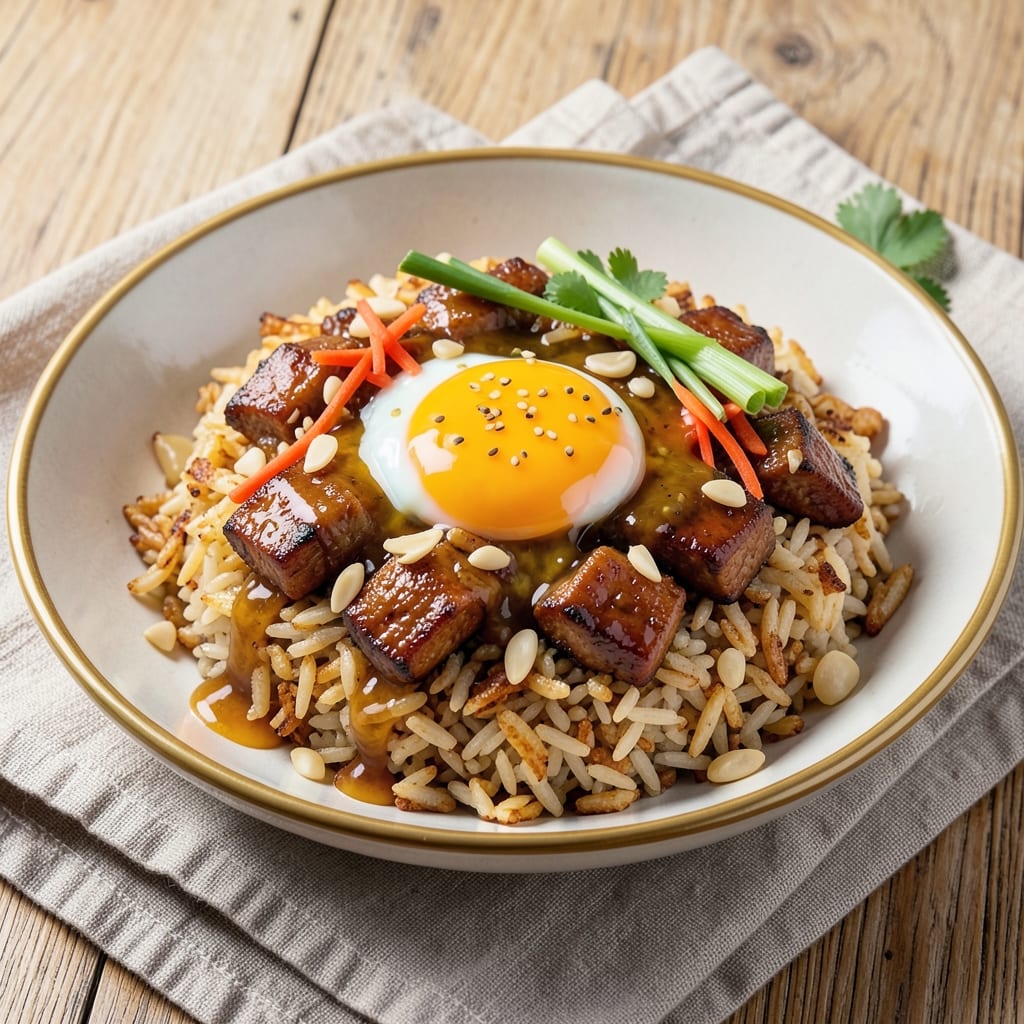
This Arirang fried rice recipe delivers the perfect balance of crispy rice, tender protein, and rich eggy flavor—just like the iconic Korean dish you crave. The secret lies in high-heat frying for that signature crunch while keeping the rice separate until the very end, ensuring each bite stays distinct yet harmonious. I’ve perfected this method over years of testing, and it’s become my go-to for both weeknight dinners and impressive gatherings.
The magic starts with day-old rice, which fries up crispier and absorbs flavors better than fresh. We’ll use a mix of protein—whether it’s marinated pork, shrimp, or tofu for a vegetarian twist—and wok-heated vegetables for that authentic texture. The egg, scrambled just right, binds everything together with its creamy richness, while a splash of soy sauce and sesame oil adds depth. This isn’t just fried rice; it’s a restaurant-quality dish you can recreate at home.
By the time you plate it, you’ll have a vibrant, flavorful bowl with layers of crispy rice, tender protein, and glossy egg. The aroma alone—smoky, savory, with a hint of garlic and sesame—will have everyone asking for seconds. It’s the kind of dish that feels special without requiring fancy ingredients or techniques. Let’s get started on making your own Arirang fried rice.
This recipe scales beautifully, so double the batch for leftovers or a crowd. The beauty of Arirang fried rice is its adaptability—swap in your favorite veggies or proteins, and it still delivers that unmistakable Korean crunch and eggy richness. Here’s how to nail it every time.
Ingredients for arirang fried rice
Day-old rice, crispy protein, and perfectly scrambled eggs—these are the stars of your Korean-style fried rice.
| Ingredient | Amount | Notes |
|---|---|---|
| Day-Old Cooked White Rice 🍚 | 4 cups | Cold and separated for crispiness |
| Large Eggs 🥚 | 3 whole | Freshly beaten for richness |
| Ground Pork 🐷 | ½ lb | Or substitute shrimp/tofu |
| Carrots 🥕 | 1 medium | Julienned into thin matchsticks |
| Onion 🧅 | 1 medium | Thinly sliced for sweetness |
| Garlic Cloves 🧄 | 4 cloves | Minced for aromatic punch |
| Green Onions 🌿 | ¼ cup | Sliced for fresh finish |
| Sesame Oil 🫒 | 2 tbsp | Toasted for nutty aroma |
| Soy Sauce 🍶 | 3 tbsp | Korean preferred for depth |
| Vegetable Oil 🫒 | ½ cup | High smoke point for frying |
| Salt 🧂 | ½ tsp | Adjust to taste |
| Black Pepper 🌶️ | ¼ tsp | Freshly ground preferred |
| Sesame Seeds 🌾 | 1 tbsp | Toasted for crunch |
The rice is non-negotiable—day-old works best, but if you're in a pinch, cook fresh rice and spread it on a tray to cool for 30 minutes. For the protein, ground pork is classic, but shrimp or firm tofu work beautifully too. I grab my pork from the Asian market section—it's leaner and more flavorful than regular ground meat. The carrots should be bright orange and firm, not rubbery. Thinly julienning them (about 1/8-inch strips) gives that authentic wok-heat texture. If you're short on time, pre-cut baby carrots work, but they won't look as pretty.
No sesame oil? Toasted peanut oil adds a similar nutty depth, though it's not quite the same. Short on green onions? Scallions or chives at the same amount work fine. For the soy sauce, Korean soy sauce (ganjang) gives the best flavor, but regular soy sauce in a pinch won't ruin it. The eggs are where the magic happens—scrambling them just until set but still slightly runny ensures that creamy texture that coats every grain of rice. Pro tip: Beat the eggs with a pinch of salt and pepper first—it makes all the difference. If you're making this vegetarian, swap the pork for extra-firm tofu pressed and cubed.
This dish reheats beautifully—just add a splash of water and stir-fry again. Keeps in the fridge for 3-4 days covered, or freeze portions for up to 3 months. I always make a double batch because it's that good. The leftovers taste even better the next day as the flavors meld. For extra crunch, toast the sesame seeds in a dry pan for 30 seconds before adding them to the rice. That little effort makes a big difference in the final presentation.
Why You'll Love This Recipe
- I’ll be real: this recipe costs me about $5 for a family of four. Carrots, onions, pork—stuff you already have. And leftovers? They reheat like a dream, so you’re not stuck deciding what to eat for dinner. Budget-friendly and foolproof? That’s my kind of cooking.
- No Chopping Chaos: I swear by this recipe because it’s literally three things chopped: onions, carrots, and—if you’re feeling fancy—a quick dice of pork. The rest? Just stir-fry in order, and you’re done. My kids think I’m a magic chef, but honestly? It’s just efficient.
- Porky Perfection: That crispy ground pork? Chef’s kiss. You brown it first so it’s got this deep, savory edge before it gets mixed into the rice, and the eggs? Soft centers every time. It’s the kind of dish where every bite feels like a little reward—no sad, rubbery bits here.
- Lunchbox Legend: Between us, this is my go-to for packed lunches. Make a big batch on Sunday, and you’ve got four days of easy meals. The rice stays firm, the pork doesn’t dry out, and my coworkers always ask for seconds. (Yes, even on a Tuesday night.)
Step-by-step instructions for Korean-style Arirang fried rice
Here's how to make this crispy, eggy masterpiece with perfect texture every time.
Prepare the Rice for Maximum Crispiness
Spread the 4 cups day-old cooked white rice on a baking sheet and let it sit at room temperature for 10 minutes. This dries the surface slightly, which is crucial for that satisfying crunch. I like to use my hands to break up any clumps—this ensures even cooking and prevents gummy spots in your fried rice.
While the rice dries, heat 0.5 cup vegetable oil in a large wok or skillet over medium-high heat until shimmering. Add the 0.5 lb ground pork and cook for 3-4 minutes, stirring constantly, until it loses its raw color and becomes lightly browned. Remove the pork with a slotted spoon and set aside on a paper towel-lined plate to drain excess fat. This step builds the flavor foundation for your dish.
Sauté the Aromatics and Vegetables
In the same wok, add 2 tbsp sesame oil and swirl to coat the pan. Add the 1 medium onion (thinly sliced) and 1 medium carrot (julienned) and stir-fry for 2-3 minutes until softened but still vibrant. Here's the thing—you want to cook them just enough to release their natural sweetness without turning mushy. Add the 4 cloves minced garlic and cook for another 30 seconds until fragrant.
Now add the 0.25 cup sliced green onions and toss for 1 minute to wilt slightly. This keeps their freshness while integrating them into the flavor base. If you notice the vegetables sticking, add a splash of water and scrape up any browned bits from the bottom of the pan—this adds depth to your sauce.
Scramble the Eggs Perfectly
Push all the vegetables to one side of the wok, creating space in the center. Pour in the 3 whole beaten eggs and let them sit undisturbed for 5-7 seconds until they begin to set. Then gently scramble with a spatula, folding the eggs as you go, until they reach soft curds—not fully cooked, but just set enough to hold together. This creates those beautiful, creamy egg pockets that make Arirang fried rice so special.
Once the eggs are mostly set, add the 3 tbsp soy sauce and mix everything together. The soy sauce should be distributed evenly, but don't worry if it looks a bit watery—it'll reduce as you cook. This is when you'll start to smell that classic umami aroma that defines Korean fried rice.
Combine Everything for Crispy Perfection
Add the 4 cups day-old rice to the wok and gently fold everything together, breaking up any remaining clumps. Cook for 3-4 minutes on high heat, stirring constantly, until the rice becomes golden in spots and you hear that satisfying sizzle. This is where the magic happens—the rice absorbs all those delicious flavors while developing that perfect crispy texture.
Season with 0.5 tsp salt and 0.25 tsp black pepper, then taste and adjust if needed. I usually add a tiny bit more soy sauce at this point to balance the flavors. The rice should be hot and slightly sticky, but not wet. If it feels too dry, add 1-2 tablespoons of water and toss well.
Finish with Toasted Sesame Seeds
Transfer the fried rice to a serving platter and let it rest for 1 minute. In a small dry skillet over medium heat, toast the 1 tbsp sesame seeds for 30-45 seconds until they turn golden brown and release their nutty aroma. Sprinkle them evenly over the fried rice just before serving.
Here's the moment you've been waiting for—serve immediately while the rice is still hot and crispy. The eggs should be creamy, the pork flavorful, and every bite should deliver that perfect balance of textures: crispy rice, tender pork, creamy eggs, and nutty sesame seeds. Garnish with extra sliced green onions if you like for freshness and color.
Pro Tips For Making Arirang Fried Rice
- CRACK THE EGGS FIRST: I learned this the hard way—if you wait until the pork’s fully cooked, your eggs turn into scrambled messes. Scramble them in a separate pan first (low heat, soft curds only), then toss them in at the very end. That way, they stay creamy and distinct, not rubbery from overmixing.
- PREP THE ONIONS GRANULAR: Skip the fine dice—this isn’t stir-fry. Cut onions into ¼-inch chunks so they soften but still hold shape. (Yes, even if it looks chunky.) Over-chopping makes them disappear into the rice, and you’ll miss that sweet, caramelized bite that balances the pork’s richness.
- USE COLD RICE, NOT WARM: Day-old rice is non-negotiable, but cold rice is better. If it’s straight from the fridge, spread it on a tray for 5 minutes first—just enough to dry the surface. Cold rice fries up fluffier, and the extra moisture from fridge temps turns it into glue.
- SEAR THE PORK IN BATCHES: Dumping all the ground pork at once steams it instead of browning. Split it into two piles, cook the first half until it loses its raw color, then push it to the edge before adding the second. That crispy, slightly charred edge? That’s what makes arirang fried rice taste like a restaurant dish.
Storing and reheating this dish
Fridge Storage Tips
Transfer your Arirang fried rice to an airtight container within 2 hours of cooking to preserve that crispy texture. I use glass Pyrex containers with snap-on lids—they distribute heat evenly when reheating. Store at 40°F or below for up to 4 days, but I find the flavors actually deepen after 1-2 days as the soy sauce and sesame oil meld. 🥗
Freezer-Friendly Tricks
For longer storage, portion fried rice into single-serving freezer bags (quart size works best) and flatten them to save space. Seal tightly to prevent freezer burn, and label with the date—it keeps 3 months without texture loss. When ready to eat, thaw overnight in the fridge for best results. The rice may lose some crispiness but still tastes amazing when reheated properly. ❄️
Stovetop Reheating
My favorite method is reheating in a nonstick wok over medium heat with 1 tablespoon water or sesame oil. Stir constantly for 3-4 minutes until heated through—this restores that satisfying sizzle and crispy exterior. If the rice feels dry, add another splash of water and cover for 30 seconds. The eggs should regain their creamy texture, and the pork will stay tender. 🔥
Microwave Revival
For quick meals, transfer a portion to a microwave-safe bowl, sprinkle with 1 teaspoon water, and cover with a damp paper towel. Heat on 70% power for 2 minutes, stir, then continue in 30-second bursts until 165°F internal temperature. The paper towel prevents drying, while the water helps restore moisture. This method works in a pinch, though stovetop gives better texture. ⏰
Crispy Texture Hacks
To revive crispiness after storage, spread reheated rice on a baking sheet and broil for 1-2 minutes at 350°F. Watch closely—it reheats fast! For extra crunch, add ½ teaspoon toasted sesame seeds before serving. The key is high heat and quick cooking to revive that wok-fried texture. This trick works wonders for leftovers! 💫
Portion Control
Arirang fried rice reheats best in small batches—large portions can turn soggy. I recommend reheating 1-2 servings at a time for optimal texture. If you made a big batch, freeze extras immediately and reheat separately. This ensures every bite stays crispy and delicious, just like fresh-off-the-wok. 🍚
Nutrition facts
Frequently asked questions
Why does my Korean fried rice turn out mushy instead of crispy?
Mushy rice usually happens when using fresh rice or not drying the surface properly. Always use day-old rice (or spread fresh rice on a tray for 30 minutes to dry), and cook it on high heat for 3-4 minutes until golden spots appear. Overcrowding the pan also steams the rice instead of frying it—keep portions manageable for even crispiness.
Can I make this recipe vegetarian or vegan?
Swap the pork for extra-firm tofu (pressed and cubed) or mushrooms like shiitake for umami depth. Use vegan soy sauce and aquafaba (chickpea brine) instead of eggs for a binder—mix 3 tbsp aquafaba with 1 tsp cornstarch and scramble like eggs. Garnish with sesame seeds for that classic finish.
What's the best way to reheat leftover Arirang fried rice?
Stovetop reheating works best: use medium heat in a nonstick wok with 1 tbsp sesame oil or water, stirring constantly for 3-4 minutes until hot. For crispiness, broil reheated portions for 1-2 minutes at 350°F after microwaving. Avoid reheating multiple times—it makes the rice soggy.
How do I adjust the spice level for kids or sensitive eaters?
Skip the black pepper and reduce soy sauce to 2 tbsp (it's already salty). Add 1 tsp sugar to balance flavors, and use mild sesame oil instead of toasted. For extra mildness, omit garlic or use ½ the amount. The dish remains flavorful while being gentle on sensitive palates.
Can I make Arirang fried rice with jasmine or basmati rice?
Jasmine rice works beautifully—its floral aroma pairs well with the dish. Basmati is lighter but may lack the stickiness that helps bind flavors. For either, use day-old rice and cook at high heat to achieve crispiness. Long-grain white rice is traditional, but these alternatives add interesting texture variations.