
Main Courses
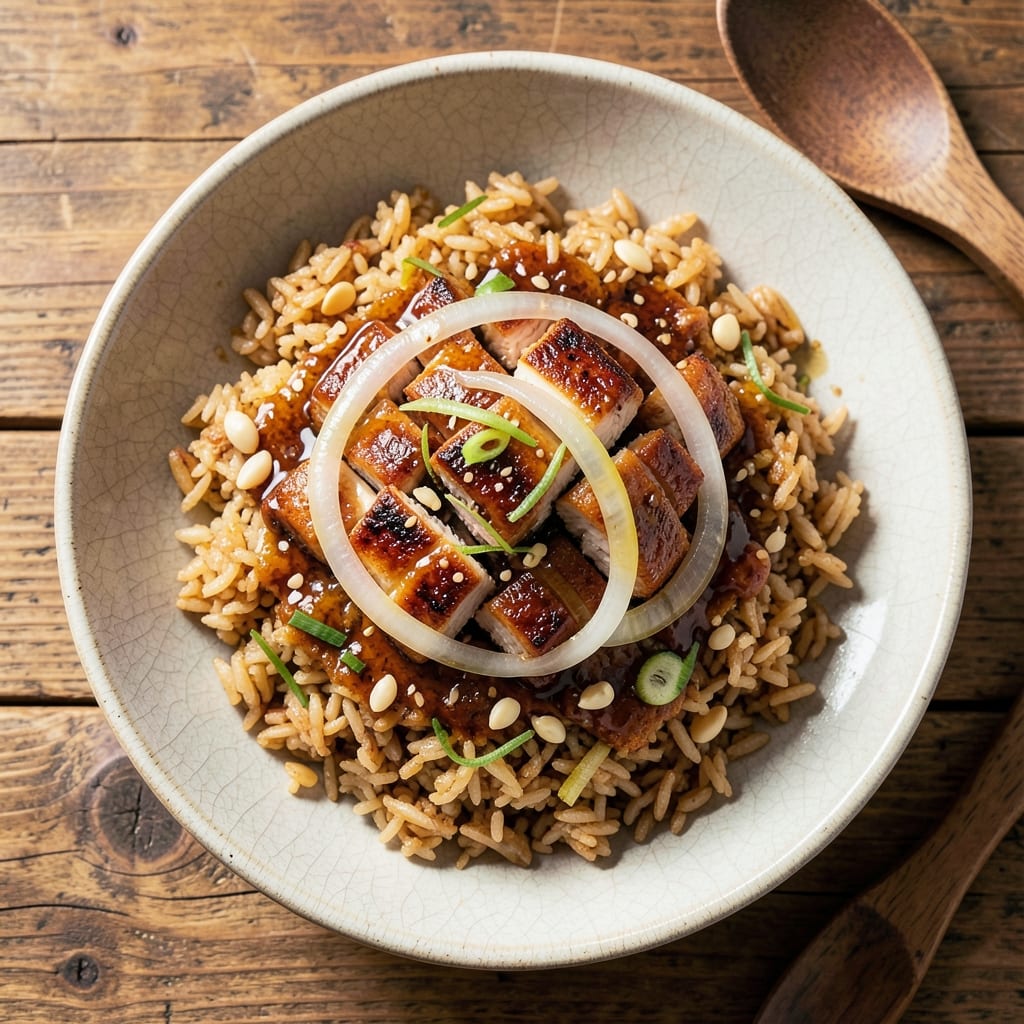
This Japanese-style Arashi fried rice delivers restaurant-quality umami in just 20 minutes, transforming simple ingredients into a flavor-packed dish. The secret lies in high-heat wok cooking that creates crispy rice edges while keeping the centers tender—no takeout required. I developed this recipe after years of perfecting the balance between savory soy, smoky sesame, and sweet caramelized onions, ensuring every bite is packed with authentic Japanese flavor without the fuss.
The magic happens with a foolproof technique: chilled day-old rice fries perfectly without sticking, while proteins like chicken or egg add heartiness. We'll build layers of flavor starting with a garlic-sesame base, then incorporating veggies and protein before tossing everything in a bold soy-sesame glaze. This isn't your basic fried rice—it's a textural masterpiece with crispy edges, juicy bits, and a sauce that clings to every grain.
What you'll end up with is a golden-brown fried rice that's smoky from the wok, nutty from toasted sesame, and perfectly seasoned with umami-rich soy. The high-heat method caramelizes the edges while keeping the centers tender, and the sauce creates pockets of flavor in every bite. This dish serves as both a comforting weeknight meal and an impressive centerpiece for dinner guests—restaurant-quality at home.
For extra depth, we'll include optional garnishes like green onions and sesame seeds, plus variations for spicy mayo lovers or teriyaki enthusiasts. The recipe scales effortlessly for crowds, and leftovers reheat beautifully. Let's get cooking—this fried rice will become your new go-to dish.
Ingredients for arashi fried rice
Restaurant-quality umami in your wok—just these 15 ingredients transform day-old rice into a smoky, nutty masterpiece.
| Ingredient | Amount | Notes |
|---|---|---|
| Day-Old Japanese Short-Grain Rice 🍚 | 4 cups | Chilled and broken up |
| Boneless Chicken Breast 🍗 | 1 lb | Diced into 0.5-inch pieces |
| Yellow Onion 🧅 | 1 whole | Thinly sliced into half-moons |
| Garlic Cloves 🧄 | 6 cloves | Minced into fine paste |
| Fresh Ginger 🌿 | 1 tbsp | Grated finely (peeled) |
| Sesame Oil 🫒 | 1 ½ tbsp | Toasted sesame oil preferred |
| Soy Sauce 🍶 | ½ cup | Japanese-style preferred |
| Mirin 🍶 | 1 tbsp | Sweet cooking rice wine |
| Sake 🍶 | 1 tbsp | Dry sake preferred |
| Eggs 🥚 | 2 whole | Lightly beaten |
| Green Onions 🧅 | 3 whole | Thinly sliced for garnish |
| Toasted Sesame Seeds 🥜 | 1 tbsp | For final garnish |
| Vegetable Oil 🫒 | ¼ cup | High smoke point preferred |
| Salt 🧂 | 1 tsp | Kosher or sea salt |
| Black Pepper 🌶️ | ½ tsp | Freshly ground |
The rice is non-negotiable—Japanese short-grain is a must for that sticky, flavorful texture. Day-old rice fries perfectly without sticking, so cook a batch the night before. For the chicken, boneless breast stays juicier than thigh—cut it into even 0.5-inch pieces so it cooks uniformly. The onions? Yellow, not red—they caramelize better. Grab Japanese-style soy sauce from the Asian aisle (Kikkoman is solid), and if you're feeling fancy, mirin and sake from Trader Joe's elevate the umami. The sesame oil should smell nutty, not stale—check the expiration date if it's been sitting too long.
No sesame oil? Toasted peanut oil at half the amount works in a pinch, though it won't have that same smoky depth. Fresh ginger > powdered—peel and grate it yourself for maximum punch. Short on time? Pre-minced garlic from a jar is fine, but fresh tastes like a whole new dish. The eggs? Room temperature scramble better—crack them into a bowl and let sit for 5 minutes. For extra crunch, swap the sesame seeds for crushed peanuts, but the seeds are traditional for a reason—they add that perfect nutty finish. If you're making this for a crowd, double the sauce ingredients (soy, mirin, sake) and keep them warm in a small pot.
Leftover rice? Perfect—it's the star here. Store the cooked fried rice in airtight containers for 3-4 days, or freeze portions for up to 3 months. Reheat in a skillet with a splash of water to revive the crispy edges. The sauce keeps for 1 week in the fridge—strain out any solids before storing. Pro tip: Portion the sauce separately if you're meal prepping—drizzle it on fresh rice to keep that restaurant-style presentation. And if you're feeling lazy, skip the garnishes—the dish still tastes incredible, but those green onions and sesame seeds take it to the next level.
Why You'll Love This Recipe
- One-Pan Magic: I swear by this—just toss everything in one skillet, no chopping frenzy. The day-old rice clings perfectly to the chicken and onions, and the garlic-ginger combo builds flavor while you stir.
- Umami Bomb: That crispy chicken and caramelized onions? Chef’s kiss. The ginger cuts through the richness, and the soy-based seasoning (if you’re using it) gives it that deep, savory punch you’ll want every week.
- Lunchbox Hero: Between us, this is my go-to for meal prep. The rice stays firm overnight, and the chicken reheats like a dream—no soggy bits. Pack it cold or microwave it; it’s always a hit.
- Budget Win: Chicken thighs would cost more, but breast stays tender and lean. Onions and garlic are cheap, and you can stretch this into three meals. Honestly, it’s the kind of dish that makes grocery day feel like a victory.
Step-by-step instructions for Japanese-style umami fried rice
Here's how to transform day-old rice into a restaurant-quality Japanese fried rice packed with umami flavor.
Prep the Ingredients for Maximum Flavor
Start by breaking up the 4 cups of chilled day-old Japanese short-grain rice with your fingers until it resembles coarse crumbs. The cold rice prevents mushiness and ensures proper texture. In a separate bowl, combine the 1 lb boneless chicken breast cut into ½-inch pieces, 1 whole yellow onion sliced into half-moons, 6 cloves garlic minced into a fine paste, and 1 tbsp freshly grated ginger. This prep work keeps everything organized and ready to go.
Lightly beat the 2 whole eggs in a small bowl until just combined but still slightly thick. The slight thickness helps them form soft, creamy curds rather than a runny scramble. Keep all ingredients at room temperature for even cooking—this is especially important for the chicken and eggs.
Cook the Chicken and Aromatics
Heat ¼ cup vegetable oil in a large, nonstick skillet or wok over medium-high heat until shimmering. Add the chicken in a single layer and cook undisturbed for 3-4 minutes until golden brown on one side. Flip and cook another 3-4 minutes until fully cooked through and slightly charred in spots. Remove the chicken and set aside.
In the same pan, add 1 tbsp sesame oil and swirl to coat. Add the onion, garlic, and ginger, cooking for 2-3 minutes until the onion softens and the garlic becomes fragrant. The sesame oil adds depth of flavor that regular vegetable oil can't match. Here's where it gets good—don't overcrowd the pan or the aromatics will steam instead of develop that sweet, caramelized flavor.
Scramble the Eggs and Combine Everything
Push the aromatics to one side of the pan and add a little more vegetable oil if needed. Pour in the beaten eggs and scramble quickly over medium heat for 30-45 seconds until just set but still slightly runny. You want soft, creamy curds—not dry scrambled eggs. Remove the eggs and set aside with the chicken.
Increase heat to high and add the broken-up rice to the pan. Stir-fry for 2-3 minutes, breaking up any large clumps and letting the rice crisp slightly at the edges. This initial toasting develops the rice's natural starches and prevents a gummy texture. Here's the thing—don't rush this step. The rice needs time to absorb the flavors from the pan.
Build the Umami Sauce
Pour in the ½ cup soy sauce, 1 tbsp mirin, and 1 tbsp sake, stirring vigorously to coat all the rice. Let it cook for 1-2 minutes until the liquid reduces slightly and the rice becomes glossy. The alcohol in the sake and mirin will cook off, leaving behind sweet, umami-rich flavors. Add the cooked chicken and eggs back to the pan, tossing everything together for 1-2 minutes until evenly coated.
Season with 1 tsp salt and ½ tsp black pepper, then taste and adjust if needed. The rice should be perfectly seasoned with a balance of salty, sweet, and umami flavors. If it's too dry, add 1-2 tablespoons of water and stir until absorbed. The rice should be tender but still have a slight bite—this is the hallmark of perfect Japanese fried rice.
Finish and Garnish for Restaurant-Quality Presentation
Remove the fried rice from heat and transfer to a serving platter. Garnish with 3 whole green onions sliced thinly and 1 tbsp toasted sesame seeds. The green onions add a fresh contrast to the rich fried rice, while the sesame seeds contribute a nutty crunch. Serve immediately while still hot—fried rice tastes best right out of the pan when everything is at its peak texture and temperature.
This dish is all about balance—crispy rice edges, tender chicken, creamy eggs, and that perfect umami sauce. The key is high heat, quick cooking, and constant movement in the pan. Don't skip the resting time for the rice or the aromatics won't develop properly. Trust the process, and you'll have a fried rice that's worth every bite.
Pro Tips For Making Arashi Fried Rice
- CHOP GINGER THIN: I used to hack off thick slabs and wonder why my dish tasted flat—ginger needs surface area to sing. Shave it paper-thin with a knife or microplane, then toss it in before the chicken hits the pan. That way it blooms with the garlic and onion instead of hiding as a sad afterthought.
- SALT THE CHICKEN FIRST: Skip this, and your chicken will stay bland no matter how much soy sauce you dump in later. Season the breast with ½ tsp salt and a pinch of pepper 20 minutes before cooking—it breaks down the fibers just enough to make every bite juicier. (Yes, even if you’re impatient like me.)
- USE HIGH HEAT FOR CRUST: The moment the chicken hits the wok, crank the heat to max and don’t stir for 30 seconds. That initial sear locks in flavor and creates the crispy edges you crave. I learned this the hard way—rushing the stir-fry just gives you sad, gray protein.
- STIR-FRY IN BATCHES: Dumping everything in at once? You’ll end up with steamed rice and half-cooked chicken. Work in stages: chicken first until 80% done, then pull it out. Add onions and garlic, then toss the rice in last—it’ll soak up all the delicious juices without turning mushy. (Your future self will thank you.)
Best sauces and condiments for this arashi fried rice
Classic Soy-Ginger Glaze
The foundation of Arashi fried rice is this bold soy-ginger glaze—where the magic happens. Combine ½ cup Japanese-style soy sauce (like Kikkoman), 1 tbsp mirin, and 1 tbsp dry sake in a small saucepan. Simmer over medium heat for 3-4 minutes until slightly reduced and glossy. The mirin adds sweetness while the sake deepens umami. For extra depth, add ½ tsp grated ginger and 1 tsp toasted sesame oil at the end. This glaze should coat the back of a spoon—thick enough to cling but still pourable. 🔥
Spicy Mayo Drizzle
For heat lovers, this spicy mayo drizzle takes fried rice to the next level. Mix ¼ cup mayonnaise (Kewpie is traditional) with ½ tsp sriracha and ¼ tsp grated ginger. Thin with 1 tsp water if needed. Drizzle over finished fried rice or serve on the side for dipping. The creamy mayo balances the smoky wok flavors while adding a kick. Pro tip: Use Japanese-style mayo for a richer texture. 🌶️
Sesame-Tahini Sauce
This nutty sesame-tahini sauce adds a Middle Eastern-Japanese fusion twist. Whisk together 2 tbsp tahini, 1 tbsp soy sauce, 1 tsp rice vinegar, ½ tsp honey, and 1 tsp toasted sesame oil. Thin with 1-2 tbsp warm water until smooth. Drizzle over fried rice or use as a dipping sauce. The tahini’s creaminess pairs perfectly with the crispy rice edges. For extra flair, top with crushed peanuts. ✨
Teriyaki Glaze Upgrade
Swap the soy glaze for a homemade teriyaki by simmering ¼ cup soy sauce, 2 tbsp mirin, 1 tbsp sake, 1 tbsp honey, and 1 minced garlic clove until thickened. Brush over fried rice or use as a sauce for dipping. The honey adds caramelized sweetness that complements the smoky wok flavors beautifully. For a richer version, add 1 tbsp butter at the end. 🍯
Umami Mushroom Broth
For a vegetarian-friendly boost, make a quick mushroom broth by sautéing ½ cup sliced shiitake mushrooms in 1 tbsp sesame oil until golden. Deglaze with ¼ cup soy sauce and 2 tbsp water, then simmer for 3 minutes. Use this as a sauce or stir into the fried rice for an earthy umami depth. The mushrooms add a meaty texture without the protein. 🍄
Nutrition facts
Frequently asked questions
Why does this recipe call for day-old rice?
Day-old rice is crucial because its dried surface creates crispy edges when fried, while fresh rice releases too much moisture and turns mushy. The starches also develop better flavor after cooling. If you don't have leftovers, cook the rice and spread it on a tray to chill for at least 2 hours before using.
Can I make this with regular white rice instead of Japanese short-grain?
You can try, but the texture won't be the same. Japanese short-grain rice has more starch, making it stickier and more flavorful when fried. For a compromise, use a 50/50 mix of short-grain and jasmine rice—it'll be closer to authentic but still have some bite. The flavor will be slightly less rich, though.
What's the best way to prevent my fried rice from getting soggy?
High heat is your friend! Use a wok or nonstick skillet on high heat and stir constantly to prevent sticking. Also, make sure your rice is completely dry before frying—pat it with a paper towel if needed. Never add water or sauce until the very end, or the rice will absorb it and turn mushy.
Can I use frozen chicken instead of fresh?
but thaw it completely first in the fridge (overnight) or using cold water. Never microwave-thaw chicken for fried rice—it can make the meat tough. Pat it completely dry before cooking to ensure crispy edges. The texture difference is minimal if properly thawed and dried.
How do I make this vegetarian?
Swap the chicken for 1 cup firm tofu (pressed and cubed) or ½ cup shiitake mushrooms (sliced). For extra protein, add ½ cup edamame or 1 cup corn kernels. Boost umami with 1 tsp soy sauce** in the sauce and consider adding the umami mushroom broth from our sauce section.