
Main Courses
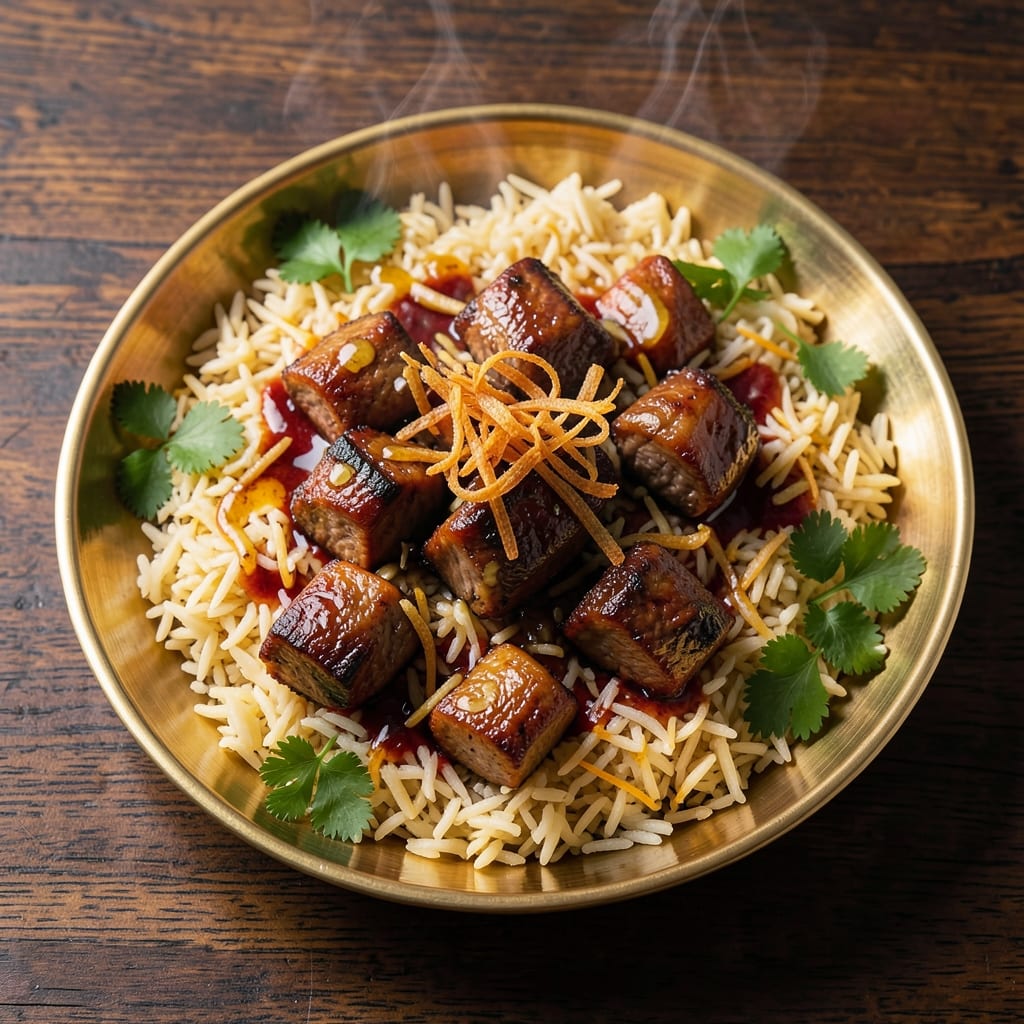
This Arabic mandi rice recipe brings the rich, aromatic essence of Middle Eastern cuisine to your kitchen with saffron-infused lamb and layers of warm spices. The dish transforms simple basmati rice into a luxurious, flavor-packed centerpiece that's perfect for special occasions or family gatherings. What sets mandi rice apart is its unique cooking method—rice and meat are layered in a pot, then slow-cooked to perfection with fragrant spices and golden ghee.
The heart of this recipe lies in its balance of textures and flavors: tender lamb infused with cardamom and cinnamon, fragrant saffron rice, and a rich, spice-infused broth that keeps everything moist. Unlike traditional rice dishes, mandi rice is cooked in a single pot, allowing the flavors to meld together over time. The result is a dish that's both comforting and impressive, with every bite offering a symphony of aromatic spices and tender meat.
What makes this recipe truly special is its versatility—it works beautifully for celebrations or weeknight dinners, and the leftovers only taste better the next day. The slow-cooking process ensures the rice absorbs all the flavors, while the lamb remains juicy and infused with warm spices. Garnished with fresh herbs and a sprinkle of saffron, this dish is a celebration of Middle Eastern hospitality in every bite.
Ready to elevate your cooking? This mandi rice recipe delivers restaurant-quality results with a method that's surprisingly accessible. Whether you're serving a crowd or treating yourself to a special meal, this dish promises to impress with its depth of flavor and cultural authenticity. Let's get started on creating your own fragrant, spice-layered feast.
Ingredients for arabic mandi rice
Six aromatic spices, tender lamb, and golden basmati transform into a fragrant Middle Eastern masterpiece.
| Ingredient | Amount | Notes |
|---|---|---|
| Lamb Leg, Bone-In 🥩 | 3 lb | Cut into 1.5-inch cubes |
| Basmati Rice 🌾 | 2 cups | Uncooked, long-grain preferred |
| Saffron Threads 🌼 | ¼ tsp | High-quality, soaked in 2 tbsp warm water |
| Ghee 🧈 | ½ cup | Clarified butter for rich flavor |
| Ground Cumin 🌿 | 1 tbsp | Toasted for deeper aroma |
| Ground Coriander 🌿 | 1 tbsp | Freshly ground preferred |
| Ground Cardamom 🌿 | 1 tsp | Green cardamom pods preferred |
| Ground Cinnamon 🌿 | ½ tsp | Ceylon cinnamon for subtle flavor |
| Turmeric Powder 🌶️ | ½ tsp | Bright yellow, vibrant color |
| Black Peppercorns 🌶️ | ½ tsp | Freshly cracked for bold flavor |
| Fresh Rosemary 🌿 | ¼ cup | Chopped, aromatic sprigs |
| Fresh Parsley 🌿 | ¼ cup | Chopped, for garnish |
| Lemon Juice 🍋 | 2 tbsp | Freshly squeezed, bright flavor |
| Kosher Salt 🧂 | 1 ½ tsp | Adjust to taste |
| Water 💧 | 4 cups | For rice and broth |
The lamb is the foundation—look for well-marbled cuts at your local butcher or Middle Eastern market. Costco or Whole Foods carry excellent bone-in lamb legs, perfect for this dish. For the spices, Penzeys or bulk bins at specialty stores ensure maximum potency. Cardamom and cinnamon should smell vibrant—if they're stale, toast them briefly in a dry pan before grinding. Saffron is non-negotiable here; Iranian or Spanish saffron offers the best flavor. The ghee adds richness—use only high-quality, pure clarified butter to avoid dairy flavors.
No saffron? Turmeric at double the amount gives color, though lacks saffron's floral notes. Running short on cardamom? Allspice at half the quantity works in a pinch, but the flavor profile shifts slightly. Fresh herbs can be swapped—dried rosemary at one-third the amount maintains the aroma. For the rice, jasmine rice works too** if basmati is unavailable, though basmati's distinct aroma is preferred. The lamb cubes should be even-sized for consistent cooking—trim excess fat but leave some for flavor. If using pre-ground spices, check the expiration date; spices older than 6 months lose potency**.
This dish tastes even better the next day as flavors meld. Store in an airtight container in the fridge for up to 4 days or freeze for 3 months. To reheat, add a splash of water and cover tightly. For presentation, garnish with extra herbs and a sprinkle of saffron threads. The lamb will stay juicy if not overcooked—use a meat thermometer** to check at 145°F internal temperature. Leftovers reheat beautifully with a quick steam in a pot with a damp towel covering the lid.
Why You'll Love This Recipe
- One-Pot Magic: I swear by this recipe when I’m too tired to wash a million dishes. The lamb bones simmer right in the pot with the rice—no separate pots, no extra cleanup. Just rich broth, tender meat, and fragrant grains all in one.
- Saffron Luxury: That first pinch of saffron threads? It turns this from a weeknight meal to something that feels special. Honestly, it’s the little things—like the way the rice absorbs the golden color and the earthy warmth of cumin—that make it taste like a restaurant dish.
- Weeknight Feast: Between us, this is my go-to for when friends drop by unannounced. The lamb stays juicy, the rice is fluffy, and the leftovers reheat like a dream. (Yes, even on a Tuesday night.)
- Budget-Friendly Luxe: Bone-in lamb might sound fancy, but it’s actually cheaper than pre-cut meat—and those bones? They infuse the rice with flavor for days. I’ve had this stretch into three meals without a hint of boredom.
Step-by-step instructions for saffron-infused lamb and spice-layered rice
Master this traditional Arabic technique for perfectly layered rice and tender lamb.
Prepare the Lamb and Spice Marinade
Cut the 3 lb lamb leg, bone-in into 1.5-inch cubes and place them in a large bowl. In a small bowl, combine 1 tbsp ground cumin, 1 tbsp ground coriander, 1 tsp ground cardamom, 0.5 tsp ground cinnamon, 0.5 tsp turmeric powder, 0.5 tsp freshly cracked black peppercorns, and 1.5 tsp kosher salt. Rub this spice mixture evenly over the lamb cubes, pressing it into the meat so it adheres well.
Next, soak the 0.25 tsp saffron threads in 2 tbsp warm water for 10 minutes to release their vibrant color and aroma. Add this saffron infusion to the lamb along with the 0.25 cup chopped fresh rosemary and 2 tbsp freshly squeezed lemon juice. Mix gently to coat all surfaces. Cover and refrigerate for at least 4 hours, or preferably overnight, to allow the flavors to deeply penetrate the meat.
Layer the Rice and Cook the Lamb
Preheat your oven to 350°F. In a large, heavy-bottomed pot with a tight-fitting lid (traditionally a mandi pot), melt 0.5 cup ghee over medium heat. Add the marinated lamb cubes and cook for 5 minutes, stirring occasionally, until they develop a light golden crust. Remove the lamb and set it aside.
In the same pot, add 2 cups basmati rice and toast it for 2 minutes, stirring constantly, until the rice becomes translucent at the edges and releases a nutty aroma. Pour in 4 cups water and stir once to distribute the rice evenly. Then, arrange the lamb cubes in a single layer on top of the rice, pressing down gently to ensure even contact with the liquid. The lamb should be completely submerged in the water.
Layer and Steam the Mandi
Place the lid on the pot and bring the contents to a gentle boil over medium heat. Once boiling, immediately reduce the heat to low and let it simmer for 15 minutes. After 15 minutes, carefully remove the lid and gently stir the rice with a wooden spoon, being careful not to break up the lamb pieces. This step ensures the rice cooks evenly and absorbs the lamb's rich flavors.
Replace the lid and continue cooking for another 45 minutes on low heat. The rice should be tender and the lamb fork-tender with a deep pink center. If the water level drops below halfway up the rice, add hot water as needed to maintain the proper moisture level. Real talk: don't skip this step—proper water management is key to perfect mandi rice.
Rest and Garnish
Once the rice is fully cooked and the lamb is tender, remove the pot from heat and let it rest, covered, for 10 minutes. This resting period allows the rice to absorb any remaining juices and the lamb to retain its moisture. Here's the thing—this resting time is crucial for achieving that signature mandi rice texture where each grain is distinct yet perfectly infused with flavor.
After resting, fluff the rice gently with a fork and arrange it on a serving platter. Garnish with the 0.25 cup chopped fresh parsley for a pop of color and freshness. Serve the lamb and rice together, allowing guests to mix the layers as they prefer. The result should be fragrant, flavorful rice with tender, aromatic lamb that falls apart at the touch.
Pro Tips For Making Arabic Mandi Rice
- SEAR THE LAMB HARD: After browning the lamb leg, don’t rush the searing—push that pan to its limit until the meat develops a deep, caramelized crust. I used to think "medium brown" was enough, but the difference in flavor when that crust hits? Worth the extra 5 minutes of standing over the pan.
- SOAK SAFFRON IN HOT WATER: Skip the cold water trick—steep your saffron threads in a small cup of hot water for 10 minutes before adding it to the rice. Cold water just makes it clump like sad little threads, and you’ll end up with speckled rice instead of a golden, fragrant infusion.
- DON’T SKIP THE GHEE LAYER: After parboiling the rice, spread a thin, even layer of ghee over the top before sealing the pot. Yes, it’s messy, but this is what creates that signature crispy bottom (the qaliya) without burning the rice underneath. A drizzle is enough—no need to drown it.
- REST THE LAMB BEFORE SLICING: Let the lamb leg rest for at least 20 minutes under foil after cooking, even if you’re eager to serve. I learned this after slicing into a still-hot joint and watching the juices pool instead of staying in the meat. Patience here means tender, juicy slices that don’t fall apart.
Wine and beer pairings for this dish
Middle Eastern Reds
For this rich, spice-forward dish, I recommend a Syrian or Lebanese red wine like Borkhmoni or Château Musar. These wines have bold fruit flavors and subtle spice notes that complement the cardamom, cinnamon, and saffron beautifully. The acidity cuts through the richness of the ghee and lamb, cleansing your palate between bites. 🍷
Crisp Whites for Balance
Aromatic white wines work wonderfully too. Try a Viognier from California or a Gewürztraminer from Alsace—both have floral and citrus notes that mirror the saffron and lemon in the dish. The crisp acidity balances the lamb's richness while enhancing the dish's aromatic complexity. I love pairing this with a chilled bottle of Domaine Zind-Humbrecht Gewürztraminer.
Beer Pairings
For beer lovers, a Belgian witbier like Hoegaarden or Stella Artois offers a refreshing contrast. The citrusy coriander and orange peel notes complement the rosemary and lemon in the recipe. Alternatively, a German Hefeweizen like Weihenstephaner adds a malty sweetness that pairs surprisingly well with the lamb's spiced richness. 🍺
Non-Alcoholic Options
Don't drink alcohol? No problem. A sparkling pomegranate juice from Pom Wonderful adds a festive touch with its tart-sweet profile. For something more traditional, try Arabic mint tea—the cool mint and refreshing notes cut through the dish's richness while staying true to Middle Eastern flavors. Serve it chilled for an extra refreshing contrast.
Garnish with Garnishes
Before serving, garnish your mandi rice with a sprinkle of toasted pine nuts or crushed pistachios for added texture. The nutty crunch contrasts the tender lamb and rice beautifully. A drizzle of pomegranate molasses adds a tangy-sweet element that elevates the dish to restaurant-quality. Trust me, this simple garnish makes all the difference. ✨
Nutrition facts
Frequently asked questions
Can I make Arabic mandi rice without lamb?
For a vegetarian version, replace the lamb with chickpeas or mushrooms (like portobello or shiitake). Use the same marinade spices, but reduce cooking time to 30 minutes after the initial simmer. The rice will still absorb all the aromatic flavors beautifully.
What makes mandi rice different from pilaf?
Mandi rice is cooked in a layered pot with meat (or veggies) submerged in broth, creating a steamed effect. Pilaf is typically stir-fried with spices before adding liquid. The key difference is mandi's slow-cooked, broth-infused method that keeps everything juicy and flavorful.
Why does my mandi rice turn out mushy?
Overcooking or too much water are the usual culprits. Use the 1:2 rice-to-water ratio (2 cups water for 1 cup rice) and stir only once after 15 minutes. If using a heavy pot, reduce heat to low to prevent boiling over.
Can I prepare this dish in a rice cooker?
Yes, but with adjustments. Layer the rice and lamb in the cooker, then add water and cook on white rice setting. After 15 minutes, stir gently and continue cooking. The texture may be slightly different, but the flavors will still be delicious.
What's the best way to reheat mandi rice?
Add 2-3 tablespoons of water per cup of rice, cover tightly, and heat on low for 5-10 minutes. Avoid microwaving—it dries out the lamb. For extra flavor, sprinkle with a pinch of saffron or ghee before reheating.