
Main Courses
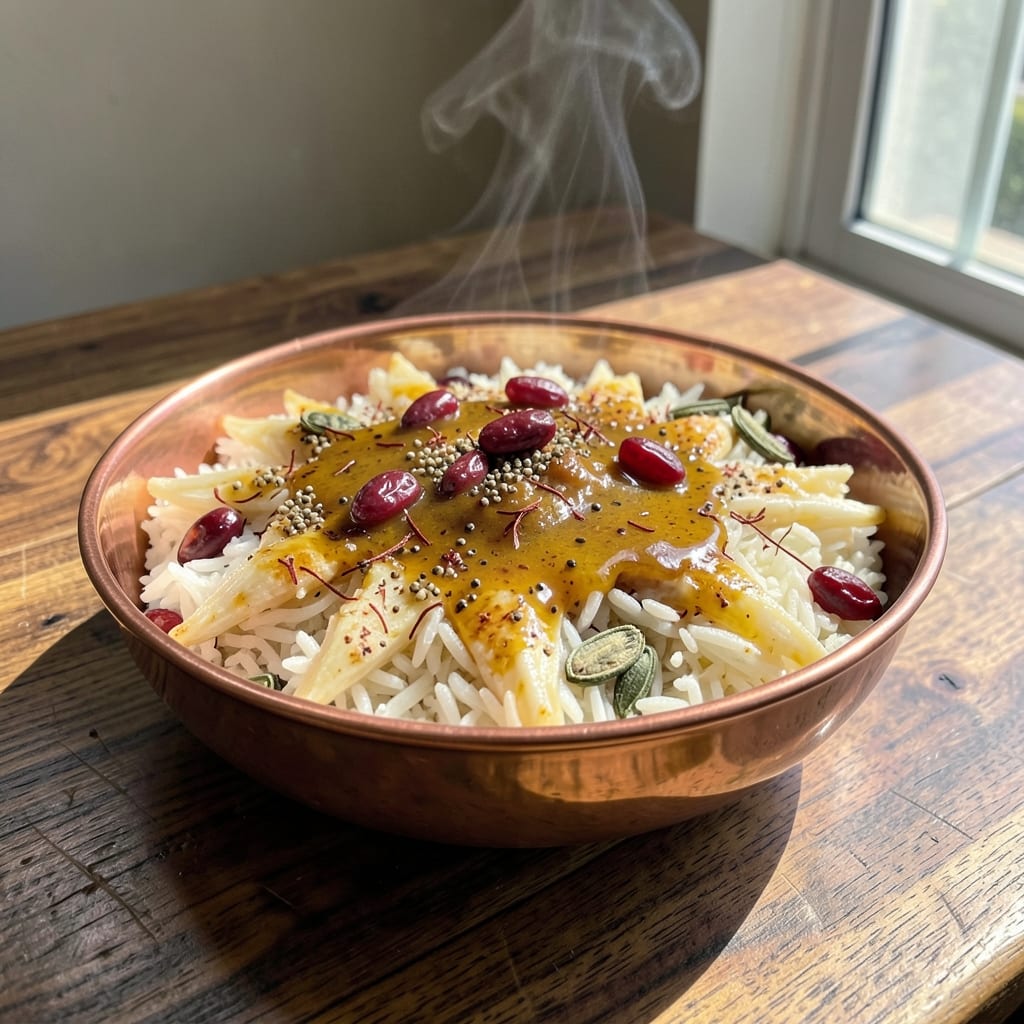
This Arabic basmati rice recipe transforms simple grains into a fragrant, golden masterpiece—where toasted spices and saffron-infused broth create layers of flavor that elevate any meal. The secret lies in slow-toasting whole spices until they release their aromatic oils, then simmering the rice in rich broth until each kernel achieves that signature firm yet tender texture. This isn’t just side dish; it’s the centerpiece of Middle Eastern feasts, served alongside grilled lamb, spiced stews, or enjoyed as a standalone celebration.
The process begins with rinsing the rice until the water runs clear—a critical step that removes excess starch for separate grains. Then, the spices (cumin, cardamom, and cinnamon) are toasted in oil until fragrant, forming the flavor base. Saffron, steeped in warm water, adds its signature golden hue and floral notes, while barberries lend a tart, crunchy contrast that brightens every bite. The result? A dish that’s both comforting and sophisticated, with each mouthful revealing depth and complexity.
What makes this recipe truly special is its versatility—adapt it with tomato-based broth for a tangy twist or keep it classic with chicken stock. The rice develops a fragrant crust at the bottom of the pot, while the top remains fluffy and distinct. Serve it family-style in a large bowl, letting everyone scoop their portion, or plate it elegantly alongside roasted vegetables and grilled meats for a restaurant-worthy spread.
Perfect for weeknight dinners or special occasions, this Arabic basmati rice brings the warmth of tradition to your table. The aroma alone will have everyone gathering around the pot, eager for the first taste. Let’s get started—your kitchen is about to smell like a bustling souk.
Ingredients for arabic basmati rice
Toasted spices, saffron-infused broth, and tart barberries transform simple rice into a fragrant Middle Eastern masterpiece.
| Ingredient | Amount | Notes |
|---|---|---|
| Long-Grain Basmati Rice 🌾 | 1 ½ cups | Uncooked, premium quality preferred |
| Chicken Stock 🍲 | 3 cups | Homemade or high-quality store-bought |
| Saffron Threads 🌼 | ¼ tsp | High-grade, Iranian preferred |
| Barberries 🍇 | ¼ cup | Fresh or dried, tart flavor |
| Ground Cumin 🌿 | ½ tsp | Freshly toasted for depth |
| Cardamom Pods 🌿 | 4 whole | Green pods, lightly crushed |
| Cinnamon Sticks 🌿 | 2 whole | Lightly toasted for aroma |
| Extra-Virgin Olive Oil 🫒 | 2 tbsp | For toasting spices |
| Diamond Crystal Kosher Salt 🧂 | 1 ½ tsp | Adjust to taste |
| Fresh Lemon Juice 🍋 | 1 tbsp | Brightens final flavor |
| Fresh Parsley 🌿 | ⅛ cup | Chopped, for garnish |
The spices are the soul of this dish—toast them whole in olive oil until fragrant, then crush lightly to release their aromatic oils. Penzeys Spices or bulk bins at specialty markets offer the freshest cumin and cardamom, but avoid pre-ground spices that lose potency quickly. Saffron is non-negotiable for authentic flavor; Iranian saffron delivers the most vibrant color and floral notes. Barberries should be tart and slightly chewy—Middle Eastern markets carry them fresh or dried, or sub with dried cranberries in a pinch (though flavor differs). The rice itself demands quality—Basmati from Pakistan or India achieves that signature separation when cooked.
No saffron? Turmeric at half the amount mimics the golden hue, though lacks floral depth. Barberries unavailable? Dried cranberries or chopped dried apricots add tartness, though texture differs. The chicken stock can be swapped for vegetable broth for vegetarian versions, but chicken stock enhances the dish's traditional richness. Fresh herbs are ideal, but dried parsley at one-third the amount works in a bind. For extra depth, toast the spices until they smell intoxicating—this is where the magic happens. The lemon juice should be freshly squeezed; bottled lacks brightness and acidity.
This rice develops its signature crust at the bottom of the pot—don't stir it, as that disrupts the texture. Store leftovers in an airtight container for 4-5 days, though flavor peaks on day two. The barberries and parsley can be prepped ahead and refrigerated separately. For a restaurant-worthy presentation, serve in a large bowl with the crusty bottom exposed, allowing diners to scrape up the fragrant bits. Freezes beautifully for up to 3 months—thaw gently in the fridge before reheating.
Why You'll Love This Recipe
- No Soaking Required: I’ve burned more rice than I’ll admit trying to get it just right—this recipe skips the fuss. Just rinse the basmati, layer it with stock, and let the saffron work its magic while you chop veggies. Twenty minutes later, fluffy, fragrant grains that don’t stick together like glue.
- Saffron Magic: Between us, saffron’s expensive—but one tiny thread steeping in warm stock transforms this rice into something ridiculously good. That golden hue? A dead giveaway it’s not your average side dish. Honestly, I’ll take a tiny pinch over artificial colors any day.
- Weeknight to Celebration: Same rice, endless uses. Serve it plain with grilled chicken for a Tuesday dinner, or pile it high with lamb and barberries for a weekend feast. The cumin and berries add a bright, tangy kick that makes it feel special without extra effort.
- Budget-Friendly Luxury: You’d pay $20 for restaurant-style basmati—here, you get it for a fraction. The chicken stock stretches easily, saffron goes a long way, and a handful of dried barberries lasts for months. Leftovers? Even better reheated the next day, with that cumin aroma waking up the kitchen.
Step-by-step instructions for Arabic basmati rice
This method transforms simple basmati rice into aromatic, jewel-toned perfection with saffron and barberry crunch.
Toast the Spices in Olive Oil
Heat the 2 tablespoons extra-virgin olive oil in a heavy-bottomed saucepan over medium-low heat. Add the 2 whole cinnamon sticks and 4 whole cardamom pods, gently stirring for 1 minute until the oil shimmers and the spices release their aroma. You'll notice the kitchen fill with warm, earthy fragrance—this is where the magic begins.
Next, add the 0.5 teaspoon ground cumin and toast for another 30 seconds, stirring constantly. The cumin should darken slightly and release its nutty scent. Remove the pan from heat immediately to prevent burning—over-toasted spices become bitter. This step develops the aromatic base that will infuse the entire dish.
Bloom the Saffron and Layer the Rice
Return the pan to medium heat and add the 3 cups chicken stock. Bring to a gentle simmer, then remove from heat and stir in the 0.25 teaspoon saffron threads. Let steep for 5 minutes—this ensures maximum color extraction. The liquid should develop a delicate golden hue, like liquid sunshine.
Rinse the 1.5 cups long-grain basmati rice under cold water until the water runs clear, then add it to the simmering stock. Stir gently once to distribute the rice evenly. The rice should be completely submerged—if not, add a splash of hot water. Place the pan over low heat and bring to a bare simmer, then reduce to the gentlest possible heat.
Cook the Rice to Al Dente Perfection
Cover the pan tightly with a lid and cook for 12 minutes without disturbing. The rice will absorb the liquid gradually—this slow cooking ensures each grain remains distinct and fluffy. After 12 minutes, check the rice: it should be tender but still have a slight bite in the center. If using dried barberries, fold them into the rice now along with the 1.5 teaspoons kosher salt.
If the rice isn't quite tender, continue cooking for another 2-3 minutes. The key is to remove it just before it's fully done—it will finish steaming off the heat. Real talk: basmati rice cooks faster than most varieties, so don't walk away during this critical phase.
Finish with Lemon and Rest
Once the rice reaches al dente texture, remove the pan from heat and stir in the 1 tablespoon fresh lemon juice. This brightens the dish and balances the rich spices. Cover the pan again and let the rice steam off the remaining heat for 5 minutes. This resting period allows the grains to fully absorb the flavors and develop their signature texture.
Transfer the rice to a serving dish and fluff gently with a fork. Garnish with the 0.125 cup chopped fresh parsley and any remaining barberries. The final dish should be fragrant with saffron's floral notes, warm spices, and a bright citrus finish—each grain distinct yet harmoniously blended.
Pro Tips For Making Arabic Basmati Rice
- TOAST THE RICE FIRST: Heat your pot empty over medium-high for 30 seconds before adding oil—this banishes raw smells and kickstarts the toasting process. I learned this the hard way after smelling like a wet dog mid-cook, and now my rice starts with a nutty aroma instead of a sad, damp one.
- SOAK SAFFRON LIKE A BOSS: Crush the saffron threads with your fingers first, then steep in 2 tablespoons of warm chicken stock for 10 minutes. This extracts every drop of color and flavor—no more floating orange specks that look like you forgot to stir. (Yes, even if you're impatient like me.)
- DON’T STIR THE RICE: Once the rice hits the stock, resist the urge to poke it—stirring breaks the grains and turns your perfect rice into mush. After the initial boil, just fold it once with a spatula, then let it sit. Your future self will thank you when the grains stay long and separate.
- USE FROZEN BARBERRIES: Toss in frozen barberries with the rice—they’ll thaw and burst open, releasing their tangy juice without turning the pot into a jammy mess. I skip this step when I’m lazy, but the dish is noticeably brighter when I don’t. (Trust me, the extra 30 seconds is worth it.)
Storing and reheating your leftovers
Refrigerator Storage
Transfer your freshly cooked Arabic basmati rice to an airtight container within 2 hours of cooking to preserve its texture and aroma. I recommend using glass Pyrex containers with tight-sealing lids—they maintain flavor better than plastic. Store at 40°F or below for up to 4-5 days, though the flavor actually deepens after the first day as the spices meld. The crusty bottom layer keeps its texture remarkably well when refrigerated, making it perfect for scooping up with a fork. 🌿
Freezer Prep Tips
This rice freezes beautifully for up to 3 months without losing its signature fragrance or texture. Spread the rice on a tray to freeze individually first—this prevents clumping. Once solid, transfer to quart-sized freezer bags or airtight containers, leaving 1-inch headspace for expansion. Label with the date and reheating instructions. I like to portion it into single-serving sizes for easy grab-and-go meals. ❄️
Stovetop Reheating
For the best texture, reheat refrigerated rice on the stovetop using low heat with a splash of chicken stock or water. Spread the rice in a nonstick skillet and add 2 tablespoons liquid per cup of rice, then cover and heat over medium-low for 5-7 minutes. Stir gently once to distribute moisture evenly—this prevents drying. The crusty bottom should re-form beautifully, just like when freshly cooked. 🔥
Microwave Method
When short on time, use the microwave but with caution—it can make the rice gummy. Place the rice in a microwave-safe bowl with 1 tablespoon water per cup of rice, cover with a damp paper towel, and heat on 50% power for 2-3 minutes. Stir halfway through, then continue in 30-second intervals until fully heated. Avoid overcooking, or you'll lose that perfect al dente texture. 💫
Reviving Freezer Rice
Thaw frozen rice overnight in the fridge for best results, or use the microwave defrost setting for a quick approach. Once thawed, reheat using the stovetop method above. If the rice seems dry after reheating, add a splash of warm water or stock and let it sit covered for 2-3 minutes to reabsorb moisture. The saffron and spices will still sing, though the barberries may lose some crunch—add fresh ones when serving. 💡
Garnish Refresh
After reheating, brighten the dish with fresh garnishes. A sprinkle of chopped parsley or toasted barberries adds vibrant color and a tart contrast. Drizzle with extra-virgin olive oil and a pinch of flaky sea salt to enhance the flavors. This simple step makes reheated rice taste almost as good as fresh—trust me, your guests won’t notice the difference! ✨
Nutrition facts
Frequently asked questions
Why does Arabic basmati rice need to be rinsed so thoroughly?
Rinsing removes excess starch that would make the rice sticky and clump together. This step is crucial for achieving those signature separate grains—Arabic basmati should be fluffy with distinct kernels, not mushy. Rinse until the water runs completely clear, which typically takes about 3-4 minutes of swirling and draining.
Can I substitute saffron with something else?
For color, turmeric at half the amount works in a pinch, but it lacks saffron's floral aroma and depth. If you're avoiding saffron entirely, try a pinch of paprika for subtle color, though the dish will taste different. The floral notes from saffron are what give this rice its authentic Middle Eastern character.
What's the best way to toast the spices?
Toast spices over low-medium heat until they smell fragrant but not burnt—this releases their aromatic oils. Cinnamon sticks should darken slightly, cardamom pods should crackle, and cumin should deepen in color. The key is patience: 1-2 minutes total is perfect. Over-toasting turns spices bitter and ruins the dish.
How do I prevent the rice from sticking to the pot?
Use a heavy-bottomed pot with a tight-fitting lid and cook on the gentlest possible heat. After cooking, let the rice steam undisturbed for 5 minutes off the heat before fluffing. Never stir the rice while cooking—this breaks the grains. If it does stick, add a splash of hot water and let it steam longer.
What's the crust at the bottom, and should I eat it?
That's the prized crusty bottom layer (called "ta'mi" in Arabic) packed with flavor! It forms from the caramelized spices and should be scraped up with each serving. This is where the most intense saffron and spice aromas concentrate—don't miss it! Serve the rice in a large bowl so everyone can enjoy this flavorful treasure.