
Main Courses
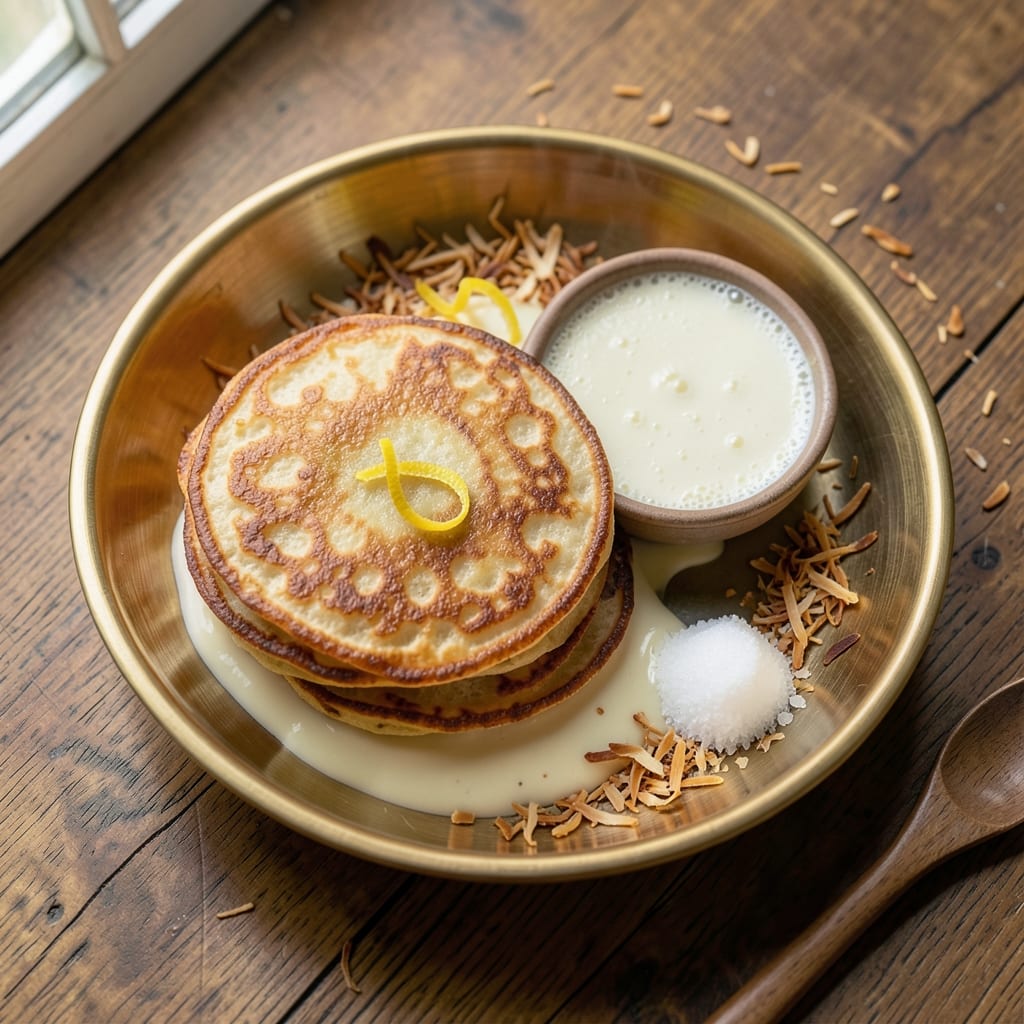
This Kerala-style appam recipe with rice powder delivers delicate, lacy coconut pancakes with perfectly golden, crisp edges—each bite a symphony of textures and flavors. The secret lies in fermenting the rice batter overnight, transforming simple ingredients into a dish that feels both rustic and refined. I’ve perfected this technique over years of testing, ensuring the appam stays soft yet sturdy enough to hold coconut milk without falling apart.
The magic begins with rice powder, which gives appam its signature lacy texture when cooked in a special appam pan. Yeast fermentation creates a light, airy crumb, while the coconut filling adds richness and a hint of sweetness. This isn’t just a recipe—it’s a tradition, a breakfast staple in Kerala that’s equally perfect for brunch or dessert. The key is patience: letting the batter ferment fully and cooking the appam at the right temperature for that signature crispness.
What you’ll end up with is a stack of golden, lacy appam—soft in the center, crisp at the edges—ready to be dipped in coconut milk, sugar syrup, or even paired with savory chutneys. The aroma alone will fill your kitchen with warmth, and the contrast of textures makes every bite unforgettable. Whether you’re serving it for a special occasion or a cozy morning meal, this recipe delivers restaurant-quality results at home.
For those adapting to dietary needs, swapping ghee for coconut oil keeps the dish vegan without sacrificing flavor. The process might seem intricate, but I’ll guide you through every step—from fermenting the batter to shaping and cooking the perfect appam. Let’s bring a taste of Kerala to your kitchen.
Ingredients for appam recipe with rice powder
Rice powder, yeast, and coconut create the perfect Kerala-style appam batter.
| Ingredient | Amount | Notes |
|---|---|---|
| Rice Powder 🍚 | 1 ½ cups | Fine texture, for signature lacy texture |
| Fresh Yeast 🍞 | ¼ oz | Active dry or instant yeast |
| Granulated Sugar 🍚 | ½ cup | For yeast activation |
| Warm Water 💧 | 1 ½ cups | 110°F for yeast activation |
| Coconut Milk 🥥 | 1 cup | Full-fat for richness |
| Shredded Coconut 🥥 | ½ cup | Fresh or unsweetened |
| Ghee or Coconut Oil 🫒 | ¼ cup | For cooking, vegan option included |
| Salt 🧂 | ½ tsp | Fine sea salt preferred |
| Cardamom Powder 🌿 | ½ tsp | Ground, for aromatic touch |
| Sugar Syrup 🍯 | ½ cup | For serving, optional |
| Appam Pan 🍳 | 1 whole | Special cast-iron pan |
The rice powder is the star here—look for fine-ground versions at Indian grocery stores like Patel Brothers or H-Mart. If you can't find it, blend raw rice into a powder using a food processor, but sift it well for that signature lacy texture. Fresh yeast is a must; check the expiration date and store it in the fridge. The coconut milk should be full-fat for the richest flavor, and shredded coconut works best fresh or unsweetened—pre-sweetened can make the batter too sticky. Cardamom adds that authentic Kerala touch, so grab a small jar from the spice aisle if you don’t have it already.
No rice powder? Blend 1.5 cups of raw rice into a fine powder—just be patient and sift it well to avoid lumps. Running out of ghee? Coconut oil works perfectly for a vegan version, though it has a slightly different aroma. The sugar syrup can be homemade (simmer equal parts sugar and water) or store-bought—Trader Joe’s has a great one. If your yeast isn’t activating, double-check the water temperature—too hot and it kills the yeast, too cold and it won’t wake up. For extra richness, add a pinch of vanilla extract to the batter, but it’s not traditional so skip if you’re going for authenticity.
Once mixed, the batter needs 6-8 hours to ferment at room temperature—cover it with a damp cloth to keep it moist. Store any leftover batter in the fridge for up to 2 days, but let it come to room temp before cooking. The appam pan is non-negotiable for that signature lacy texture, but if you’re in a pinch, a non-stick skillet with a bit of oil can work in a pinch—just expect slightly denser appam. Leftovers keep for 2 days in the fridge and reheat beautifully in a dry skillet for a crispy finish.
Why You'll Love This Recipe
- Here’s what sold me: the moment the appam hits the pan, that first golden puff smells like a Sri Lankan breakfast stand. The coconut milk gives it this buttery richness without needing butter, and the yeast makes it light enough to eat with one hand while scrolling through my phone.
- No Yeast Fuss: I swear by this trick—just mix the rice powder, sugar, and yeast with warm water, let it sit for 10 minutes, and boom. No kneading, no waiting hours for dough to rise. That coconut milk in the batter? It keeps the edges tender while the center stays just crispy enough to hold curry like a dream.
- Coconut Magic: Here’s what sold me: the moment the appam hits the pan, that first golden puff smells like a Sri Lankan breakfast stand. The coconut milk gives it this buttery richness without needing butter, and the yeast makes it light enough to eat with one hand while scrolling through my phone.
- Breakfast for Days: Honestly, these freeze like a champ. Toss them in the fridge for up to 3 days or freeze them for a week—just reheat in a dry pan for 2 minutes. Perfect for lazy mornings or when I’m prepping for guests who “just dropped by” (you know who you are).
Step-by-step instructions for Kerala-style rice powder appam
Let's make these delicate, lacy coconut caps with crisp golden edges—just like they do in Kerala.
Activate the Yeast with Warm Water and Sugar
In a small bowl, dissolve the 0.25 oz fresh yeast in 1 cup of the 1.5 cups warm water (around 110°F). The water should feel just warm to your wrist—not hot. Add the 0.5 cup granulated sugar and let it sit for 5-10 minutes until it becomes frothy and bubbly. This tells you the yeast is active and ready to work.
Here's the thing—if the mixture doesn't bubble after 10 minutes, your yeast might be dead. Start fresh with a new pinch of yeast. Once it's active, stir in the remaining 0.5 cup warm water to reach the full 1.5 cups. This creates the perfect liquid base for your batter.
Mix the Batter for Light, Lacy Texture
In a large bowl, whisk together the 1.5 cups rice powder, 0.5 tsp salt, and 0.5 tsp cardamom powder. Gradually pour in the yeast mixture while whisking continuously. The batter should be thin—like heavy cream—so it flows easily through the appam pan's intricate patterns.
Next, fold in the 1 cup coconut milk and 0.5 cup shredded coconut using a spatula. The batter should coat the back of the spatula but still flow freely. If it's too thick, add 1-2 tablespoons warm water. The goal is a smooth, pourable consistency that will create those signature lacy edges when cooked.
Heat the Appam Pan and Cook the Appam
Heat the appam pan over medium-high heat until it's very hot. Add 1 tablespoon ghee or coconut oil and swirl to coat the entire surface evenly. Pour about ¼ cup of batter into each mold, filling them about ⅔ full. The batter should spread naturally to the edges.
Cover the pan with a lid and let the appam cook for 3-4 minutes until the edges turn golden brown and the tops develop a delicate lace pattern. You'll see steam rising and the batter pulling away from the sides—this is perfect. If they brown too quickly, reduce the heat slightly. The appam should be soft and slightly chewy in the center when you remove them.
Serve Warm with Sugar Syrup
Carefully remove the cooked appam from the pan using a small spatula or skewer. Place them on a serving platter and keep them covered to stay warm. For that classic touch, drizzle each appam with 1 tablespoon sugar syrup while they're still warm. The syrup will soak in slightly, adding just the right amount of sweetness.
Serve immediately with additional sugar syrup on the side or a dollop of coconut milk for dipping. These appam are best enjoyed fresh—they'll lose their delicate texture as they cool. You'll love how the crisp edges contrast with the soft, fluffy center, and that fragrant cardamom aroma wafting through your kitchen.
Pro Tips For Making Appam Recipe With Rice Powder
- Dissolve Yeast Slowly: I learned this the hard way—dumping yeast straight into warm water makes it clump like a lump of dough. Instead, sprinkle it over the sugar first, let it bloom for 2 minutes, then gradually add the water while stirring gently. This keeps the batter light and fluffy, not dense.
- Sift Rice Powder Twice: Skipping this step is how you end up with gummy appam that sticks to the pan. Sift the rice powder before mixing with coconut milk, then sift it again after combining. This cuts down on lumps and ensures a smooth, airy batter that cooks evenly.
- Use Medium Heat, Not High: I was skeptical until I tried it—high heat burns the outside before the center sets. Keep the pan on medium-low and let the appam cook slowly. The edges will puff perfectly without turning rubbery, and the coconut flavor stays rich, not bitter.
- Chill Batter 30 Minutes: This isn’t the prettiest method, but it’s the tastiest. After mixing, refrigerate the batter for at least 30 minutes. The yeast calms down, the gluten relaxes, and the appam rise higher with fewer tears. (Yes, even if you’re impatient like me.)
Regional styles of this appam recipe with rice powder
Kerala’s Sweet Tradition
In Kerala, appam is traditionally served as a breakfast staple, often paired with vegetable stews or coconut milk. The dish dates back centuries, originating in temple prasadam (offerings) where rice-based preparations were common. I remember my grandmother always making them for Onam, Kerala’s harvest festival, where they symbolize prosperity. The fermentation process was considered sacred, ensuring the dish was always shared with family and guests. 🥥
Tamil Nadu’s Savory Twist
While Kerala-style appam leans sweet, Tamil Nadu often serves them with savory toppings like grated coconut mixed with black pepper or crumbled paneer (Indian cottage cheese). The batter here is sometimes thicker, creating a denser texture that holds up to heartier pairings. I’ve seen street vendors in Chennai drizzle ginger chutney over steaming hot appam—a perfect balance of sweet and spicy. The key difference? A pinch of asafoetida (hing) in the batter for extra aroma.
Sri Lankan Coconut Variations
Across the Palk Strait in Sri Lanka, appam takes on a richer coconut flavor with the addition of thick coconut cream instead of milk. The batter is often fermented for longer (up to 12 hours), resulting in a taller, puffier appam. Locals love serving them with jackfruit curry or lentil stews, creating a hearty meal. I once tried a version where the batter included grated tapioca for extra chewiness—trust me, it’s a game-changer for texture lovers. 🌴
Malaysian Fusion Styles
In Malaysia, appam has evolved into appam with sweet potato or banana, blending local ingredients with South Indian techniques. The batter might include mashed sweet potato for natural sweetness, reducing the need for sugar syrup. I’ve seen Malaysian-style appam topped with condensed milk and crushed peanuts, creating a dessert-like version. The cooking method stays true to Kerala’s appam pan, but the flavors are distinctly Southeast Asian—warm, comforting, and slightly tropical.
Modern Adaptations
Today, chefs are reimagining appam with global twists. I’ve seen chocolate appam (using cocoa powder instead of cardamom) and even matcha-flavored versions for health-conscious eaters. Some modern recipes swap rice powder for buckwheat flour, making them gluten-free. The beauty of appam is its versatility—whether you stick to tradition or experiment, the lacy texture and crisp edges** remain the soul of the dish. 💫
Nutrition facts
Frequently asked questions
Can I make appam without an appam pan?
Yes! While an appam pan gives that signature lacy texture, you can use a non-stick skillet with 1 tablespoon oil and pour small circles of batter. The edges won't be as intricate, but they'll still be soft and delicious. For extra crispiness, cook on medium-high heat and flip carefully when golden.
How do I fix if my batter isn't fermenting?
Check your yeast first—it should be fresh and dissolved in 110°F water with sugar. If no bubbles form after 10 minutes, your yeast is dead. Replace it and let the batter ferment in a warm spot (like near the oven with the light on). Patience is key—fermenting takes 6-8 hours for the best texture.
What's the best way to store leftover appam?
Keep them in an airtight container at room temperature for 1 day or refrigerate for up to 2 days. To reheat, warm in a dry skillet over low heat for 2-3 minutes until crispy again. Microwaving makes them soggy—always reheat dry for that perfect crunch!
Can I make this recipe vegan?
Swap ghee for coconut oil and use plant-based sugar syrup (like agave or maple syrup). The coconut milk and shredded coconut are already vegan-friendly. The texture stays identical—just ensure all ingredients are certified plant-based.
Why did my appam turn out dense instead of lacy?
Overmixing the batter or underfermenting are common culprits. The batter should be thin like heavy cream, and fermentation needs 6-8 hours at room temperature. If it's too thick, add 1-2 tablespoons warm water before cooking. Also, ensure your appam pan is hot enough—cool pans create dense appam.