
Main Courses
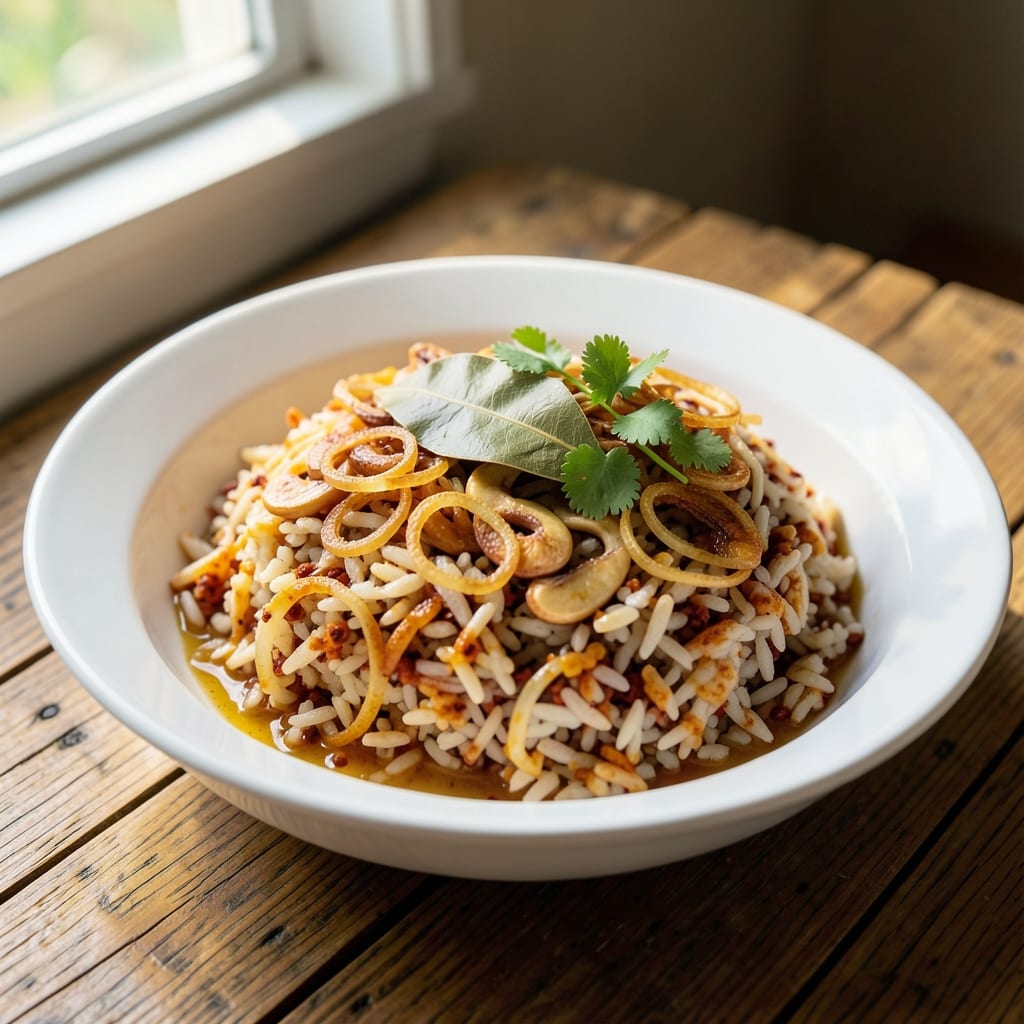
This annatto rice recipe transforms ordinary white rice into a vibrant, nutty masterpiece that steals the show at any table. The golden hue comes from annatto seeds, a natural dye with a rich history in Latin American and Caribbean cuisines, while the flavor develops into a subtle, earthy depth that pairs perfectly with bold proteins. What makes this recipe stand out is the balance between simplicity and sophistication—just a few key ingredients elevate basic rice into something extraordinary.
The process begins with soaking the annatto seeds in warm water to release their vibrant color and nutty aroma, which infuses the rice as it cooks. Aromatics like garlic and bay leaves deepen the flavor profile, while using chicken or vegetable broth instead of water adds another layer of richness. The result is perfectly fluffy rice with a striking golden tint that looks as impressive as it tastes.
What you’ll end up with is a dish that’s both visually stunning and deeply flavorful—ideal for serving alongside grilled meats, fish, or even as a standalone side. The annatto not only enhances the presentation but also adds a subtle complexity that makes this rice unforgettable. Ready in just 30 minutes, it’s a foolproof method for achieving restaurant-quality results at home.
This recipe works beautifully in traditional dishes like feijoada or as a vibrant side for seafood, proving that a few simple ingredients can make a world of difference. Whether you're cooking for a special occasion or just want to elevate a weeknight dinner, this annatto rice will bring warmth and color to your table.
Ingredients for annatto rice
Transform ordinary rice into a stunning golden masterpiece with these vibrant ingredients.
| Ingredient | Amount | Notes |
|---|---|---|
| Long-Grain White Rice 🍚 | 2 cups | Uncooked, rinsed thoroughly |
| Annatto Seeds 🌶️ | 1 tbsp | Whole seeds, organic preferred |
| Garlic Cloves 🧄 | 4 cloves | Minced for aromatic base |
| Bay Leaves 🍃 | 2 whole | Fresh or dried, standard size |
| Chicken Broth 💧 | 2 ½ cups | Low-sodium preferred, homemade or quality store-bought |
| Vegetable Oil 🫒 | 2 tbsp | Neutral flavor, like canola |
| Salt 🧂 | 1 ½ tsp | Kosher or sea salt, adjust to taste |
| Black Pepper 🌶️ | ½ tsp | Freshly ground for best flavor |
| Lemon Juice 🍋 | 1 tbsp | Freshly squeezed, brightens flavor |
| Cilantro Leaves 🌿 | ¼ cup | Chopped, optional garnish |
Annatto seeds are the star here—look for organic seeds at Latin markets or specialty stores like Whole Foods or Trader Joe's for the most vibrant color. The seeds should be whole and free of moisture to prevent clumping. If you can't find them fresh, annatto powder works too (reduce to 1 tsp), though the flavor is slightly less nuanced. The garlic and bay leaves are non-negotiable—they build the aromatic foundation that makes this rice so much more than just colored rice. For the rice itself, jasmine or basmati work beautifully, but long-grain white is the classic choice.
No annatto seeds? Turmeric powder (1 tsp) gives a similar golden hue, though the flavor won’t be the same. Running short on chicken broth? Vegetable or seafood broth keeps it vegetarian or seafood-friendly. The vegetable oil can be swapped for butter if you prefer richness, but it’ll slightly alter the color. Fresh bay leaves add depth, but dried works at half the amount—just remember to remove them before serving. The lemon juice is key for brightness, so don’t skip it unless you’re adding another acid like lime.
This rice reheats beautifully—cover with a damp paper towel and microwave for 1-2 minutes to restore moisture. Store in an airtight container for up to 5 days in the fridge, though it’s best enjoyed fresh. For a crowd, double the recipe—just ensure your pot is large enough to prevent boiling over. The annatto infusion deepens over time, so leftovers often taste even better the next day. Garnish with cilantro right before serving to keep it vibrant.
Why You'll Love This Recipe
- No-Soaking Needed: I swear by this trick—just rinse the rice once, then let it sit in the broth while you prep the annatto. No waiting, no fuss, and the rice comes out fluffy every time.
- Golden Magic: That annatto? It’s not just color—it’s a warm, earthy depth that turns plain rice into something special. One teaspoon of seeds soaks into the broth like a secret spice, giving it a subtle, sun-kissed richness.
- Potluck Hero: Between us, this is my go-to for gatherings. It’s neutral enough to pair with anything—grilled chicken, black beans, even just a sprinkle of cheese—but still feels like you put in effort. (Spoiler: It’s foolproof.)
- Budget Stretch: I make this twice a week and never tire of it. The broth stretches the rice, bay leaves add depth for pennies, and garlic? Always a pantry staple. Leftovers reheat like a dream—crispy edges, tender center, no dryness.
Step-by-step instructions for perfect annatto rice
Here's how to achieve that signature golden hue and nutty depth in your rice every time.
🍳 Step 1: Toast the Annatto Seeds and Aromatics
Heat the 2 tablespoons vegetable oil in a medium saucepan over medium heat. Add the 1 tablespoon annatto seeds and toast for 1-2 minutes until they begin to sizzle and release their vibrant aroma. You'll see the oil take on a golden tint—this is your signal to add the 4 cloves minced garlic cloves and 2 whole bay leaves.
Cook the garlic and bay leaves for another 30 seconds until fragrant. Don't let the garlic brown—just warm through. This step builds the aromatic foundation that carries through the entire dish. Remove the pan from heat temporarily while you prepare the rice.
👨🍳 Step 2: Rinse and Toast the Rice
While the aromatics cook, rinse the 2 cups long-grain white rice under cold water in a fine-mesh strainer until the water runs clear. This removes excess starch that would make your rice gummy. Add the drained rice to the saucepan with the annatto mixture and stir to coat evenly in the oil.
Return the pan to medium heat and toast the rice for 2-3 minutes, stirring constantly. You want to see the grains become translucent at the edges—this develops their nutty flavor. The annatto will infuse into the rice during this process, creating that beautiful golden color. Remove from heat once again.
🥘 Step 3: Cook with Broth and Seasonings
Pour in the 2.5 cups chicken broth and bring to a gentle boil. Once boiling, reduce heat to low and cover the pan with a tight-fitting lid. Let the rice simmer for 15 minutes completely undisturbed—this steam cooking creates perfectly fluffy grains.
After 15 minutes, carefully remove the lid and fluff the rice with a fork. Stir in the 1.5 teaspoons salt, 0.5 teaspoon black pepper, and 1 tablespoon lemon juice. The lemon brightens the flavors and balances the richness of the annatto. Taste and adjust seasoning if needed—you want the rice to be well-seasoned but not salty.
Return the lid to the pan and let the rice rest for 5 minutes off the heat. This resting period allows the steam to redistribute throughout the grains, ensuring each bite is perfectly moist and fluffy. The rice should be tender with a slight bite—if it's still firm, cover and steam for another 5 minutes. Before serving, transfer the rice to a serving dish and garnish with 0.25 cup chopped cilantro leaves. The bright green contrasts beautifully with the golden rice and adds freshness. Serve immediately while still warm for the best texture and flavor combination.⏰ Step 4: Rest and Garnish
Pro Tips For Making Annatto Rice
- Toast the Annatto First: I learned this the hard way—tossing raw annatto seeds into boiling water just stains the broth murky brown without much flavor. Dry-toast the seeds in a separate pan over medium heat for 30 seconds until they smell toasty and slightly nutty, then crush them before adding to the broth. This releases the color and aroma properly.
- Use Whole Garlic Cloves: Peeling and mincing garlic is a hassle, and it burns faster than you’d think. Just smash 2-3 whole cloves with the side of your knife, leaving the skins on, then drop them straight into the broth with the bay leaves. They’ll infuse flavor without turning bitter, and you’ll skip cleanup.
- Simmer, Don’t Boil: After adding the rice, resist the urge to crank the heat—this is where most annatto rice turns out mushy. Keep it at a gentle simmer (tiny bubbles, not rolling) for the first 10 minutes, then reduce to low. The rice absorbs the broth evenly, and the annatto color stays vibrant instead of bleeding out.
- Skip the Extra Water: I used to add an extra cup of broth “just in case,” but that dilutes the annatto color and makes the rice watery. Stick to the 1:2 rice-to-broth ratio (1 cup rice to 2 cups broth) and let the rice finish cooking on its own steam. The broth will be fully absorbed by the end—trust the process.
Regional styles of this dish
Caribbean Feijoada Style
In Brazil and Caribbean cuisine, annatto rice plays a starring role in feijoada—a hearty black bean stew with pork. Here, the rice absorbs the rich flavors of the broth while maintaining its golden hue. I like adding 1 diced smoked sausage link (like linguiça) to the broth for extra depth. Serve the rice alongside the feijoada to soak up every last bit of that smoky, savory sauce. 🌶️
Mexican Arroz Rojo
Mexico’s arroz rojo (red rice) often uses annatto for its vibrant color, especially in Yucatán and Veracruz. For an authentic twist, replace the chicken broth with tomato-based adobo sauce (about 1 cup) and add 1 tsp ground cumin to the toasting step. Garnish with diced avocado and radish slices for a fresh, zesty contrast. This version pairs perfectly with grilled fish or tacos. 🌮
Portuguese Arroz de Tomate
In Portugal, annatto rice sometimes appears in arroz de tomate—a tomato-based rice dish. For this variation, reduce the broth to 1.5 cups and stir in ½ cup crushed tomatoes after the initial 15-minute cook. Add 1 diced onion and 1 minced jalapeño to the toasting step for extra flavor. The annatto adds a beautiful golden contrast to the tomato’s red hue. 🍅
Latin American Festive Rice
For celebrations like Christmas or Easter, Latin American families often serve annatto rice as a centerpiece. To make it extra special, fold in ½ cup cooked black beans and ½ cup diced bell peppers during the final resting step. Garnish with toasted pumpkin seeds for crunch. This version is hearty enough to serve as a main dish alongside grilled meats. ✨
Vegetarian Adaptation
Skip the chicken broth and use vegetable broth instead for a vegetarian-friendly version. Boost the flavor by adding 1 diced carrot and 1 diced celery stalk to the toasting step. The annatto’s nutty notes complement the earthiness of the vegetables beautifully. Serve with roasted vegetables or a fresh salad for a complete meal. 🥕
Nutrition facts
Frequently asked questions
Why does my annatto rice turn orange instead of golden?
The color depends on how much annatto you use and cooking time. For a softer golden hue, reduce seeds to 1 teaspoon and cook for 10 minutes instead of 15. Overcooking or too many seeds deepens the orange. Toasting the seeds first helps control the intensity—less time = lighter color.
Can I make this rice in a rice cooker?
Toast the annatto, garlic, and bay leaves in a pot first, then transfer everything to your rice cooker with the broth. Use the white rice setting and add the lemon juice and salt during the last 5 minutes of cooking. The texture will be just as fluffy—just skip the resting time since rice cookers handle that automatically.
What's the best way to store leftovers?
Store in an airtight container for up to 5 days in the fridge. Reheat covered with a damp paper towel in the microwave for 1-2 minutes to restore moisture. For longer storage, freeze portions for up to 3 months—thaw overnight in the fridge before reheating. The flavor actually improves slightly after resting!
Is annatto rice gluten-free?
Yes, this recipe is naturally gluten-free as long as you use gluten-free broth and check your annatto seeds for cross-contamination warnings. The basic ingredients are all safe, but always verify labels if you have celiac disease or severe gluten sensitivity. The nutty annatto flavor works beautifully in gluten-free meals!
What's the secret to extra-fluffy annatto rice?
Three key steps:
- Rinse the rice thoroughly to remove starch,
- Toast the grains until translucent before adding liquid, and
- Never stir the rice after the initial boil—let it steam undisturbed. The resting time after cooking is also crucial for redistributing moisture. For restaurant-style fluffiness, use a 1:1.5 rice-to-liquid ratio (like this recipe).