
Main Courses
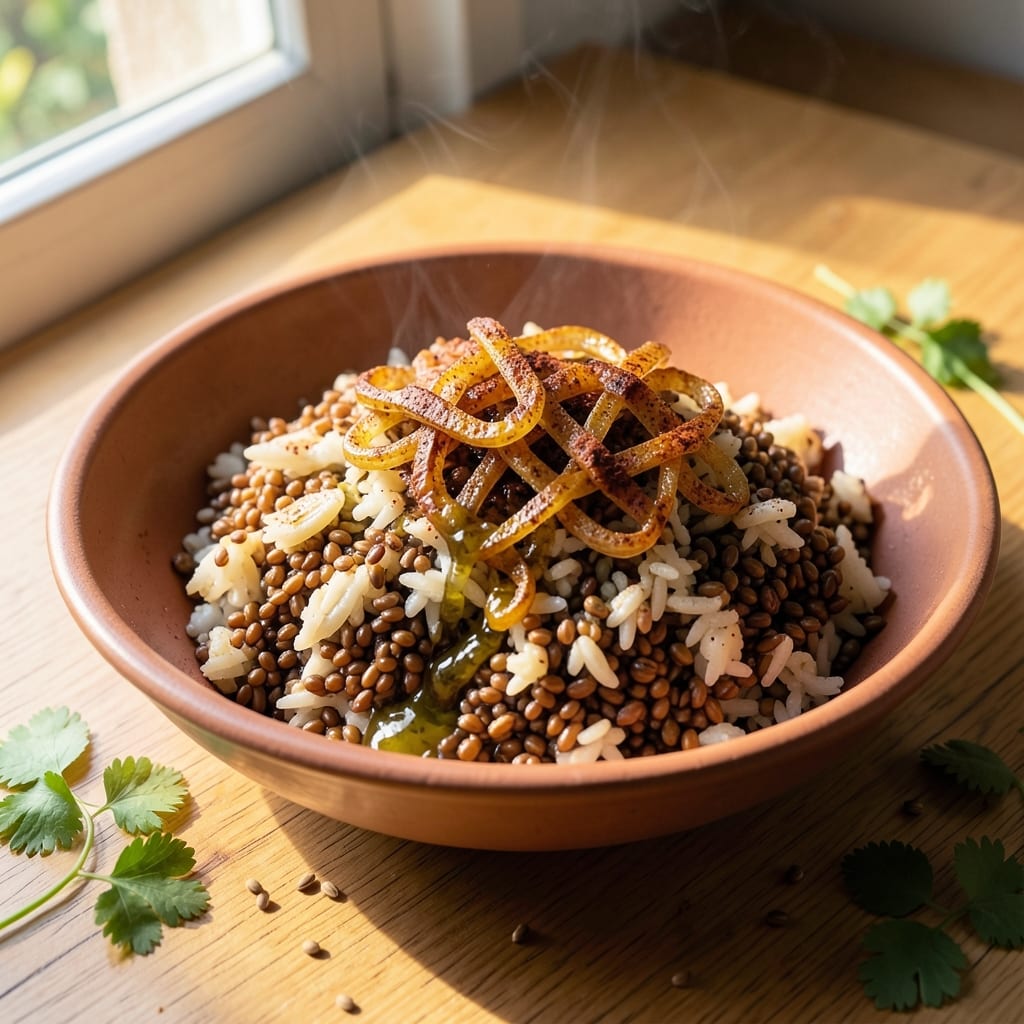
This amaranth and rice recipe transforms humble grains into a protein-packed bowl with deep nutty flavors and satisfying texture. The secret lies in toasting amaranth first—this simple step unlocks its natural nuttiness and prevents mushiness, creating a perfect balance with fluffy rice. I developed this recipe after discovering how amaranth's earthy profile complements rice's mild sweetness, making every bite more complex than either grain alone.
The cooking process is straightforward but precise: toast the amaranth until fragrant, then simmer it with rice in a flavorful broth until tender. Seasoning with cumin, garlic, and smoked paprika adds warmth without overpowering the grains' natural taste. This method ensures the amaranth stays distinct from the rice, creating visual and textural contrast in every spoonful.
What you'll end up with is a hearty, vegan-friendly bowl that's packed with plant-based protein and fiber, yet light enough for any meal. The amaranth's nutty crunch contrasts beautifully with the soft rice, while the seasoned broth adds depth. This dish works equally well as a standalone meal or paired with roasted vegetables, grilled proteins, or a fresh salad.
The best part? This recipe adapts effortlessly to global flavors—add chili powder for Mexican-inspired bowls, or ginger and sesame for an Asian twist. The toasting technique is foolproof, and the cooking time is flexible, making it perfect for meal prep. Let's get started on creating your next nutritious, flavorful centerpiece.
Ingredients for amaranth rice
Transform humble grains into a protein-packed bowl with these nutty, earthy ingredients.
| Ingredient | Amount | Notes |
|---|---|---|
| Amaranth Grains 🌾 | ½ cup | Uncooked, rinsed thoroughly |
| Long-Grain White Rice 🍚 | 1 cup | Uncooked, jasmine or basmati preferred |
| Vegetable Broth 💧 | 2 ½ cups | Low-sodium, homemade or store-bought |
| Extra-Virgin Olive Oil 🫒 | 2 tbsp | For toasting amaranth |
| Ground Cumin 🌿 | ½ tsp | Toasted for deeper flavor |
| Smoked Paprika 🌶️ | ½ tsp | For smoky depth |
| Garlic Cloves 🧄 | 3 cloves | Minced for aromatic base |
| Yellow Onion 🧅 | ½ whole | Diced, medium size |
| Fresh Cilantro 🌿 | ¼ cup | Chopped, for garnish |
| Lemon Juice 🍋 | 1 tbsp | Freshly squeezed |
| Sea Salt 🧂 | ¾ tsp | Diamond Crystal preferred |
| Black Pepper 🌶️ | ¼ tsp | Freshly ground |
| Avocado Oil 🫒 | 1 tbsp | For drizzling |
Amaranth is the star here—look for organic or bulk bins at Whole Foods for the freshest grains. The toasting step unlocks its natural nuttiness, so don't skip it! For rice, jasmine or basmati adds that fragrant aroma that pairs perfectly with amaranth's earthiness. Fresh cilantro from the market brightens everything up, but dried works in a pinch if you're in a hurry. The vegetable broth should be rich and flavorful—homemade is ideal, but Pacific Foods or Imagine brands are solid store-bought options.
No fresh cilantro? Dried cilantro or parsley at half the amount works surprisingly well. Short on smoked paprika? Regular paprika plus a pinch of liquid smoke mimics that smoky depth. The garlic can be roasted for a sweeter flavor—just wrap whole cloves in foil and roast at 400°F for 20 minutes. For extra protein, toss in chickpeas or black beans while cooking. And if you're feeling adventurous, swap the white rice for brown rice or quinoa—just adjust cooking times accordingly.
Store cooked amaranth and rice separately in airtight containers for up to 5 days in the fridge. The grains reheat beautifully—just add a splash of water or broth to prevent drying. For meal prep, portion into containers with a drizzle of avocado oil to keep everything fresh. This dish freezes well for up to 3 months, though the texture gets slightly softer after thawing. The lemon juice and avocado oil should be added fresh before serving for maximum brightness.
Why You'll Love This Recipe
- Here’s what sold me: amaranth is cheap, packs serious protein, and stretches the rice so you’re not eating carbs alone. A cup of these grains costs pennies compared to quinoa, and the cumin? That’s the secret—it makes the whole thing taste like you spent an afternoon in the kitchen, not 20 minutes. Leftovers? Even better the next day.
- No-Rinse Cleanup: I swear by this one—just toss the grains and rice in a pot with broth, let it simmer, and walk away. No straining, no scrubbing, not even a single pan to wash beyond a quick wipe. That cumin and olive oil smell lingers in the kitchen, but the cleanup? Zero effort.
- Earthy Crunch Surprise: Honestly, I didn’t expect it—amaranth adds this pop of texture you don’t get with plain rice. The rice stays fluffy, but those tiny grains? They hold their shape and add a nutty bite that makes every bite feel special. Pair it with roasted veggies, and you’ve got a dish that tastes like it took hours.
- Meal Prep MVP: Between us, this is my go-to for busy weeks. Cook a big batch on Sunday, and you’ve got lunch or dinner covered for days. The amaranth keeps it interesting—no sad, dried-out rice here. I portion it into containers with whatever protein I’m using that week, and boom: zero decision fatigue.
Step-by-step instructions for amaranth and rice bowl
Here's how to create a perfectly balanced bowl with nutty amaranth and fluffy rice.
Toast the Amaranth for Maximum Flavor
Heat a medium saucepan over medium heat and add the 2 tablespoons extra-virgin olive oil. Once the oil shimmers, add the 0.5 cup amaranth grains and toast for 3-4 minutes until they begin to pop and smell nutty. This step develops their natural earthiness and prevents a raw, bitter taste.
Watch the amaranth carefully—it should turn a deeper golden color and release an aromatic, almost popcorn-like scent. If you see it darken too quickly, reduce the heat slightly. Once toasted, immediately add the 2.5 cups vegetable broth and bring to a gentle boil. Then reduce heat to low and simmer for 25-30 minutes until the liquid is fully absorbed and the amaranth is tender but still slightly chewy.
Cook the Rice to Perfect Texture
While the amaranth simmers, rinse the 1 cup long-grain white rice under cold water until the water runs clear. This removes excess starch and prevents gummy rice. In a separate saucepan, combine the rinsed rice with 2 cups fresh vegetable broth (reserve the remaining 0.5 cup for later) and bring to a boil over medium-high heat.
Once boiling, reduce heat to low, cover tightly with a lid, and cook for 15 minutes without peeking. The rice should be tender and the liquid completely absorbed. If it's not quite done, add a splash of the reserved broth and cook another 2-3 minutes. Fluff the rice gently with a fork and set aside, covered, to keep warm.
Sauté Aromatics for Depth of Flavor
In the same saucepan used for the amaranth (no need to wash it—the flavor compounds are delicious), heat 1 tablespoon avocado oil over medium heat. Add the 0.5 whole yellow onion and cook for 4-5 minutes until softened and translucent, stirring occasionally. Push the onions to the side and add the 3 cloves garlic, 0.5 teaspoon ground cumin, and 0.5 teaspoon smoked paprika.
Cook for another 1-2 minutes until the garlic is fragrant and the spices are toasted, not burnt. Here's the thing—smoked paprika can burn quickly, so keep an eye on it. Once fragrant, add the cooked amaranth and rice to the pan, stirring gently to combine. The residual heat will warm everything through while infusing the spices deeper into the grains.
Finish with Bright, Tangy Accents
Remove the pan from heat and stir in the 1 tablespoon lemon juice, 0.75 teaspoon sea salt, and 0.25 teaspoon black pepper. The acidity brightens the dish, cutting through the earthy richness of the amaranth and rice. Taste and adjust seasoning—you might need a pinch more salt if your broth was low-sodium.
Finally, divide the mixture among four bowls and top each with 1 tablespoon chopped fresh cilantro. The cilantro adds a fresh contrast to the nutty, smoky flavors. Serve immediately while the grains are still warm and the aromatics are at their peak. This dish tastes even better the next day, but the texture is ideal when freshly made.
Pro Tips For Making Amaranth Rice
- Toast the Amaranth First: Skip the raw bite—dry-toast the amaranth in olive oil over medium-high heat for 3-4 minutes until it smells nutty. I used to skip this, and the texture stayed gritty; now it’s chewy and rich, like a better version of quinoa.
- Use Two Pots: Cook the amaranth and rice separately—amaranth needs 15 minutes simmering, rice just 12. Mix them later with broth and cumin. I learned this the hard way after burning one pot waiting for the other to finish.
- Salt the Broth Early: Season the vegetable broth before adding it to the rice-amaranth mix—about 1 tsp salt per 2 cups. Waiting until the end leaves it bland, and you’ll regret not tasting it sooner (trust me, I’ve done it).
- Bloom the Cumin: Toast the ground cumin in the same oil as the amaranth for 30 seconds until fragrant. This makes the earthy flavor pop without overpowering. I was skeptical until I tried it—now it’s non-negotiable.
Essential equipment for this recipe
Toast Pan Essentials
You'll need a medium-sized stainless steel saucepan with a tight-fitting lid for toasting amaranth—Calphalon or All-Clad brands are my go-to for even heat distribution. The pan should have 2-3 quart capacity to accommodate the amaranth and broth without overcrowding. I avoid nonstick pans for toasting because they don't conduct heat as well, and the amaranth needs direct contact with the metal for proper browning. 🔥
Rice Cooker Advantage
A multi-functional rice cooker like the Zojirushi NR-Z7B is a game-changer for this recipe. It handles both grains perfectly—set it to the "white rice" function for the rice portion, then use the same pot (after rinsing) for the amaranth's simmering stage. The keep-warm function maintains ideal temperatures while you finish other components. For budget options, the Cuisinart Rice Cooker works well too.
Broth Measurement Tools
Precision matters with broth measurements—use a liquid measuring cup with clear markings for the 2.5 cups vegetable broth. I recommend Pyrex glass measuring cups for durability and accuracy. For the amaranth's simmering stage, a small ladle helps pour the broth gradually to avoid sudden temperature drops. A fine-mesh strainer is also handy for rinsing the rice thoroughly before cooking.
Spice Toasting Tools
Toasted spices elevate the dish, so a small cast-iron skillet (like Lodge's 10-inch) is perfect for lightly toasting the cumin and smoked paprika alongside the garlic. The cast iron retains heat well, preventing scorching while developing deep, nutty flavors. For garlic, a microplane creates ultra-fine minced garlic that infuses better than chopped cloves. Keep a small bowl nearby to catch any excess oil while mincing.
Garnish Prep Station
Set up a small cutting board with a sharp chef's knife for chopping cilantro and any additional garnishes. A citrus juicer (like the OXO Good Grips) ensures you get every drop of lemon juice without hand-squeezing mess. For the final drizzle of avocado oil, a small squeeze bottle makes even application effortless. Keep everything within arm's reach to maintain workflow efficiency during assembly.
Storage Containers
For meal prep, glass storage containers with airtight lids (like Glasslock 16-ounce containers) preserve freshness best. The clear sides let you check portion sizes, and the wide mouths make assembly easy. If freezing, use quart-sized freezer bags with the squeeze method to remove air—this prevents freezer burn and maintains texture. Label containers with dates to track freshness. ❄️
Nutrition facts
Frequently asked questions about amaranth and rice bowls
Why does the recipe call for toasting amaranth?
Toasting amaranth unlocks its natural nutty flavor and prevents a raw, bitter taste. The 3-4 minute toasting step in oil creates a popcorn-like aroma and develops deeper, toasty notes that pair perfectly with rice. Skipping this step results in a more bland, mushy texture.
Can I substitute white rice for brown rice or quinoa?
Yes, but adjust cooking times! Brown rice needs 45-50 minutes of simmering, while quinoa cooks in 12-15 minutes. Use a 1:2 grain-to-liquid ratio for brown rice and 1:1.5 for quinoa. The toasting technique remains the same for both grains.
What if my amaranth becomes mushy after cooking?
Mushy amaranth usually means it absorbed too much liquid. Always simmer uncovered for the last 5 minutes to evaporate excess moisture. For next time, reduce broth by 0.25 cup or cook uncovered for longer. The grains should be tender but still hold their shape.
How can I make this dish more protein-rich?
Add 0.5 cup cooked black beans or 0.5 cup chickpeas during the final sautéing step. For extra protein, stir in 2 tablespoons nutritional yeast when combining the grains. These additions boost plant-based protein while complementing the earthy flavors.
Can I prepare this ahead of time for meal prep?
Cook the amaranth and rice separately, then store in airtight containers for up to 5 days in the fridge. Reheat with 2 tablespoons water or broth per cup to restore moisture. The flavors actually deepen overnight, making it perfect for grab-and-go meals.