
Main Courses
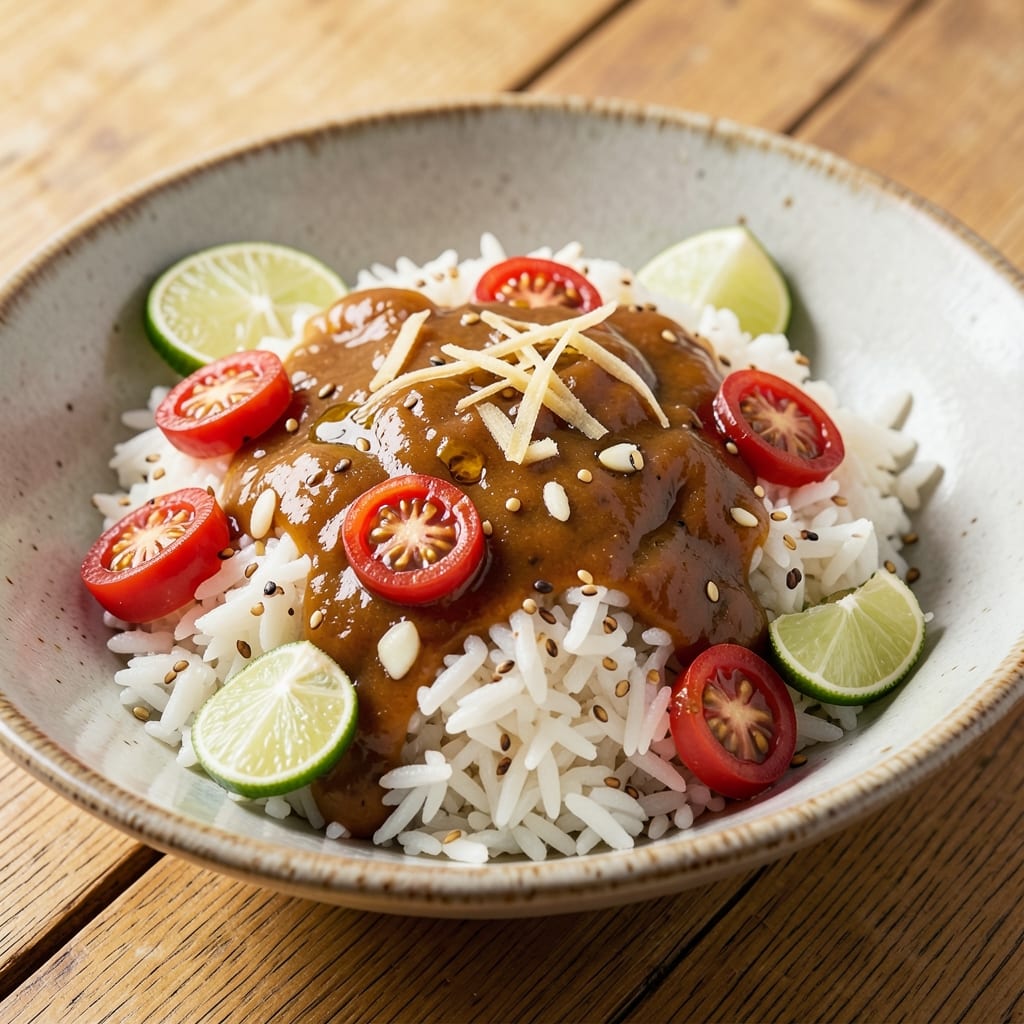
This aloha rice recipe brings the vibrant flavors of Hawaii to your dinner table in just one pot—where fragrant coconut, zesty lime, and tender protein create a dish that tastes like a tropical vacation. 🌺 The secret lies in balancing traditional Hawaiian seasonings with a simple stir-fry technique that transforms basic ingredients into something extraordinary. I developed this recipe after years of perfecting the art of one-pot meals that deliver restaurant-quality results at home.
The magic begins with a fragrant base of garlic, ginger, and sesame oil, which infuses the rice with authentic Hawaiian flavors. Adding coconut milk and lime juice creates that signature tropical aroma, while soy sauce and a touch of brown sugar provide depth and balance. What makes this dish truly special is how effortlessly it comes together—no complicated techniques required, just a single pot that handles everything from cooking the rice to searing the protein.
By the time you serve this dish, you'll have perfectly cooked rice with tender protein (chicken, shrimp, or tofu) nestled among fragrant grains, all coated in a light, savory-sweet sauce. The aroma alone will transport you to a Hawaiian luau, while the flavors deliver that perfect harmony of coconut, lime, and umami. This is comfort food with a vacation vibe—ideal for weeknight dinners or special occasions.
Serve it as a main dish with fresh greens or as a side to complement grilled meats. The best part? Leftovers reheat beautifully, making it perfect for meal prep. Let's get cooking!
Ingredients for aloha rice
Tropical flavors meet one-pot simplicity—just 14 ingredients for aloha rice magic.
| Ingredient | Amount | Notes |
|---|---|---|
| Long-Grain White Rice 🍚 | 1 ½ cups | Uncooked, jasmine preferred |
| Coconut Milk 🥥 | 13 ½ oz | Full-fat can for richness |
| Fresh Lime Juice 🍋 | ¼ cup | Zesty, freshly squeezed |
| Garlic Cloves 🧄 | 4 cloves | Minced for aromatic base |
| Fresh Ginger 🌿 | 1 ½ tbsp | Grated, aromatic kick |
| Sesame Oil 🫒 | 1 tbsp | Toasted, for nutty depth |
| Soy Sauce 🥢 | 2 tbsp | Light or dark variety |
| Brown Sugar 🍯 | 1 tbsp | Packed, for caramel notes |
| Protein of Choice 🍗 | 1 lb | Chicken, shrimp, or tofu |
| Green Onions 🧅 | ¼ cup | Sliced, for fresh finish |
| Fresh Cilantro 🌿 | ¼ cup | Chopped, optional garnish |
| Salt 🧂 | 1 tsp | Kosher or sea salt |
| Black Pepper 🌶️ | ½ tsp | Freshly ground preferred |
| Vegetable Oil 🫒 | 1 tbsp | For searing protein |
The coconut milk is non-negotiable here—full-fat canned (like Goya or Thai Kitchen) delivers that creamy, authentic texture. Avoid the light version—it won’t give you that rich, velvety finish. Fresh lime juice? Mexican limes if you can find them, but regular works too—just roll them on the counter first to boost the juice yield. The ginger and garlic? Fresh is a must—no powdered shortcuts. I always grab organic ginger from the produce section at Whole Foods (or the bulk bin at Trader Joe’s for a budget-friendly option). Toast your sesame oil in the pot for 30 seconds before adding anything else—this unlocks its nutty aroma and makes the whole dish sing.
No fresh ginger? Substitute with 1 tsp ground ginger (but it won’t be as vibrant). Out of coconut milk? Light coconut milk plus 1 tbsp heavy cream gets you close. Using tofu instead of meat? Firm tofu pressed and cubed holds up best—Trader Joe’s has pre-pressed blocks that save time. The protein can be swapped too: shrimp cooks fastest, so add it last, while chicken thighs stay juicier than breasts. For extra umami, add 1 tsp fish sauce (if not vegetarian) or 1 tsp soy sauce for plant-based versions. The brown sugar? Muscovado or turbinado adds molasses notes, but regular works too.
This dish tastes even better the next day—double the batch if you’re meal prepping. Store in an airtight container for up to 5 days in the fridge, or freeze for 3 months. Reheat with a splash of water or coconut milk to restore creaminess. The rice keeps best if you rinse it before cooking—just swirl in a bowl of water, drain, and repeat until the water runs clear. Garnish with cilantro and lime wedges right before serving, because those flavors fade fast once cut. Leftovers reheat beautifully—microwave with a damp paper towel to keep things moist.
Why You'll Love This Recipe
- One-Pot Magic: I swear by this recipe when I’m too tired to wash a million bowls. Just rice, coconut milk, and a splash of lime—no fancy equipment, no stress. The rice cooks right in the same pot you sauté the garlic and ginger, so cleanup is basically nonexistent.
- Tropical Tang: That bright lime juice and creamy coconut milk? It’s like a vacation in every bite. The garlic and ginger add warmth, but the lime cuts through it so cleanly—it’s the kind of flavor that makes you reach for seconds without thinking.
- Leftover Hero: This rice actually improves the next day. The coconut milk soaks in, the lime mellows into something richer, and it pairs perfectly with anything—grilled fish, fried eggs, or even just a fork and a sigh of relief. I make a big batch on Sundays and eat it all week.
- Budget Bright Spot: Coconut milk and lime might sound fancy, but they stretch this dish far. A can of coconut milk and a few limes last me ages, and the rice itself is cheap as can be. It’s my go-to when I need something special without breaking the bank. (Yes, even on a Tuesday night.)
Step-by-step instructions for aloha rice
This vibrant one-pot dish delivers tropical flavors with minimal effort—let's make it shine!
🍳 Step 1: Sear the Protein for Deep Flavor
Heat the 1 tablespoon vegetable oil in a large skillet over medium-high heat until shimmering. Add the 1 lb protein of choice (chicken, shrimp, or tofu) and cook undisturbed for 3-4 minutes until golden brown on all sides. Here's the thing—this step builds flavor that infuses the entire dish.
For chicken, cut into bite-sized pieces before searing. For shrimp, leave whole but pat dry first. If using tofu, press out excess moisture and cut into cubes. Once seared to your liking, transfer the protein to a plate and set aside—it'll finish cooking in the rice later.
👨🍳 Step 2: Build the Aromatic Base
In the same skillet (no need to clean it—those browned bits are pure flavor), add the 4 cloves minced garlic cloves and 1.5 tablespoons grated fresh ginger. Cook for 30-45 seconds until fragrant and just starting to color—don't walk away, or they'll burn in seconds.
Stir in the 2 tablespoons soy sauce and 1 tablespoon packed brown sugar, letting the mixture bubble for 1 minute until slightly caramelized. This creates the perfect balance of salty, sweet, and umami that defines aloha rice. I always say this is the moment that matters—where all the magic begins.
🥘 Step 3: Toast the Rice for Perfect Texture
Add the 1.5 cups long-grain white rice to the skillet and stir to coat it evenly in the aromatic mixture. Toast for 2-3 minutes until the rice becomes translucent at the edges and you can smell that nutty, toasted aroma. This step prevents mushy rice and builds depth of flavor.
Here's where it gets fun—toss in the 1 tablespoon toasted sesame oil and stir for another 30 seconds. The sesame oil adds that nutty depth that makes this rice so special. Real talk: this is the secret ingredient that elevates simple rice to restaurant-quality.
🍳 Step 4: Combine with Coconut Milk and Lime
Pour in the 13.5 oz coconut milk and bring to a gentle simmer over medium heat. Stir in the 0.25 cup fresh lime juice, 1 teaspoon salt, and 0.5 teaspoon black pepper. Add the seared protein back to the skillet and gently fold everything together.
Bring to a boil, then immediately reduce heat to low, cover with a tight-fitting lid, and simmer for 15 minutes. Don't peek! Every time you lift the lid, you lose heat and moisture. The rice should absorb all the liquid by this point—if not, add 2-3 tablespoons water and cook another 5 minutes.
⏰ Step 5: Rest and Finish with Fresh Herbs
Once all liquid is absorbed and the rice is tender (about 15 minutes total cooking time), remove from heat and let it rest, covered, for 10 minutes. This resting period allows the flavors to meld and the rice to steam perfectly.
Before serving, fluff the rice gently with a fork and stir in the 0.25 cup sliced green onions and 0.25 cup chopped fresh cilantro. The bright green herbs cut through the richness of the coconut milk and add that fresh finish that makes this dish pop. Serve immediately with extra lime wedges on the side—trust me, you'll want that zesty brightness with every bite!
Pro Tips For Making Aloha Rice
- Simmer Slow and Low: Coconut milk scalds fast—bring it to a bare simmer (tiny bubbles, no rolling) and keep it there. I learned this the hard way when my first batch curdled into a greasy mess because I let it boil. Once the rice is added, reduce to the lowest heat that maintains a gentle shimmer. Patience here means creamy, not lumpy.
- Grate Ginger Like You Mean It: Skip the mincer—use a microplane or the smallest holes on a box grater. Fresh ginger’s potency makes a huge difference, and pre-minced jarred ginger tastes like regret. Add it raw with the garlic for a sharp, bright kick, then pull it out after 30 seconds to avoid bitterness. (Yes, even if you’re impatient like me.)
- Balance Lime Last: Taste before adding lime—coconut milk’s sweetness masks acidity. Start with half the juice, let it sit 5 minutes, then adjust. Too much lime upfront turns your rice tangy; too little leaves it bland. Save a splash for finishing if needed. (Your future self will curse you if you overdo it.)
- Toast Rice First: Dry-toast the rice in the pot with a splash of oil for 2 minutes before adding liquid—it prevents mush. I was skeptical until I tried it: the grains stay distinct, and the coconut milk clings better. Works even with pre-soaked rice, just cut the toasting time to 30 seconds. Not flashy, but it guarantees texture.
Troubleshooting great aloha rice
Rice Too Dry?
If your rice ends up dry and crunchy, you likely didn’t use enough liquid or let it rest properly. Start by rinsing your rice thoroughly before cooking to remove excess starch—this prevents gummy texture. For every 1.5 cups uncooked rice, use 2 cups liquid total (coconut milk counts here). If it’s still dry after cooking, add 2-3 tablespoons water or coconut milk and simmer uncovered for 2-3 minutes until absorbed. 💧
Protein Overcooked?
Shrimp and chicken have different timelines—add shrimp last if using both. For shrimp, cook for just 1-2 minutes after adding to the rice to avoid rubbery texture. Chicken should be 165°F internal temperature—use a meat thermometer to check. If your protein is tough, it was likely overcooked during the initial sear. Next time, reduce heat to medium and cook for 2-3 minutes per side instead of high.
Sauce Too Thin?
The coconut milk can thin out if your rice absorbs it too quickly. To thicken, mix 1 tablespoon cornstarch with 1 tablespoon cold water, then stir into the simmering rice. Cook for 1-2 minutes until the sauce coats the back of a spoon. For extra richness, add 1 tablespoon heavy cream at the end. Avoid adding extra coconut milk—it’ll dilute flavors instead of thickening.
Lacking Lime Zing?
Fresh lime juice is key—bottled juice lacks the bright acidity. If your dish tastes flat, add 1 extra tablespoon fresh lime juice at the end. For even more punch, zest 1 lime and sprinkle over the finished dish. The zest adds aromatic oils that enhance flavor without overpowering. Store-bought lime juice? Skip it—it’s not worth the compromise. 🍋
Burnt Garlic/Ginger?
Fresh garlic and ginger burn faster than you think! Keep heat at medium and stir constantly for 30-45 seconds max. If they darken too quickly, remove from heat for 10 seconds to cool before continuing. For extra insurance, sauté them in ½ tablespoon vegetable oil first to create a protective barrier. Burnt flavors turn bitter—this is the one step where patience pays off.
Uneven Cooking?
Stirring too much while cooking disrupts heat distribution, leading to uneven rice. After adding liquid, stir just once to combine, then let it simmer undisturbed. If using a skillet, place it on the back burner where heat is most consistent. For even better results, use a heavy-bottomed pot like All-Clad or Le Creuset—they distribute heat more evenly. If your rice is patchy, spread it out on a tray and microwave for 30 seconds to redistribute moisture.
Nutrition facts
Frequently asked questions
Can I make this aloha rice dish vegetarian?
Swap the chicken or shrimp for 1 lb firm tofu or 1 cup chickpeas (drained and rinsed). For extra protein, add ½ cup edamame or ½ cup black beans during the final 5 minutes of cooking. The coconut-lime flavors complement plant-based proteins beautifully.
How do I store and reheat leftovers?
Store in an airtight container in the fridge for 4-5 days or freeze for 3 months. To reheat, microwave with a splash of water or coconut milk for 1-2 minutes until steaming. For best texture, cover with a damp paper towel to retain moisture. Leftovers actually taste better the next day as flavors meld!
What's the secret to getting that authentic Hawaiian aroma?
The magic trio is toasted sesame oil, fresh lime juice, and grated ginger. Toast the sesame oil in the pan for 30 seconds before adding other ingredients—this releases nutty aromas. Fresh lime juice (not bottled) adds bright acidity, while ginger brings that warm, spicy depth. Don't skip the garlic either—it's the foundation of Hawaiian flavors!
Can I use brown rice instead of white?
Technically yes, but cooking times change dramatically. Brown rice needs 45-50 minutes total (vs 15 minutes for white) and requires 2.5 cups liquid per 1.5 cups rice. Start with 1.5 cups brown rice + 3.5 cups coconut milk, simmer uncovered for 30 minutes, then cover and cook 15 minutes more. The texture will be chewier, but the coconut flavors shine through!
What sides pair best with aloha rice?
This dish works as a main or side—try grilled pineapple skewers, steamed bok choy with garlic**, or simple cucumber salad for balance. For a full Hawaiian feast, add teriyaki-glazed salmon or kalua pork. The bright acidity of mango salsa or avocado slices also cuts through the richness beautifully.