
Salads
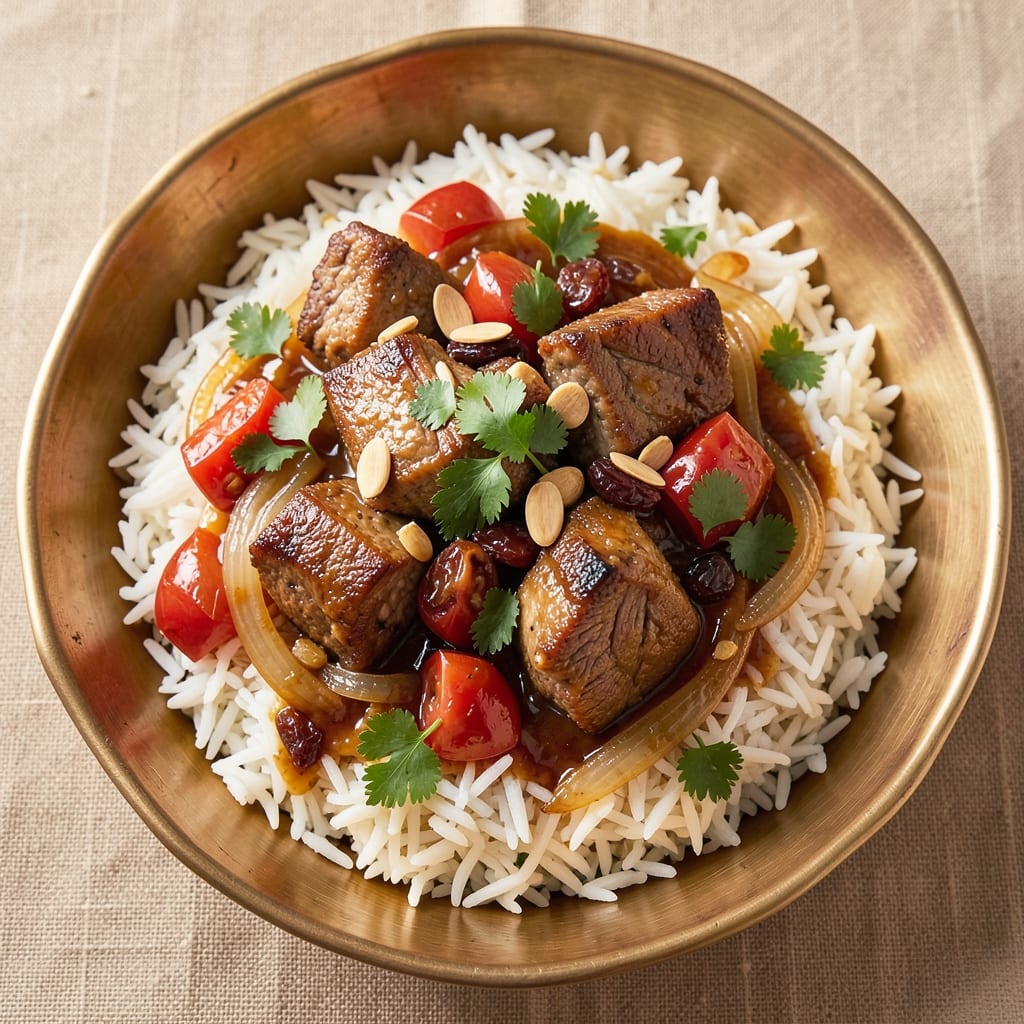
Al Kabsa transforms a simple pot into a fragrant Saudi Arabian feast where tender lamb, aromatic rice, and spiced tomato sauce marry in perfect harmony. This one-pot wonder captures the heart of traditional Middle Eastern dining—rich with saffron, cardamom, and slow-cooked meat that falls apart at the touch. The secret lies in layering spices gradually and letting them meld over time, creating depths of flavor that transport you to the streets of Riyadh.
The beauty of Al Kabsa is its simplicity disguised as complexity. You'll start with basmati rice parboiled in broth, then build the sauce from scratch using tomatoes, onions, and a blend of warm spices like cinnamon and cloves. The lamb cooks low and slow in this fragrant broth, absorbing every layer of flavor until it's so tender it practically melts. What sets this apart is the final touch—crispy fried onions scattered on top—that adds a textural contrast no other dish can match.
What you'll end up with is a dish that's as much about presentation as it is about taste. The golden rice, tender lamb pieces, and vibrant sauce create a visual feast that's almost as impressive as the aroma wafting through your kitchen. Serve it with a side of cool raita or fresh salad to balance the richness, and you've got a meal that feels like a celebration—whether it's for a special occasion or just a Friday night family dinner.
This recipe delivers restaurant-quality results without requiring advanced techniques. The key is patience—letting the flavors develop over time rather than rushing the process. Once you master this one-pot wonder, you'll find yourself reaching for the spices whenever you crave a taste of home. Let's get cooking!
Ingredients for al kabsa rice
Lamb, rice, and spices that sing—this one-pot feast needs just 15 ingredients.
| Ingredient | Amount | Notes |
|---|---|---|
| Lamb Leg or Shoulder 🥩 | 2 lb | Bone-in for flavor, cut into chunks |
| Long-Grain Basmati Rice 🍚 | 1 ½ cups | Uncooked, rinsed thoroughly |
| Yellow Onions 🧅 | 2 whole | Medium size, one for cooking, one for frying |
| Canned Crushed Tomatoes 🍅 | 28 oz | San Marzano preferred, no salt added |
| Chicken or Lamb Broth 💧 | 2 cups | Low-sodium preferred, homemade or store-bought |
| Saffron Threads 🌼 | ¼ tsp | High-quality, soaked in 2 tbsp warm water |
| Ground Cumin 🌿 | 1 tbsp | Toasted for deeper flavor |
| Ground Coriander 🌿 | 1 tbsp | Freshly ground preferred |
| Ground Cardamom 🌿 | 1 tsp | Freshly ground for best aroma |
| Ground Cloves 🌿 | ½ tsp | Whole cloves can be ground fresh |
| Ground Cinnamon 🌿 | ½ tsp | Sweet variety preferred |
| Black Peppercorns 🌶️ | ½ tsp | Freshly cracked preferred |
| Salt 🧂 | 1 ½ tsp | Diamond Crystal preferred |
| Vegetable Oil 🫒 | ¼ cup | For frying onions, neutral flavor |
| Fresh Ginger 🌿 | 1 inch | Peeled, roughly chopped |
The lamb is non-negotiable here—bone-in cuts like leg or shoulder stay juicier. Costco or Middle Eastern markets usually have the best cuts at reasonable prices. If you can't find bone-in, use shoulder and ask the butcher to leave some fat on the pieces. The rice? Basmati is a must—anything else gets mushy. Rinse it until the water runs clear—this removes excess starch so the grains stay separate. For the tomatoes, San Marzano makes all the difference, but any high-quality canned tomatoes will work. The spices? Buy them whole if possible—Penzeys or local spice shops carry premium quality, but the grocery store stuff works too if it smells fresh.
No saffron? Turmeric at half the amount gives color, but lacks the floral aroma. Running short on lamb? Beef chuck works too, though it'll have a different texture. The broth can be beef or chicken, but homemade is always better. If you're using store-bought, pick a low-sodium version. Fresh ginger? Ground works in a pinch, but fresh is brighter. For the fried onions, yellow onions are traditional, but red or white work fine—just slice them thinly for even frying. The key is to fry them until they're crispy and golden, then sprinkle them on top right before serving.
This dish tastes even better the next day—3-4 days in the fridge, honestly. The flavors meld beautifully. For freezing, portion into airtight containers with a layer of broth on top to prevent drying. 3 months is plenty. I always make extra because it reheats perfectly—just add a splash of water or broth and warm through. The rice might dry out slightly, so cover it with a damp paper towel while reheating. Serve with a side of yogurt sauce (raita) to cut through the richness—trust me, it's worth the extra bowl.
Why You'll Love This Recipe
- One-Pot Magic: I swear by this—just brown the lamb, toss in the onions and tomatoes, then dump everything into one pot with the rice and broth. Twenty minutes later, you’ve got a fragrant, hands-off meal that smells like a Middle Eastern feast.
- Deep, Savory Payoff: That slow-cooked lamb in the tomato broth? It melts into the rice like butter, while the onions caramelize into sweet, jammy pockets. Honestly, the first bite makes me close my eyes—it’s that good.
- Weeknight to Celebration: Between us, this is my lazy Sunday lunch and my “I’m hosting a dinner party” dish. The lamb stays tender no matter how long it simmers, so it’s perfect for feeding a crowd—or just me, when I’m craving something hearty.
- Budget-Friendly Feast: Lamb on the bone is cheaper than you’d think, and a single leg feeds four. The rice stretches further than you’d expect, and leftovers? Even better reheated the next day—if they last that long.
Step-by-step instructions for al kabsa rice
Here's how to make this aromatic, one-pot lamb and rice feast that brings Middle Eastern flavors to your table.
Prepare the Lamb and Saffron Infusion
Cut the 2 lb lamb leg or shoulder into 2-inch chunks, removing any excess fat. In a small bowl, soak the 0.25 tsp saffron threads in 2 tablespoons warm water for 10 minutes—this releases their vibrant color and delicate floral aroma. Set aside.
Heat the 0.25 cup vegetable oil in a large, heavy-bottomed pot over medium-high heat. Once shimmering, add the lamb pieces and sear for 4-5 minutes until they develop a deep golden crust. This step builds rich flavor that infuses throughout the dish. Remove the lamb and set aside temporarily.
Build the Spiced Base
In the same pot, reduce heat to medium and add 1 whole yellow onion, chopped, along with the 1 inch fresh ginger, peeled and roughly chopped. Sauté for 5 minutes until the onions soften and turn translucent. This forms the aromatic foundation.
Add the 1 tbsp ground cumin, 1 tbsp ground coriander, 1 tsp ground cardamom, 0.5 tsp ground cloves, 0.5 tsp ground cinnamon, and 0.5 tsp black peppercorns. Stir constantly for 1 minute until the spices release their fragrance—you should smell warm, earthy notes filling your kitchen. This is where the magic happens.
Layer Flavors with Tomatoes and Broth
Pour in the 28 oz canned crushed tomatoes and stir to combine with the spiced onions. Let this simmer uncovered for 5 minutes until the raw tomato taste mellows slightly. Add the 2 cups chicken or lamb broth and the saffron infusion, stirring well.
Return the seared lamb to the pot, adding any accumulated juices. Bring to a gentle boil, then reduce heat to low, cover partially, and let it simmer for 45 minutes. This slow cook allows the lamb to tenderize while absorbing all those aromatic spices.
Perfect the Rice and Finish
Rinse the 1.5 cups long-grain basmati rice thoroughly under cold water until the water runs clear. Add the rice to the pot, stirring gently to distribute it evenly. Increase heat to medium-high and bring to a boil again.
Once boiling, reduce heat to low, cover completely, and simmer for 20-25 minutes without lifting the lid. The rice should absorb all the liquid and steam perfectly, resulting in fluffy grains infused with lamb flavor. Check for doneness by inserting a fork—it should slide in easily with slight resistance.
Rest and Serve
Remove from heat and let the al kabsa rest, covered, for 10 minutes. This resting period allows the rice to finish steaming and the flavors to meld completely. Fluff gently with a fork before serving.
Serve family-style with extra fried onions on top for crunch. The dish should have tender lamb chunks, fragrant rice, and a rich sauce that ties everything together. Pair with warm flatbread and a simple cucumber salad for the complete experience.
Pro Tips For Making Al Kabsa Rice
- Brown the Lamb First: Skip the slow start—sear the lamb in batches over medium-high heat until deep brown, not just pink. I used to rush this, and the broth never got that rich, caramelized depth that makes al kabsa taste like a proper feast. Let it crisp for 3-4 minutes per side, even if it looks like too much work.
- Soak Rice 30 Minutes: Don’t toss dry basmati into the pot—soak it in warm water for 30 minutes first. This guarantees fluffy grains instead of mushy rice later, especially when cooking with broth. Drain right before adding to the pot, or you’ll end up with a gluey mess.
- Simmer Onions Low: After frying the onions until golden, drop the heat to low and let them sweat for 10 minutes. This softens them properly without burning, which keeps the sauce smooth and prevents that bitter aftertaste I used to get when I kept the heat high.
- Layer Spices Last: Hold off on adding saffron or cardamom until the very end—just before the rice absorbs the broth. This preserves their bright flavors instead of letting them cook out in the long simmer. Toss them in with the rice, then cover immediately to infuse the steam.
Make-ahead tips for this recipe
Prep Ahead Strategy
Start by making the spice blend and saffron infusion the night before. Toast the cumin, coriander, cardamom, cloves, cinnamon, and peppercorns in a dry skillet over low heat for 2-3 minutes until fragrant, then grind them together. Store in an airtight container—this jumpstarts the flavor development. Soak the saffron threads in 2 tbsp warm water and refrigerate until ready to use. 🌿
Partial Cooking
Cook the lamb and spiced tomato base up to Step 3 (after adding broth), then refrigerate for up to 2 days. When ready to finish, add the rice and complete the cooking process. This method saves 2 hours of active cooking time while letting flavors meld overnight. I always do this when hosting—it’s a game-changer for busy days.
Rice Pre-Preparation
Rinse and soak the 1.5 cups basmati rice in cold water for 30 minutes the night before. Drain well and store in a sealed container in the fridge. This step ensures perfectly fluffy grains and cuts down on cooking time by 10 minutes. Pro tip: Add 1 tsp lemon juice to the soaking water to keep the rice bright.
Onion Prep Shortcut
Slice the 1 yellow onion for frying and store it in a sealed container with a paper towel to absorb moisture. When ready to fry, heat 0.25 cup vegetable oil in a skillet over medium heat and cook the onions for 8-10 minutes until golden and crispy. Let them cool, then store in an airtight container—they’ll stay crisp for 3 days. Sprinkle them on top right before serving for that restaurant-quality crunch. ✨
Freezer-Friendly Components
Divide the fully cooked al kabsa into quart-sized freezer bags, leaving 1 inch headspace for expansion. Freeze for up to 3 months. To reheat, thaw overnight in the fridge, then warm in a pot over low heat with ¼ cup water or broth. Cover and heat for 15-20 minutes, stirring occasionally. The rice may dry out slightly—add a splash of broth if needed.
Make-Ahead Serving Suggestions
Plan to serve al kabsa with store-bought garlic yogurt sauce (raita) or a simple cucumber-tomato salad. Both can be prepped ahead and stored separately. For a complete meal, warm pita bread in the oven at 350°F for 5-7 minutes before serving. The contrast of warm bread, cool raita, and rich al kabsa makes it a perfect make-ahead feast. 💫
Nutrition facts
Frequently asked questions about al kabsa
Can I substitute chicken for lamb in this recipe?
Yes, but you'll need to adjust the cooking time. Chicken cooks faster than lamb, so use bone-in, skin-on thighs (not breast) and reduce the simmering time to 30-35 minutes after adding the rice. The skin adds richness, but remove it before serving if preferred. The spice blend works beautifully with chicken too!
Why does my al kabsa rice turn out mushy?
Overcooking or not rinsing the rice properly are the most common culprits. Always rinse basmati rice until the water runs clear to remove excess starch. After adding rice to the pot, simmer for exactly 20-25 minutes—no longer! The rice should be tender but still have a slight bite. If it's mushy, you likely used too much liquid or lifted the lid too soon.
What's the best way to make this dish vegetarian?
Replace the lamb with chickpeas or extra-firm tofu (pressed and cubed) for protein. Use vegetable broth and add 1 cup diced potatoes to the pot with the tomatoes. For extra richness, stir in 2 tablespoons tahini at the end. The spice blend remains the same—just omit the meat searing step. The dish will be heartier with added vegetables like carrots or zucchini.
How do I know when the lamb is fully cooked?
The lamb should reach an internal temperature of 160°F for medium doneness. Use a meat thermometer to check the thickest part of a piece. If you don't have one, cut into a piece—it should be tender and easily shred with a fork. The sauce will also thicken noticeably as the lamb cooks down. Never overcook—lamb becomes tough when dried out.
Can I make al kabsa in an Instant Pot?
Sear the lamb in a skillet first, then transfer everything to the Instant Pot. After adding the rice, cook on high pressure for 12 minutes, then let it naturally release for 10 minutes. For extra flavor, do a 5-minute sauté after pressure cooking to caramelize the sauce slightly. The Instant Pot version cooks faster but requires careful monitoring to avoid overcooking the rice.