
Main Courses
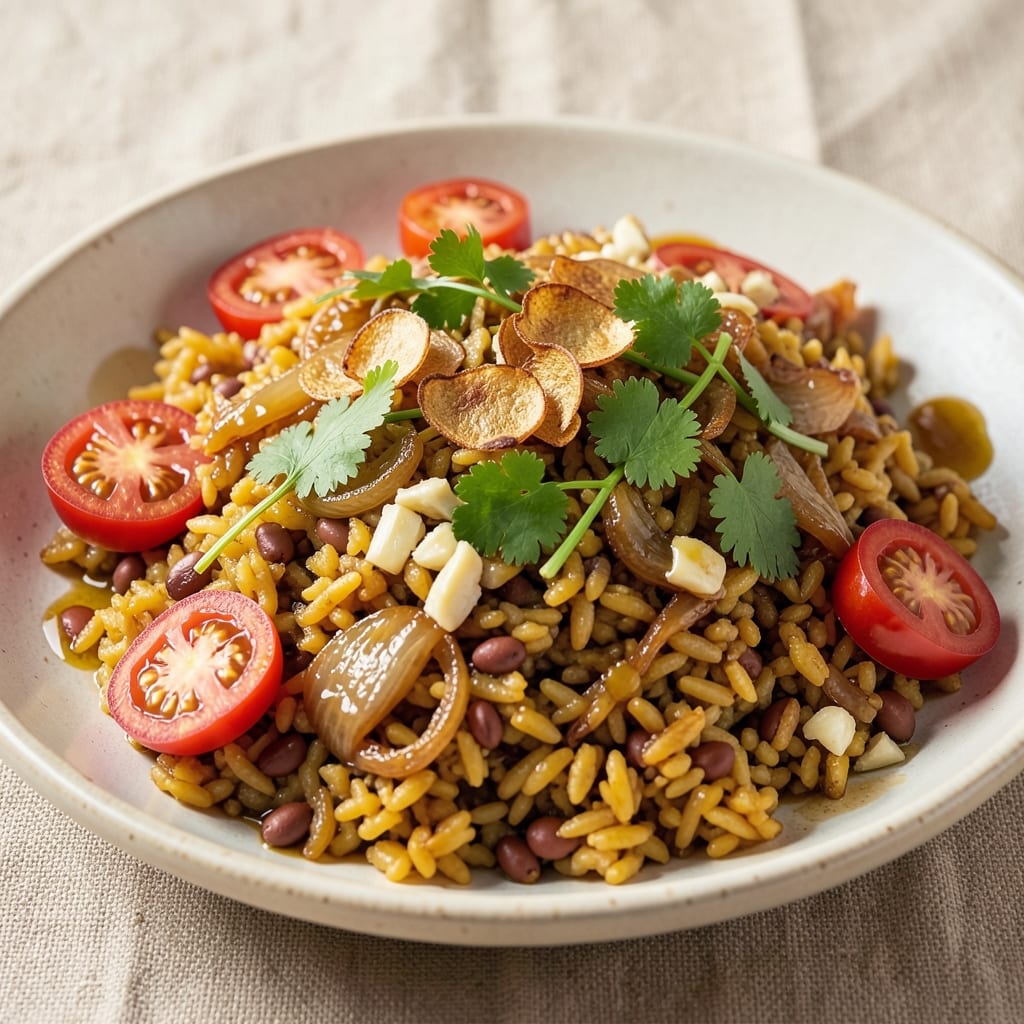
This African yellow rice recipe transforms simple ingredients into a vibrant, aromatic one-pot dish that carries the soul of West African cuisine. The secret lies in toasting whole spices until they release their deep, earthy aromas—ginger, garlic, and thyme form the flavor foundation, while tomatoes create a rich, slightly tangy base that perfectly complements the rice. What makes this recipe special is how it balances tradition with approachability, delivering restaurant-quality results without requiring specialized techniques.
The yellow hue comes from turmeric and curry powder, which infuse the rice with warmth and complexity as it simmers in flavorful broth. Unlike other rice dishes, this version cooks entirely in one pot, making it both convenient and deeply satisfying. The rice absorbs the aromatic broth while maintaining its distinct texture—neither mushy nor dry—thanks to careful monitoring and a touch of oil to keep grains separate. This method ensures every bite delivers layers of savory, spiced goodness that pairs beautifully with grilled meats or fish.
What you’ll end up with is a dish that’s as visually striking as it is delicious—bright yellow rice speckled with toasted spices, served alongside juicy protein or as a standalone centerpiece. The flavors deepen as it rests, making it perfect for meal prep or gatherings where you want to impress without stressing. Whether you’re making it for a family dinner or a special occasion, this recipe delivers the kind of comfort that feels like coming home.
For those familiar with Jollof rice or Senegalese yellow rice, this recipe bridges the two traditions while standing on its own. The one-pot approach simplifies the process without sacrificing authenticity, proving that bold flavors and simplicity can coexist. Ready to bring a taste of West Africa to your table? Let’s get started.
Ingredients for african yellow rice
Toasted spices, aromatic broth, and vibrant tomatoes create this West African-inspired one-pot masterpiece.
| Ingredient | Amount | Notes |
|---|---|---|
| Long-Grain White Rice 🍚 | 1 ½ cups | Uncooked, rinsed well |
| Dried Red Lentils 🌾 | ½ cup | For added texture |
| Fresh Tomatoes 🍅 | 2 medium | Ripe, diced (or 1 can diced) |
| Yellow Onion 🧅 | 1 whole | Diced, medium size |
| Garlic Cloves 🧄 | 6 cloves | Minced, fresh preferred |
| Fresh Ginger 🌿 | 1 inch | Peeled, grated |
| Fresh Thyme 🌿 | ¼ cup | Leaves only, chopped |
| Ground Turmeric 🌶️ | 1 tbsp | For vibrant yellow color |
| Curry Powder 🌶️ | 1 tbsp | Mild or medium heat |
| Vegetable Oil 🫒 | 2 tbsp | For toasting spices |
| Chicken or Vegetable Broth 💧 | 2 ½ cups | Low-sodium preferred |
| Salt 🧂 | 1 tsp | Kosher or sea salt |
| Black Pepper 🌶️ | ½ tsp | Freshly ground |
| Bay Leaves 🌿 | 2 whole | For depth of flavor |
| Scotch Bonnet Pepper 🔥 | ½ whole | Optional, for heat |
The spices are where the magic happens. Grab fresh ginger and garlic—they toast up beautifully and give way more flavor than dried. For thyme, Whole Foods or Latin markets often carry the freshest bundles. The curry powder should be mild or medium heat—hot blends can overpower the dish. If you can't find Scotch bonnet, jalapeño or habanero seeds work for heat (use sparingly). The tomatoes can be fresh or canned—San Marzano cans are ideal for their sweetness, but any ripe tomatoes will do.
No fresh thyme? Dried at one-quarter the amount works, but fresh is ideal. Short on broth? Water plus bouillon cubes gets you close—just add a pinch more salt. The lentils are optional but add wonderful texture. If you're serving this with fish or chicken, add a splash of lemon juice at the end to brighten the flavors. For extra richness, stir in 2 tbsp tomato paste with the spices when toasting. The rice should be uncooked long-grain—jasmine or basmati both work beautifully.
This reheats beautifully—flavors meld even more overnight. Store in an airtight container for 4-5 days in the fridge or 3 months frozen. I like to portion it into containers with a side of protein for easy lunches. The rice keeps its distinct grains when reheated gently with a splash of water. For meal prep, make a double batch—the second day often tastes even better as the flavors deepen.
Why You'll Love This Recipe
- One-Pot Magic: I swear by this recipe when I’m too tired to scrub pots—just toss everything in one skillet, simmer, and walk away. The lentils break down into creamy bits while the rice stays fluffy, so you end up with a single dish that feels like a whole meal.
- Tomato-Garlic Bomb: That blend of fresh tomatoes, caramelized onions, and minced garlic? It’s the secret weapon here. The acidity brightens the dish, the garlic adds depth, and the lentils soak up all the flavor like a sponge—every bite is packed with umami.
- Leftover Goldmine: This rice holds up for days, which is a lifesaver when I’m meal prepping. Reheat it with a splash of water, and it’s just as good the third day—perfect for lunches or when unexpected guests drop by. (Yes, even on a Tuesday night.)
- Budget Stretch: Using dried lentils and basic rice keeps costs low, but the result feels fancy. I’ve served it at potlucks, family dinners, and even as a side for takeout—people always ask for the recipe, and I never have to stress about expensive ingredients.
Step-by-step instructions for African yellow rice
This vibrant one-pot dish builds flavor through careful layering and precise timing.
Toast the Spices and Aromatics
Heat the 2 tablespoons vegetable oil in a heavy-bottomed pot over medium heat. Add the 1 whole yellow onion and cook for 5 minutes until softened and translucent. This foundational step develops sweetness that carries through the entire dish.
Add the 6 cloves garlic cloves, 1 inch fresh ginger, and 0.25 cup fresh thyme leaves. Cook for 2 minutes until the garlic becomes fragrant and the ginger releases its pungent aroma. Here's where the magic begins—your kitchen should smell like a West African market at this point.
Stir in the 1 tablespoon ground turmeric and 1 tablespoon curry powder, toasting for 30 seconds until the spices release their oils and become aromatic. This step is crucial for developing the dish's signature vibrant color and complex flavor profile. Don't walk away—burnt spices will make the entire dish bitter.
Sauté Tomatoes and Add Lentils
Add the 2 medium fresh tomatoes (diced) and cook for 5 minutes until they break down into a thick, jammy consistency. This tomato base forms the flavor foundation of the dish, so take your time here—you want them to soften completely and lose their raw acidity.
Increase heat to medium-high and add the 0.5 cup dried red lentils, stirring to coat them in the tomato-spice mixture. The lentils will absorb these flavors during the cooking process, adding texture and protein to the finished dish. If using the optional 0.5 whole scotch bonnet pepper, remove the seeds and membranes, then add it whole to the pot at this stage.
Pour in the 2.5 cups chicken or vegetable broth and bring to a gentle boil. Add the 2 whole bay leaves, 1 teaspoon salt, and 0.5 teaspoon black pepper, stirring well to combine. The broth should just cover the lentils and tomatoes—this ensures proper cooking without making the rice mushy.
Cook Lentils Until Tender
Reduce heat to low and let the mixture simmer uncovered for 15-20 minutes until the lentils are tender but still hold their shape. You'll know they're ready when they're easily pierced with a fork but don't fall apart. This step is where the lentils absorb all the rich tomato and spice flavors we've built so far.
Taste the lentil mixture and adjust seasoning if needed. This is your only chance to correct any flavor imbalances before adding the rice. The dish should be seasoned properly at this stage—too much salt now will be impossible to fix later. If the mixture tastes bland, add a pinch more salt or a squeeze of lemon juice to brighten the flavors.
Add Rice and Simmer to Perfection
Rinse the 1.5 cups long-grain white rice thoroughly under cold water until the water runs clear. This removes excess starch that would make the rice gummy. Add the rice to the lentil mixture and stir gently to distribute it evenly. The rice should be fully submerged in the broth—if not, add a splash more broth to maintain the proper liquid level.
Bring the mixture back to a gentle boil, then immediately reduce heat to low. Cover the pot with a tight-fitting lid and let it simmer for 18-20 minutes without disturbing it. This gentle cooking process allows the rice to absorb the flavorful broth while maintaining its distinct texture. The key here is patience—resist the urge to peek or stir, as this disrupts the even cooking process.
After 18 minutes, turn off the heat and let the rice sit covered for an additional 5 minutes. This resting period allows the steam to redistribute throughout the pot, resulting in perfectly cooked rice with no hard grains. The final dish should have a vibrant yellow color from the turmeric, tender lentils, and a rich tomato-spice broth infused throughout.
Pro Tips For Making African Yellow Rice
- TOAST THE LENTILS FIRST: I learned this the hard way—skipping the quick toast in oil ruins the nutty depth of the lentils. Dry-toast them for 2-3 minutes until they smell earthy and fragrant before adding liquid. This prevents that bland, mushy texture that turns yellow rice into a sad side dish.
- SOAK THE RICE 30 MINUTES: Long-grain rice needs a head start. Soak it in warm water for 30 minutes before cooking—it cooks faster, stays fluffy, and absorbs the tomato-lentil broth better. (Yes, even if you're impatient like me, this makes a real difference.)
- LOW-HEAT SIMMER AFTER BOIL: Once the rice is tender, drop the heat to the lowest setting and let it steam uncovered for 5-10 minutes. I used to walk away at the first sign of doneness, but this final rest keeps it from turning gluey—your future self will thank you.
- SAUTÉ ONIONS UNTIL CARAMELIZED: Don’t just chop the onions—cook them until they’re deep golden, almost jammy, before adding tomatoes. This builds the base flavor that makes the rice taste like it simmered all day. (Your nose will know when it’s ready—trust it.)
Serving suggestions for this recipe
Protein Pairings
This vibrant yellow rice pairs beautifully with grilled or fried chicken thighs—their juicy tenderness contrasts perfectly with the spiced rice. I like to marinate the chicken in ginger, garlic, and a splash of lemon juice before grilling. For seafood lovers, pan-seared tilapia or shrimp work wonderfully, especially with a squeeze of lime at the table. 🍗
For vegetarians, crispy tofu or grilled eggplant adds satisfying texture. If you're making a full West African feast, serve with beef stew or smoked fish for an authentic experience. The rice's rich tomato-spice broth soaks up beautifully, making it ideal for soaking up any extra juices from your protein.
Vegetable Sides
A simple steamed collard greens dish with garlic and onions complements the rice perfectly—it adds a touch of bitterness that balances the dish's richness. I toss 1 bunch collards with 2 tablespoons olive oil, 3 minced garlic cloves, and a pinch of red pepper flakes, then steam for 15 minutes. 🥬
For a lighter option, try roasted yams or sweet potatoes—their natural sweetness pairs wonderfully with the savory rice. Toss 2 medium yams in 1 tablespoon honey and 1 teaspoon smoked paprika, then roast at 400°F for 25 minutes. The caramelized edges add a delightful contrast to every bite.
Garnishes & Finishing Touches
Fresh cilantro or parsley adds a bright, herbaceous note that cuts through the richness. I sprinkle 2 tablespoons chopped cilantro over the finished rice just before serving. For extra flair, add toasted coconut flakes—they bring a sweet, nutty crunch that elevates the dish. 🌿
A drizzle of spicy tomato sauce or a squeeze of lime can transform the dish at the table. If you're feeling adventurous, top with crumbled feta or grated coconut for a fusion twist. The key is to let guests customize their plates—this rice stands up to bold flavors!
Beverage Pairings
A light-bodied lager like Guinness or Peroni cleanses the palate between bites, while a West African palm wine adds an authentic touch. For non-alcoholic options, hibiscus tea or ginger lemonade refreshes beautifully. The citrus notes in these drinks balance the dish's spicy depth. 🍺
If you prefer wine, a dry Riesling or Sauvignon Blanc complements the tomato and spice flavors without overpowering them. The acidity in these wines helps reset your palate, making each bite of rice taste even more vibrant. For a festive touch, serve with a sparkling mango lime soda—it’s a crowd-pleaser!
Nutrition facts
Frequently asked questions
Why does African yellow rice have that distinct yellow color?
The vibrant yellow comes from turmeric and curry powder—both toasted in oil at the start to release their aromatic oils. Turmeric provides the color, while curry powder adds depth and warmth. The longer you toast these spices, the more intense the flavor and hue become, but 30 seconds max prevents bitterness.
Can I make this recipe without lentils?
Skip the lentils if you prefer, but they add texture and protein that pairs beautifully with the rice. If omitting, reduce the broth to 2 cups since lentils absorb extra liquid. For a meatier dish, add diced chicken or shrimp during the final simmering stage instead.
How do I prevent the rice from getting mushy?
Rinse the rice thoroughly before adding it to the pot to remove excess starch. Use a heavy-bottomed pot and maintain a gentle simmer (never boil vigorously) after adding the rice. The 5-minute rest at the end is critical—it lets steam redistribute for perfect texture. Stirring while cooking disrupts the grains, so resist the urge!
What's the difference between this and Jollof rice?
While both are West African staples, this recipe focuses on tomato-spice broth with lentils for a lighter texture, whereas Jollof rice uses more tomato paste and peppers for a thicker, saucier consistency. The yellow color here comes from turmeric, while Jollof often relies on palm oil for its signature hue. Both are delicious—choose based on your preferred texture!
Can I make this recipe in an Instant Pot?
Yes! Sauté the aromatics and spices as directed, then add all ingredients (including rice) and cook on high pressure for 6 minutes. Let the pressure release naturally for 10 minutes before opening. The Instant Pot version cooks faster but may need a splash of broth if the rice seems dry. The flavor profile remains identical—just watch the liquid ratio closely.